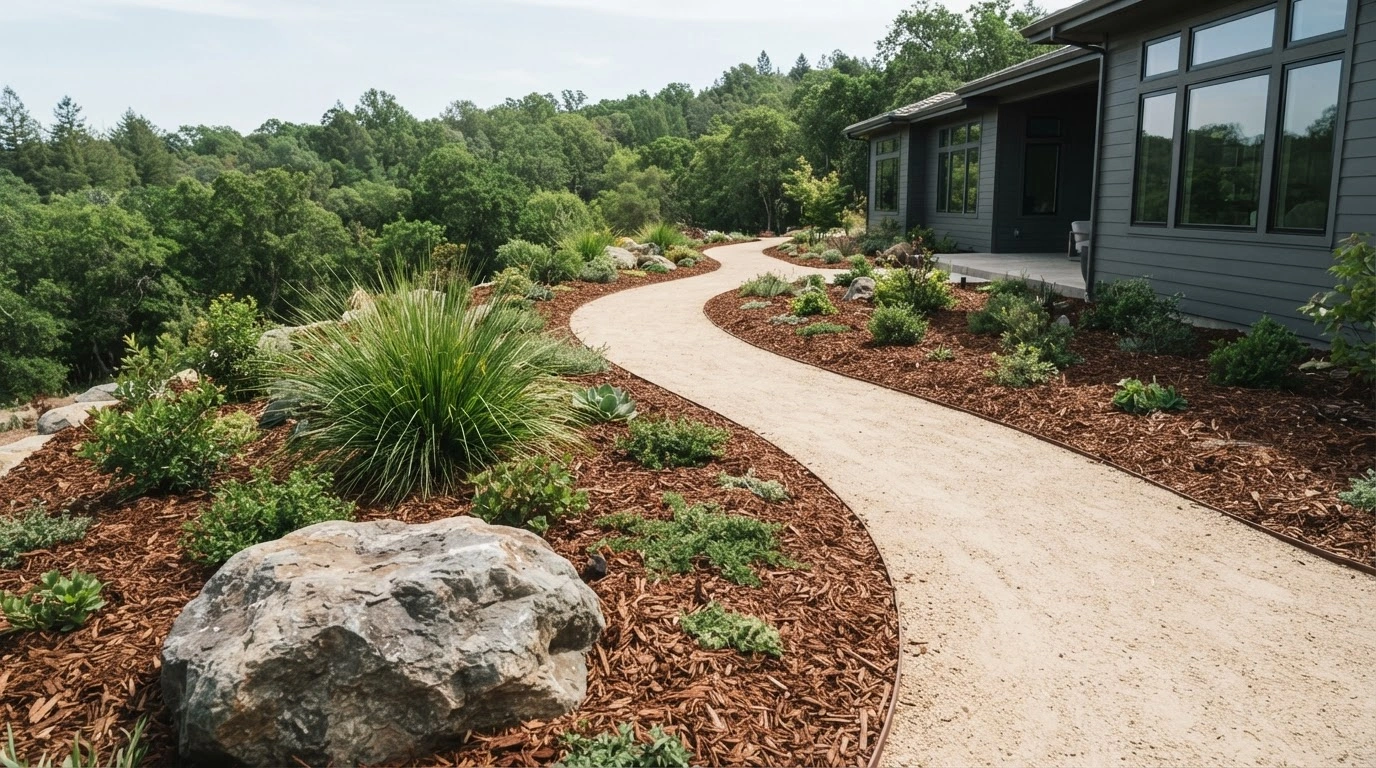
Decomposed granite is one of the most common materials often used in people’s yards, gardens, children’s parks, etc. Depending on the processing method, it can be as fine as sand or contain larger particles. Depending on where it is used and how it is installed, decomposed granite can be loose and sandy underfoot or compacted into a much firmer surface.
DG comes in different colors and textures, so it's more than the usual earthy-looking material you may have seen in gardens. But, from where do they come from, where are they mostly used, and how to install them? This blog explains all these questions in detail.
What is Decomposed Granite?
Decomposed granite is a landscaping material that looks like gravel. It is finer than gravel and packs down much more firmly. People commonly use it for landscaping paths, patios, driveways, and other outdoor areas. It is crushed, naturally weathered, or eroded granite.
Decomposed granite is used for landscaping and is mostly ⅜ inch (about 1 cm) in size. However, its size can be smaller than 1 cm. Its colors may vary, including beige, brown, and several shades of gray, as well as black, red, and green.
What are the Types of Decomposed Granite?
Here are three types of decomposed granite -
Loose Decomposed Granite
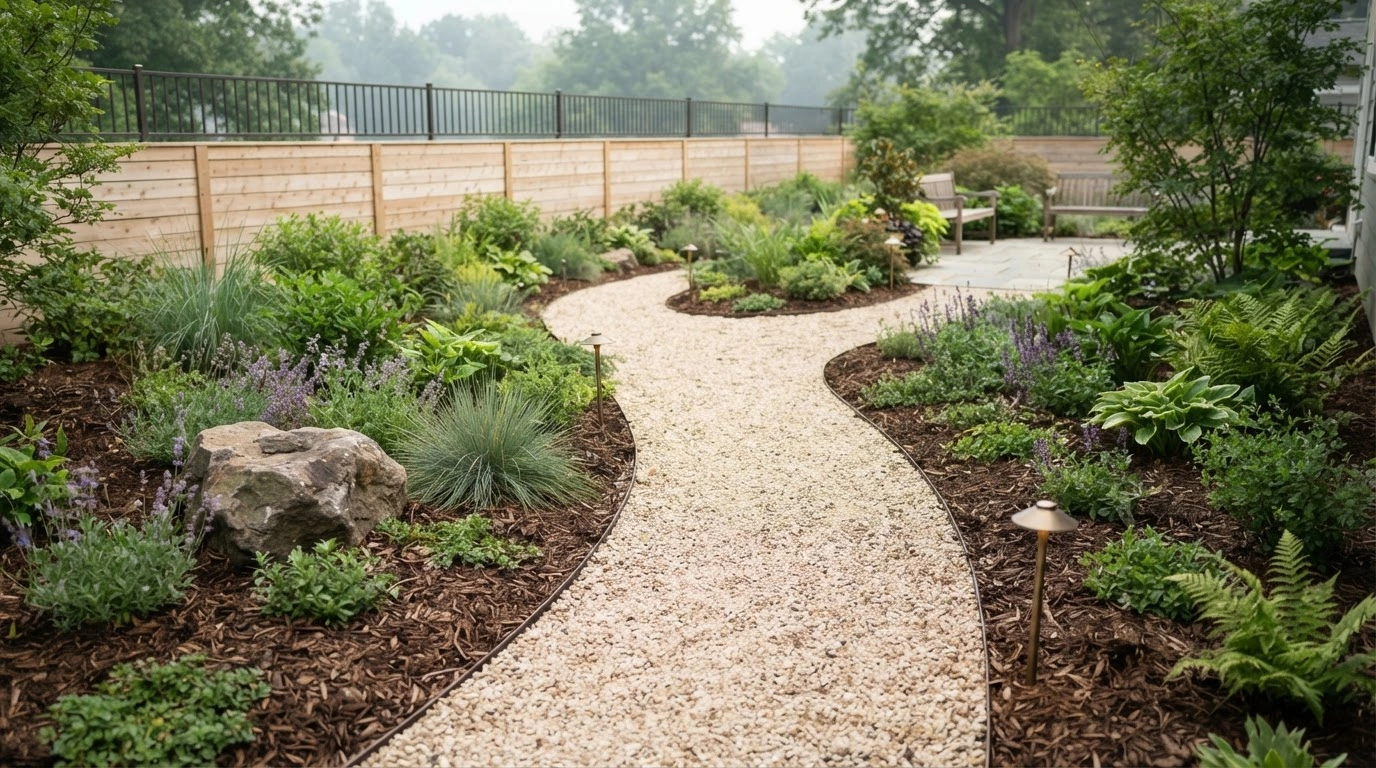
Loose decomposed granite consists of granite particles of several sizes. It is naturally available, cost-effective, and a great choice for xeriscaping, garden paths, and patios. You can also use it as ground cover around flower beds or under trees where grass patches fail to grow.
Loose decomposed granite drains water easily and makes a soothing, crunchy sound when you walk over it. It also looks beautiful in a garden or flower bed.
Stabilized Decomposed Granite
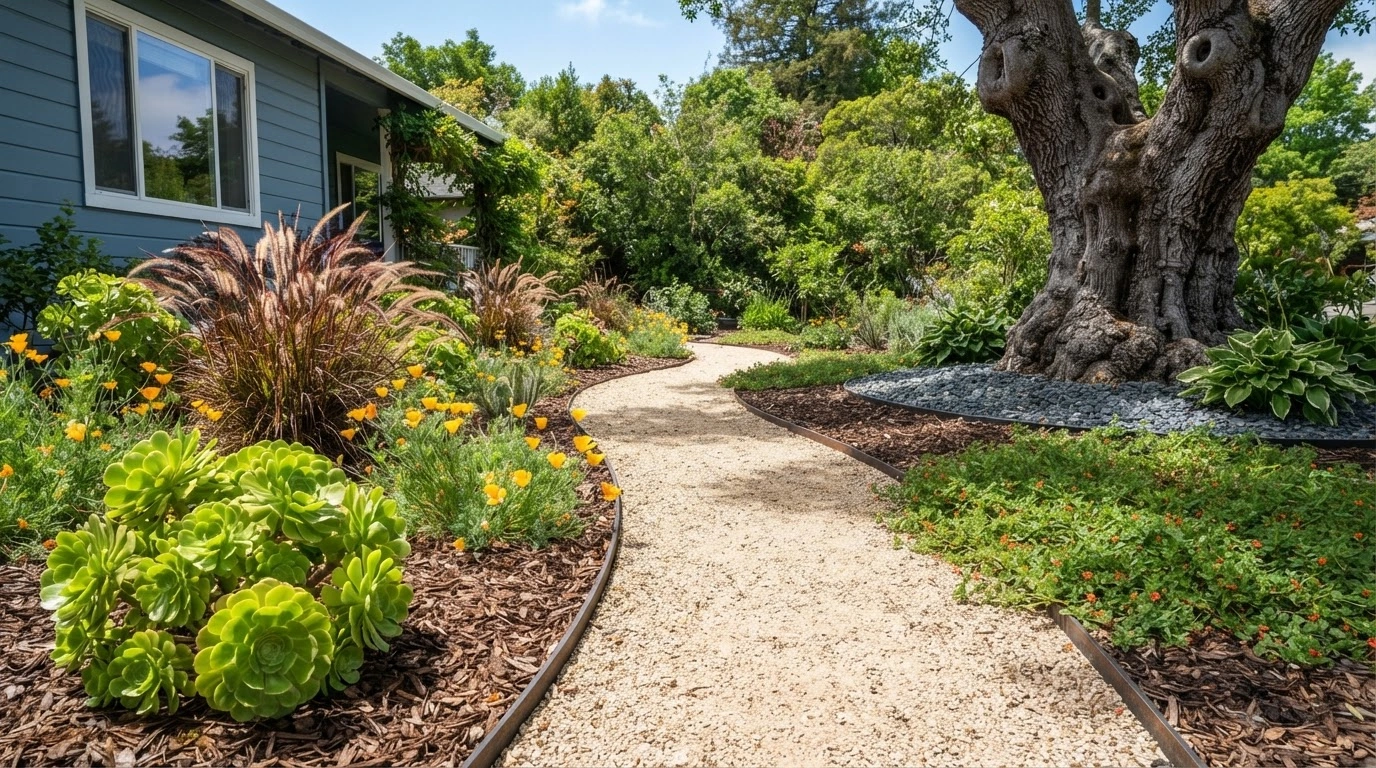
Stabilized decomposed granite is a durable, porous landscaping material made by mixing decomposed granite with organic and inorganic binding agents. It looks natural and more stable, and is used on low-traffic areas, such as patios and walkways.
Resin-Coated Decomposed Granite
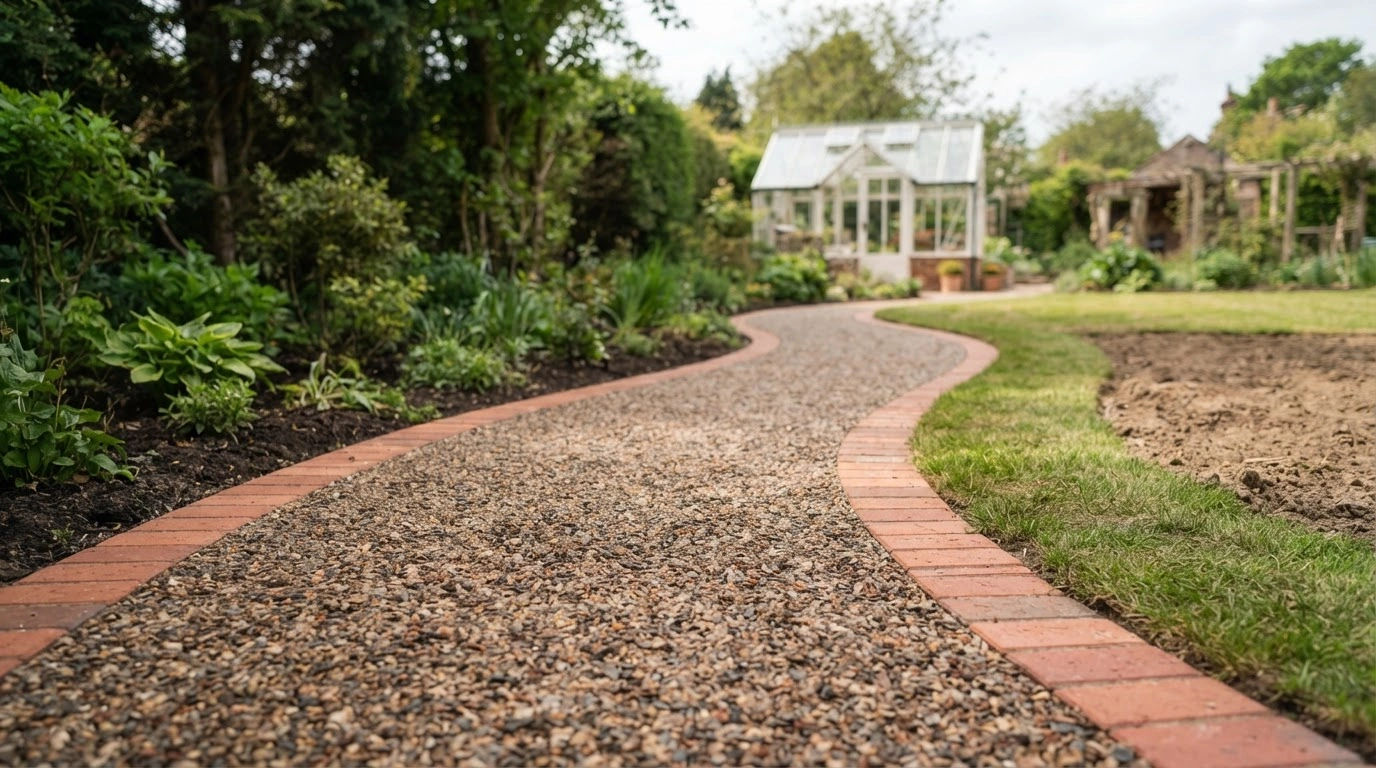
Resin-coated decomposed granite is a durable, low-maintenance landscaping material. It is blended with a resin binder that prevents the granite from shifting or moving out of place. It also has a natural appearance, making it well-suited for driveways and other high-traffic areas.
Resin-coated decomposed granite is resistant to heavy-rain erosion. As it stays in place better, it can be used on sloped areas where loose gravel or DG might slide down.
What is Decomposed Granite Used for?
Many would assume that granite is used only for countertops and architecture. But decomposed granite has several other uses, especially in landscaping and outdoor spaces. Even though it is called decomposed granite, it is quite sturdy and durable.
In fact, it is harder than marble. When mixed with organic and inorganic binding agents, it becomes more compact. This makes it perfect for high-traffic areas, such as driveways and pathways, while offering good drainage. Here is detailed information on the uses of DG -
Patios
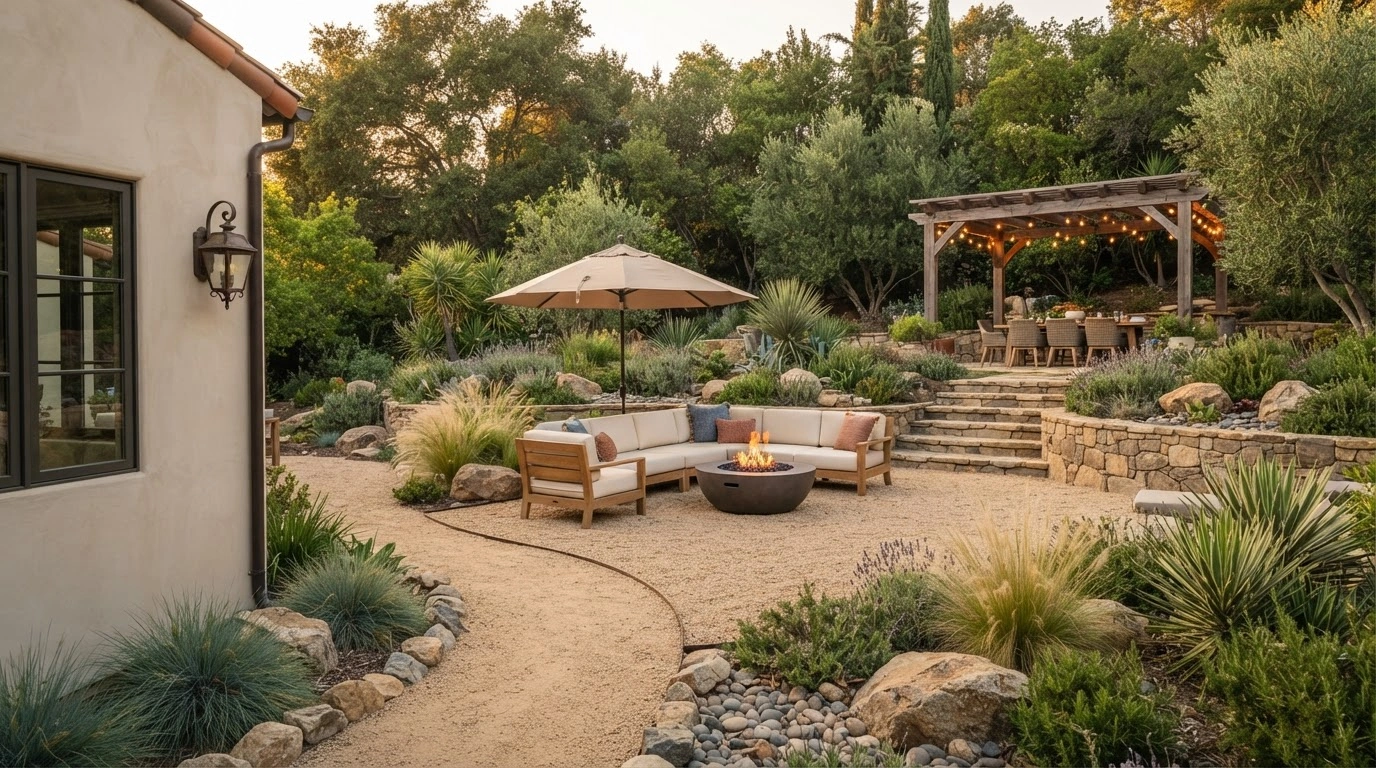
Using DG (stabilized or resin-coated) is one of the most popular choices among homeowners. Stabilized DG is a great option if there’s minimal foot traffic or heavy rainfall. Otherwise, you can opt for resin-coated DG, which can handle foot traffic well.
Driveways
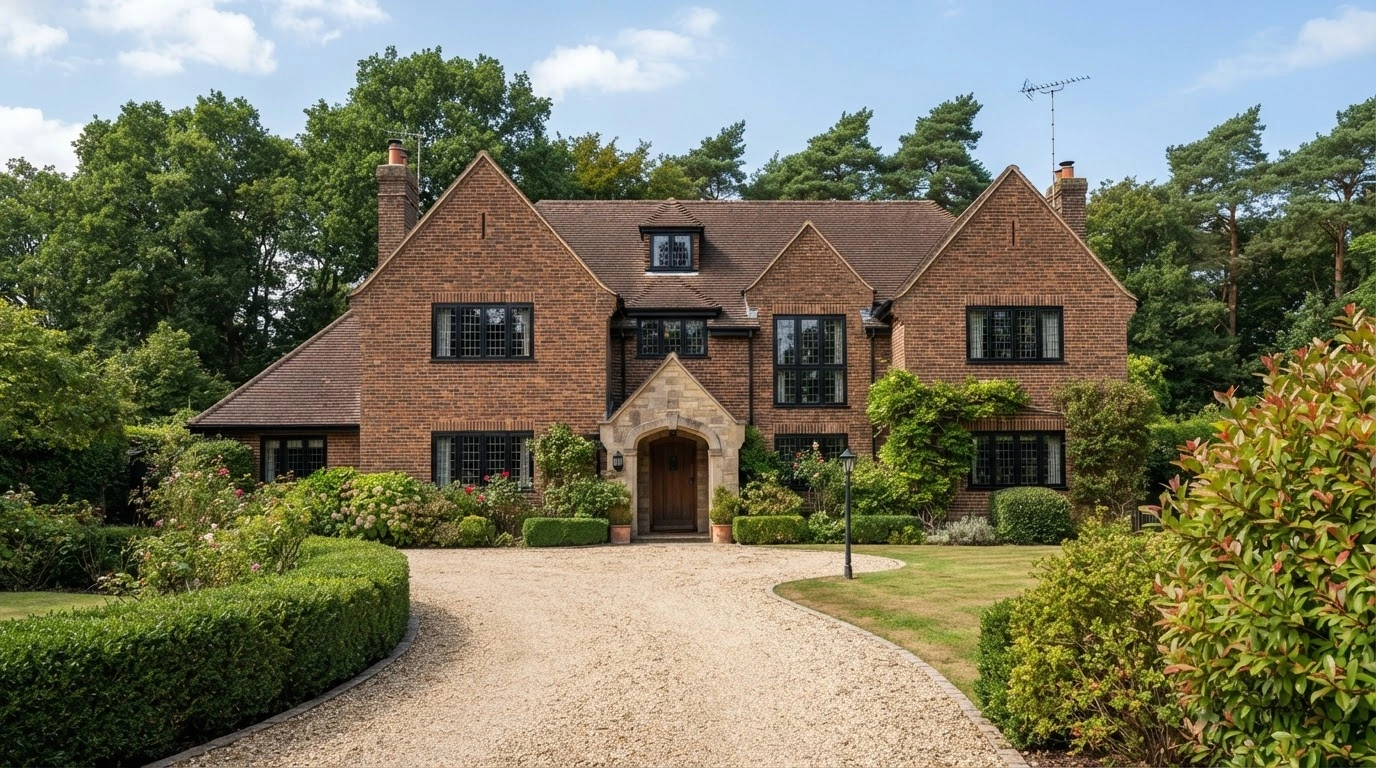
Decomposed granite is also widely used for driveways. For driveways, resin-coated DG is preferred because it is incredibly strong and can withstand passing vehicles.
Xeriscaping
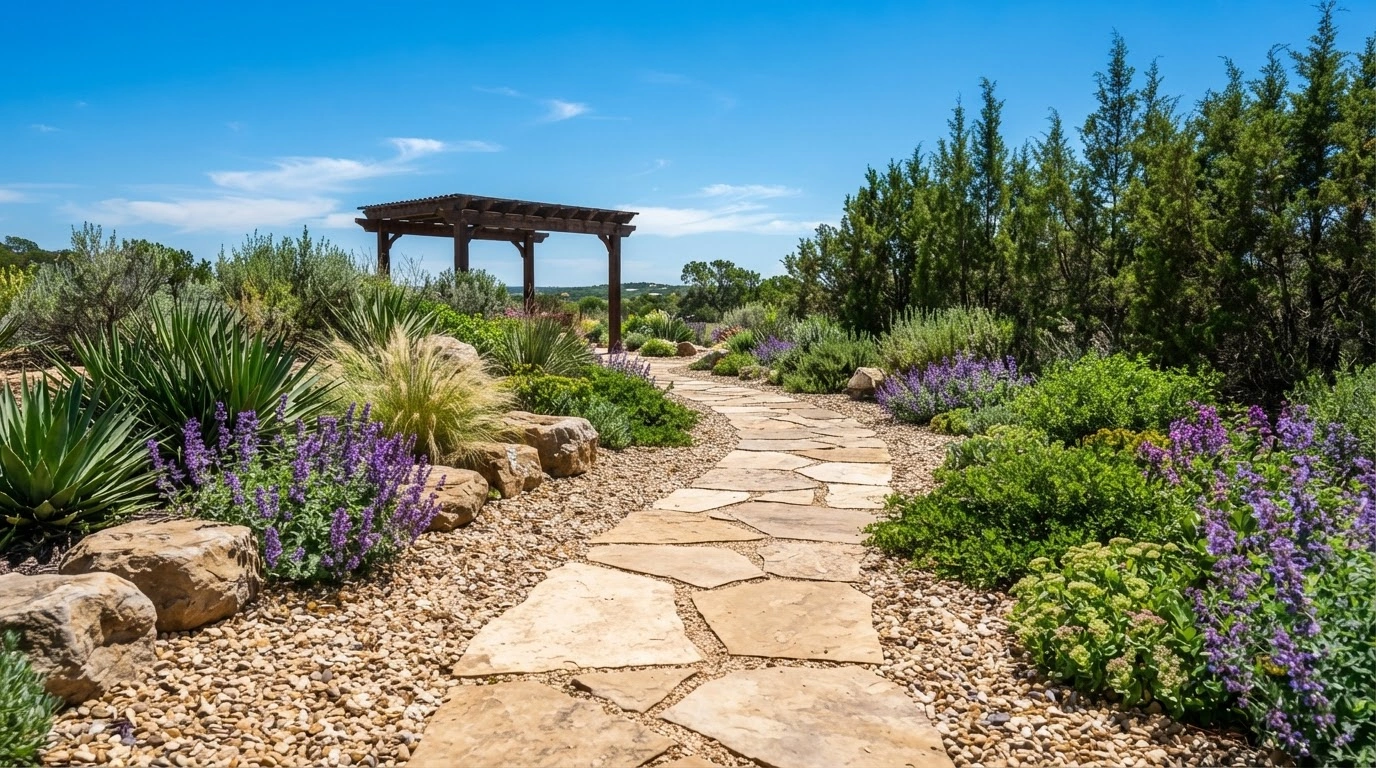
Decomposed granite can also be used for xeriscaping. This type of landscaping works best in hot, arid regions because it is sustainable and water-efficient. When you use DG for xeriscaping, it reduces evaporation and improves moisture absorption. This ensures that the flower and garden beds get enough moisture even on hotter days.
Paths and Walkways
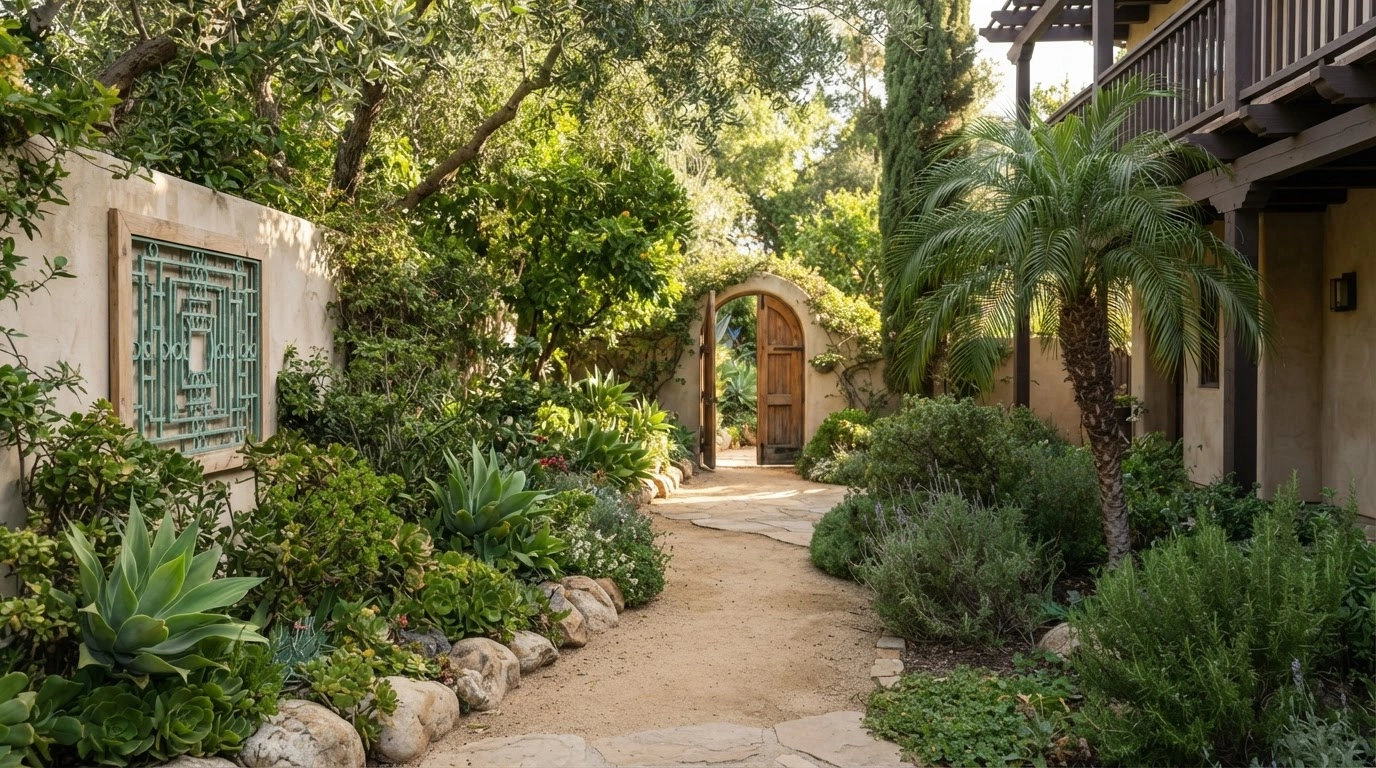
Walkways and paths are ideal areas where you can use decomposed granite. You can either opt for resin-coated, stabilized, or loose DG, depending on what you need. If you prefer the crunchy feel under your feet, then loose DG is the best option; however, if you’re looking for a more durable option, consider stabilized or resin-coated DG. However, stabilized ones need more maintenance than loose granite.
Playground
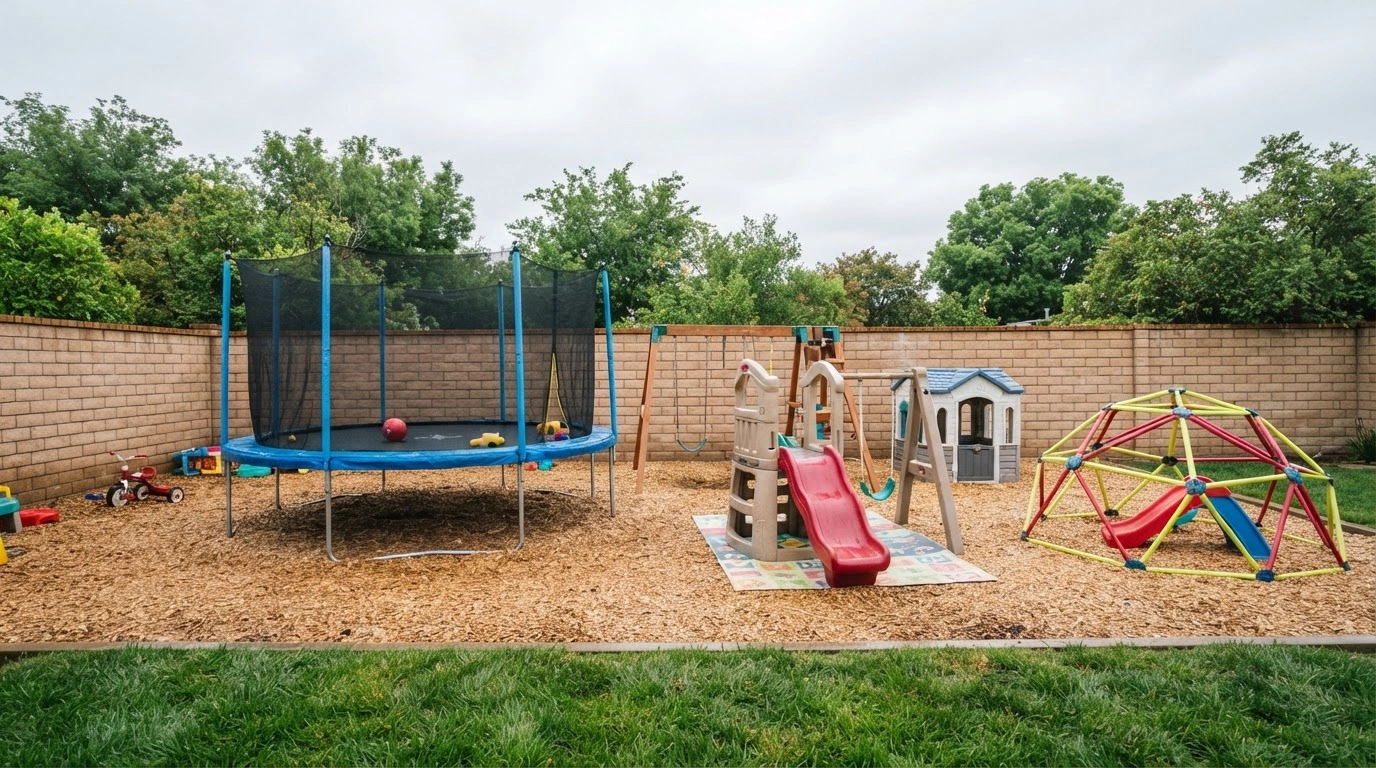
Loose decomposed granite is the best choice for playground areas. However, one thing to keep in mind is to opt for a finer granite so that it won’t hurt the little feet.
Decomposed Granite: Pros and Cons
There are several advantages of decomposed granite, and some of them are -
- Natural Appearance: The decomposed granite makes your yard feel organic and stone-like rather than looking manufactured like concrete or paving blocks.
- Cost-Effective: DG is inexpensive, which makes it a great solution for those who want beautiful pathways and flowerbeds on a tight budget. You can also use this to top up areas with more granite.
- Low Maintenance: It requires very minimal upkeep. All you need to do is remove the weeds and debris and keep topping up the granite whenever needed.
- Eco-Friendly: Decomposed granite is an environmentally friendly material best suited for several landscaping projects. It is the favorite of xeriscaping companies as it complements any natural setting.
- Versatile in Nature: DG is one of the most versatile materials used for patios, driveways, xeriscaping projects, walkways, pathways, and playground areas.
- Improves Drainage: Decomposed Granite is a better option if you want a good drainage system, as they allow water to filter away from the ground surface. This prevents water pooling on the flower bed and in the garden, which reduces the risk of pests.
Despite various advantages, there are certain disadvantages, too, such as -
- Stability Issues: This is the major concern if you use loose gravel. This is because the small granite particles can shift and move underfoot, making it impossible to walk. This is a huge problem for people with mobility and balance issues.
- Might Become Compacted: DG might become compacted and uneven with time. This mostly happens because the foundational layer is not completely compacted.
- Can Gather Dust: Decomposed Granite can become dusty when there’s extreme wind. The rain might wash away the dust, but you will have to wash occasionally to keep it clean.
- Can Erode: If there’s heavy rainfall, there might be some erosion, washing the top layer of granite.
- Needs Proper Installation: If you are using stabilized or resin-coated granite, it may need proper professional installation.
What is the Difference Between Loose and Compacted DG?
Here is a difference between loose and compacted decomposed granite, which can help you choose the one best suited for your yard or landscaping needs -
| Loose Decomposed Granite | Compacted Decomposed Granite |
|
|
|
|
|
|
|
|
|
|
|
|
How Much Does Decomposed Granite Cost?
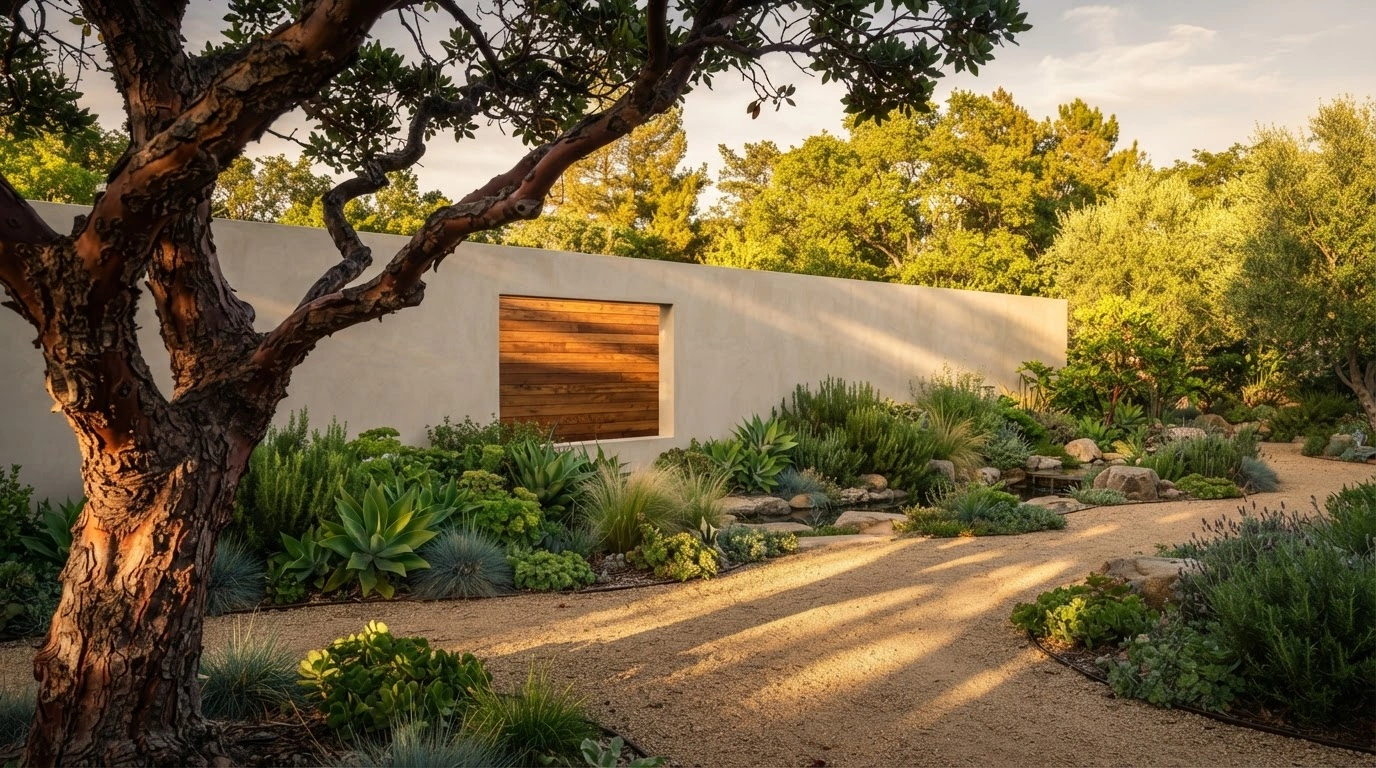
The cost of the raw material is somewhere around $40 to $50 per cubic yard. It can easily be sourced from local landscape suppliers. The cost of installation (with the help of a contractor) may be around $4 to $6 per square foot. This cost factor is based on the condition of the area and whether stabilizers are added. If you can DIY, it can save you half the installation and labor cost.
If you want to install a resin-coated DG driveway, it might cost you on the higher end. DIYing this might not be possible, so it is best to call a professional.
Now, as you begin to search for the right material, you need to look for factors such as -
- Color of the granite
- Amount of traffic in the area
- If the product needs to withstand external elements
- Whether you want stabilized, wax polymer, or standard granite
- Cost of shipment
How to Install Decomposed Granite?
Here's how to install decomposed granite -
- Spread the granite about 3 inches using a hand or a machine.
- Tamp it down using a hand tamper, which prevents the DG from moving around. Otherwise, it might behave like sand, which can be carried inside the house.
- You can also add a weed barrier underneath the DG so that weeds don’t overtake the beautiful landscape.
- For a firmer and stable surface, you can make the DG wet and compact it using a machine.
- For areas that receive high foot traffic, mix stabilizer into the granite so that it holds the granite particles together and stays durable.
How to Maintain Decomposed Granite?
Decomposed Granite is used in walkways, driveways, and patios and requires proper maintenance. Also, depending on the type of decomposed granite used, some may require more maintenance than others.
Clean the Surface
Ensure you keep the surface free from debris. Use a leaf blower or broom to clean the surface. However, ensure not to sweep or blow the debris aggressively so that the granite does not go flying.
Remove Weed
Keep an eye on the weed growth along the path and walkways, in addition to the flower beds. Loose and stabilized granite areas are prone to weeds. So, once you see any weed growth, take it out immediately so that they don’t take over the nearby area.
Get Rid Of Stains
Oil leaks and stains should be cleaned immediately, and the method of cleaning depends on the type of stain. Mostly, oil-based stains can be removed using baking soda and water. Cleaning is also an easy task, as you just have to apply the paste and wipe it off after some time.
However, if you have a resin-coated DG driveway, it can withstand pressure washing and degreaser. After heavy cleaning, you may need to reseal the surface, and remember not to use any aggressive cleaners, as they may damage the surface.
Check for Water Damage
Even with granite, water damage and drainage issues might occur over time. When the DG is damaged because of water, it can cause the base to crumble and cause erosion. It also prevents the DG from draining water effectively.
Add More Granite (If Needed)
There might be times when you need to add more decomposed granite to the existing space. This usually happens when the top layer of granite gets washed away by heavy rain or wind. Sometimes, when people walk on the DG, it causes the granite to shift.
Conclusion
Decomposed granite, also known as DG, is a great solution for landscaping and xeriscaping, in addition to patios, driveways, playgrounds, etc. There are three main types of decomposed granite: loose, stabilized, and resin-compacted DG, with each one suited to different applications. Loose granite is best for walkways where there isn’t much foot traffic, whereas resin-coated and stabilized DG are best for driveways and areas with heavy foot traffic. They come in different colors that can make your yard look stunning.