


A garage floor endures several forms of wear and tear from vehicle movement, oil spills, friction, stains, etc. The damage caused by these can leave the floor looking dilapidated and dull and cannot be repaired. Hence, they require renovation to improve the appearance and durability.
Garage floor renovation changes the entire look of the space, making it more appealing to the eye. Also, the garage is used for other purposes, such as a workshop, a gym, and an art-and-craft corner. That’s why you have to make sure the garage floor looks new, fresh, and safe. This blog discusses the types of floor coatings and the associated costs of floor renovation. So, read till the end to get an idea for your renovation plan!
What Makes a Good Coating Garage Floor Renovation?
Here are the important factors you should consider when selecting a good garage floor coating for renovation -
- The coating must withstand the impact from dropped tools. Also, it must handle foot traffic and abrasion, and should withstand hot-tire pickup.
- The garage floor takes a lot, including oil drips, battery acid, antifreeze, and road salt. Hence, you must choose a coating that resists these chemicals rather than absorbing them.
- Garage floors are mostly made of concrete. So, the coating you choose should bond to it. This is because if they don’t adhere to the concrete, they might peel off over time.
- Not all coatings can be DIYed. Some require extensive prep work, which is only possible by a professional.
- Consider the coating's maintenance and how often you might need to clean it. Also, consider how frequently you have to replace it.
- There are so many options apart from the classic gray. Talk to the contractors about your options in colors, patterns, finishes, etc., to make your garage floor pop.
What are the Types of Garage Floor Coatings?
When renovating the garage floor, you must understand the type of coating you can use -
Polyurea and Polyaspartic Coating
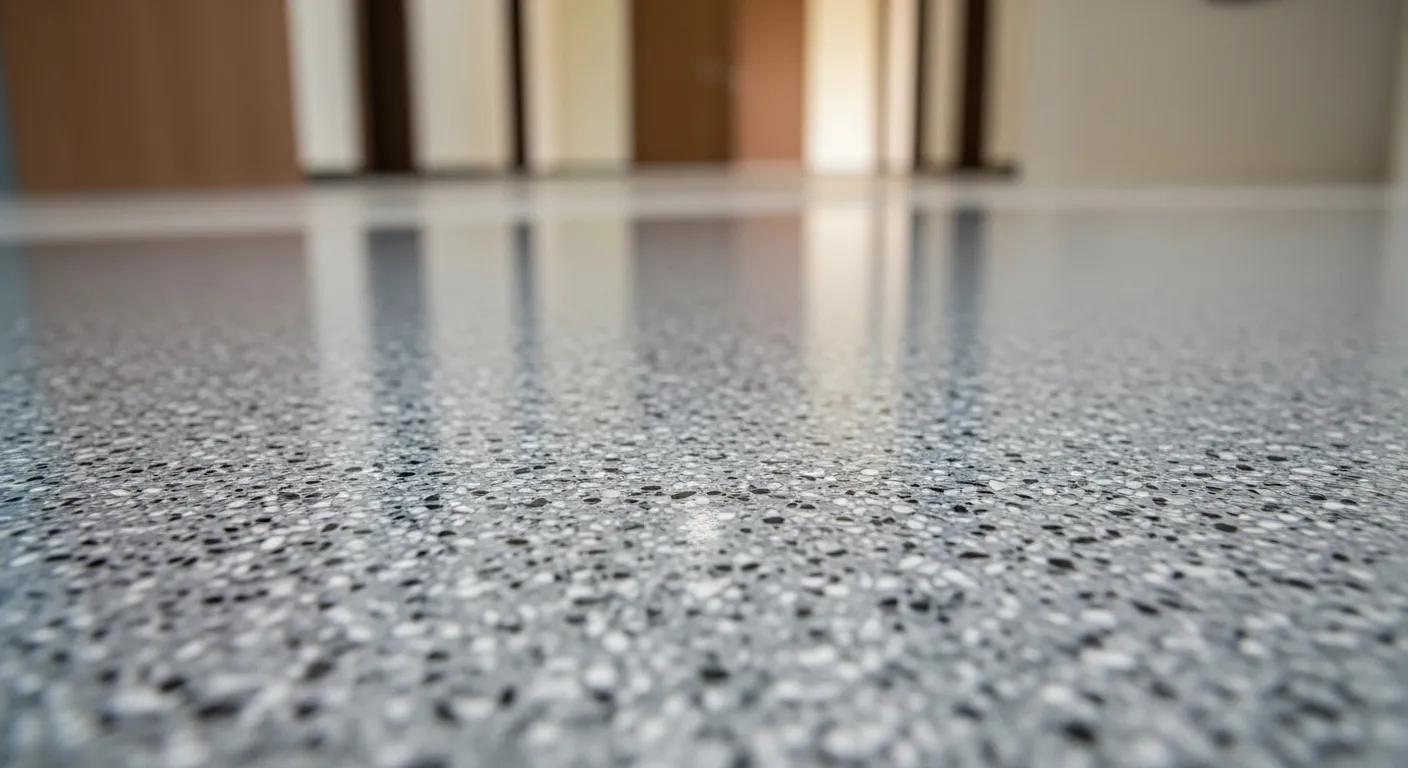
Polyurea and polyaspartic coatings are among the best solutions for floors. It is quite popular due to its durability and UV-resistant properties, that keeps the floor looking like new for years. If you are thinking about why to use polyurea and polyaspartic coatings, here are some of the reasons -
- It does not turn yellow and crack, even under intense sunlight.
- It cures within 24 hours, so you don’t have to wait long to use the garage again.
- The cost may be a bit higher, but the long-term value makes it worth every dollar spent.
Epoxy Coating
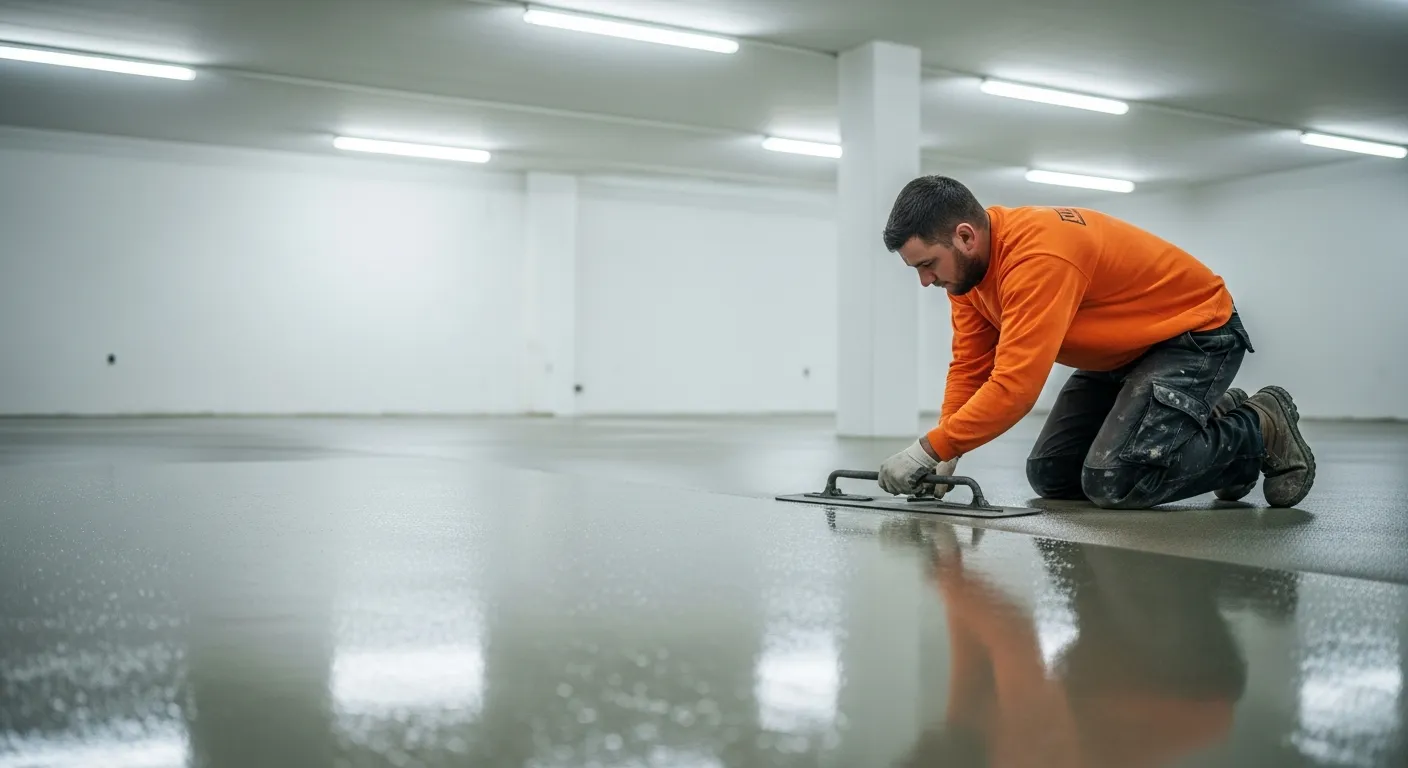
If you are looking for a premium coating at an affordable price, then consider epoxy floor coating for your garage. It is low-maintenance, easy to clean, durable, spill-resistant, and can handle the heavy vehicle load, in addition to other activities. The clean, polished look hides imperfections and flaws in your existing floor, and the best part is that the material is available in a variety of colors and finishes.
Though it is considered one of the best choices for affordability, it yellows over time due to sun exposure. Also, it lacks flexibility, which may cause it to crack if the concrete base shifts.
Concrete Floor Paint
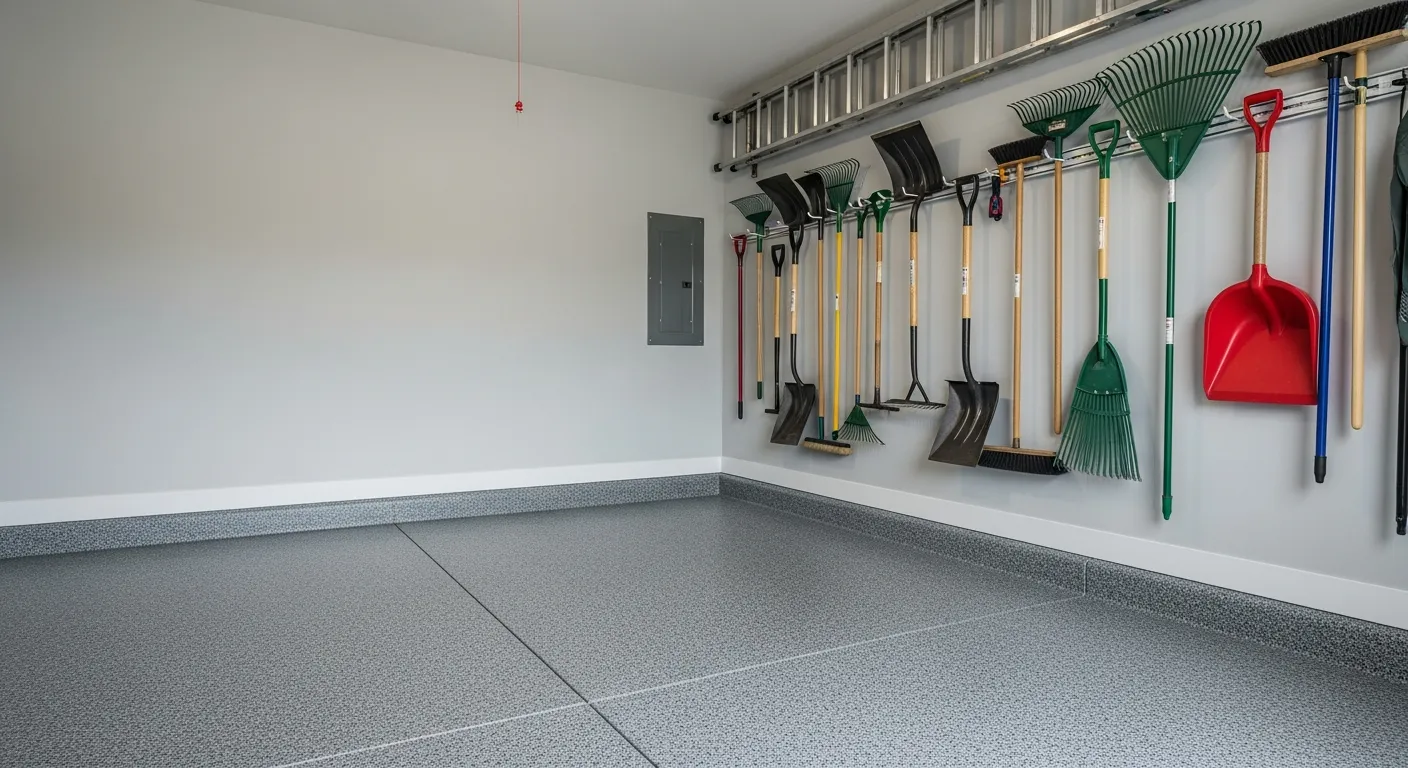
Painting is another economical yet practical choice for homeowners when renovating garage floors. If you are on a tight budget, this could be the best way to upgrade your garage floor. It is also great for DIY projects; you can find a variety of colors and experiment with textures to give the floor a new life.
However, the paint is good to consider only if you park small vehicles, and do not use the garage for heavy-duty purposes. So, if you have a huge truck or a car, or if the garage experiences a lot of foot traffic, you may have to reapply the paint to keep it looking new.
Garage Floor Tiles and Mats
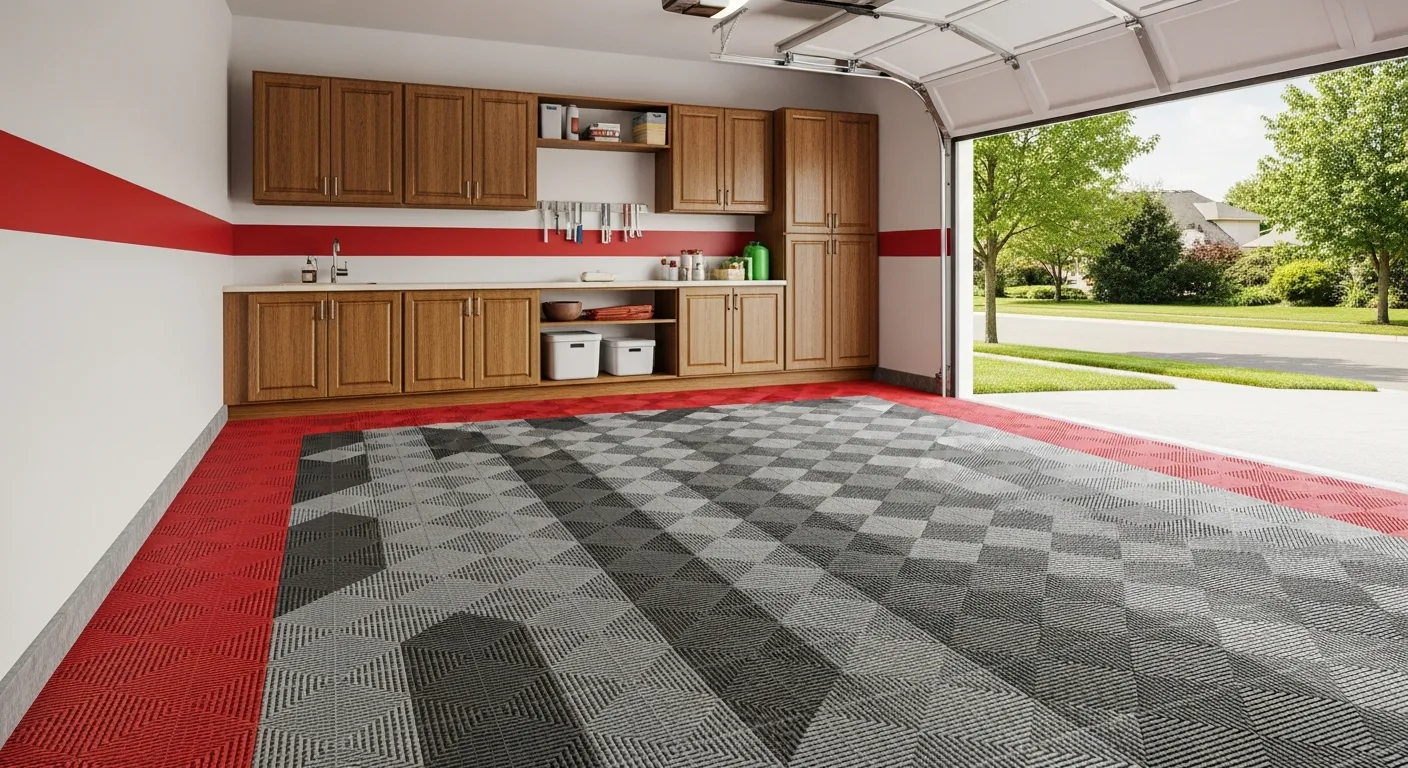
There are several rubber floor tiles and mats available for the garage floor. Though used as a temporary fix, they are easy to install and take off whenever required. Also, this is the best option if you are a tenant, so that you won’t have to look for a permanent option, and can still make the floor look appealing.
These mats are available in several patterns and designs, which can be customized as per your requirements. Rubber mats and tiles are also not suitable for garages with heavy-duty cars and trucks. Instead, you can opt for these if you use your garage for recreational activities, such as workshops or yoga.
Garage Rolls
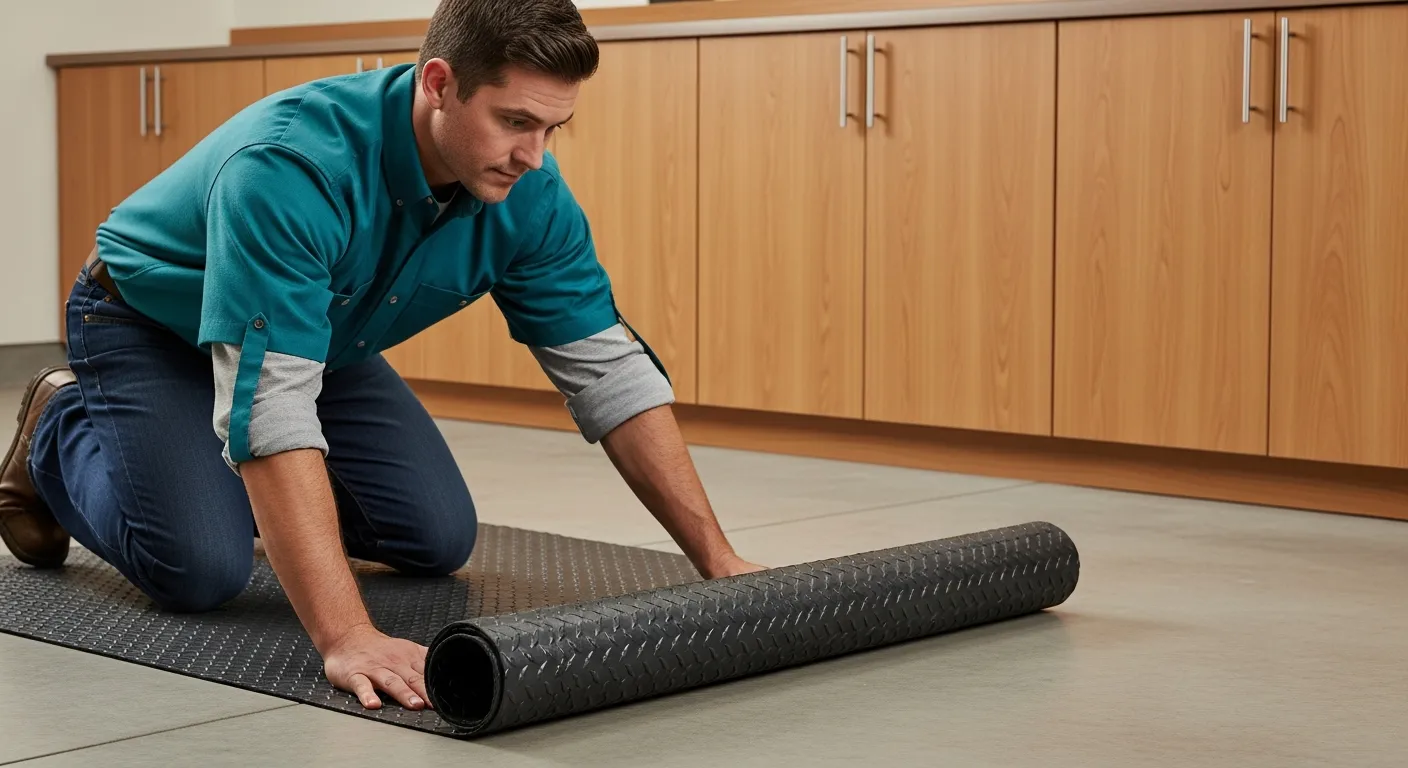
Garage rolls are the best way to cover a large area of the garage floor seamlessly. They protect the floor from stains and spills and can endure additional foot traffic. Thus, making them an easier, more durable, and more affordable option for your garage. The rolls are easy to install and require minimal maintenance, making them convenient for busy homeowners.
No matter if you use your garage for recreational activities, parking cars, trucks, or bikes, or as a workspace, garage rolls are versatile and can withstand daily wear and tear. Though these rolls are a temporary solution, they keep the floor looking clean, new, and organized.
Rubber Flooring
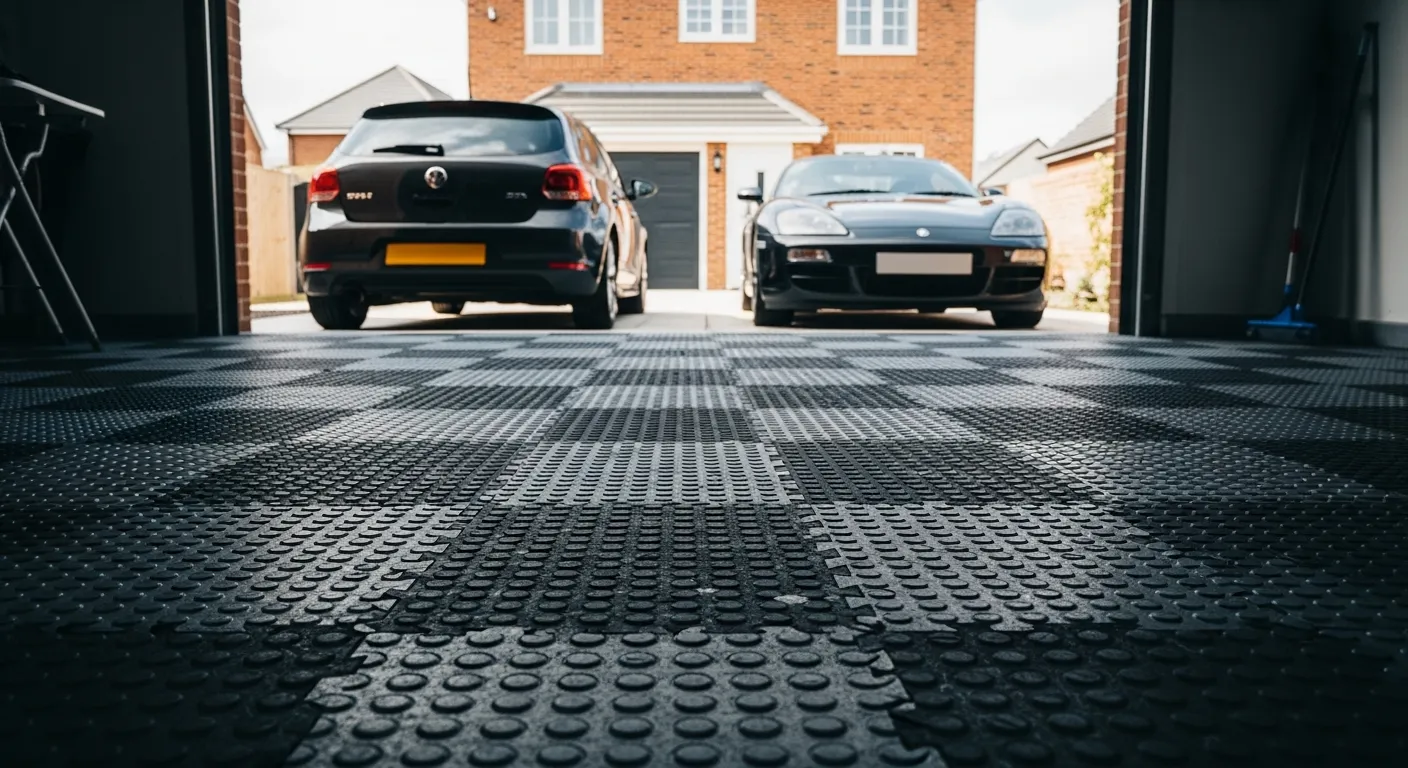
Rubber flooring is best for places that require comfort. For example, if you use your garage as a home gym, rubber flooring offers a cushioned surface for comfortability. It is quite versatile and can withstand spills and high traffic without damage. It also has insulating properties that make the indoor environment comfortable.
Urethane Sealer

Urethane sealer is also considered the best option that protects the garage floor. It gives the floor a glossy finish that brightens the space while resisting stains, chemicals, and abrasions. These coatings are easy to clean and maintain, which makes them perfect for busy garages.
Concrete Resurfacer
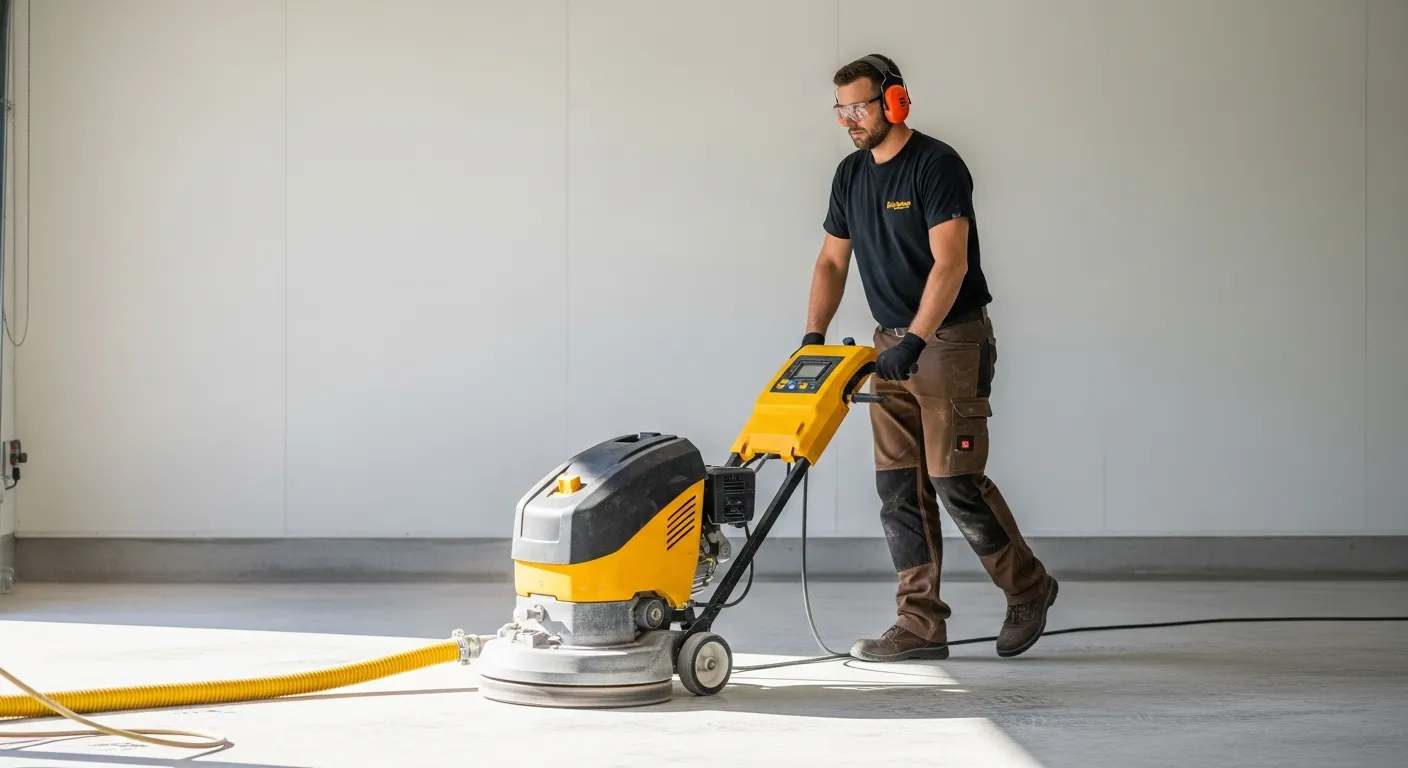
Concrete resurfacer can refresh the look of your garage floor without the worry of replacement. However, you must not DIY the resurfacing process, and consider calling a professional. This is because the process involves specialized equipment to create multiple colors and finishes, which increases costs.
High-Performance Floor Coverings
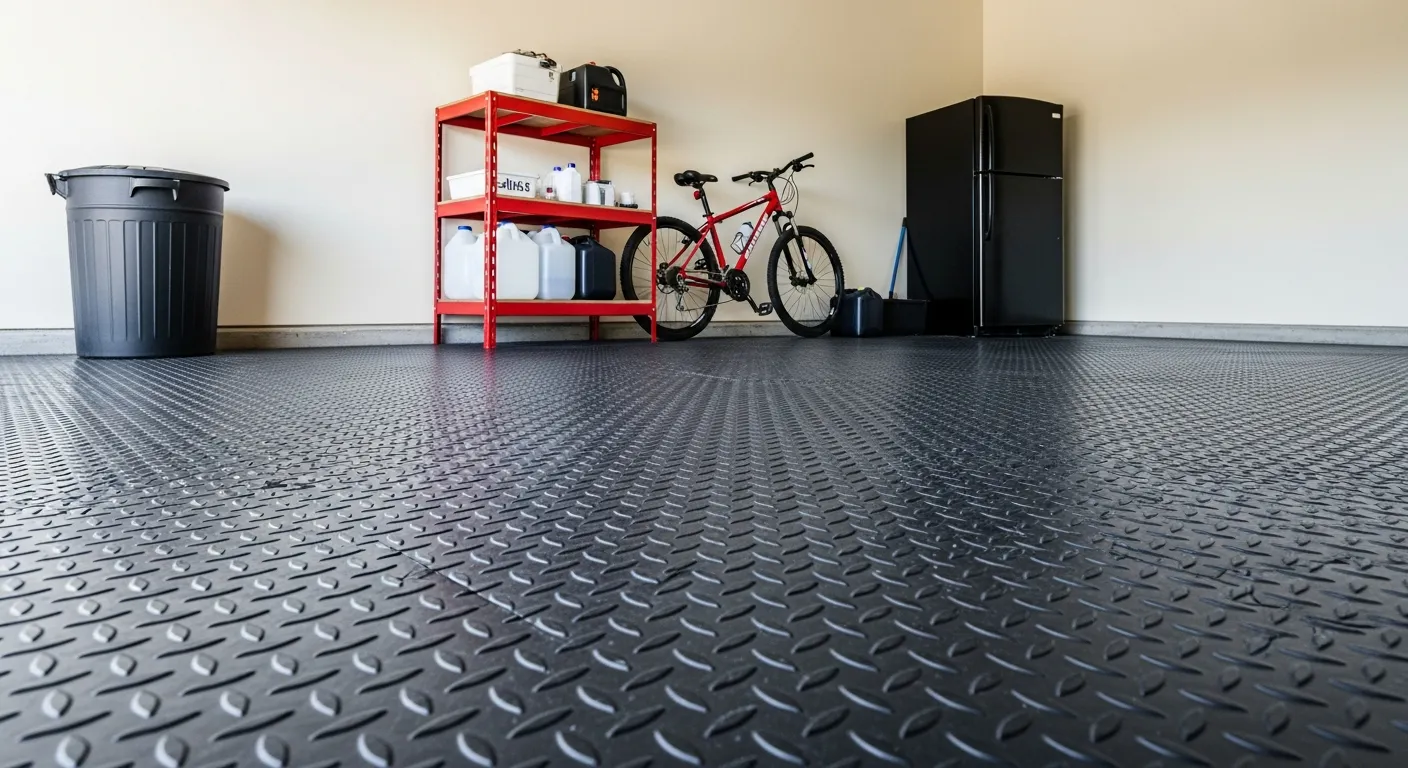
High-performance floor coverings include heavy-duty roll-out flooring, commercial-grade floor coverings, interlocking tiles, etc. These products are especially useful if you use or intend to use your garage as a workshop with heavy equipment. It is also considered best if you want specific properties, such as static dissipation, anti-fatigue, or extreme chemical resistance.
These coverings protect your floor from scratches and daily wear and tear. However, the cost of these materials is extremely high, and cannot be DIYed. Hence, it requires professional hands, which also demand investment. Additionally, since these systems cover the existing floor rather than permanently bonding to the concrete, any underlying moisture or surface issues may still need to be addressed.
How Much Does a Garage Floor Renovation Cost?
The highest cost to consider is coating and surface preparation. Here’s the breakdown of both the costs -
Coating Costs
The material you choose matters a lot, and costs may vary. For example -
- Epoxy coating may cost around $800-$1,200 per parking stall.
- Polyurea costs $2,160-$2,280 per parking stall.
- Paint is considered the most cost-effective option, though costs may vary depending on its type and finish.
- Mats and tiles may cost $4 to $8 per sq. ft., so if you have a 240 sq. ft. garage, the total could range from $960 to $1,920.
The cost of other coatings, such as rubber flooring and garage rolls, may vary depending on the material quality and the area to be covered.
Cost of Surface Preparation
Surface preparation is the key to a successful garage floor renovation. Without proper prep work, no matter how good the coating material is or how costly it is, it will start to peel off, and might not adhere to the surface. Good prep work ensures the floor coating stays put for years to come.
The average cost of surface preparation is between $240 - $1,200, depending on the size of the garage and preparation required. The process usually includes -
- Diamond grinding to smoothen the surface and remove any old coating.
- Repair and fill in the cracks and crevices to ensure proper application.
- Remove any coating that could interfere with the adhesion.
Additional Costs
There are always some extra costs involved in home renovation projects, and garage floor renovation is no exception. Some may prefer to coat the walls and steps (if any), while some may want to add decorative finishes, such as metallic designs, flake systems, etc. Also, to ensure longevity, some homeowners apply additional coating, which also costs them extra.
When calculating the cost, consider the garage size, floor condition, required customization, and the installation process.

