
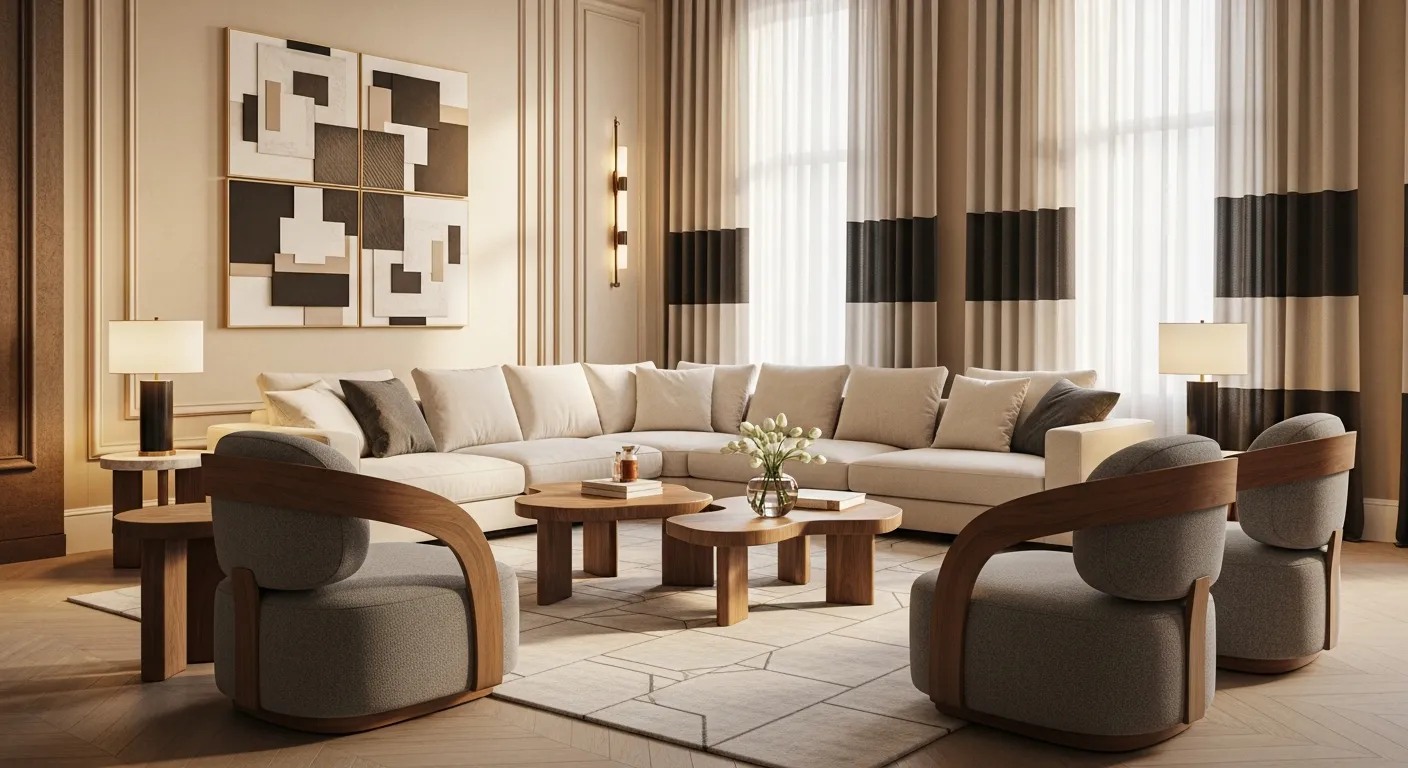
Choosing architectural finishes is more than just ticking a box on a design checklist. Every surface you pick helps set the scene, shaping both the look and feel of any room. Yes, finishes catch the eye, but they also work quietly in the background, changing how a space feels underfoot or to the touch.
The right materials can make a compact room seem much roomier or transform a dull corner into a bright, airy oasis. Surfaces that go on uninterrupted and soft colour palettes can trick the eye, making an area appear bigger than it really is. If you’re after extra daylight without extra electricity, reflective finishes bounce the light around and brighten things up with next to no effort.
Textures do their bit too. Smooth marble suggests classic elegance, while the deep glow of polished timber hints at warmth and indulgence. Even the temperature we perceive in a space can shift depending on the shade or finish; warmer hues and textures feel inviting, while cool, metallic elements add a crisp, modern touch. By understanding these effects, it’s possible to shape spaces that not only look good but feel just right for the people using them.
Role of Materiality in Architecture
Materials have a direct impact on how spacious or cosy a room feels, often before you’ve even noticed. Using light colours and surfaces that continue without breaks can trick the eye into thinking a space is bigger than it really is. Large tiles and smooth, uninterrupted finishes help rooms feel open and keep things looking tidy, while fussy details or too much contrast do the opposite—shrinking the space and making it feel closed in-.
Light and texture also pull a lot of weight here. Materials that bounce sunlight around can boost brightness and make the whole place feel fresher, even if the sun barely reaches inside. This matters most in spots where windows are few and far between. For an inviting mood, smooth finishes and gentle colour schemes let natural light do its best work, while natural textures such as timber or stone, especially with a matt finish, bring a calm, comforting energy. A few thoughtful choices can change a room completely, making it feel either like a snug hideaway or an open escape—whatever suits the story you want that space to tell.
Characteristics of Premium Materials
Premium materials in architectural finishes are picked for their mix of quality, strength, and style. Surfaces such as premium timber architectural finishes hold up beautifully over time, even if they get a lot of use or spend their days facing the sun, rain, or muddy shoes. That means they keep their good looks and stay practical—a big deal in places where floors or walls see a constant stream of feet or fingers.
Toughness is what truly sets these materials apart. They shrug off scuffs, cope with everyday knocks, and don’t fade or wear down quickly. Materials like natural stone, hardwood, or top-grade metals have a reputation for staying impressive year after year, saving you the hassle and cost of patching things up every few seasons.
Looks matter, too. Premium options often have unique colours and textures that add real character. Picture the swirling detail of marble or the honeyed warmth of finely finished timber. These touches can turn a simple wall or benchtop into the centrepiece of a room, raising the bar for the whole design.
It’s not just about what you see. The feel of these materials makes a difference, too—the cool polish of stone, or the grain under your palm as you run your hand along timber. Even the way light bounces off their surfaces can shift the whole mood of a space, making it feel either bright and cosy or cool and contemporary.
All these qualities work together to create spaces you want to spend time in—places that look expensive, feel inviting, and stay looking fresh with very little effort.
Impact of Architectural Finishes on Perception
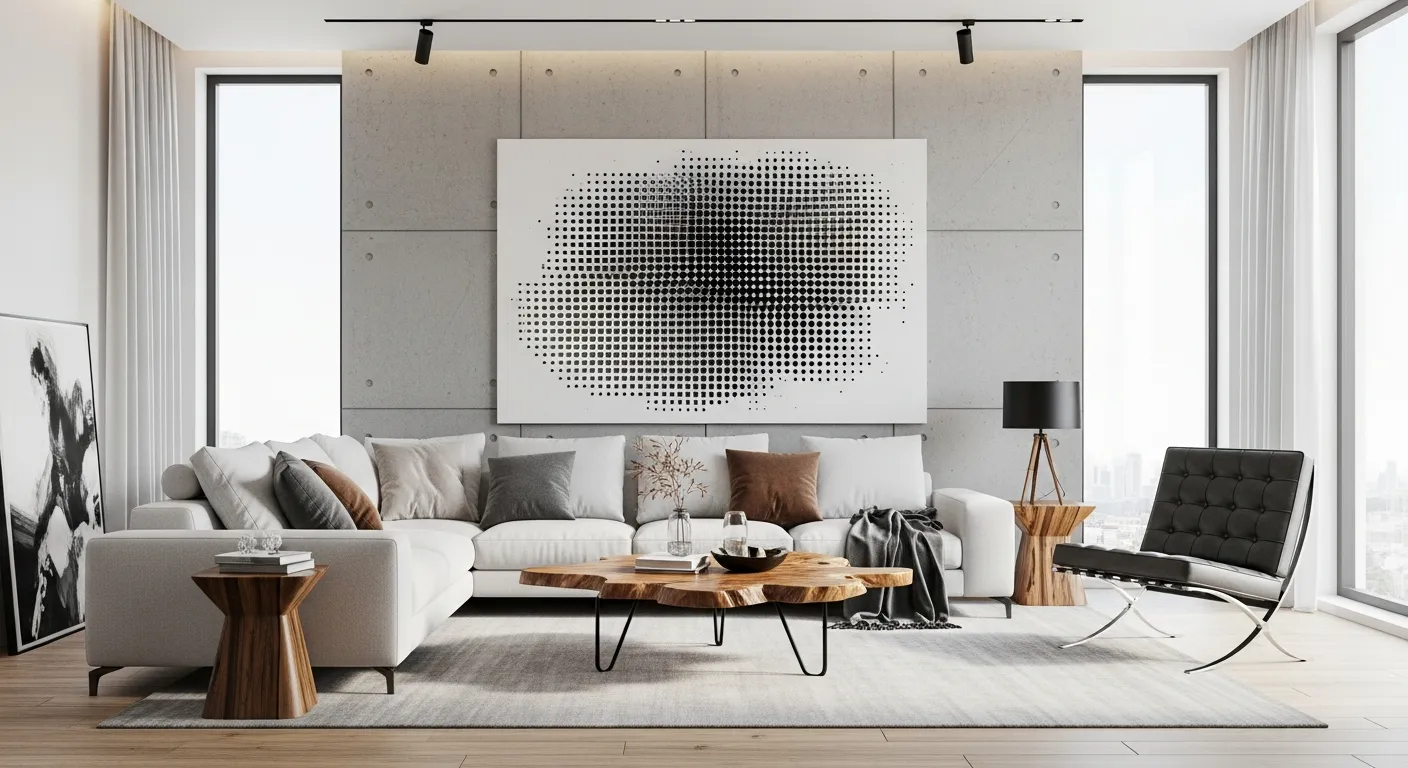
Architectural finishes can truly change how we see and feel about a space. They shape first impressions and even guide how light moves about, making rooms seem bigger or cosier without knocking through a single wall.
If you want a space to feel bright and airy, reflective materials are the designer’s best friend. Lighter colours, smooth stone, and shiny tiles do a great job of bouncing daylight around. This neat trick means you get that sense of openness and flow, even without splashing out on loads of extra lighting. Using larger tiles and surfaces without visible breaks keeps the eye moving, smoothing out boundaries and making rooms feel more generous than they might really be.
The way finishes are arranged can also change our sense of height and scale. Cladding that runs vertically pulls your gaze up, which can make even a modestly sized room feel taller. Smooth, continuous surfaces prevent the eye from getting caught on interruptions, adding a gentle lift to the space. On the flip side, if there’s a lot of busy texture or dramatic changes in colour, even the largest area can start to feel a bit cramped and overwhelming. Keeping things simple, with a balance of clean lines and subtle textures, helps everything feel calmer and more spacious.
So, every finish does more than just look nice; it helps set the mood and function of the space, making sure you feel at home whether the room is sweeping and modern or snug and intimate.
Integration of Indoor and Outdoor Spaces
Bringing the inside and outside together by using the same materials across both spaces is quickly becoming a favourite trick among architects and homeowners alike. When you run the same floor tiles from your kitchen out onto the patio, or match the wall finishes, it helps the whole place feel connected and a bit roomier—like your garden has popped in for a visit.
Choosing finishes such as similar decking, large tiles, or stone surfaces builds a continuous look that fools the eye into seeing one generous space rather than two separate ones. Light shades and uninterrupted surfaces push the effect further, letting natural light travel easily and making the boundaries almost disappear.
But it’s not all about looks. This way of designing allows for better airflow and more daylight indoors while supporting that modern, open-plan feel people love. Floating between your living room and terrace suddenly feels natural, rather than a shuffle across a threshold.
So, keeping your material choices consistent both inside and out is a clever way to make everything feel linked, comfortable, and wonderfully spacious—without knocking down any extra walls.
Choosing Finishes for Luxury Home Design
Choosing finishes in a luxury home isn’t just about picking the shiniest marble or the rarest timber. It’s about finding that sweet spot where style and comfort meet. When you go for premium choices like marble, granite, or high-quality woods, you instantly lift the feel of a space. These finishes don’t just look impressive; they’re tough enough to handle daily life and never go out of fashion.
It helps if everything speaks the same design language as the home. Modern homes come alive with crisp, high-gloss surfaces and just the right touch of metal, while traditional spaces really shine when you add carvings or natural timber finishes. Choosing finishes that match the building’s style keeps everything feeling connected, rather than looking like a patchwork.
Beyond looks, finishes can totally change the way a room behaves. Polished stone, for instance, loves to bounce sunlight around, chasing away dark corners and creating a gentle glow. Textured options, on the other hand, can make a room feel warm and inviting, tempting you to reach out and touch the walls or benchtops.
At its best, a well-chosen finish means your home is both beautiful and comfortable, with every surface working together for good looks and easy living.