Choosing blinds is easier when each window is treated as part of the room’s daily routine. A bedroom may need dependable darkness, while a kitchen window needs a surface that can be cleaned easily. Before replacing a worn treatment, consider whether window blinds repair could restore smooth operation, secure mounting, or reliable light control.
The best option is rarely based on appearance alone. Light, privacy, humidity, window size, safety, and how often a blind is adjusted should all guide the decision. A room-by-room plan helps create a consistent look without forcing every space to use the same material or style.
Start With Each Room’s Main Need
Begin by asking four questions at every window: How much light should enter? How much privacy is needed? Will the blind face steam, splashes, heat, or grease? How often will it be raised, tilted, or closed? Those answers narrow the choices quickly and prevent a decorative decision from becoming an everyday annoyance.
Choose Blinds for the Living Room
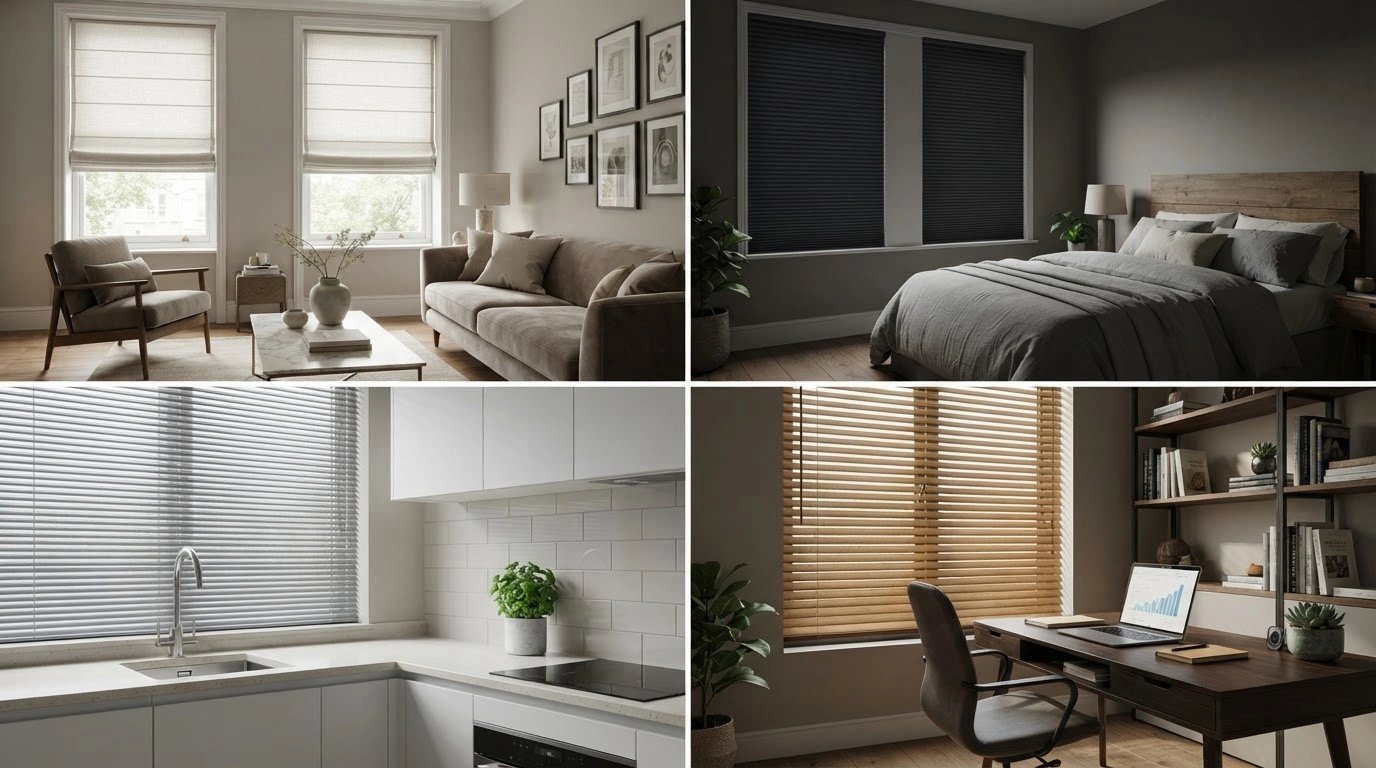
Living rooms usually benefit from flexible control. Adjustable slats can redirect sunlight, while light-filtering materials soften bright daytime light. West-facing windows deserve special attention because afternoon sun can create glare on televisions and seating areas. A light-filtering blind paired with a separate privacy layer can keep the room open during the day and more private after sunset.
When comparing styles and operating options, homeowners can review broad product categories at https://www.bloominblinds.com/ before deciding which features fit their rooms and windows.
Choose Blinds for Bedrooms
Bedrooms call for privacy, quiet operation, and light control that supports each sleeper’s preferences. Room-darkening and blackout materials can reduce incoming light, but edge gaps around the frame may still allow light into the room. For early sunrise exposure or nearby streetlights, prioritize a close fit and consider an outside mount when appropriate.
Helpful Bedroom Considerations
- Use room-darkening coverage when a dimmer space is the priority.
- Choose simple controls for guest rooms and children’s rooms.
- Check privacy at night with interior lights on.
- Favor smooth, quiet operation for windows adjusted before bed or in the morning.
Choose Blinds for Kitchens and Bathrooms
Kitchens and bathrooms require practical materials. Steam, humidity, splashes, and cooking residue can make delicate fabrics harder to maintain. Smooth, moisture-tolerant surfaces are often easier to wipe clean and less likely to hold odors. Keep controls clear of sinks, stovetops, cabinet doors, and appliances, and make sure the blind does not interfere with ventilation or window access.
Choose Blinds for a Home Office
In a home office, the goal is to reduce screen glare without turning the room into a dark workspace. Adjustable slats and light-filtering options can help diffuse direct sun while preserving daylight for video calls and routine tasks. Before choosing, observe the room in the morning, midday, and late afternoon. A window behind a desk may also benefit from controls that are easy to reach without moving furniture.
Plan for Large Windows and Sliding Doors
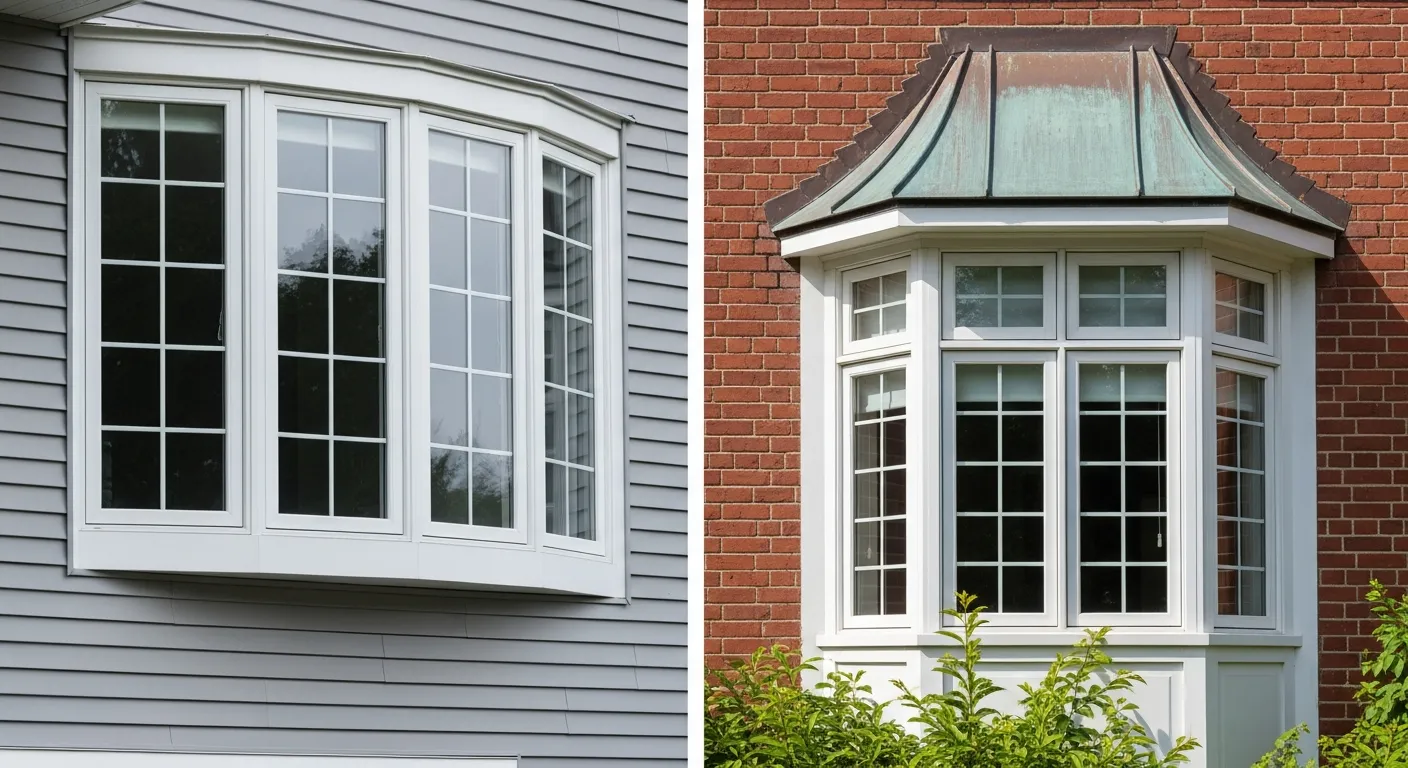
Wide windows, patio doors, and tall openings need coverings that operate smoothly and stay clear of handles and traffic paths. Measure the complete opening, then note trim depth, door swing, handles, locks, and nearby walls. Consider how frequently the door is used and whether the covering must fully clear the glass. Motorized controls can be useful for difficult-to-reach windows, while accessible smaller windows may work well with manual controls.
Balance Light and Privacy
Light filtering softens sunlight while keeping a room bright. Room-darkening materials reduce more light, and blackout options offer the strongest reduction when the fit is carefully planned. Adjustable slats add another layer of control by directing sunlight up, down, or away from a screen. Privacy also changes after dark, so evaluate the window from outside-facing areas when indoor lights are on.
Blinds can improve comfort near a window, but glass, frame construction, orientation, and air leakage also affect energy performance. The proper use of interior blinds can reduce unwanted solar heat gain while helping homeowners make use of daylight.
Make Safety Part of the Decision
Safety should come before style in homes where children or pets live or visit. Accessible cords and loops can create serious hazards. The Consumer Product Safety Commission recommends cordless window coverings as the safest option when young children are present. Inspect older blinds, keep cribs and climbable furniture away from cords, and follow all installation instructions for tension devices and anchors.
Compare Materials and Maintenance
Match the material to the environment rather than choosing by color alone. Moisture-tolerant vinyl or composite options can be practical in bathrooms and busy kitchens. Fabric materials may suit dry living areas where softness and texture matter more. For any material, consider dusting needs, direct sunlight exposure, weight on wide windows, and whether a repair would be practical if a component wears out.
Measure Before Ordering
- Measure width at the top, middle, and bottom of the opening.
- Measure height at the left, center, and right.
- Check frame depth, trim, handles, locks, and nearby walls.
- Decide whether an inside or outside mount best supports coverage and clearance.
- Follow the product’s measurement instructions, then double-check every number before ordering.
Final Thoughts
The right blinds support how each room is actually used. Start with light, privacy, moisture, cleaning, safety, window size, and daily operation, then choose a color and style that fits the home. This room-by-room approach can lead to more comfortable spaces and fewer replacement mistakes.