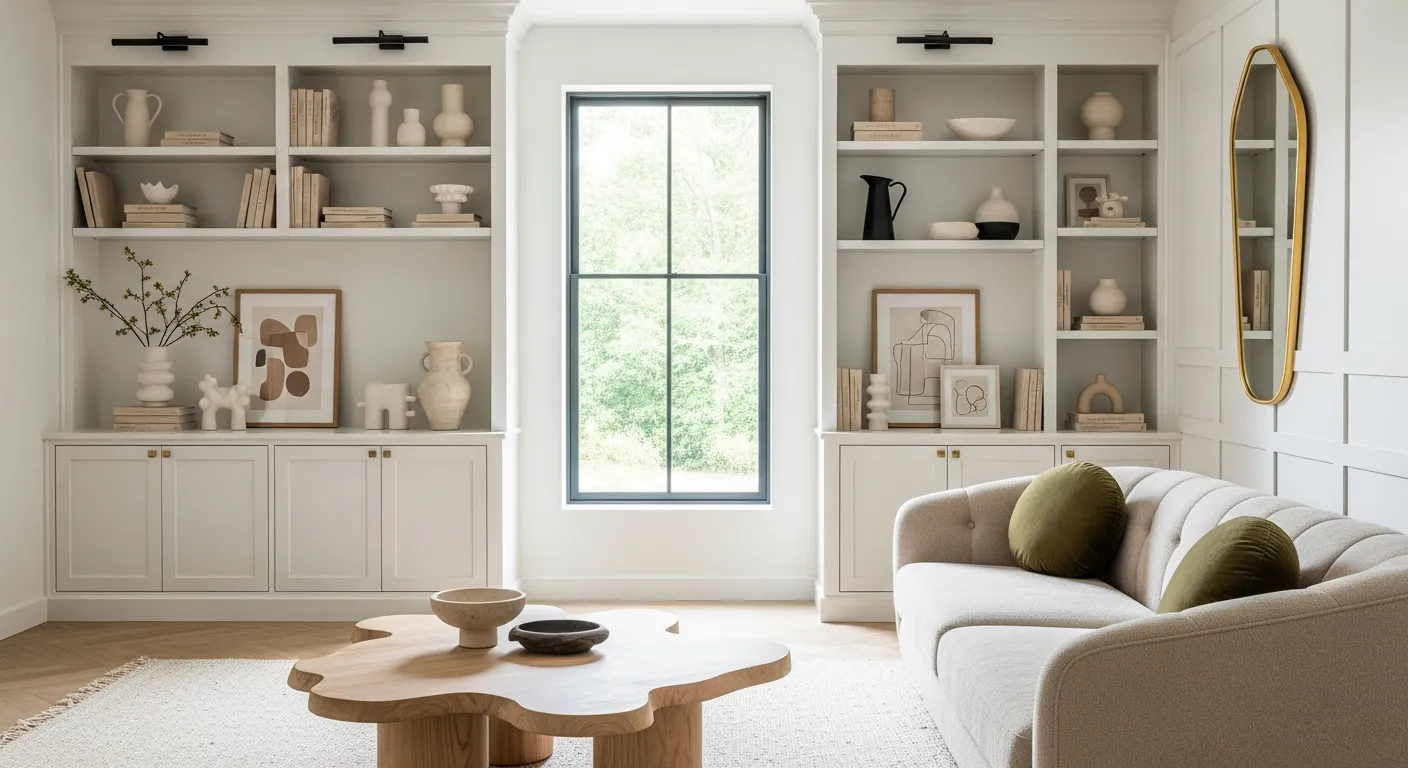
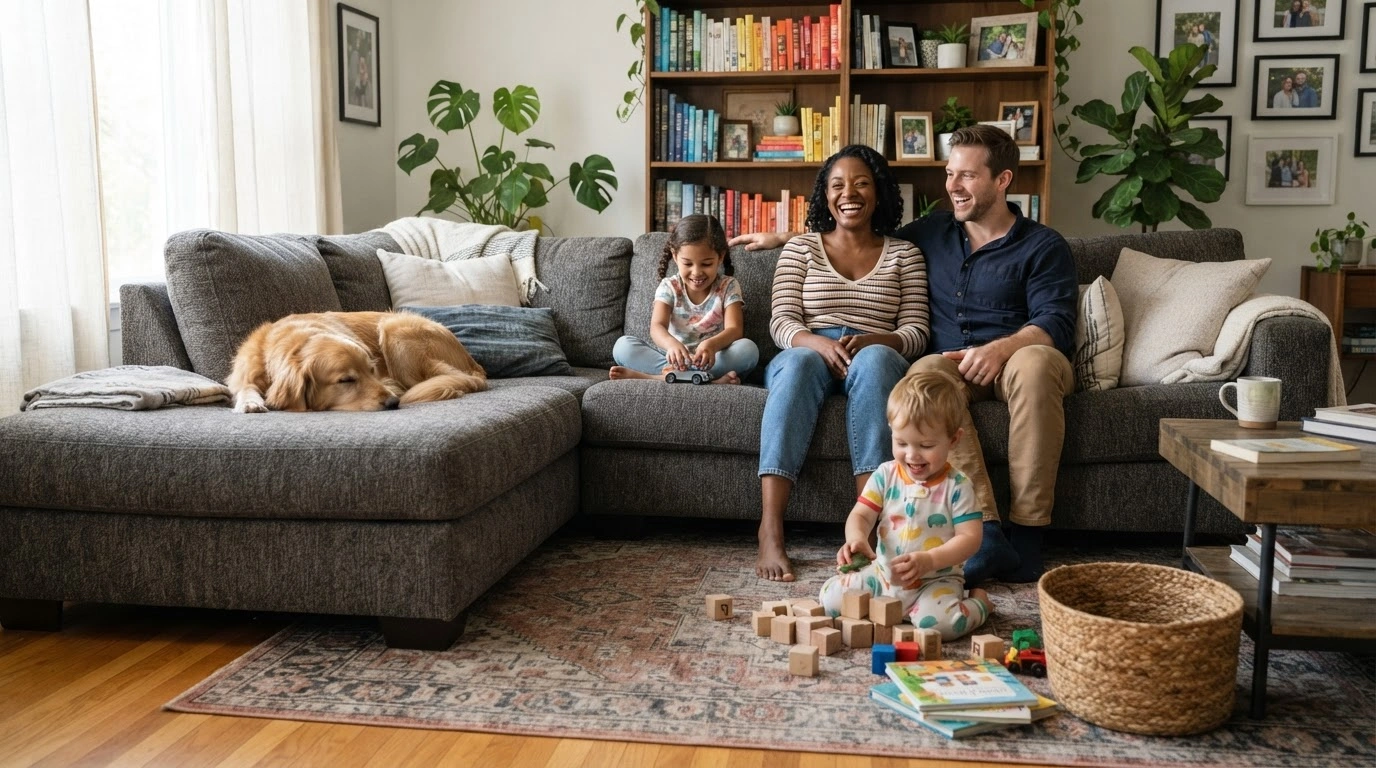
A sofa is one of the few pieces of furniture that gets used every single day. It is where the kids build forts, the dog naps when you are not looking, and everyone ends up on movie night. So when it is time to buy a new one, the frame and the shape matter, but the upholstery is what decides whether you still like it in five years.
The trouble is that most of us choose with our eyes in the showroom. A pale linen sofa looks lovely under good lighting. It looks very different after a year of juice boxes and muddy paws. Here is how to think through the choice based on how your home actually works.
Start With How You Really Use Your Sofa
Before you look at swatches, be honest about your daily routine. A few quick questions can narrow your options a lot:
- Who sits on it most? Adults who sit carefully, or kids who jump, climb and eat snacks?
- Do you have pets? And are they allowed on the furniture, or do they just sneak up when you leave?
- Where is it placed? A sofa in direct sun will fade and dry out faster than one in a shaded corner.
- How do you like to sit? Some people want a soft, cozy feel. Others like something smooth and cool.
- How much cleaning will you realistically do? Weekly vacuuming, or a quick wipe when something spills?
Your answers point you toward a material. For most households, the first big decision comes down to two options. If you are stuck at that stage, this leather vs. fabric sofa guide from La-Z-Boy Greater Vancouver lays out durability, cleaning, comfort and cost side by side, along with suggestions for different types of homes. It is a helpful read to have open while you shop.
Leather: Easy to Wipe, but Not Scratch-Proof
Leather has a reputation for being the practical choice, and in many ways it is. Spills tend to sit on the surface long enough for you to wipe them up. Crumbs do not get trapped in a weave. Pet hair does not cling the way it does on fabric, which is a big plus for people with allergies.
Good leather also ages well. It softens with use and develops a lived-in look that many people love. That said, leather has its own weak spots:
-
Scratches. Claws and sharp toys can leave marks.
-
Temperature. Leather can feel cool when you first sit down in winter and a bit sticky on bare legs in summer.
-
Sun and dryness. Direct sunlight and dry indoor air can fade or crack leather over time, so it needs occasional conditioning.
-
Price. Real leather usually costs more up front than most fabric options.
It also helps to know that not all leather is the same. Top-grain and full-grain leathers are generally more durable than bonded leather, which is made from scraps and can peel. Ask which type you are looking at.
Fabric: Comfort and Choice, With Some Care
Fabric is the more flexible option. You can find almost any colour, pattern or texture, from smooth cotton to chunky boucle to tight microfibre. Fabric also feels warm and soft from the first moment you sit down, and it usually costs less than leather.
The trade-off is maintenance. Fabric can absorb spills, hold onto odours and collect pet hair. How much of a problem this is depends on the type of fabric:
| Fabric type | Feel | Good for | Watch out for |
| Microfibre | Soft, smooth | Busy homes, pets | Can show water marks |
| Tightly woven synthetic | Firm, durable | Kids and heavy use | Some feel less natural |
| Cotton or linen blends | Breathable, relaxed | Adult households | Stains and wrinkles easily |
| Velvet | Plush, rich | Low-traffic rooms | Shows paw prints and crushing |
| Loose weaves and boucle | Textured, cozy | Decorative spaces | Claws snag the loops |
As a general rule, a tighter weave holds up better. If you can see gaps between the threads or the surface has loops, it is more likely to snag or trap dirt.
Removable, washable cushion covers are also worth asking about.
Kids and Pets: What Actually Holds Up
Families with young children and pets often assume they have to give up on style. You do not, but you do need to pick with a bit more care.
For kids, think about stains first. Darker or patterned fabrics hide small marks far better than solid light colours. Performance fabrics, which are treated or woven to resist liquids and stains, are designed for exactly this situation. Leather is also a good fit, since most messes can be wiped off before they set in. Whatever you pick, avoid delicate materials like silk or loose weaves that tiny hands can pull at.
For cats, scratching is the biggest concern. Cats tend to target textured fabrics and loose weaves because they feel good under their claws. Tight microfibre is often a safer bet, since there are no loops to catch. Leather can work too, but expect some scratches over time.
For dogs, hair and dirt are usually the main issues. Choose a fabric colour close to your dog's coat so hair is less visible between cleanings. Leather and microfibre are both easy to brush or vacuum. Large dogs can be tough on cushions, so a firmer seat may keep its shape longer.
A few habits help no matter what you pick:
- Keep a washable throw on the spot where the pet likes to sleep.
- Vacuum or wipe the sofa once a week, not just when it looks dirty.
- Deal with spills right away, blotting instead of rubbing.
- Check the manufacturer's cleaning code before using any cleaner.
Test It Before You Commit
Photos and swatches only tell you so much. If you can, visit a showroom and spend real time on the sofas you are considering. Sit the way you normally sit at home. Lean back, put your feet up, and if you usually nap on the sofa, lie down. Run your hand over the fabric and press a fingernail lightly into it to see how it reacts.
Ask to take swatches home. Look at them in your own lighting, in the morning and in the evening. Hold them next to your floors and walls, and see how pet hair settles on the surface.
It also helps to collect ideas before you shop. A site like Houzz has thousands of photos of real living rooms, and you can save ones where the sofa material and colour suit a home similar to yours. This gives you something concrete to bring to the store instead of a vague feeling.
Finally, ask about warranties and care instructions. Find out what is covered and for how long.
Making a Choice You Can Live With
There is no single right answer for every home. A couple without pets in a quiet apartment can enjoy a soft linen sofa with few worries. A family with two kids and a golden retriever will probably be happier with leather, microfibre or a performance fabric in a forgiving colour.
The best upholstery is the one that matches the way you live, not just the way the room looks in a magazine. Take the time to think about your daily routine, test a few options in person, and choose something you will be glad to sink into after a long day for many years to come.