
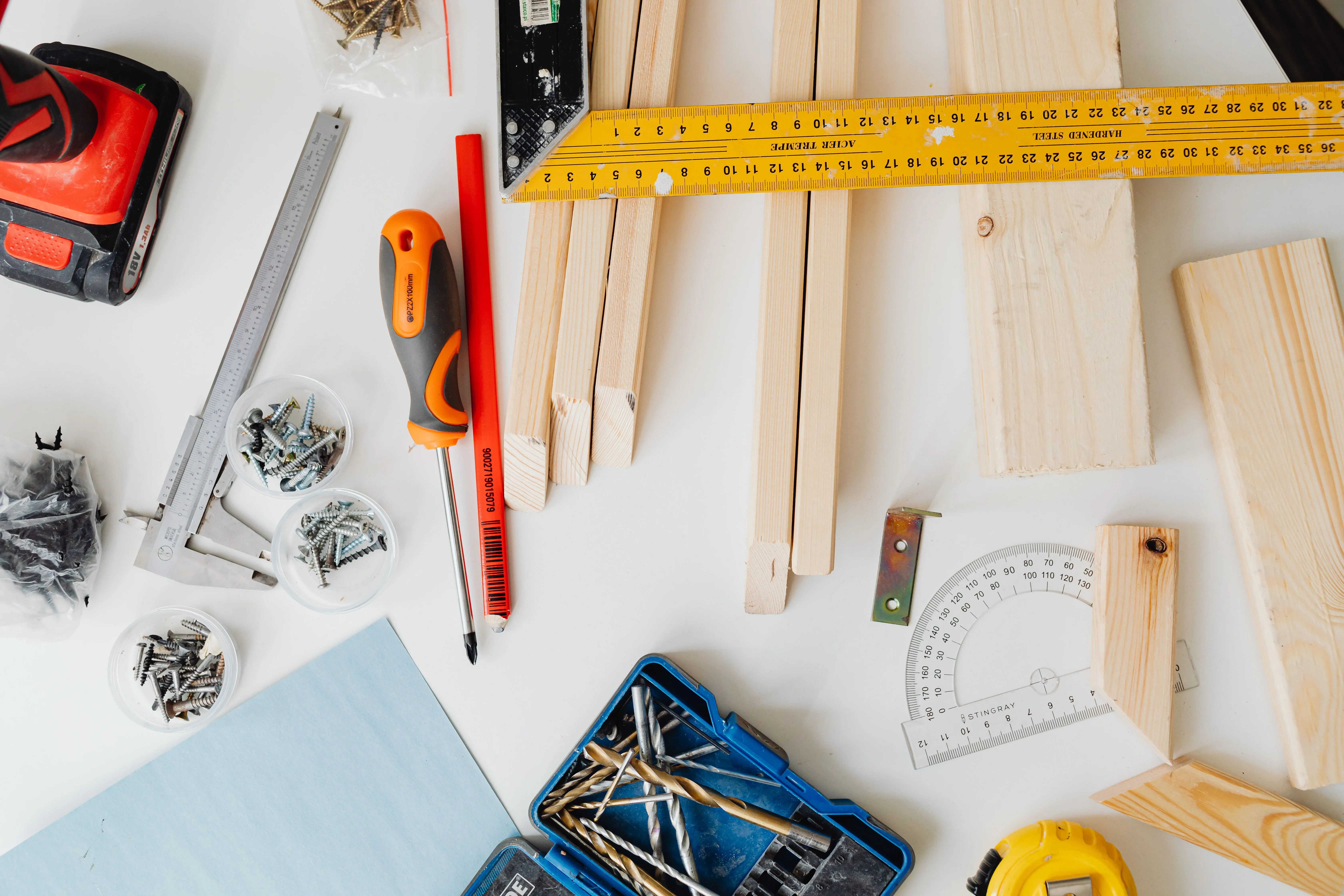
There is a distinct satisfaction in watching rough lumber transform into a smooth, custom piece of furniture. You spend hours measuring, cutting, and sanding every surface to perfection, aiming for that seamless, handcrafted look. Yet, all that careful craftsmanship can be undone in seconds by a single split board or a protruding screw head that refuses to sit flush.
When it comes to fine woodworking, the hardware you choose is just as critical as the timber itself. Cheap, poorly threaded hardware can strip out under pressure or snap mid-drive, leaving you with a frustrating extraction job and a damaged workpiece. Sourcing professional-grade wood screws ensures that your joints stay tight and your timber remains undamaged through years of daily use.
Understanding Thread Design and Timber Behavior
Wood is a living material that constantly reacts to indoor humidity and temperature changes, expanding and contracting across the grain. Because of this dynamic nature, standard machine screws or general-purpose hardware rarely perform well in timber projects, often losing their grip as the wood fibers shift.
Woodworking hardware requires sharp, deep threads designed to grip wood fibers cleanly without tearing them apart. Star Fasteners Plus engineers its fasteners to bite quickly into the material, reducing the torque required to drive them home and minimizing the risk of splitting delicate edges on fine hardwoods like oak, walnut, or maple.
The Mechanics of Joint Integrity and Pull-Out Resistance
When building heirloom-quality furniture, every joint must bear structural weight without compromising aesthetics. Standard hardware can suffer from micro-slippage over time, leading to loose table aprons, sagging bookshelves, and wobbly chair legs.
High-performance fasteners feature optimized thread pitches and specialized cutting notches that clear away wood debris as they drive. This ensures maximum surface contact between the metal thread and the surrounding timber matrix, creating a rock-solid mechanical bond that resists pulling forces even under heavy, repeated loads.
Key Factors for Clean Assembly
Achieving a professional, high-end finish requires more than just grabbing whatever hardware is lying around in the workshop. Taking a few extra seconds to match your components to the specific wood species will dramatically improve your final result:
- Pre-Drilling Matters: Always drill pilot holes, especially near board ends, to give the fastener a clear path, relieve internal stress, and prevent pressure cracks.
- Match the Shank: Ensure the screw features a smooth upper shank so the two pieces of wood pull tightly together rather than jacking apart during driving.
- Drive Heads Wisely: Flat heads allow for clean countersinking, leaving a smooth, flush surface ready for wood filler or grain-matched plugs if you want a completely hidden look.
- Select the Right Gauge: Balance the thickness of your lumber with the appropriate screw gauge to prevent splitting thin faces while maintaining maximum shear strength.
Overcoming Common Workshop Frustrations
Every woodworker knows the sinking feeling of a snapped screw head halfway into an expensive piece of exotic hardwood. This usually happens when driving cheap steel into dense grain without proper lubrication or adequate pilot holes. Upgrading to heat-treated, high-tensile hardware provides the torsional strength needed to drive smoothly through dense knots and dense timber without failure, saving you hours of corrective repair work.
Elevating Your Workshop Results
Every project teaches us something new about how timber behaves under stress. By paying closer attention to small hardware details—choosing the right gauge, length, and thread pitch—you elevate your work from a simple DIY hobby to genuine craftsmanship. Quality materials make the assembly process smoother and guarantee that the pieces you build today will stand strong for decades.