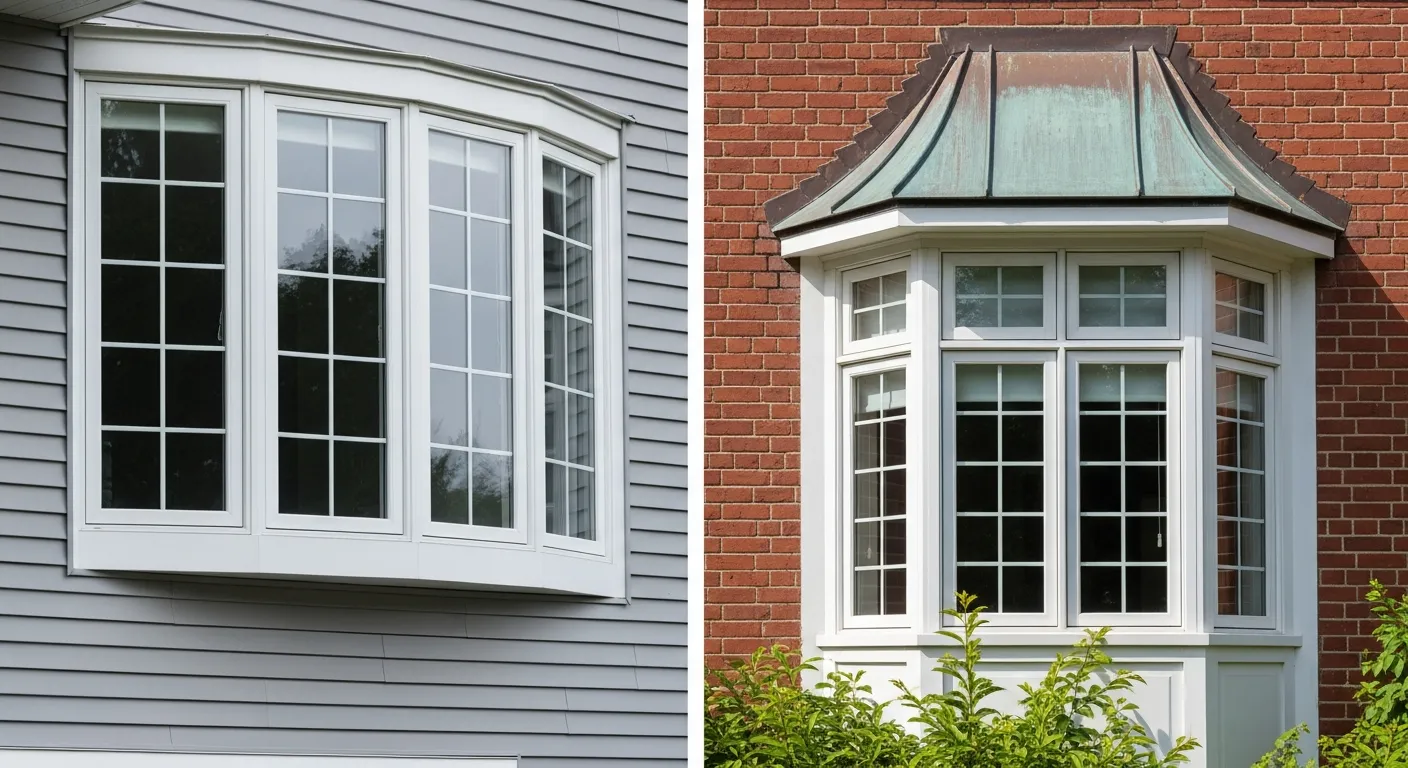

Choosing new windows isn’t usually where people expect to get stuck. The frame gets plenty of attention. White or black? Timber or uPVC? Modern or traditional? Then comes the glass...and suddenly there are terms like Low-E, laminated, toughened, tinted, double glazing.
It’s easy to assume they’re all pretty much the same. They’re not. The glass you choose can change how warm a room feels, how much outside noise gets in, how much privacy there is, and even how often the heating or air conditioning needs to work. So it’s worth spending a few minutes understanding the basics before making a decision.
First Things First...
There isn’t one “best” type of window glass. It depends on what the room needs. A bathroom has different priorities than a living room. A patio door has different requirements than a bedroom window overlooking the garden. That’s why modern homes often use a mix instead of installing the exact same glass everywhere.
Tempered Glass
This is the one that’s all about safety. Regular glass can break into long, sharp pieces. Tempered glass doesn’t. If it shatters, it breaks into lots of small blunt chunks instead, making serious injuries much less likely.
That’s why it’s commonly used in places like:
- Sliding patio doors
- French doors
- Shower screens
- Large windows close to the floor
- Homes with children or pets
In many situations, building regulations actually require this type of safety glass.
Double Glazing...And Why It’s So Common
If someone says they’re replacing their windows, chances are they’re talking about insulated glass units. That’s just the technical name. Most people simply call it double glazing.
Instead of one sheet of glass, there are two. Sometimes three. The gap between them traps air or gases like argon, which slows down heat moving through the window. The result? The house usually feels more comfortable throughout the year. Less heat escaping in winter. Less heat getting inside during summer.
Living Near A Busy Road?
This is where laminated glass starts making sense. Think about a car windscreen. It cracks. But it usually stays together. That’s laminated glass. There’s a strong plastic layer between two sheets of glass, so even if something hits it hard enough to break it, the pieces stay attached instead of falling everywhere.
People often choose it because of security...but the quieter home is usually the unexpected bonus. It helps soften outside sounds like:
- Passing traffic
- Neighbours mowing lawns
- School runs
- General street noise
It won’t make the house silent. But it can definitely make it calmer.
Low-E Glass Gets Recommended a Lot, Here’s Why
If you’ve collected a few quotes already, you’ve probably seen the words Low-E glass. Sounds complicated. It’s actually not. There’s an almost invisible coating on the glass that reflects a lot of the sun’s heat while still letting daylight inside. So rooms stay bright...without turning into greenhouses every sunny afternoon.
Another nice benefit? Furniture, wooden floors and curtains get a little more protection from UV rays, which helps reduce fading over time.
Frosted Glass Isn’t Just for Bathrooms
Bathrooms are the obvious choice. But they’re definitely not the only one. Anywhere that needs privacy without blocking natural light can benefit from frosted or patterned glass.
For example:
- Front entrance doors
- Staircase windows
- Utility rooms
- Home offices
- Side windows facing neighbours
Natural light still comes through. Curious neighbours don’t. Simple.
Does Tinted Glass Actually Work?
Short answer? Yes. But maybe not in the way some people expect. Tinted glass helps reduce glare and cuts down some of the heat coming through the window. That’s especially useful if a room gets direct afternoon sun every single day.
Think about spaces like:
- Home offices
- Conservatories
- Living rooms with huge windows
- TV rooms where glare is always a problem
The only downside is that darker glass naturally lets in a little less daylight. For some rooms that’s perfectly fine. Others might end up feeling darker than expected.
One Mistake That Catches People Out
A lot of homeowners assume every window in the house should use exactly the same glass. It sounds logical. It usually isn’t.
The best glazing for a patio door isn’t necessarily the best choice for a bathroom. The quietest glass isn’t always the most energy efficient. The darkest glass isn’t always the most comfortable to live with. Every room does a different job. The windows should too.
Before Making a Decision...
Choosing windows isn’t only about the glass. Installation matters just as much. Even high-performance glazing won’t deliver the results it should if the window isn’t measured or fitted properly.
That’s why it’s worth speaking with experienced installers before deciding. Companies such as Diamond Windows can explain the pros and cons of different glazing options based on the property itself instead of recommending the same solution for every home. Sometimes a quick conversation saves a lot of money and a lot of regret later.
Final Thoughts
There isn’t a perfect type of window glass. Only the right one for the space. Some homeowners care most about lower energy bills. Some seek more security, more privacy, or peaceful or quieter bedrooms. The good news is that modern glazing offers several choices without altering a home’s external appearance. Long after the installation is complete, it typically pays off to take a little more time to weigh the options available before placing an order for new windows.