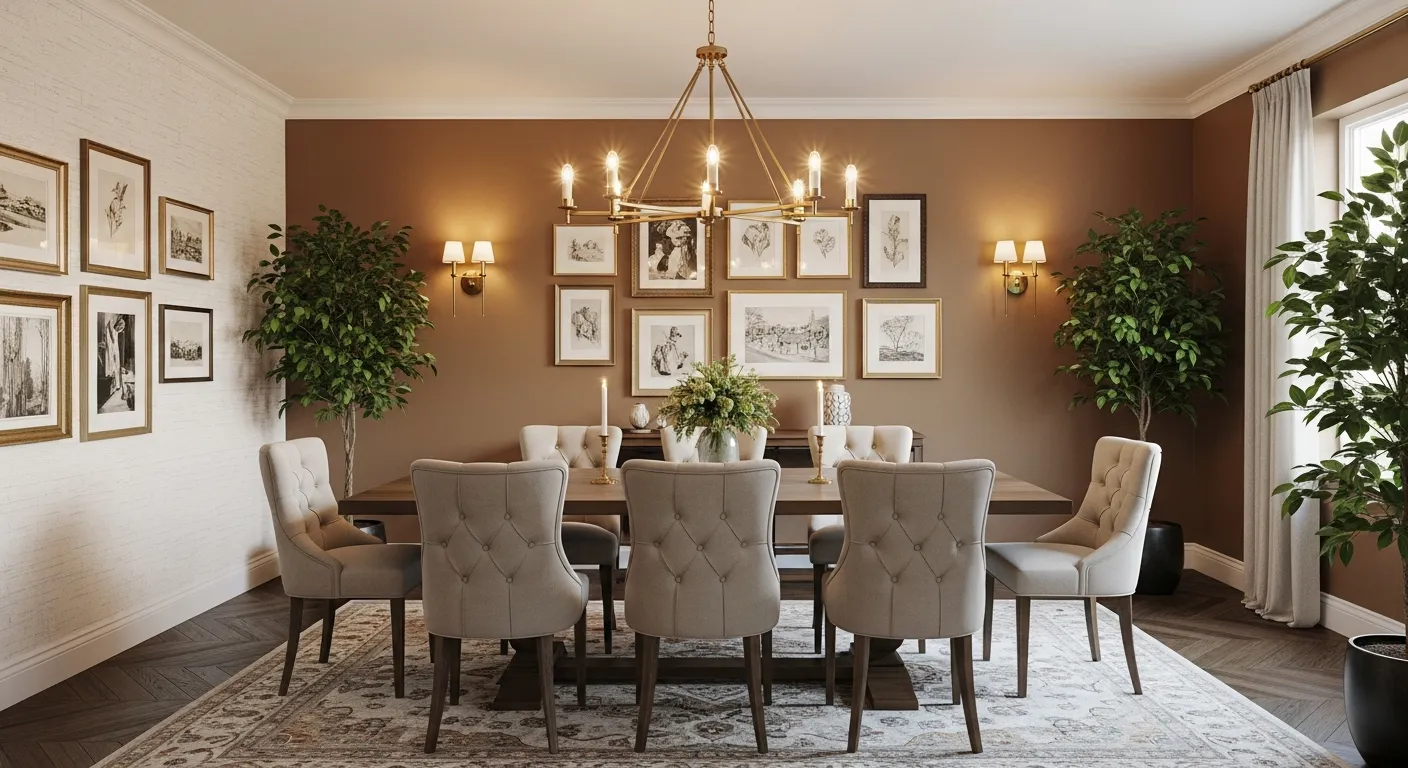
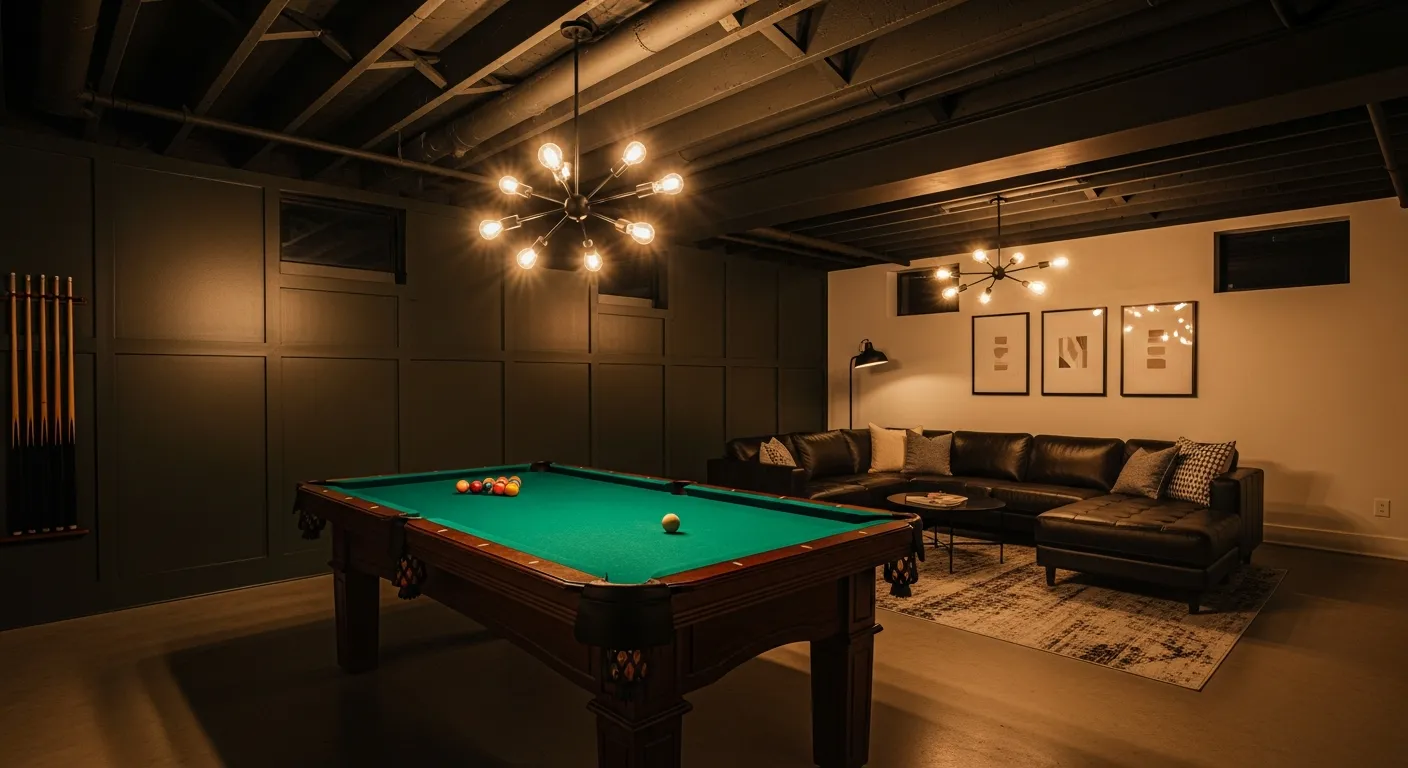
Basements are versatile spaces that can be used as living spaces, gaming zones, or transformed into any desired space. No matter what the basement is used for, the ceiling color should be selected after considering certain factors discussed in the blog. This is because the basement has limited natural light and ceilings are also lower; hence, color has a huge impact on the space. This blog covers different colors, factors that affect color choice, and many other aspects.
Factors to Consider When Selecting the Ceiling Color for the Basement
The basement ceiling color affects the space's aesthetic and functional elements, such as size and height. Here are the factors to consider while choosing the ceiling color.
Personal Preference and Functional Aspect - Personal taste should be kept as a top priority because the color should appeal to you and blend well with the design of the home as well. The other aspect is functionality. Color should be durable and low-maintenance, depending on the space's use.
Amount of Light Received in the Basement and the Use of the Room - The basement receives limited natural light; choosing the right basement ceiling color is crucial. To make the room look brighter and more spacious, choose light colors that reflect artificial light, and opt for a darker ceiling for a better viewing experience if you want to use the basement as a media room.
Height of the Ceiling and Size of the Basement - The choice of basement ceiling color hugely impacts the height and size of the basement ceiling. Choose a light color to make the ceiling appear higher, while a dark color makes it look compact.
Compatibility With the Existing Color Scheme - No matter what color you choose, it should perfectly blend with the existing color palette of the walls, floors, and furnishings.
Various Color Combinations for the Basement Ceiling
There are multiple color options for the basement ceiling. Here are the best paired color combinations:
Classic Black and Charcoal

Black or charcoal adds a pop of sophistication and drama to the basement. It is considered best for the basement, especially when you have made it a movie room or an entertainment space. Black also helps hide imperfections, especially in the ceiling, in older homes.
Simple White Color
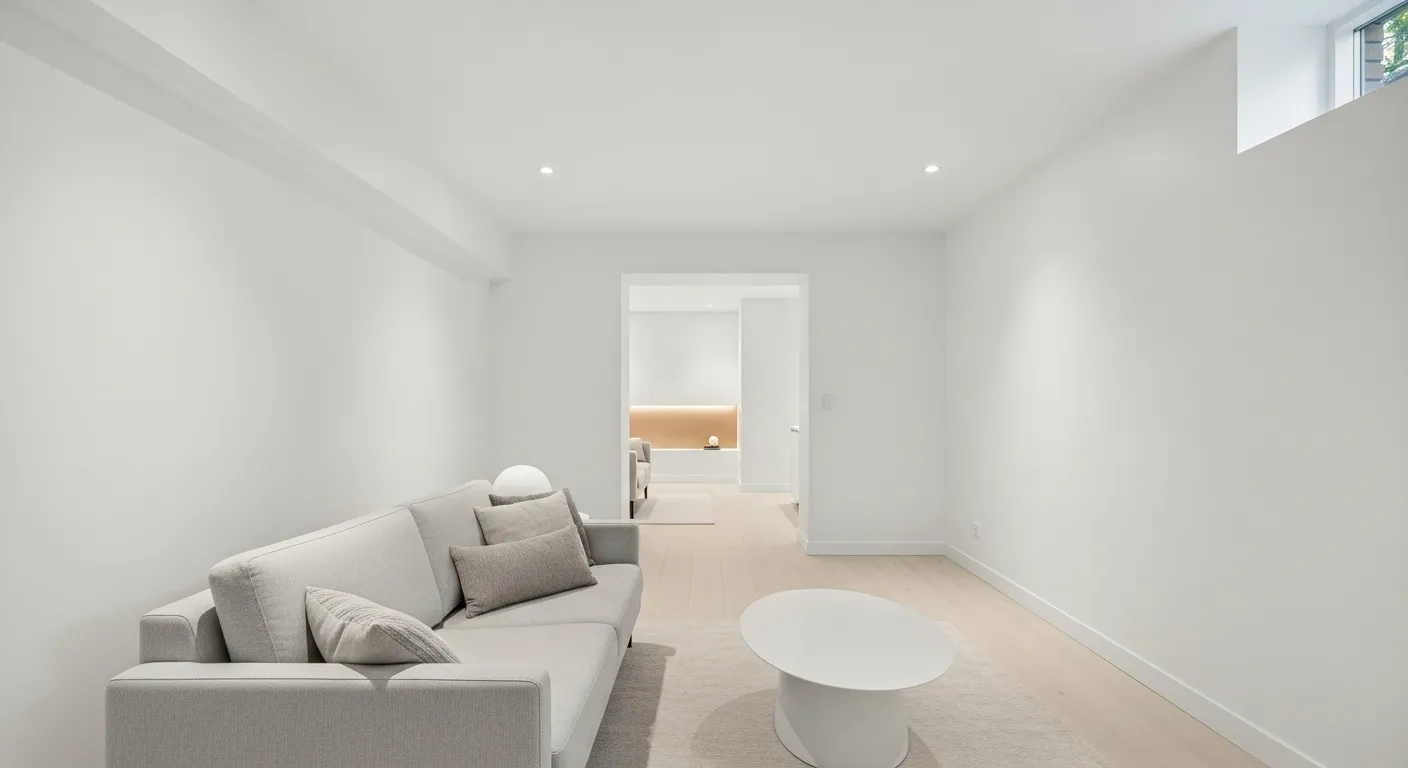
If the basement is small or has low ceilings, white is best for a bright, open feel. It opens up the space and makes it look like an extension of the home. The best thing about white is that it matches well with any wall color or furniture design. White ceilings pair beautifully with different wood trim colors, creating a balanced and timeless look that complements both traditional and modern interiors.
Gray
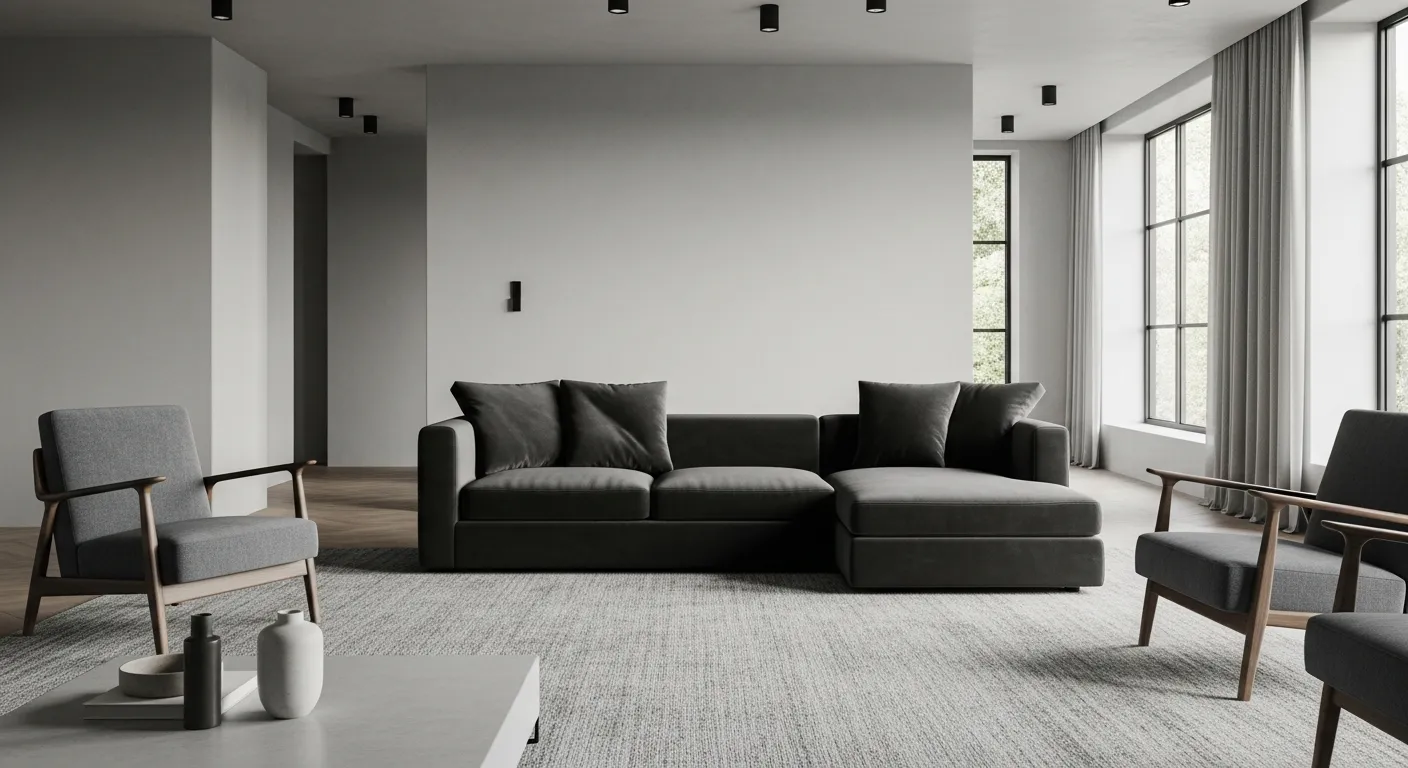
Gray can be used in the living room, home office, or lounge to create a calm ambiance. It is actually a perfect modern substitute for white because, just like white, it is compatible with various interior designs and creates a soft contrast with walls. The dark tone of gray adds warmth, and light gray visually opens up the space.
Bold Navy Blue
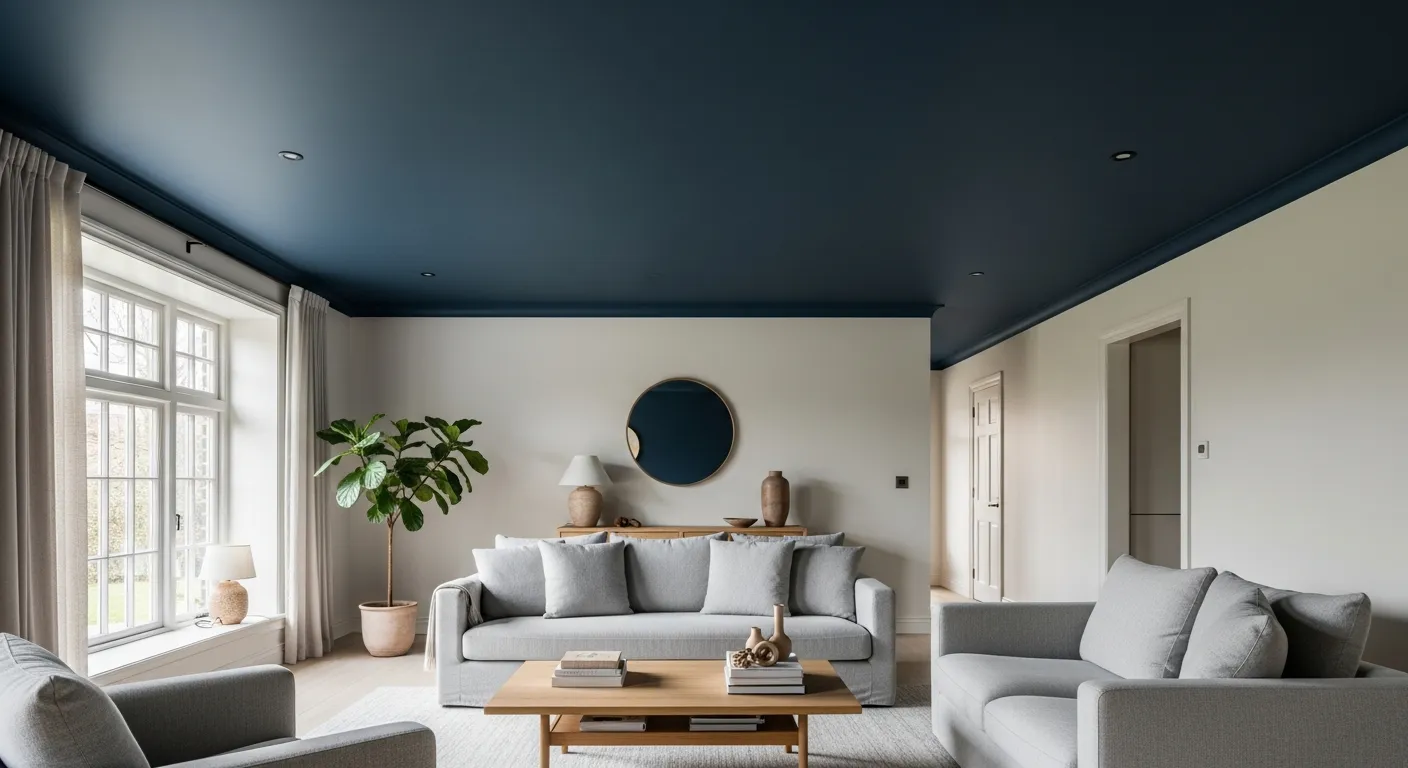
Navy blue is known to create a peaceful environment while adding a rich look to the room. The navy blue ceiling brightens the space without overwhelming it. It is compatible with many wall colors and home furnishings.
A Warm Beige
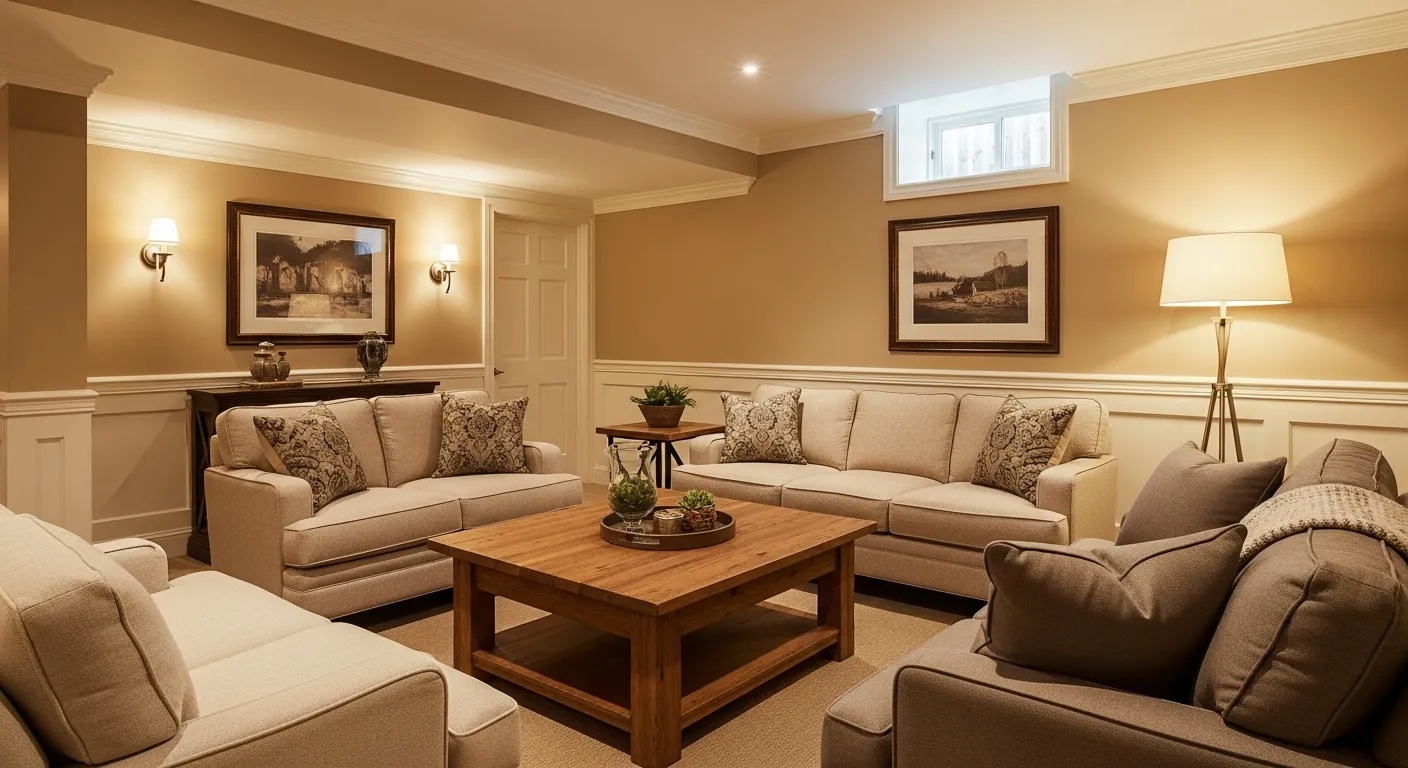
If you want to create a traditional look in the basement, beige is the best choice. It creates a warm, welcoming, and neutral vibe to the basement that blends with most of the basement settings.
Pastel Colors (Sky Blue, Soft Green, or Pale Yellow)
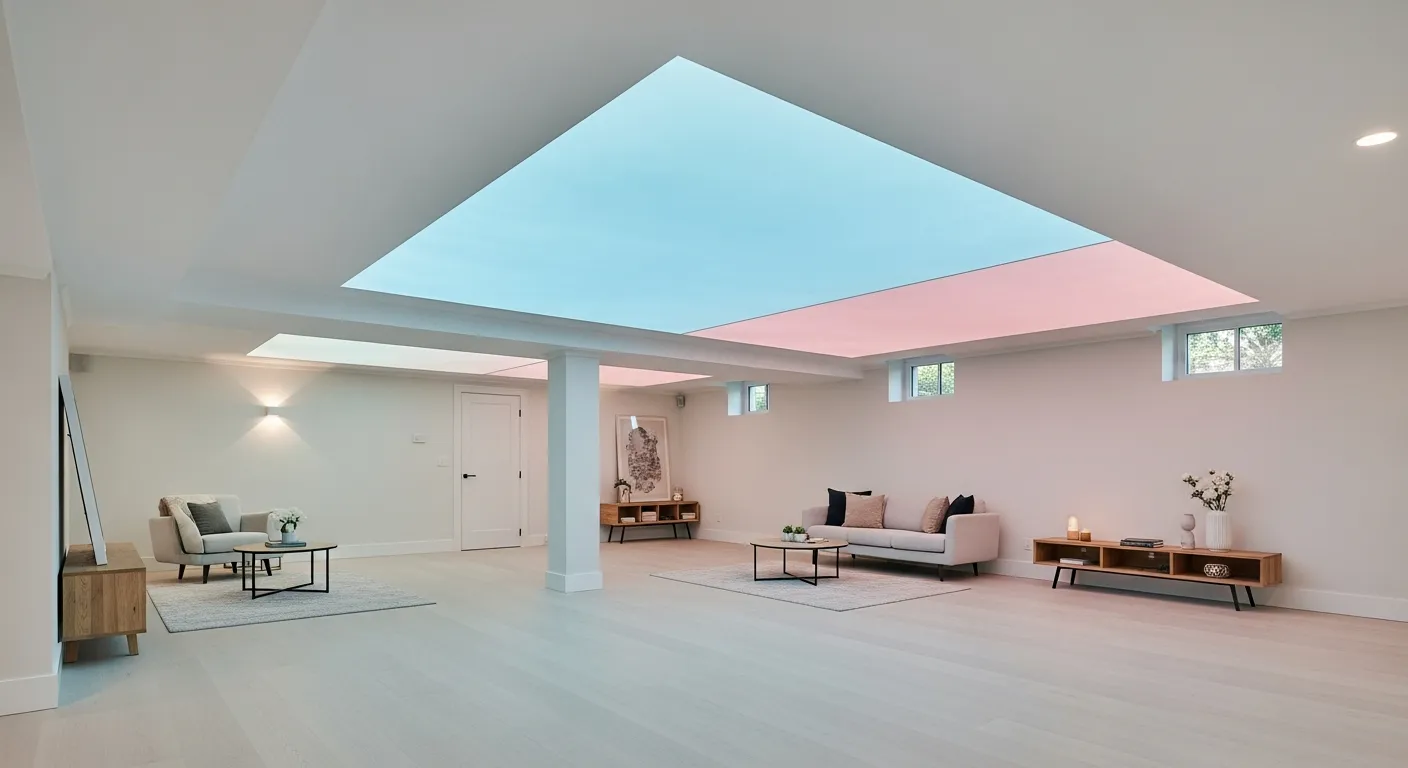
Pastel ceilings are the best way to bring in freshness and a lively atmosphere. The soft touch of pastels transforms the basement into a relaxing space and makes it look spacious, too.
Metallic Ceiling Color

Metallic colors like silver or bronze add an element of luxury and sophistication to any space with ease. When it comes to the basement, metallic colors can upgrade the space and transform it into a chic space. Silver reflects light, while bronze adds a pop of elegance to the space.
Wood-toned Color
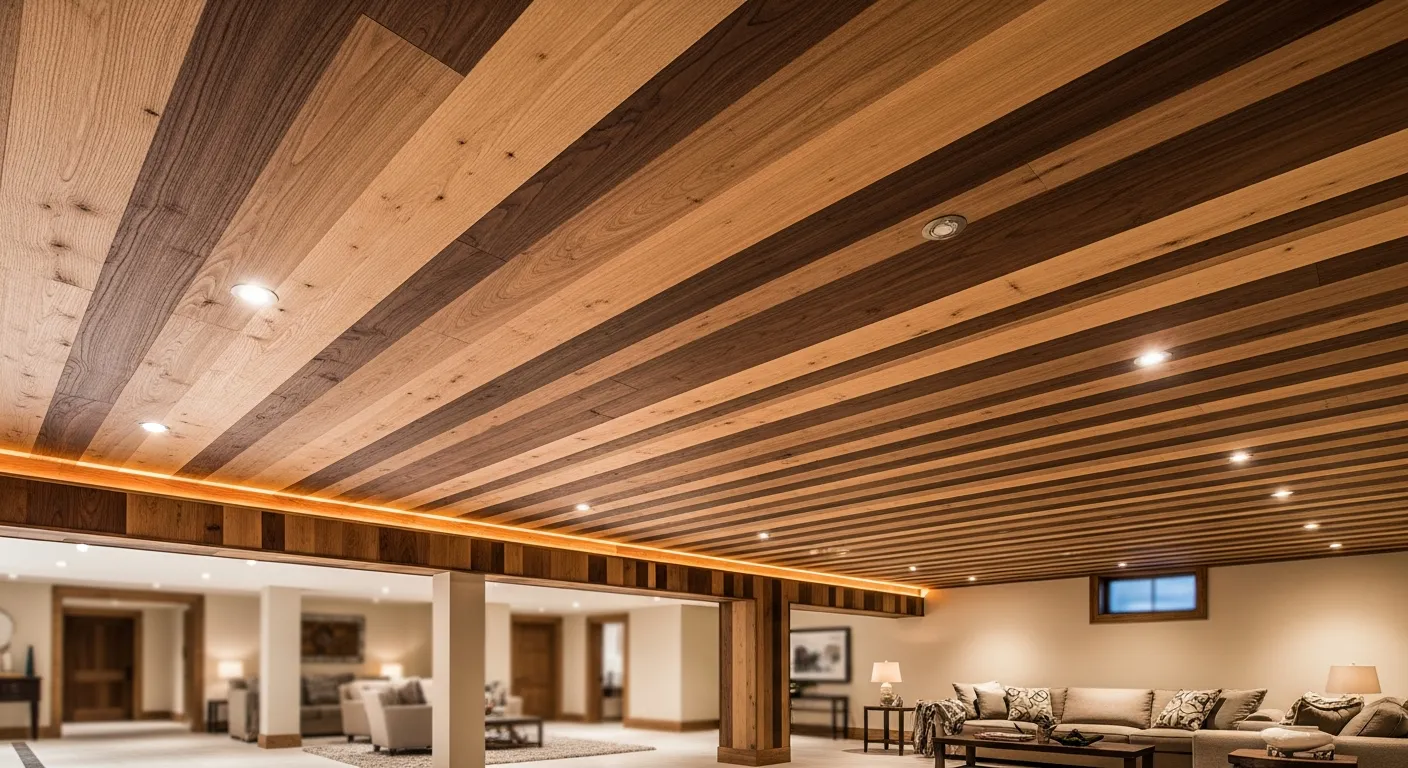
If you prefer natural elements, nothing can beat wood-toned color for basement ceilings. It adds texture, character, and warmth to the space, making it feel like a cozy zone. You can opt for light oak, deep walnut, or natural wood tones.
Sage Green
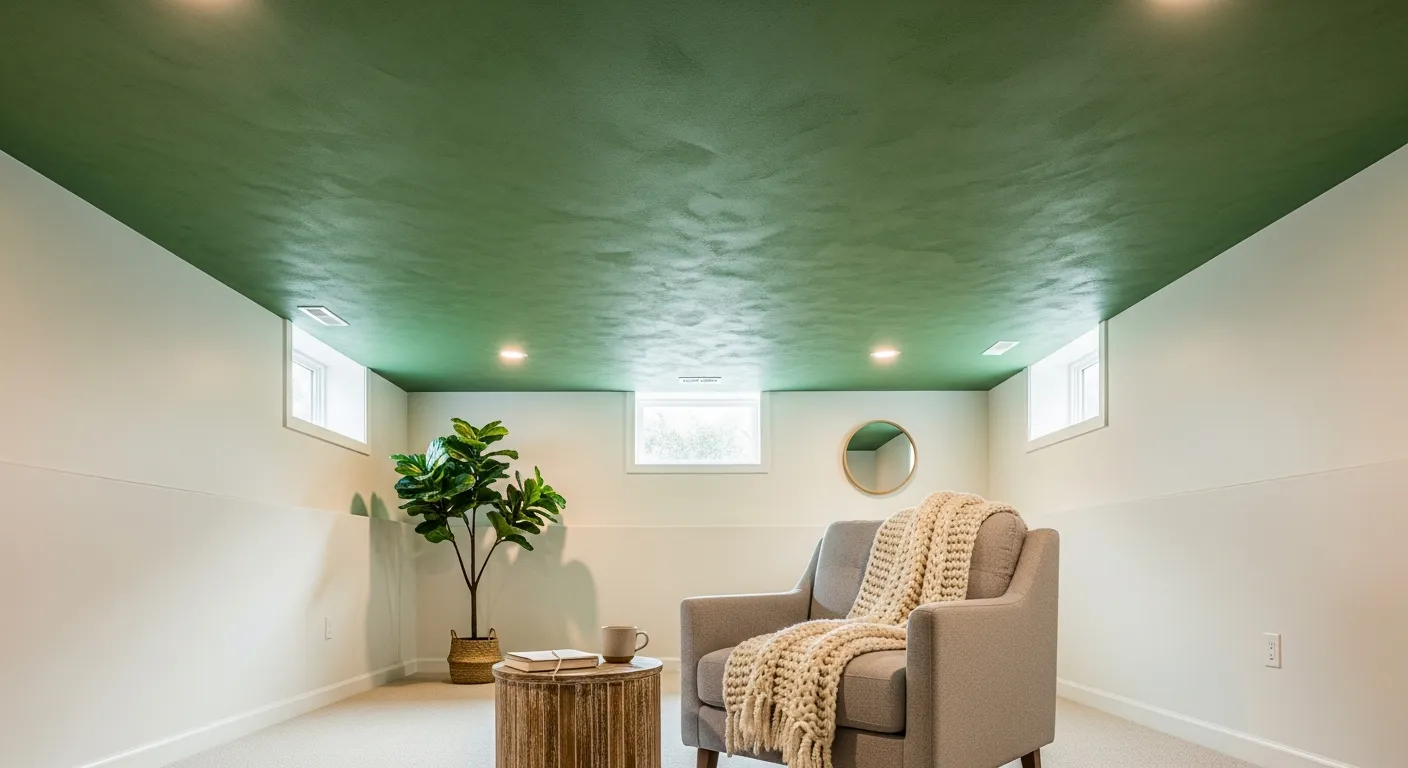
Any shade of green is relatable to the nature that surrounds us. Therefore, if you have created a meditation room or a reading corner in the basement, green is one of the best colors for creating a soothing atmosphere. A green ceiling evokes a sense of relaxation and serenity.
Rich Dark Brown Color
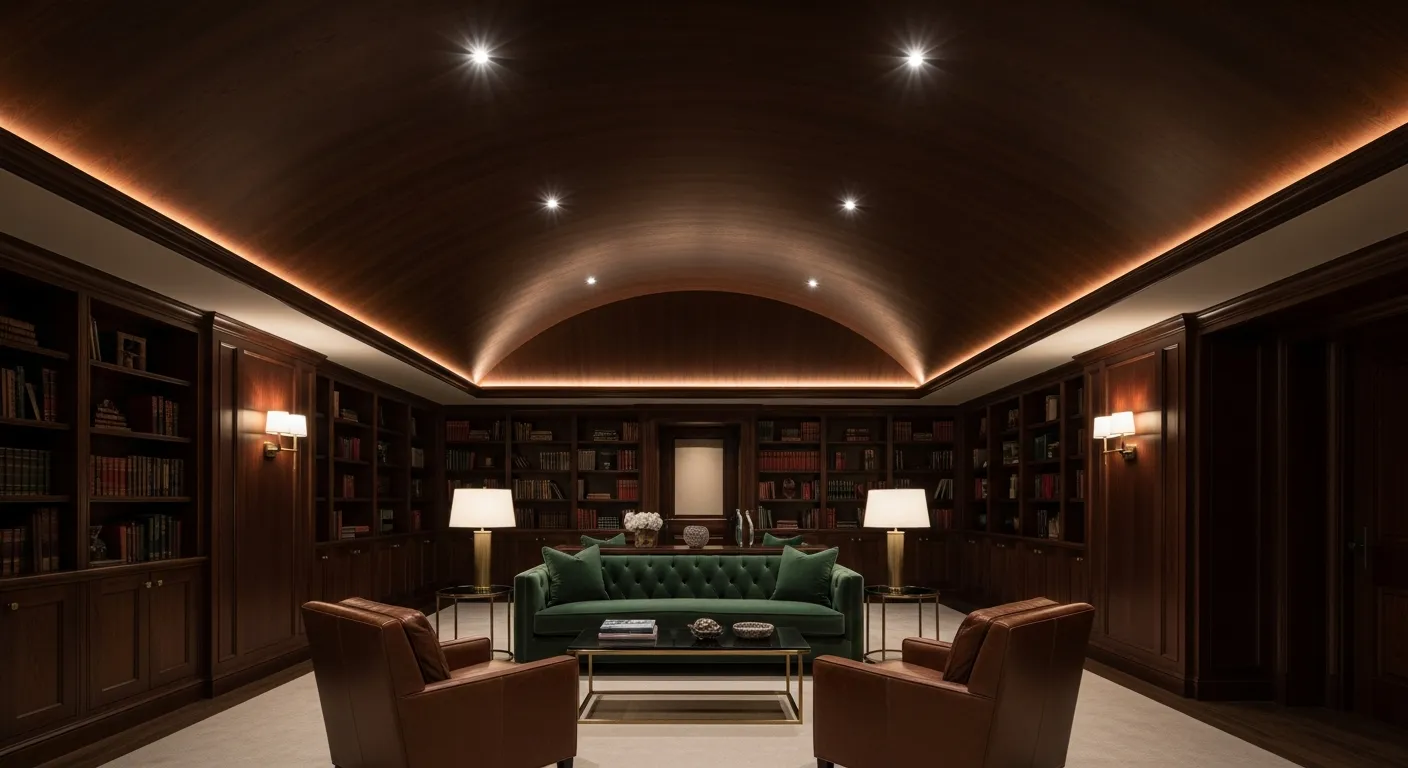
A brown basement ceiling is best suited for high ceilings, as brown adds depth and sophistication. Such a basement can be transformed into a library, home bar, or entertainment space.
Black

Black is a timeless color that adds sophistication to the basement. Though many homeowners hesitate to color their ceilings black, as they think it will make the basement too dark and compact. However, it’s not always true. If you have a bar, paint the ceiling black for the look that can’t go unnoticed.
Color Ideas for Exposed Basement Ceiling
Unlike flat basement ceilings, exposed basement ceilings are more challenging to color, but they also offer a better platform to display your creative vision. Here are some of the colors you can consider for exposed ceilings:
Black: To hide the imperfections or mask ductwork and wiring, black is the perfect color. However, make sure there’s sufficient light in the basement to avoid a closed feel.
White: This color is a perfect choice to brighten up the basement and divert the attention from the structure of the ceiling.
Neutral Shades: Just like the simple ceiling, exposed basement ceiling colored with neutrals should complement the existing color scheme.
Before applying your chosen ceiling color, make sure the surface is properly prepared. Following a primer paint guide can improve paint adhesion, hide stains, and create a smooth, long-lasting finish.
Color the Ceiling the Same as the Wall: When the wall and ceiling are painted with the same color unifies the space and makes it look spacious.
Conclusion
When selecting the basement ceiling color, consider all the factors discussed in this blog, as each affects the functionality and visual appeal of the space. There are multiple colors for the basement ceiling, so you can choose the one that best meets your preferences. To achieve a polished finish, don't overlook the trim. Learning how to paint trim properly ensures crisp edges and a professional-looking basement makeover.