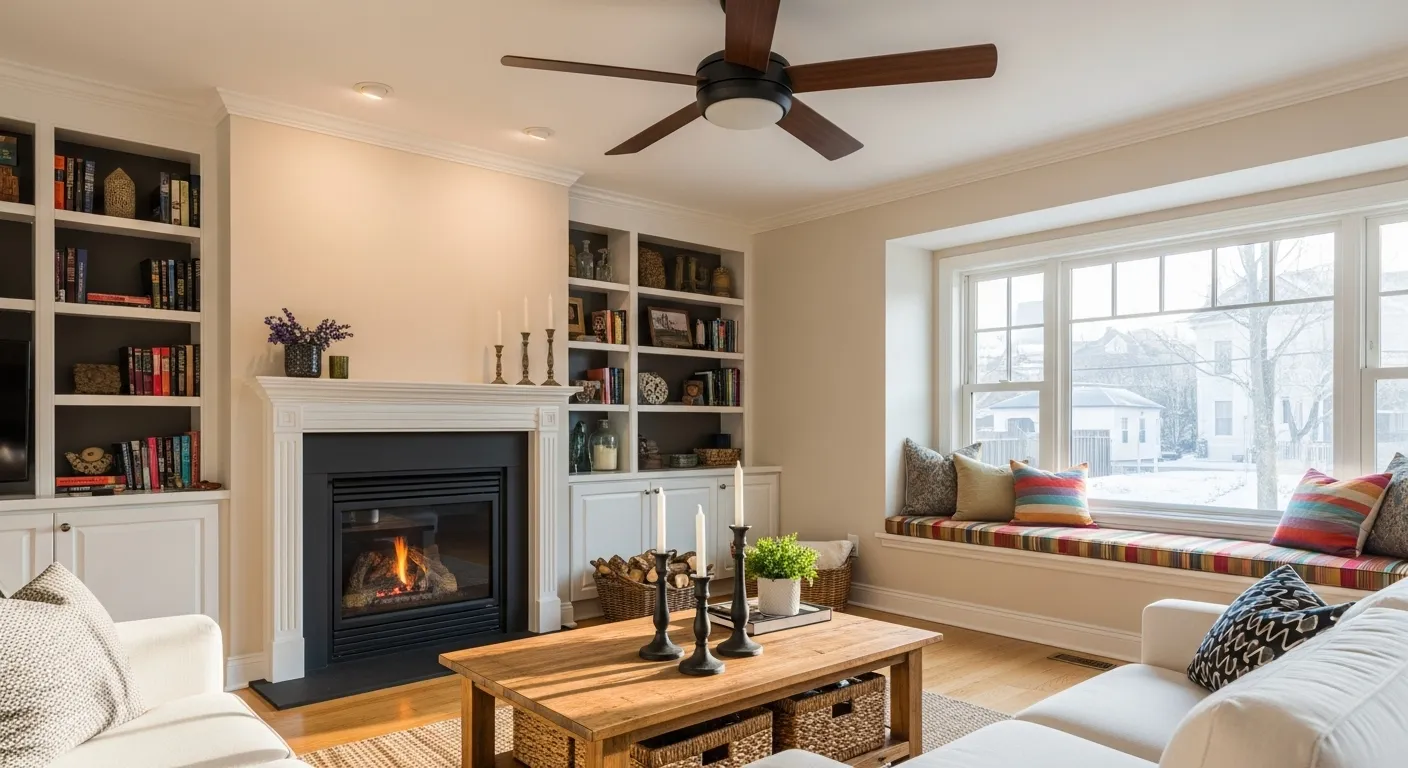
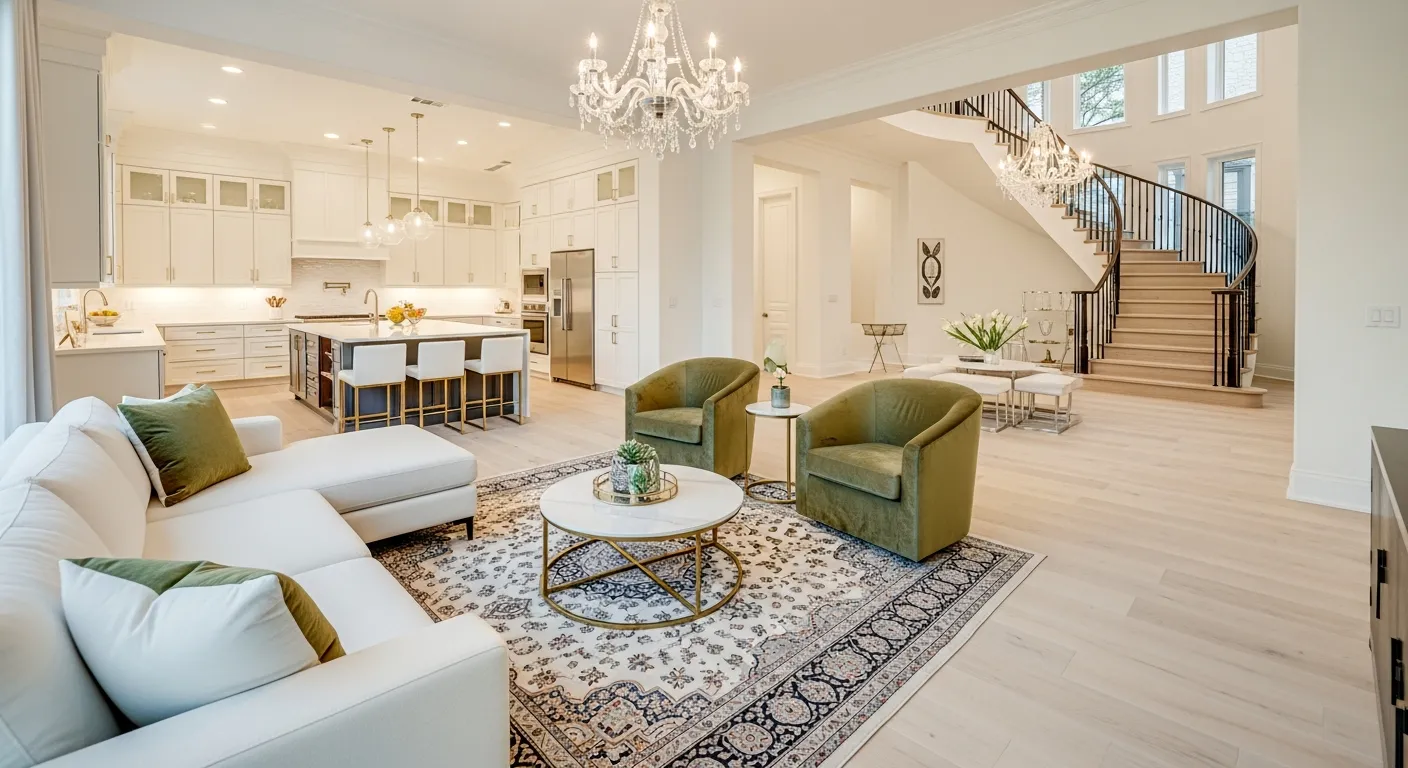
Remodeling the entire home is a major task as it involves extensive work. Many homeowners consider remodeling the best way to get the space they exactly want. A whole home remodel gives the entire home a completely new look that makes every corner of the home more functional and visually pleasing.
This blog will take you through a detailed step-by-step guide for remodeling your entire home. Additionally, it breaks down the expenses to give an approximate budget that you'll need while starting a remodel.
What Does a Whole Home Remodel Include?
Whole home remodeling is a way to update all areas of the house, including the kitchen, bathroom, layouts, living spaces, and occasionally the exterior or a part of it. If your renovation also includes the outside of your home, exploring modern exterior ideas can help create a cohesive look that complements your updated interiors. A whole home remodel permits modernizing the home as a whole in one comprehensive plan by upgrading its aesthetics, modifying layouts, transforming the structure, and updating the systems.
A complete home remodeling provides a platform to upgrade the space to suit your existing lifestyle, instead of periodic upgrades that may fail to fulfill your overall needs.
Break Down Expenses for Estimating Budget
If you're planning to remodel your home, consider the necessary expenses and set the budget. Before setting your final budget, review these budget remodeling tips to identify areas where you can reduce costs without sacrificing quality. To help you in the home remodeling journey, here is the breakdown of the general expenses needed for a whole home remodel.
Labor Charge
Labor Charge plays an important role in the overall budget for home remodeling, which includes carpenters, plumbers, and electricians, who help convert dreams into reality through their skills. When following the conventional route, homeowners are responsible for finding the best price, whereas, in the case of a full home remodel approach, the firm that takes the responsibility of remodeling has the onus of everything.
Material Cost
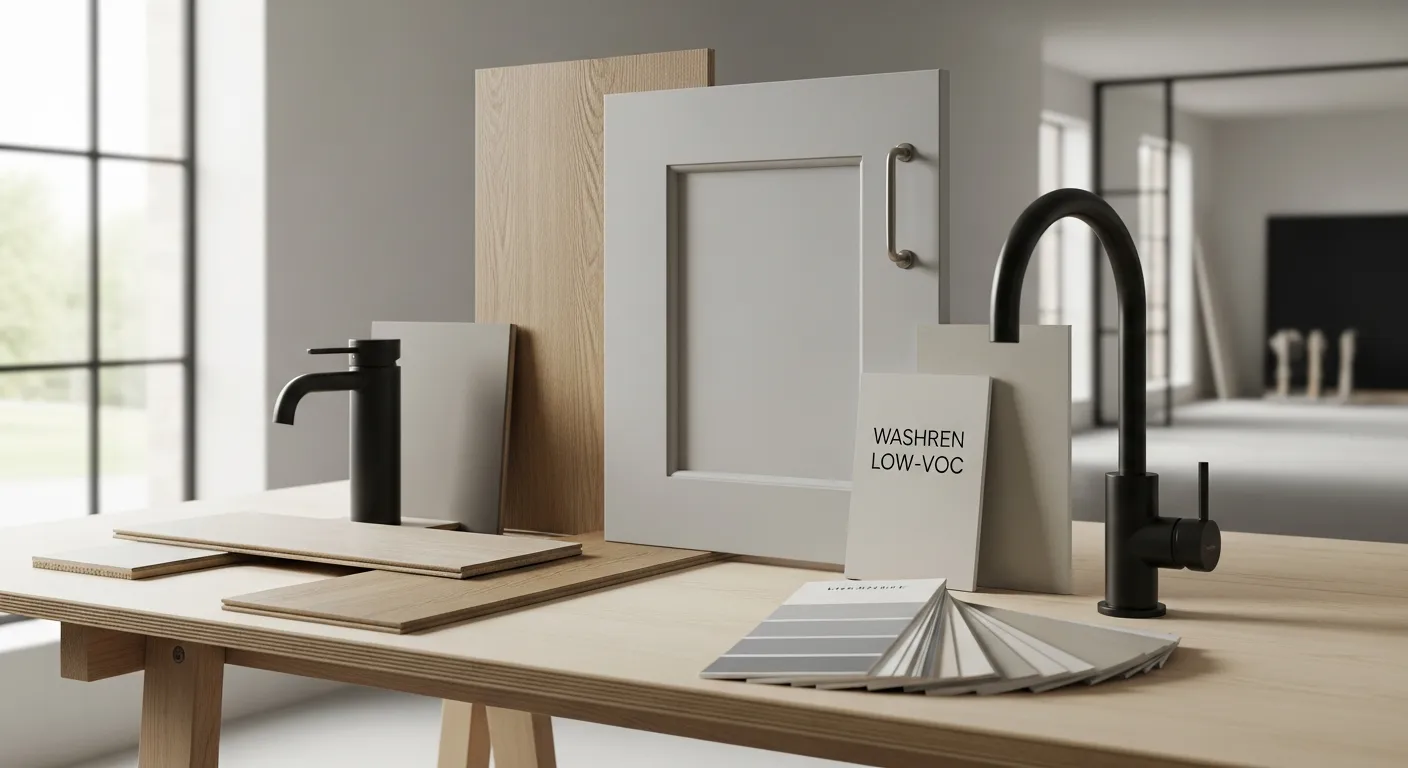
From flooring, cabinetry, to fixtures and paints, materials are required in every process in remodeling. In a whole home remodel, the material quality greatly affects the cost, making the right choice by focusing on cost-effectiveness, without compromising on durability, vital.
Permit Charge
Some permit charges are required in some of the states for remodeling a building. Therefore, it's important to consider these costs and approval delays while handling the project yourself. When working with a firm, they take care of the paperwork and include the cost in the total project cost.
Sudden Expenses
No matter how carefully you plan, there could be unforeseen situations leading to unexpected expenses. Therefore, it is recommended to keep aside a crisis fund of 10% of your total budget.
Complete Home Remodel Process Guide
Here's a step-by-step guide for the remodeling process of your home:
Step 1: Choose a Designer

For the best home remodeling, find an experienced designer. Consider asking your friends or family for referrals, going for online reviews to find the best designers in your area, or directly approaching the remodelers in your area.
Consider hiring a design-build firm, as they manage projects with a single contract from beginning to end. The designer and the construction team work collectively in a design-build approach from the very first day, thus making it an ideal and efficient remodeling process.
Also, make sure that you pay attention to the designer's communication style while hiring, to check if you would be comfortable communicating with them during a major project. Do not forget to ask for references and examples of their previous remodel works.
Step 2: Sketch Your Ideas
Prepare an outline with all the details, like major or minor grievances in the existing home. Whether it's a small annoyance or a big disruption, make note of every single issue.
Then write down all your ideas about your new home, whether it be a new floor plan, a basement bar, or whatever you want in your new home. If your remodeling plans involve expanding upper-floor living space, researching dormer addition costs can help you estimate your project's overall budget more accurately. Identify the priorities and prepare the list of must-haves in your new home.
Step 3: Early Planning Phase
Now, your design team will work on an abstract design for your whole house remodeling project. In this stage, you'll be given opportunities to review designs and share feedback with the designers. This early planning phase is very important for high-impact areas like the kitchen and bathroom because finishing and the layout of all these areas can ruin the entire project.
Step 4: Budget Setting

The next stage is to get a survey of your project budget. This includes realistic estimated costs depending on your design goals and scope of work. If you hire a single designer or architect, they might give you a rough estimate of the cost based on their understanding of the layout and finishing. However, if you hire a design-build firm, the team will estimate building costs throughout the process, so that you stay within a comfortable budget.
Step 5: Finalize the Design
Before beginning the construction process, the design stage must be completed by your remodeler, which includes certain approval by the structural engineer. Finalizing the design includes discussing and making decisions about fixtures and finishes. At this phase, you may also choose material options like laminate countertops, which can provide durability and cost efficiency without giving up on style.
Step 6: Get a Contractor
You can skip this step completely if you've hired a design-build firm. The designer and team will do this work. If you've hired a standalone designer, you'll have to get a contractor for bids.
Step 7: Preparation for Construction
Both you and your remodeler need to prepare for the actual construction.
The team will handle tasks like getting permits and managing subcontractors for things like plumbing, electrical work, painting, and carpentry. They'll also keep a record of materials so that the work continues without any interruption.
You'll need to find another place to stay until the project is done. You'll also need to move your furniture and other items to a safe place so that they don't get damaged and the design team gets enough space to work.
If you're postponing certain renovations or preparing your house before construction begins, these temporary home fixes can help keep your home functional in the meantime.
Step 8: Construction Phase
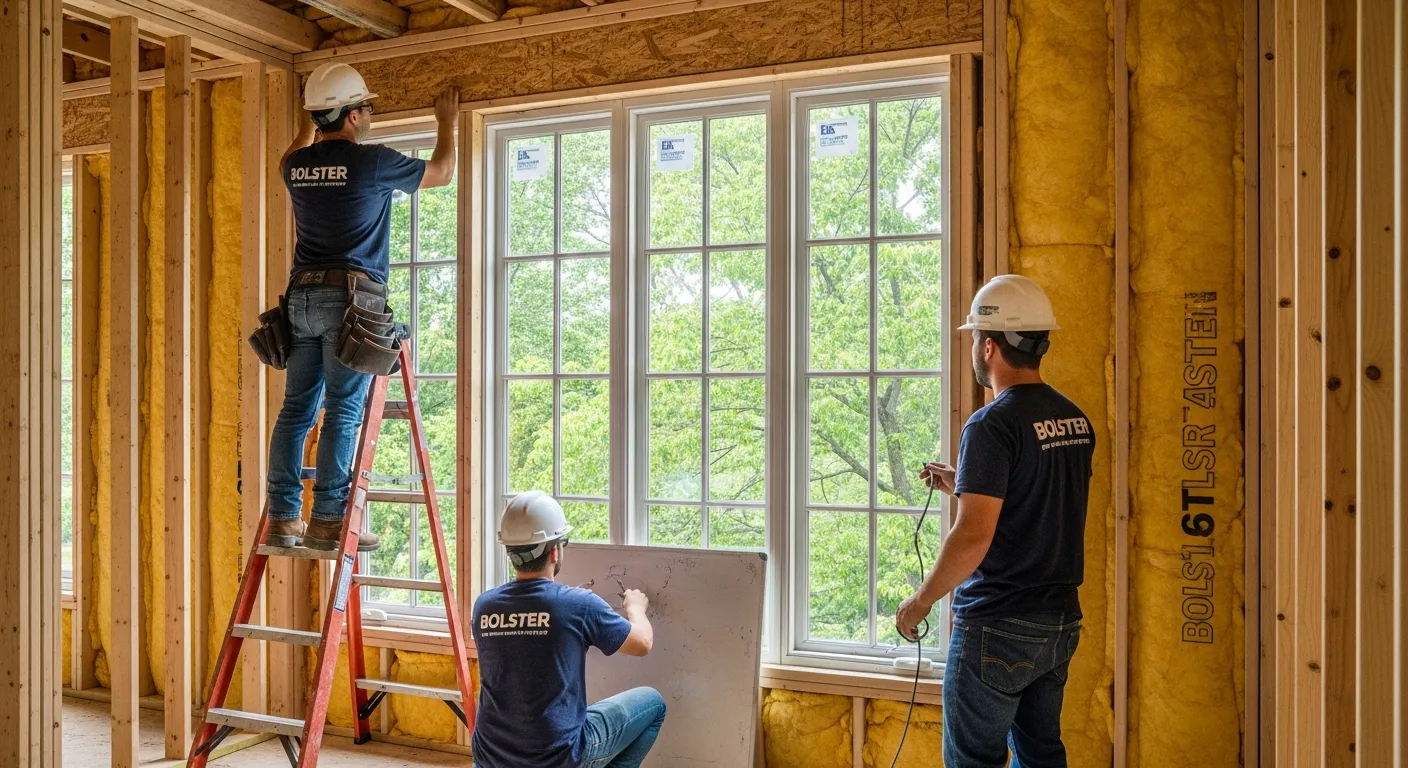
This phase of whole-home remodel allows all systems and spaces to be transformed for long-term comfort and better performance.
Generally, the project manager will keep you updated on the work progress and will inform you about any unexpected problems or unforeseen costs.
Step 9: Project Finalization
Once the major work is done, there could be some minor work that needs to be done. You'll need to observe carefully and note if anything from the checklist is yet to be finished.
You or the plumber will have to inspect whether the plumbing and electrical work meet local building codes.
Once these things are done, you can assume that the project is completed and that every detail you wanted, from a spa-inspired custom shower to enhanced lighting and fixtures, is ready to enjoy.
Step 10: Returning Home
The most delightful part of a home remodeling is when you move back into your fresh, new remodeled home. You get to experience and enjoy the benefits of your hard work and careful planning.
Room-by-Room Remodel Plan for Full Home
Here's a room-by-room plan for remodeling your complete home:
Kitchen
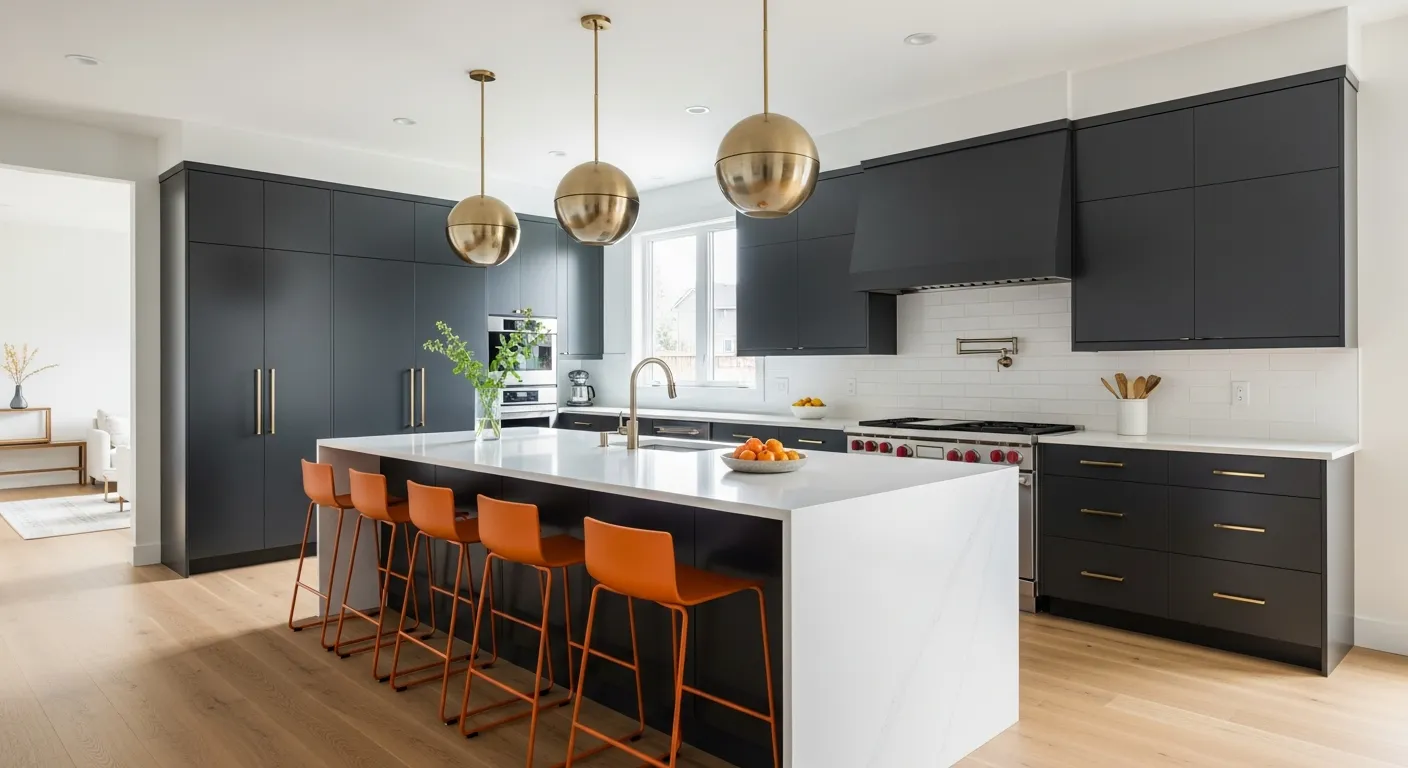
The kitchen, being the heart of any home, needs special attention. Go with the trends by blending functionality with modern aesthetics. Consider smart storage solutions and sleek handleless cabinets to optimize space and get a minimalist look, respectively.
Bathroom
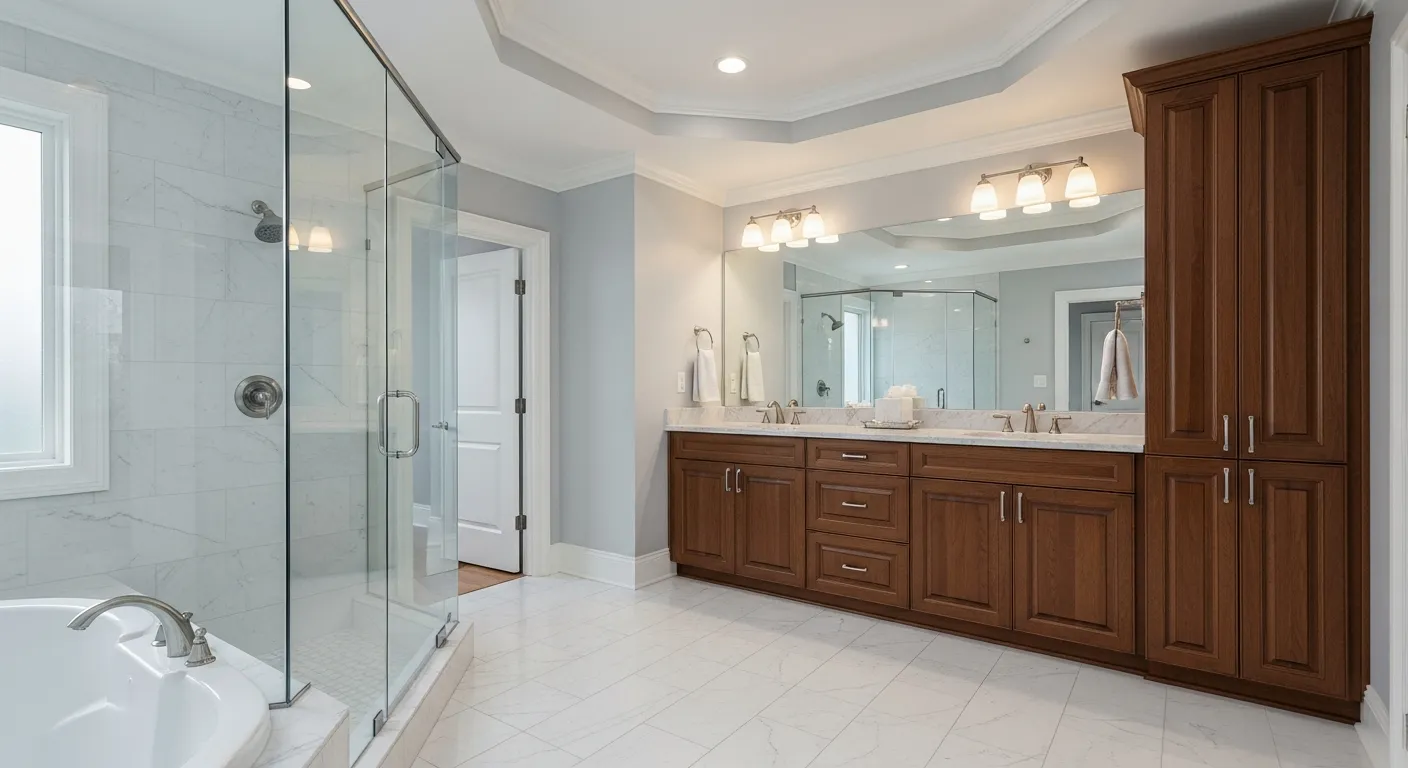
Consider neutral tones, large mirrors, and rainfall showers for a luxurious touch. Assess the floor space and if there's enough space, bring in a bathtub and shower. To bring in eccentric design in the bathroom, consider a powder room.
Bedrooms and Living Area

Consider durable, stylish flooring materials like hardwood or engineered wood all over living spaces and bedrooms. Allow space for natural light where possible and enhance with well-placed artificial lighting fixtures. To bring in personality and create focus, consider accent walls or textures.
Renovating Other Spaces
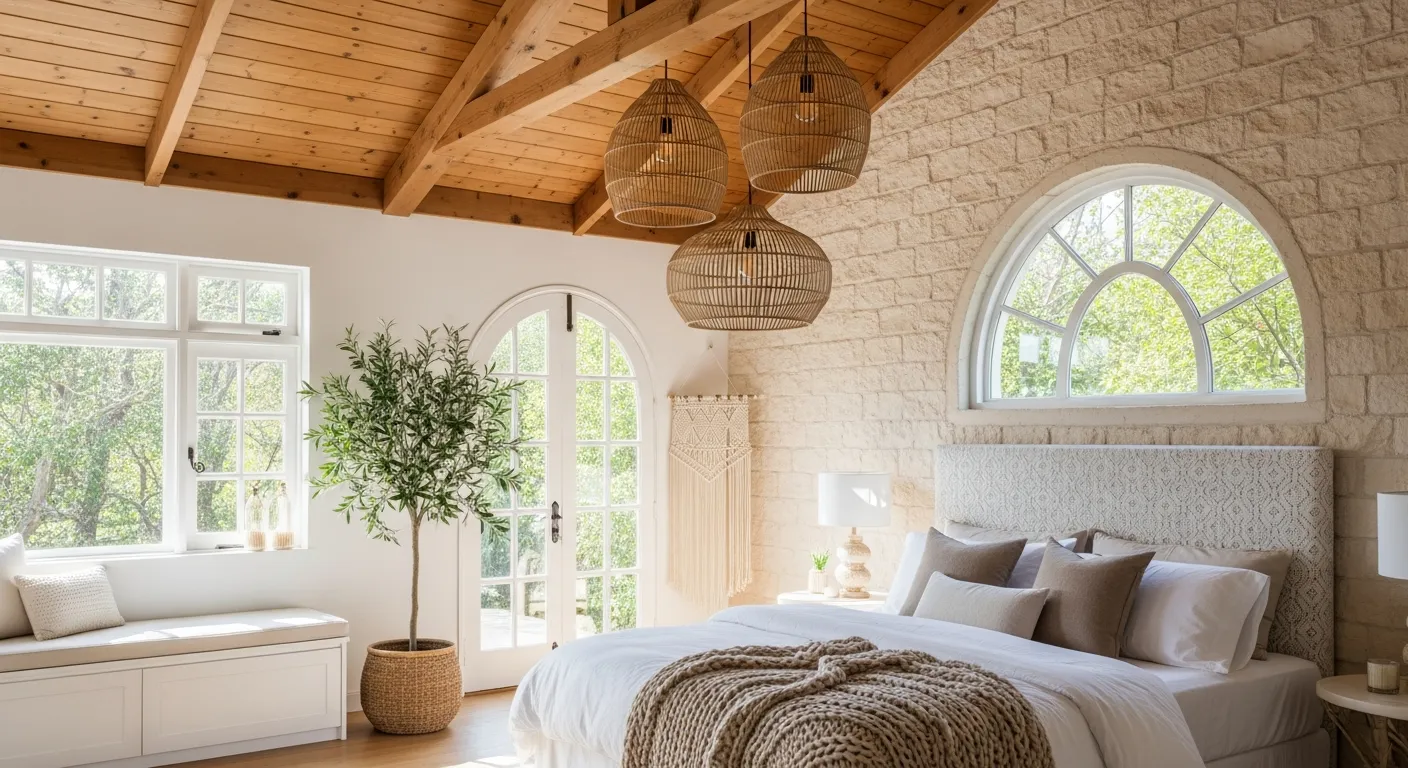
Renovating other spaces like guest bedrooms, patio, or home office should be equally prioritized. Ergonomic furniture pieces, sufficient lighting, and proper storage space should be prioritized for home offices. Whereas a secondary guest bedroom can be used as a gym or additional living space.
Conclusion
Remodeling your entire home is a major task, but it can be achieved with appropriate plans and an experienced team of designers. This work can be done with DIY, but it has challenges of keeping an eye on every single work progress, including the cost, and approaching the contractors. On the other hand, opting for a design firm comes with a cost, but your workload of tracking minute details is reduced.