A well-designed garden can significantly enhance the appearance and functionality of an outdoor space. However, achieving an attractive landscape is not always about spending more money or undertaking major renovations. In many cases, small design mistakes can have a surprisingly large impact on how organised, practical, and visually appealing a garden looks.
Whether homeowners are refreshing an existing landscape or planning a new outdoor area, avoiding common landscaping mistakes can help create a cleaner, more polished result that is easier to maintain over time.
1. Failing to Define Garden Beds and Lawn Areas
One of the most common landscaping mistakes is allowing different sections of the garden to blend together without clear boundaries. When lawns, garden beds, pathways, and decorative areas are not properly separated, outdoor spaces can quickly appear messy and unstructured.
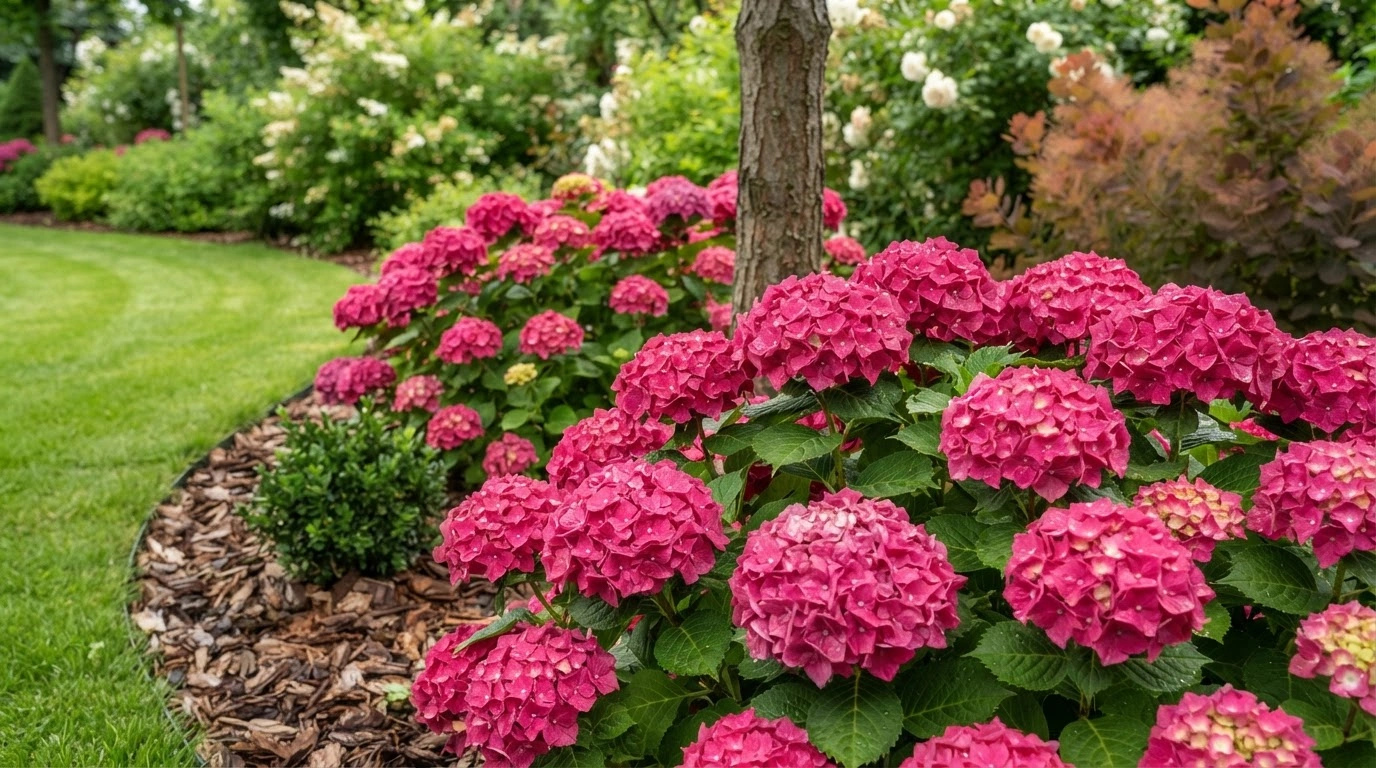
This is where features such as garden edging can make a significant difference. Creating clear borders helps define individual areas of the landscape while improving overall presentation and organisation.
Well-defined boundaries can also help reduce the spread of grass into garden beds and minimise ongoing maintenance requirements.
2. Choosing Plants Without Considering Their Mature Size
Many homeowners select plants based on how they look at the time of purchase without considering how large they may become in the future. While young plants can appear small and manageable, overcrowding often becomes a problem as they mature.
Overgrown plants can create several challenges, including:
- Reduced airflow between plants
- Increased pruning requirements
- Competition for sunlight and nutrients
- A cluttered appearance throughout the garden
Planning for mature plant size helps create a landscape that remains balanced and attractive in the years ahead.
3. Ignoring Practical Pathway Design
Garden pathways do more than simply connect different parts of an outdoor space. They influence how people move through the landscape and can contribute significantly to both appearance and functionality.
Poorly planned pathways may feel awkward, create unnecessary wear on lawns, or make certain areas difficult to access. In contrast, well-positioned pathways can improve accessibility while helping create a natural flow throughout the garden.
When designing outdoor spaces, it is important to consider how family members and guests will actually use the area on a daily basis.
4. Overlooking Long-Term Maintenance Requirements
Some landscaping designs look impressive initially but become difficult to maintain over time. Complex layouts, high-maintenance plants, and poorly planned garden features can eventually require significant effort to keep looking their best.
Before making landscaping decisions, homeowners should consider:
- How much time they can dedicate to maintenance
- Seasonal pruning requirements
- Irrigation needs
- Lawn care requirements
- Ongoing upkeep costs
Choosing practical landscaping solutions can help ensure the garden remains attractive without becoming overwhelming to maintain.
5. Focusing Only on Individual Features Instead of the Overall Design
It is easy to become focused on selecting individual plants, decorative elements, or outdoor features. However, a successful landscape depends on how all these components work together as a cohesive design.
A beautiful garden is often the result of thoughtful planning rather than a collection of standalone features. Colour schemes, materials, plant selection, and layout should complement one another to create a balanced and harmonious outdoor environment.
Functional landscape elements can also contribute to a more cohesive design. Features such as planter boxes can help introduce structure, define spaces, and create visual consistency throughout an outdoor area. Modern landscaping projects increasingly utilise fibreglass planter boxes for their durability and versatility across a range of garden styles.
Creating a Landscape That Looks Great Year-Round
Good landscaping is not necessarily about adding more features. Often, the most effective improvements come from making thoughtful decisions that improve organisation, functionality, and long-term usability.
By defining garden spaces, planning for plant growth, designing practical pathways, considering maintenance requirements, and focusing on overall cohesion, homeowners can create outdoor areas that remain attractive throughout the year. Avoiding these common mistakes can help transform an ordinary garden into a space that is both visually appealing and enjoyable to use for years to come.