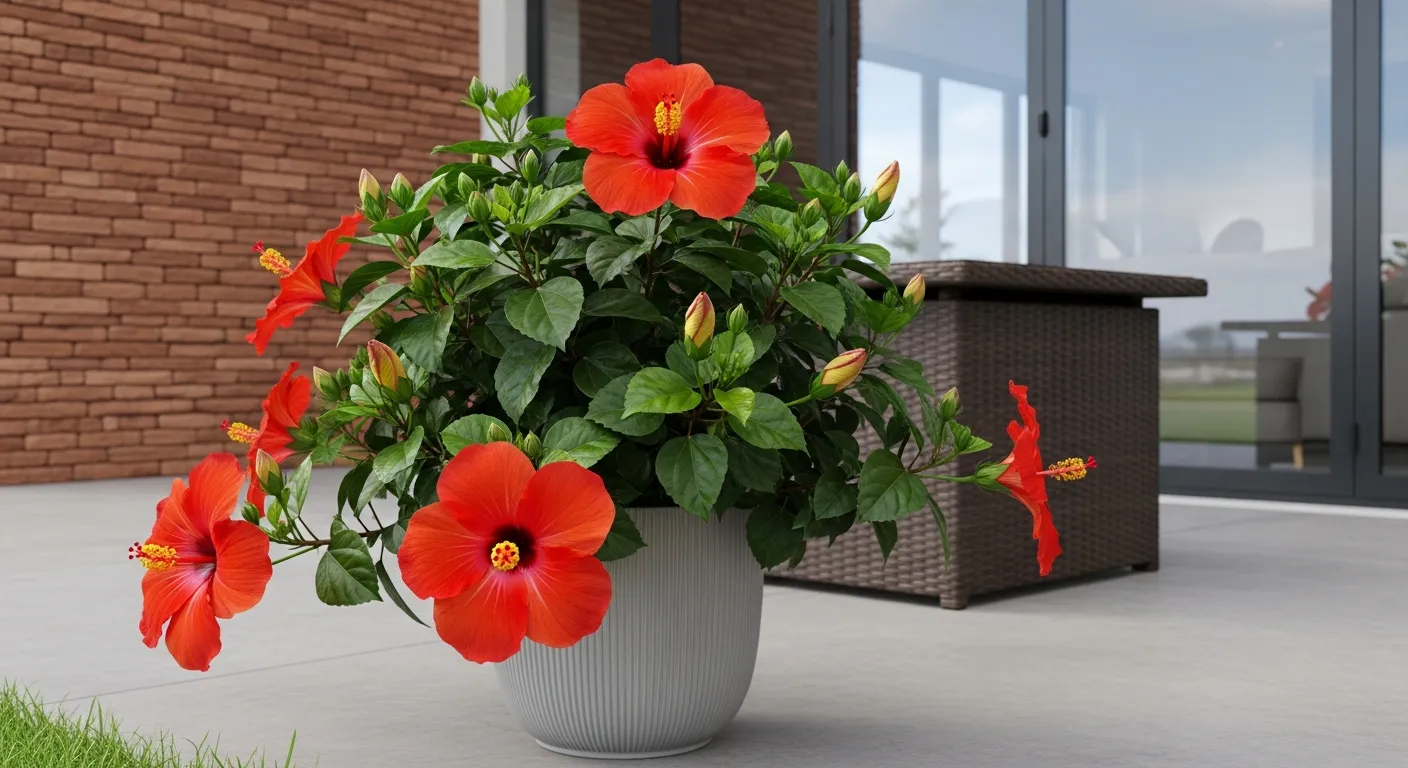
Hibiscus plant is one of the most beautiful and popular flowering plants. The large, trumpet-shaped flowers give the plant a tropical appearance that gives a beautiful vacation vibe in the garden. But they do not thrive well in winter. Hence, they should be properly cared for throughout the winter.
Hibiscus care depends on the species. If you have a hardy hibiscus, you can keep it outside with some precautions, as it helps prevent damage from the harsh weather. On the other hand, if you have tropical hibiscus, it should be kept indoors. Winterizing hibiscus is important to make sure it survives the chilly weather, and this blog can help you with ideas on how to do that.
What Happens to Hibiscus Plants in Winter?
As you are already aware, hibiscus cannot survive winter if not taken care of. Their response to cold weather depends on the type of hibiscus and how low the temperature drops. Depending on these conditions, here are some common issues with hibiscus you might notice during winter:
| Problem | Why Does it Happen? | What Can be Done? |
| Yellowing leaves | This happens mostly because of overwatering. | You must reduce the frequency of watering for a while. |
| Dropping of buds | This happens because of cold winds and low light | Keep the plants in the full sun for at least 3 hours. |
| No flowers | Lack of nutrients might result in no flowering. | Feed them with compost in spring so that they bloom well. |
| Falling leaves | As autumn arrives, the change in temperature causes the leaves to fall. | Cover the plant at night to avoid exposure to falling temperature. |
What to Do With a Hibiscus Plant in the Winter?
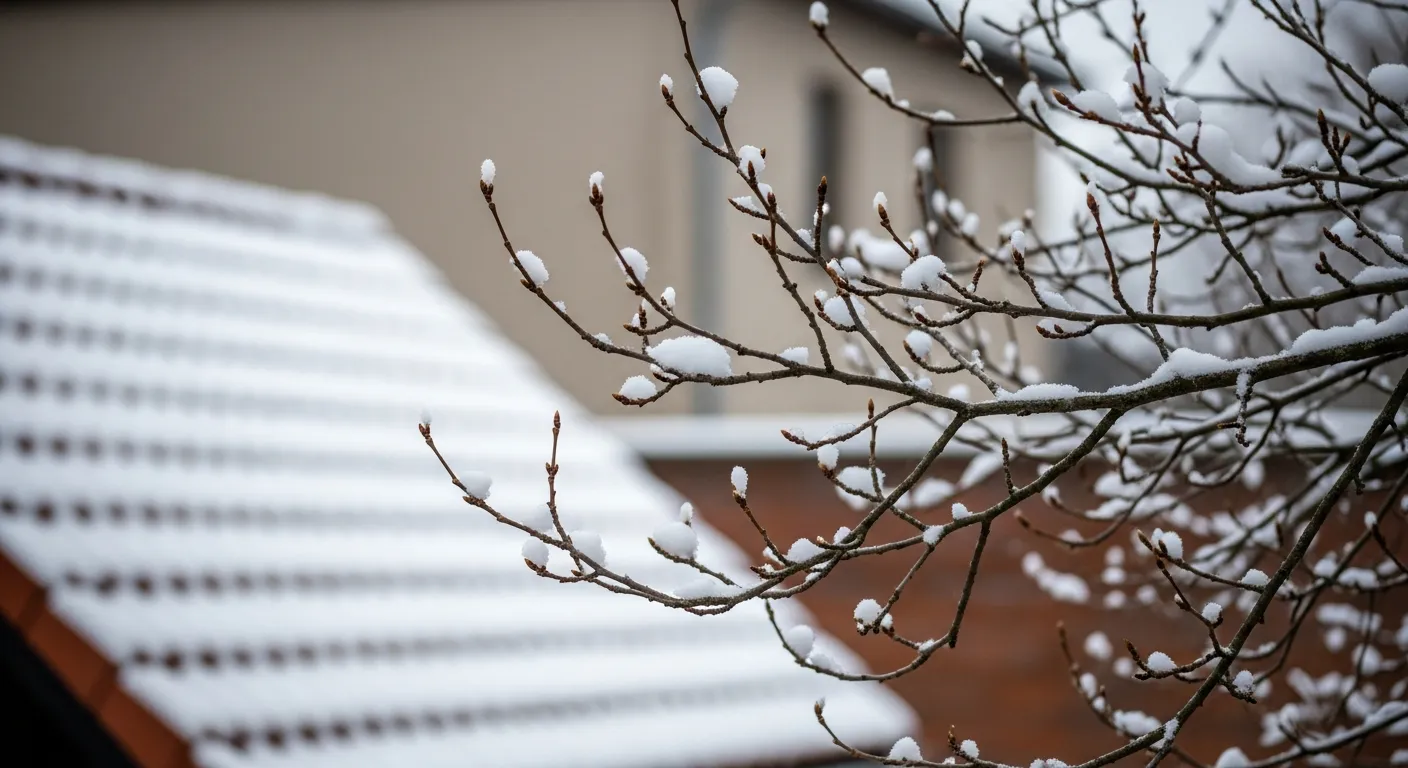
In winter, gardeners advise preparing hibiscus and bringing them indoors before winter sets in. Preparing the plant before the first frost is the initial step to keep the plants safe. Before that, you need to know the type of hibiscus you might have.
Types of Hibiscus Plants
- Hardy Hibiscus: Hardy hibiscus is popular for its enormous, plate-sized blooms and delicate ruffled petals. The plant can tolerate extreme cold weather and thrives in the USDA Hardiness Zones 4-9. These hibiscuses die back in winter and come back in spring, and the most common and popular types include Rose Mallow and Texas Star.
- Tropical Hibiscus: Tropical hibiscus has large, trumpet-shaped flowers that flourish in warm weather and do not do well in low temperatures. It survives in USDA Hardiness Zones of 10-12. As winter approaches, the plant goes dormant, leaves turn yellow, flower drops, and the plant stops growing. So, it is advised to either grow it as annuals or bring it inside the home for winter.
How to Take Care of Hibiscus During Winter?
As hibiscus love warm weather, most gardeners advise providing warmth in winter’s how you can do it -
Wash the Plants
The first thing to do is wash the hibiscus to ensure there areare no spests or sinsects attached to the stem, leaves, or roots that can infect nearby plants. Spray water all around the plants, and you do not need any soap or cleaning agent - just give the plant a strong spray of water, and that’s it. On the last washing, spray the plant properly with horticultural oil and water, and let it dry before moving them inside.
| Some Tips | Wash the plant for 2-3 weeks before bringing it indoors. |
Fertilize Them Properly
Do not ever stop fertilizing, as this will cause the plant to go more into dormancy. The more it goes dormant, the harder it will be to wake them up. In winter, as the plant is not very active, it uses fewer nutrients. The best option is to use water-soluble fertilizer; this means you'll naturally apply less fertilizer. You can also use a timed-release fertilizer, as they release nutrients depending on the temperature.
Prune Before Winter
A bit of pruning of hibiscus in winter is very essential and useful. Here’s how to do it -
- Cut off the dry, yellow, and weak branches.
- Cut the long stems to give the plant a clean shape to help in fresh growth during early spring.
- Do not prune too much in extremely chilly months like December to January.
Keep Them Warm
To keep the hibiscus plant warm, move it into the house. But the problem with the hibiscus when grown indoors is that it grows really large by the end of summer. The solution is also quite simple, as all you need to do is cut them back. Their size can be reduced by 50% without damaging them. However, if you find some new growth, leave it as it is.
Another major problem is finding the right place for the hibiscus plant. Most people keep their hibiscus plant near the windows (the closer, the better). Here are other places in the house where hibiscus can be placed -
- An unheated garage or shed is considered a good place for hibiscus. Ensure these structures allow ample sunlight so that the space stays warm in winter. If there’s little to no sunlight, you can install a small heater set at 40℉ or higher.
- Greenhouses are also best for hibiscus plants. Some greenhouses, if heated to at least 65℉ during winter, can produce flowers. Make sure the greenhouse has sufficient windows and doors so heat can escape on extremely warm days.
How to Winterize Hardy Hibiscus Plants?
If you reside in an area with mild winter temperatures, hardy hibiscus plants can survive the season. However, if you live in a region with extremely low temperatures, hibiscus will need extra care, as it goes dormant during the winter months. To winterize, all you need to do is -
- After the foliage begins to die, trim the stems to a few inches above the soil.
- Add a layer of straw or mulch around the base to insulate the plant and protect it from freezing.
- Wrap with a tarp or burlap to protect it from chilly winds during cold spells.
Growing hibiscus in a container? You can keep it indoors at 55 degrees Fahrenheit. Also, ensure you keep it in the sun for at least 3 hours each day.
Signs Your Hibiscus Plant is Surviving Winter Successfully
Your hibiscus is surviving the winter if you see the stems are pliable. If you scratch the stem a bit and see a bright green layer under it, this means your hibiscus is thriving. Depending on the type of hibiscus, here are some signs that your plant is doing well in winter -
Tropical Hibiscus
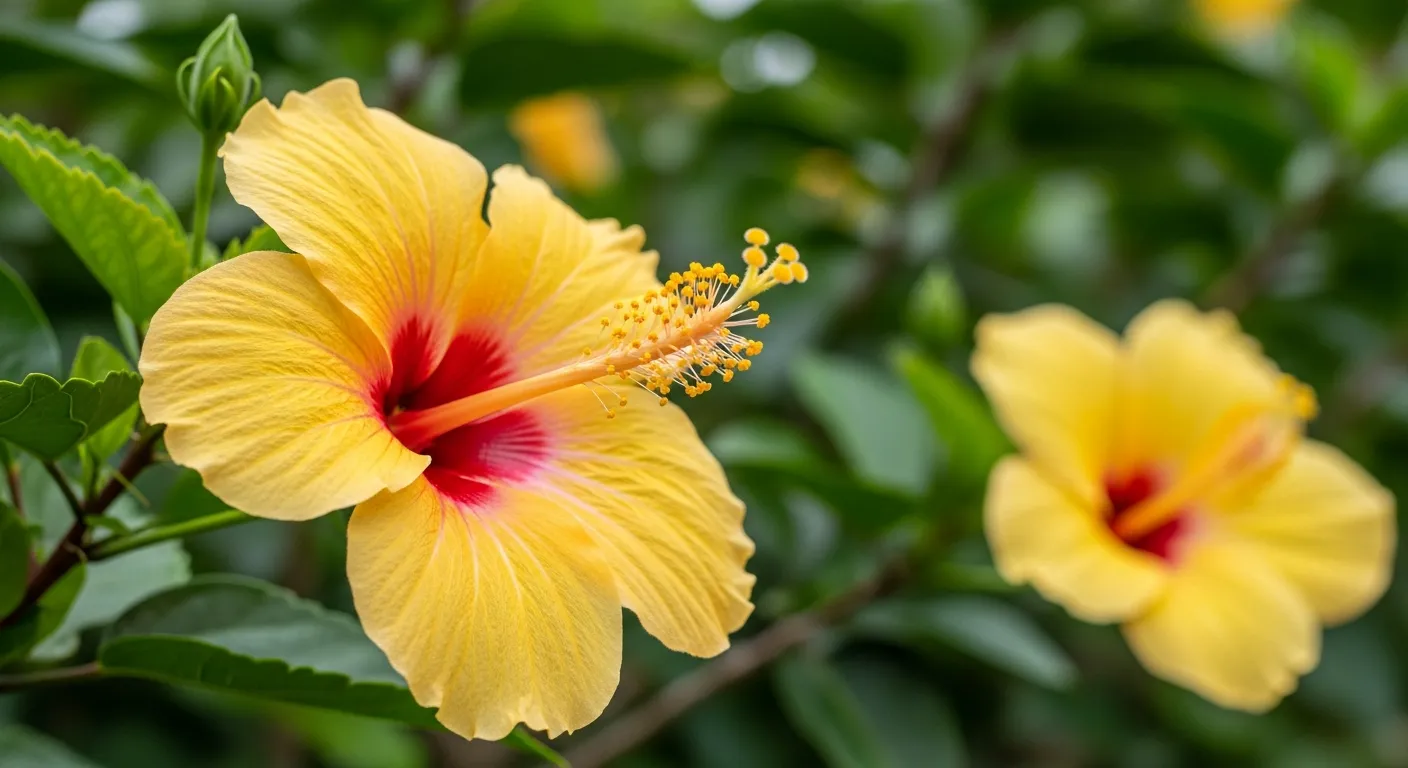
- Stem Flexibility: The stem should be flexible, which means it should bend and bounce back without snapping.
- Moisture and Sap: When you scratch the bark of the tree (using a thumbnail will do fine), it should reveal a bright green layer and moisture. If the tissue is brown or gray, it simply means the plant is struggling.
- Plump, Glossy Buds: The glossy buds forming at the leaf axils are one of the common signs that the plant is not dormant.
- Stable Leaf Drop: It is quite normal for tropical hibiscus to often drop older leaves up to 30% after being moved indoors. If you see active new growth (2-3 leaves per month), this means that the plant has adapted well.
Hardy Hibiscus
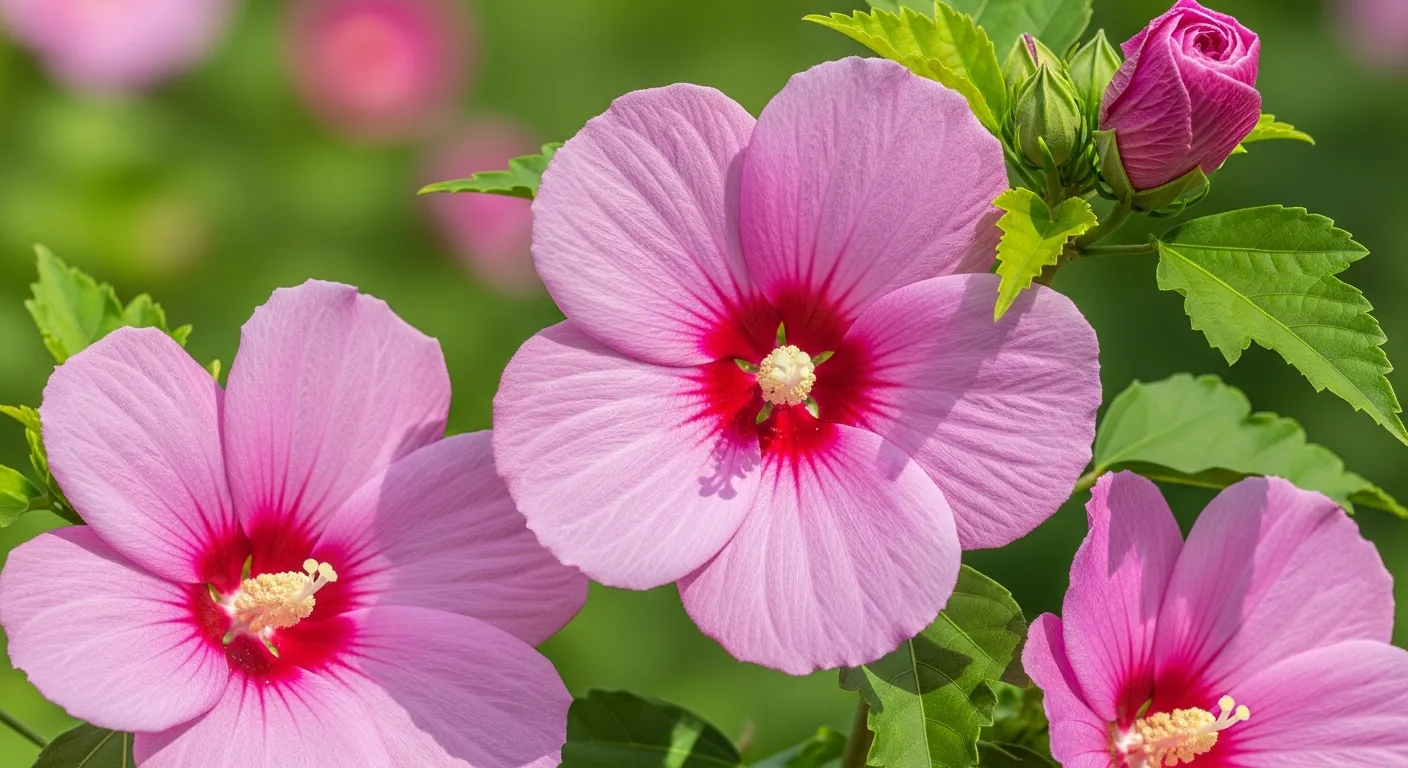
- Firm Root Crown: The bottom of the plant feels firm when gently pressed and does not smell sour.
- Spring Sprouts: Hardy hibiscus is deciduous, so it is quite normal that it will die back in winter. But by the end of the season, the entire plant above the ground may disappear. However, as the soil warms in the late spring, the appearance of tiny reddish-green shoots shows that the plant is growing again.
- Stem Maintenance: If there’s an old, dry stalk, do not remove or prune it away, as they offer insulation during frost.
When Should You Worry?
- If the stems snap easily and seem crispy or reveal brown or gray wood underneath.
- The potted hibiscus might give off a foul smell that comes from the root. This indicates root rot, mostly caused by overwatering.
How to Care for Tropical Hibiscus in Winter?
Tropical hibiscus cannot survive cold spells and low temperatures. They might die down when winter arrives. But if you keep them indoors, you can save them so they bloom again next season. If you have hibiscus planted in the soil, dig it up and bring it inside.
However, before bringing them indoors, spray them with water and remove any dirt and pests so they do not infest other indoor plants. If you see aphids or spider mites, use neem oil to treat, and then pot the plant in a container filled with acidic potting mix.
Conclusion
Hibiscus is a beautiful and strong plant, but during winter it needs a bit more care and support. Winterizing the plant as the cold weather arrives protects it from cold spells and prevents freezing. The tips given in the guide can help you ensure that your hibiscus will survive the cold weather and bloom again with bright, beautiful flowers in spring and summer.