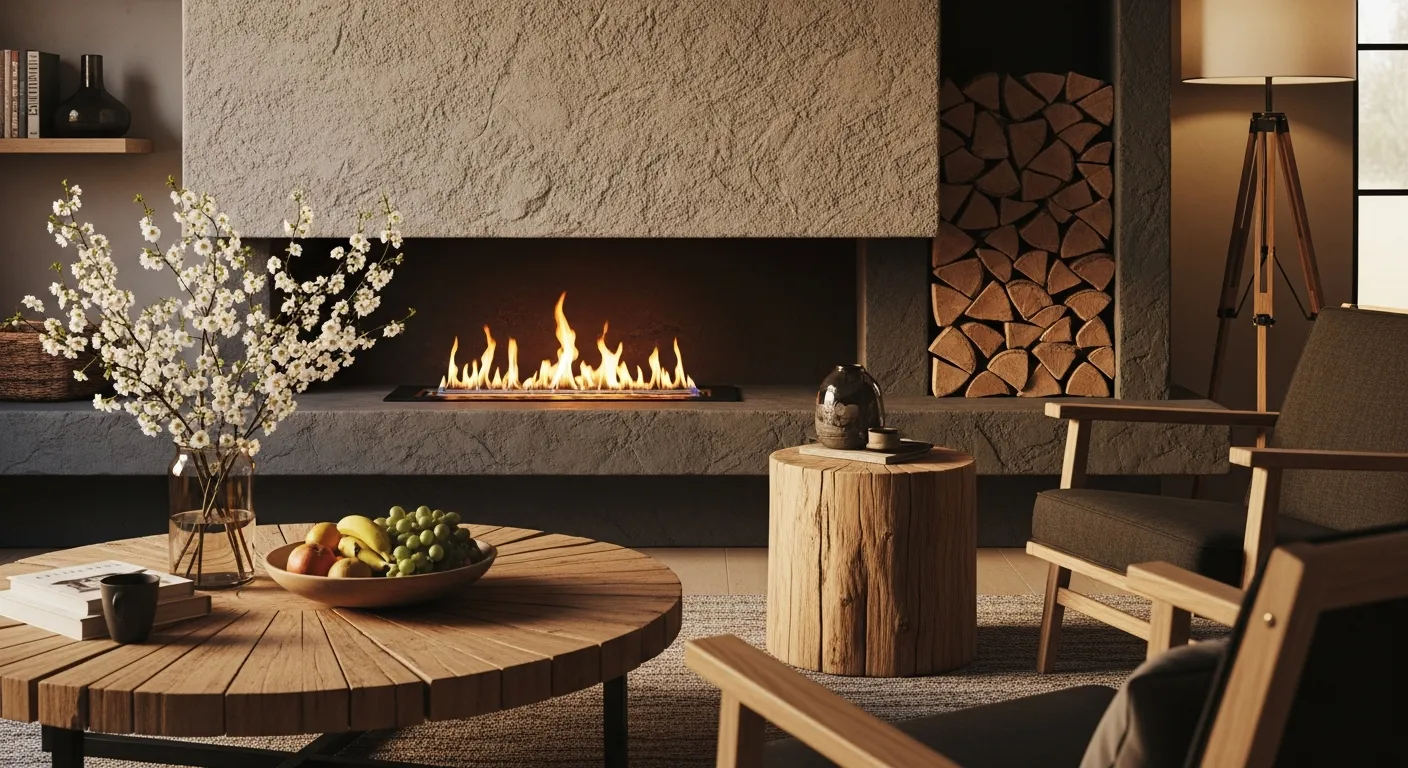
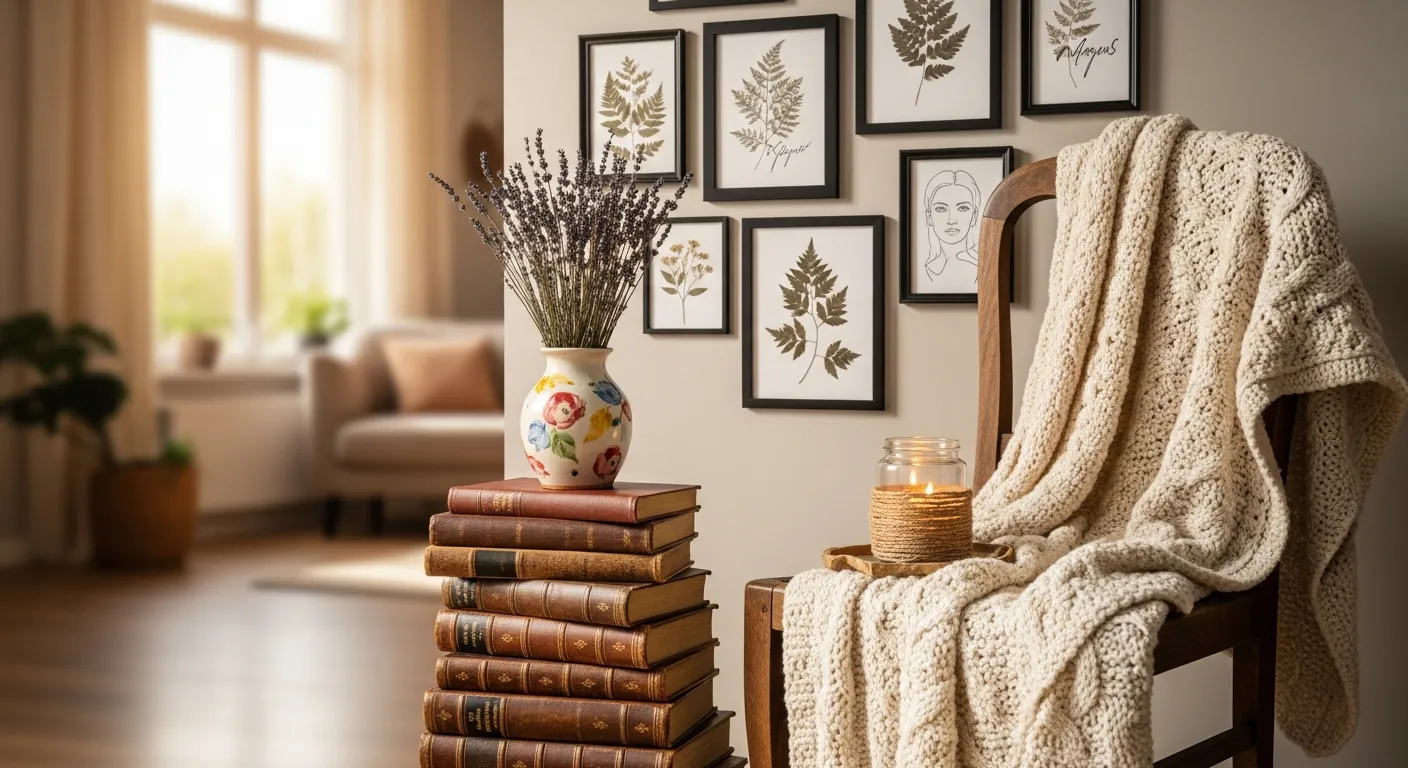
It’s surprisingly easy to fall into the “I’ll just buy something new” trap. The room feels boring, so the shopping starts. New cushions. Another vase. Maybe a side table that wasn’t even on the list five minutes earlier. Sometimes that’s exactly what’s needed. Most of the time, though, it isn’t.
A lot of homes don’t actually need more decor. They just need someone to look at the space with fresh eyes.
Walk Around First
Before adding anything to the cart, take ten minutes and just look around. Not quickly. But actually look.
That lamp that’s been sitting in the bedroom for years? It might work much better in the living room. The artwork over the sofa? Maybe it belongs in the hallway instead. Even moving a chair to a different corner can make a room feel like somebody finally paid attention to it.
People get so used to seeing the same layout every day that they stop noticing it. Changing the layout costs absolutely nothing.
Some Rooms Just Need Less Stuff
One mistake that happens a lot is adding more instead of taking things away. Shelves become packed. Coffee tables collect random decorations. Every surface ends up with candles, books, trays, bowls and ornaments.
Try clearing everything off first. Then only put back the pieces that actually add something.
Usually that means:
- A couple of books
- One plant
- A candle
- Something personal
- One object with a bit of texture or colour
That’s enough. The room immediately feels calmer.
Give Old Things Another Chance
Not everything old belongs in storage. Sometimes it just needs five minutes of attention.
- Paint an old frame.
- Swap cushion covers instead of replacing the whole cushion.
- Replace tired cabinet handles.
- Even cleaning up an old mirror can make it look completely different.
These aren’t exciting changes, but they’re the kind that quietly improve a room. Nobody walks in and says, “Nice cabinet handles.” They just notice the room feels better.
Don’t Skip the Boring Part
Cleaning isn’t the fun answer. It’s still worth mentioning because it genuinely changes how a room looks. Dirty windows block more light than most people realise. Rugs lose colour gradually, so it happens without anyone noticing. Curtains collect dust. Light fittings get dull. Sometimes people decide something looks old when it’s actually just dirty.
The U.S. Environmental Protection Agency encourages repairing, maintaining and reusing household items because extending their lifespan helps reduce unnecessary waste. That advice applies just as much to home decor as anything else.
Buying Second-Hand Isn’t About Being Cheap
This is where opinions have changed quite a bit. A few years ago, buying used furniture sounded like settling for less. Now plenty of people do it because they’re looking for better quality.
Older furniture was often built properly. Solid timber. Real craftsmanship. Things made to last. Of course, not everything is worth bringing home. A quick checklist helps.
Look for:
- Sturdy construction
- Signs of repairs
- Water damage
- Smells that won’t disappear
- Missing parts
- Evidence of pests if it’s upholstered
If it passes those checks, it might outlast something brand new.
Trends Come and Go...Homes Don’t Have To
Social media makes every new colour; shape or style feel essential. Six months later something else takes over. That’s exhausting. Instead, it makes more sense to spend money on pieces that don’t really belong to one trend.
- Wood furniture.
- Good lighting.
- Simple ceramics.
- Quality rugs.
Those things tend to work regardless of what happens to be popular next year. For example, instead of immediately buying another factory-made rug, some homeowners spend time comparing vintage rugs for sale because older rugs often have details, colours and craftsmanship that are difficult to find in many newer machine-made designs. One good rug can completely change a room without replacing everything else.
Spend Money Where People Actually Notice It
If there’s room in the budget, spend it on things that get used every day. Things like:
- A comfortable sofa
- Proper dining chairs
- Quality lighting
- Durable flooring
- A mattress
Those purchases usually make a bigger difference than buying another collection of decorative accessories.
Before Buying Anything...
A few questions are worth asking.
- Does this room actually need something new?
- Could something already in the house do the job?
- Would cleaning or repainting solve the problem?
- Is there a second-hand version that’s better made?
- Is this purchase still going to make sense in five years?
There isn’t always a “yes.” And that’s perfectly fine. Sometimes walking away is the smartest decorating decision.
The Takeaway
A home doesn’t become interesting because everything arrived in the same delivery. It usually happens slowly. A chair gets moved. An old cabinet gets painted. A rug gets cleaned instead of replaced. One vintage piece sits beside something modern. The room changes a little at a time, and somehow it ends up feeling more personal than anything copied straight from a showroom ever could.