

Choosing an ideal HVAC system for a new construction project is never done with the one-size fits all approach. The ideal option may vary depending on your home's layout, total budget, local climate, and lifestyle preferences.
One major advantage of working on new construction is the ability to plan the heating and cooling system for the house from scratch. In new construction, you can easily integrate the HVAC system into the design before the walls are fully finished. Hence, it is considered a crucial opportunity that shouldn’t be overlooked.
In this blog, you will explore 6 different and ideal HVAC systems for your new construction project. This guide will help you make the right choice within your budget.
6 Best Types of HVAC Systems for New Construction Projects
Standard Heat Pump and Air Handler Split System
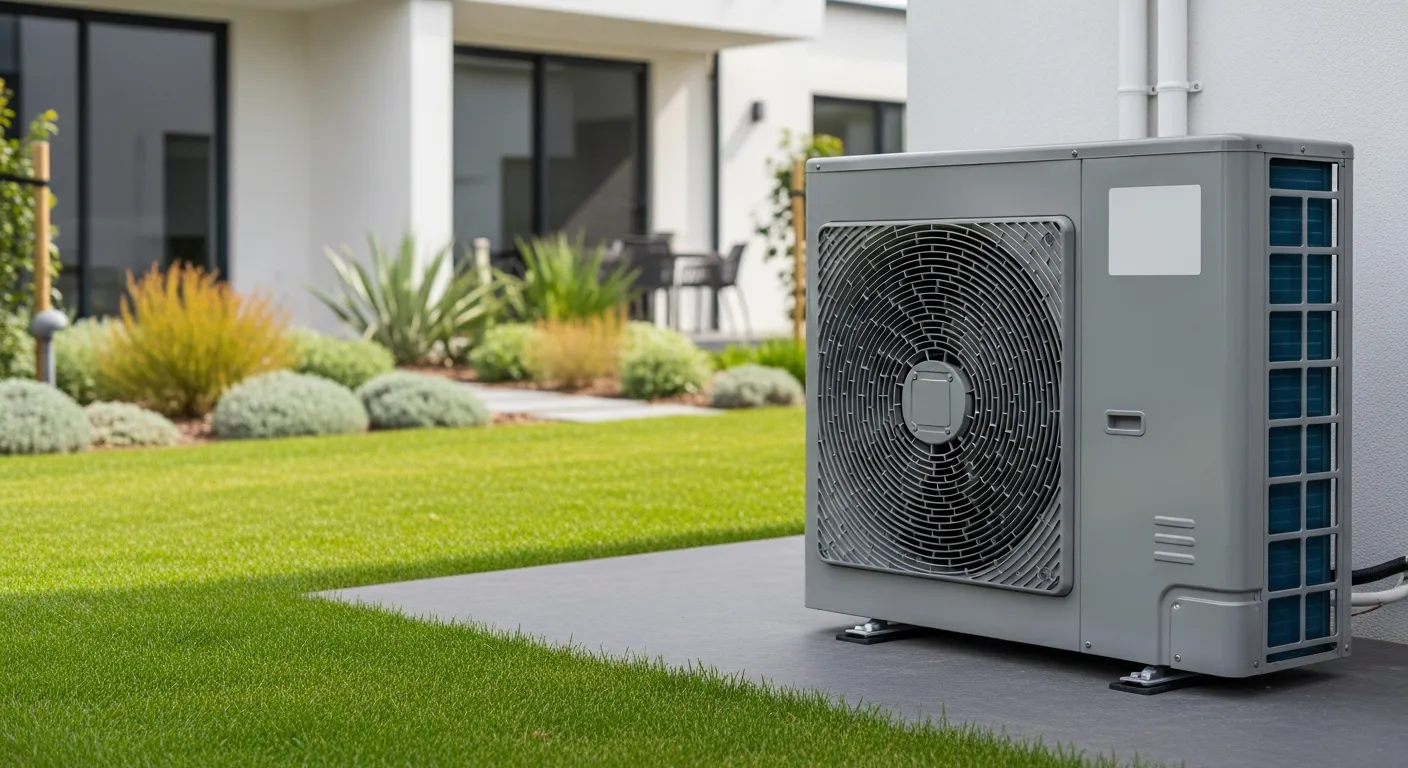
A standard split heat pump with an air handler is one of the most versatile HVAC systems, providing both heating and cooling through a single system.
- The indoor temperature of this system is regulated efficiently as the compressor circulates refrigerant.
- In cold weather, this system extracts heat from the outdoor air and brings it indoors. Vice versa during warmer months.
- The indoor air handler, with its blower, evenly distributes air throughout the living spaces.
- This HVAC system is highly preferred for its cost-effective installation and operation.
- It is considered energy-efficient compared to boilers or traditional furnaces.
Electric Furnace and AC Split System
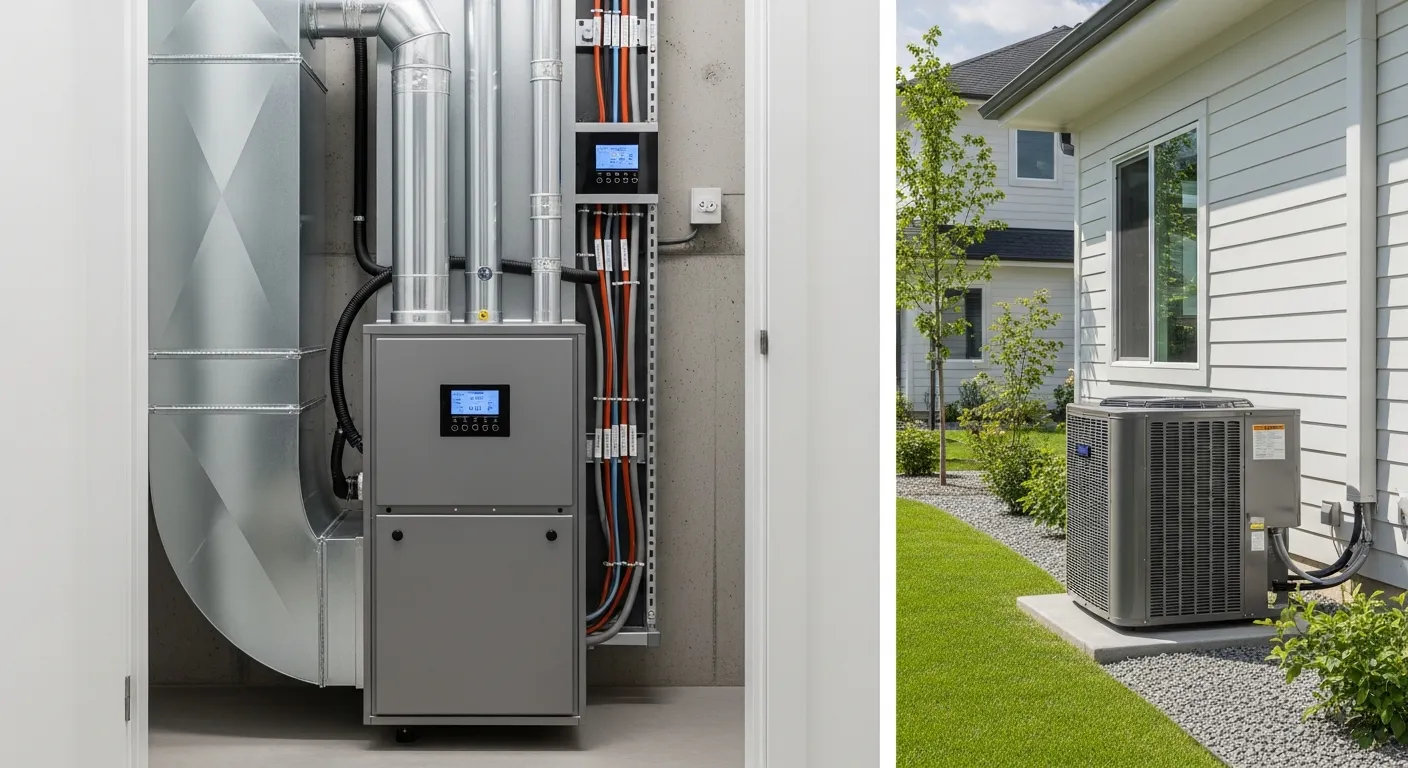
- An electric furnace and an AC split system are used in certain regions and are similar to forced-air systems.
- Despite the similarity, this uses electricity instead of gas or propane.
- This HVAC system works like a large heater with a fan that delivers warm air through ducts.
- If you live in a region with mild winters or short cold seasons, it is an ideal option for you.
- It is best suited for vacation homes or secondary homes with limited heating needs.
- Electric furnaces and AC split systems require less temperature control than other systems.
Standard AC & Furnace Split System
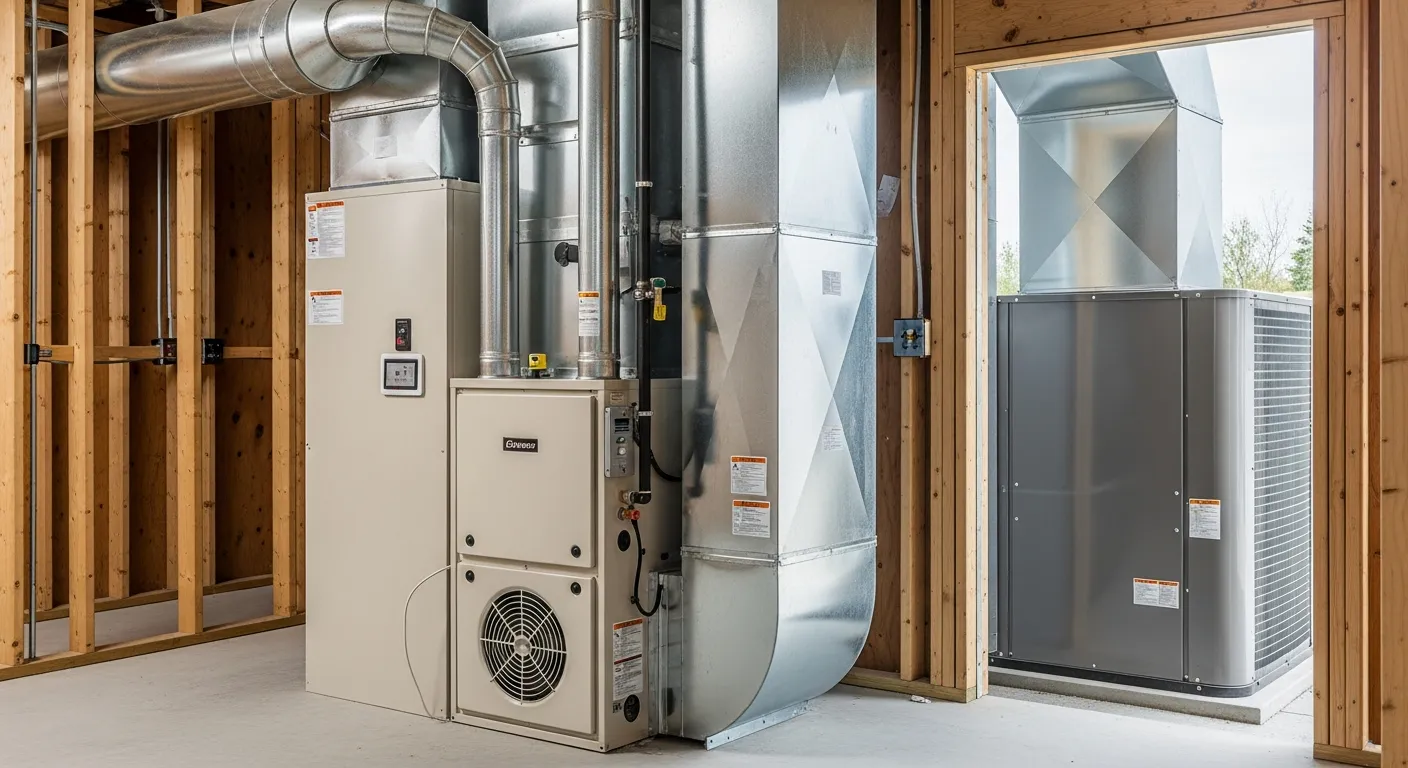
Standard AC & furnace split systems, also known as forced-air systems, are among the most common HVAC systems used in new construction projects.
- This system is operated by a blower fan inside the furnace that pulls in untreated air, conditions it whether heating or cooling, and redistributes it via ductwork across the home.
- Since the furnace runs on natural gas, homes without gas access can use propane-powered units instead.
- Furnace split systems are common in regions with moderate climates, where homeowners tend to rely more on heating in winter and on natural ventilation, such as open windows, during the summer.
- The main advantage of this system is its high energy efficiency, as modern gas furnaces typically require around 90% efficiency for proper operation. It also reduces energy costs and avoids environmental damage.
Boiler With Radiant Heat System & AC
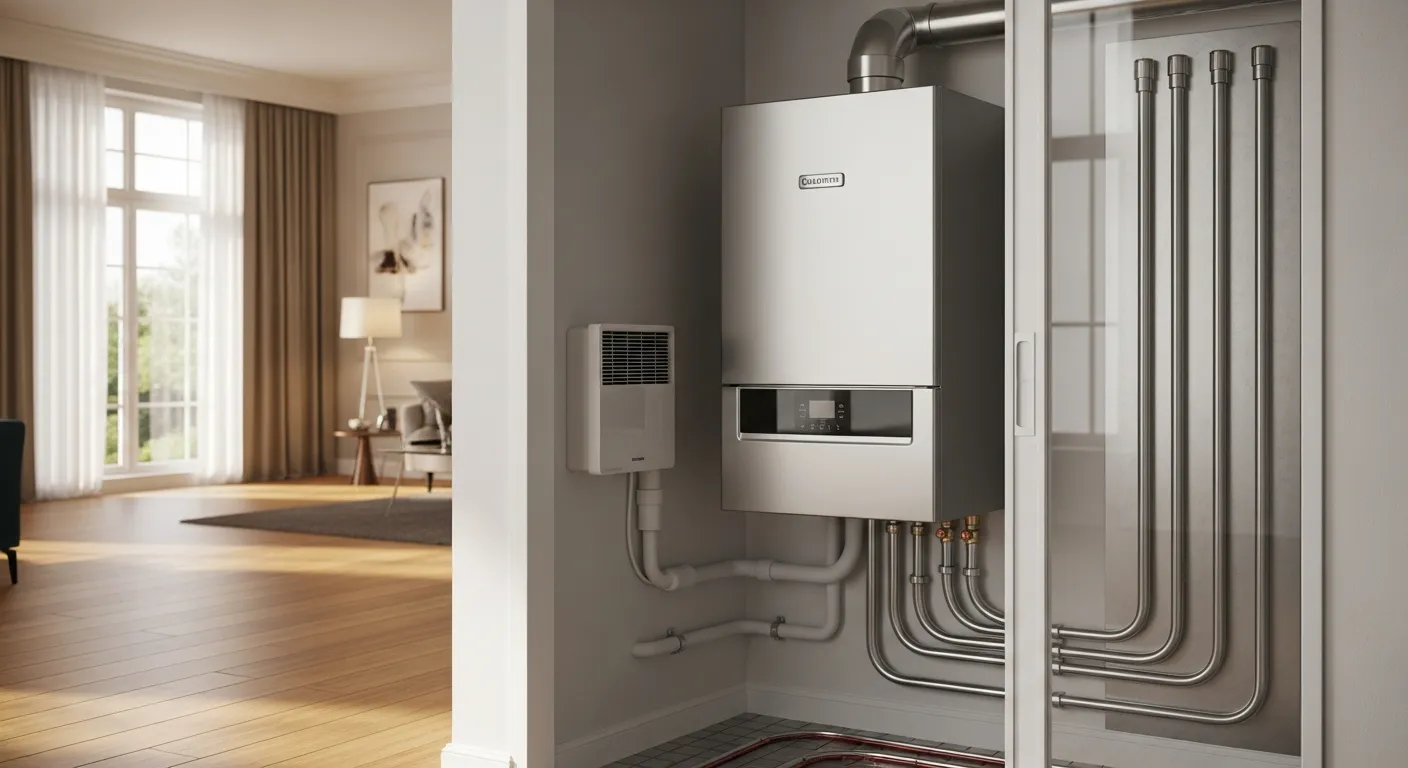
A boiler with a radiant heat system & AC is often known for combining efficient heating with an individual air conditioning unit for summer cooling.
- This HVAC system operates by heating water in a boiler to a high temperature and circulating it later via special pipes installed beneath the flooring to warm the living space properly.
- There are several types of systems that are unpopular for safety reasons, such as electric, natural gas, or propane for heating water.
- Compared to traditional systems, this HVAC system offers superior comfort by maintaining a proper balance of humidity and avoiding overly dry or overly damp air.
- Some systems also use combi-boilers to heat water for domestic hot water and for daily needs like bathing, cleaning, or washing.
- This HVAC system also offers the added benefit of warm, luxurious floors, especially during colder months.
- The boiler system may be beneficial in many ways, but it delivers heat slowly and sometimes takes up to an hour to reach the desired temperature.
- The installation of this system will require special radiant floor piping, which slightly increases complexity and upfront costs compared to forced-air or heat-pump systems. Nonetheless, once done, it can offer long-lasting benefits.
A boiler with a radiant heating system is an ideal option for homes with pre-designed radiant heating rather than upgrading new structures.
Geothermal Heat Pump System
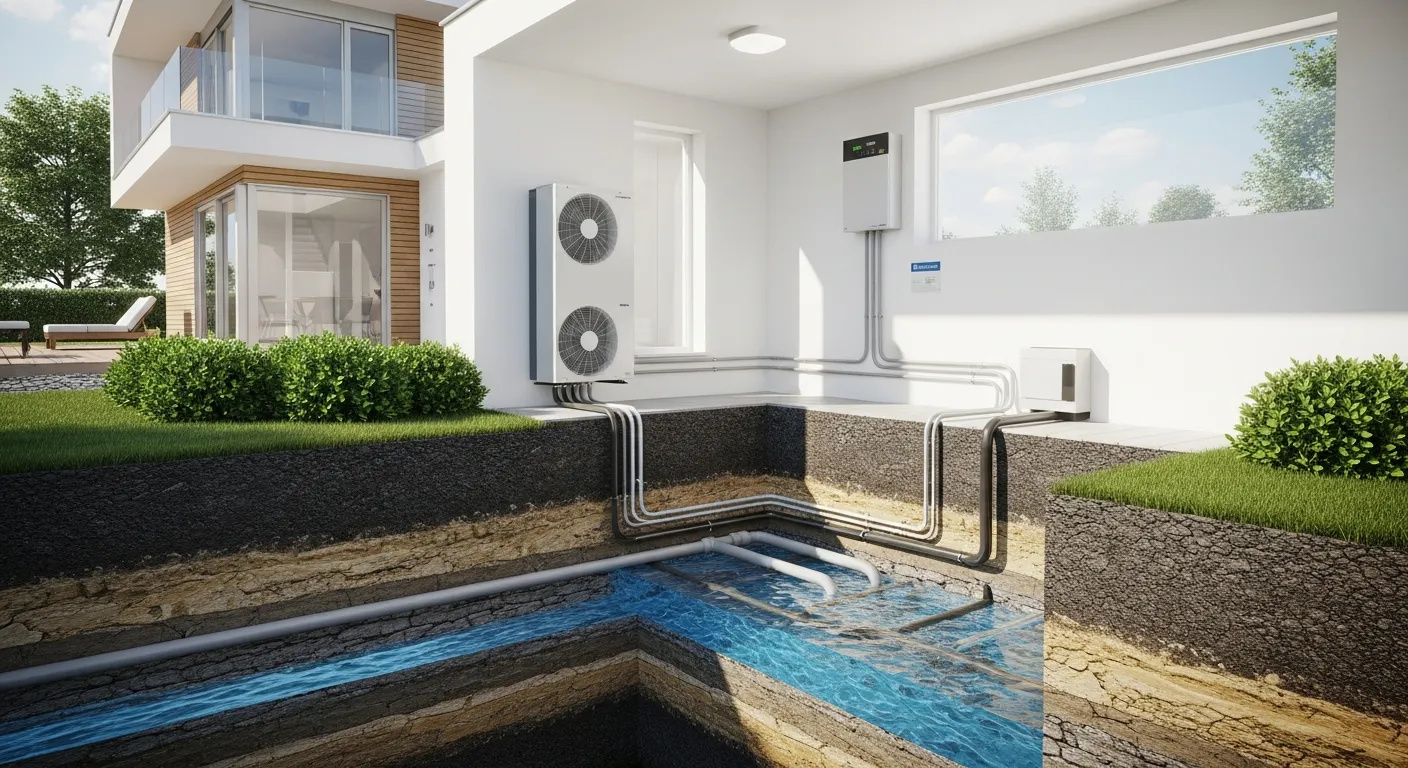
Geothermal heat pump systems are considered advanced HVAC options. It uses underground pipes to circulate water beneath the earth’s surface, warming it in winter and cooling it in summer.
- This HVAC system uses the earth’s temperature to provide heating and cooling, making it highly energy efficient.
- This system doesn’t rely on traditional sources, making it an ideal choice for eco-conscious homeowners focused on sustainable living.
- The geothermal system is highly preferred for its exceptional efficiency and durability, as it lasts 20 to 25 years before requiring any major repairs or replacements.
- It is one of the most cost-effective options for homeowners with new construction projects, as underground piping installation is easier.
- One drawback of the Geothermal Heat Pump System is that the upfront installation cost can be significantly higher than that of conventional HVAC systems.
- Installation in existing homes can be complex and expensive due to excavation needs.
- Maintenance and repair costs can rise, too, due to the use of specialized components; however, the results are long-lasting.
Despite some drawbacks, most homeowners choose a geothermal HVAC system for their new construction projects. It promises to offer substantial long-term savings on heating and cooling bills and ensures to remain environmentally friendly.
Ductless Mini-Split System
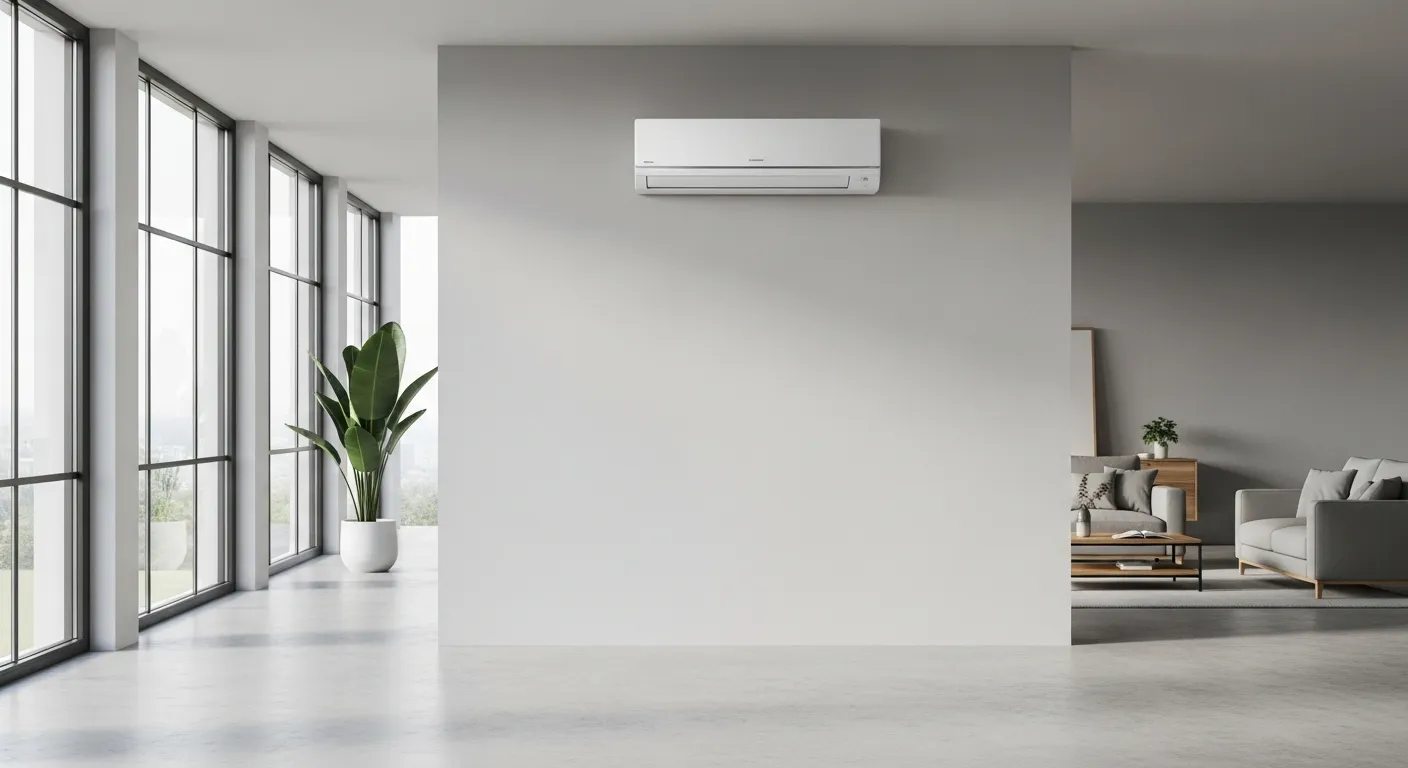
Ductless mini-split systems are an excellent choice for new construction and are often chosen by homeowners seeking precise temperature control without ductwork. It is the most suitable option for modern layouts and for impractical or disruptive duct installations.
Mini split systems ensure consistent comfort across every space, whether an open loft, a home office above the garage, or a bonus room.
Why Choose Mini-Splits?
- It offers room-by-room temperature control to eliminate hot and cold spots.
- It has no ductwork, reducing energy loss and making installation easier.
- It has built-in filtration that helps provide cleaner, healthier indoor air.
- Whisper-quiet operation, complementing open and shared living spaces.
Mini split systems deliver heating and cooling directly to individual zones, allowing homeowners to customize temperatures while lowering energy consumption. Ductless mini-splits deliver smart, sustainable results for modern homes, combining flexibility, efficiency, and improved air quality.
Choose Your HVAC System Wisely
Choosing an HVAC system that ensures long-lasting comfort, energy efficiency, and cost-effectiveness is crucial while building new construction. While making your final decision, make sure to check a system that prioritizes high energy efficiency, as it helps reduce utility expenses over time. It is important to strike a balance between the initial expensive investment and long-term savings to ensure alignment with your budget goals.
To maintain healthy indoor air quality, it is important to meet the modern HVAC standards. Before initiating the process of installing an HVAC system, have a clear knowledge of:
- Total installation costs per square foot.
- Available system options.
- Industry regulations.
This will help you confidently choose a system that offers optimal climate control technology for your new construction project.