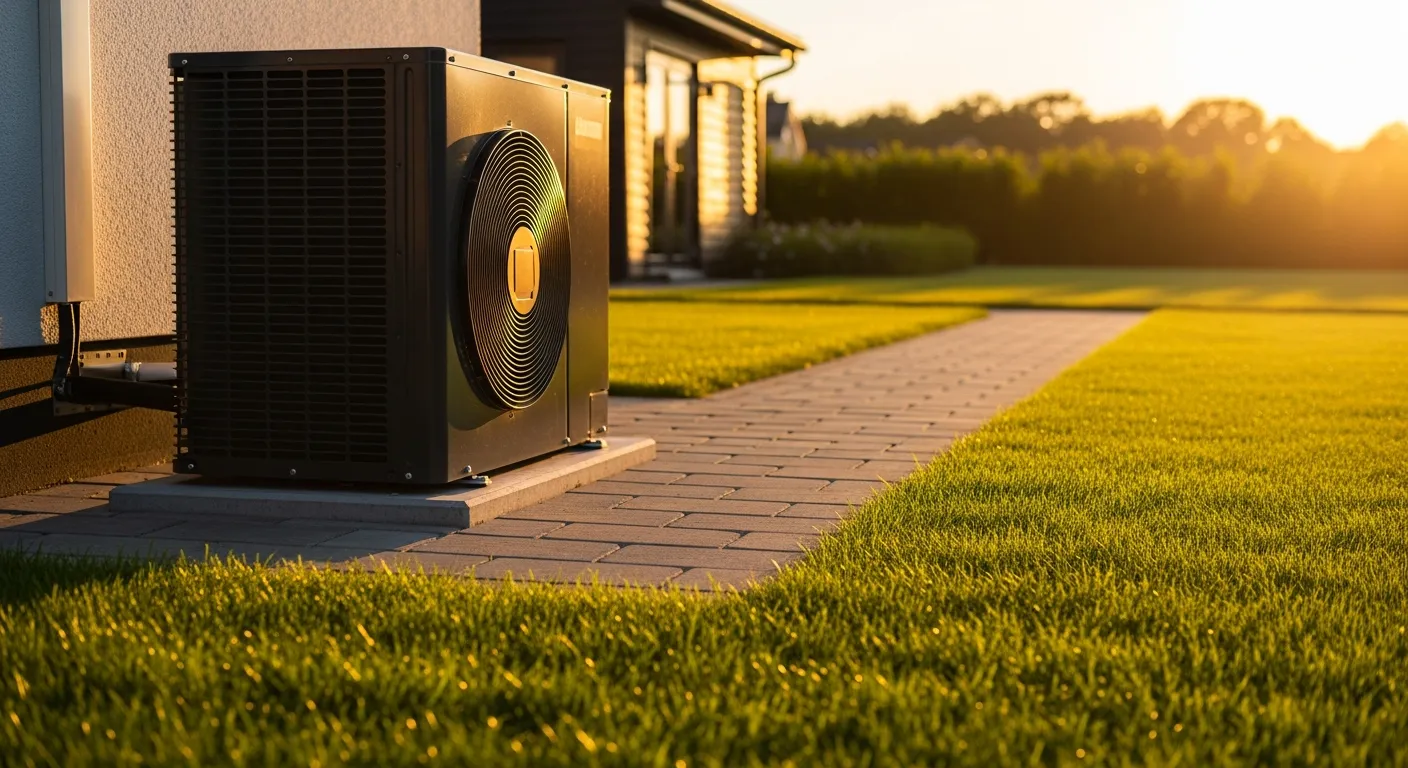
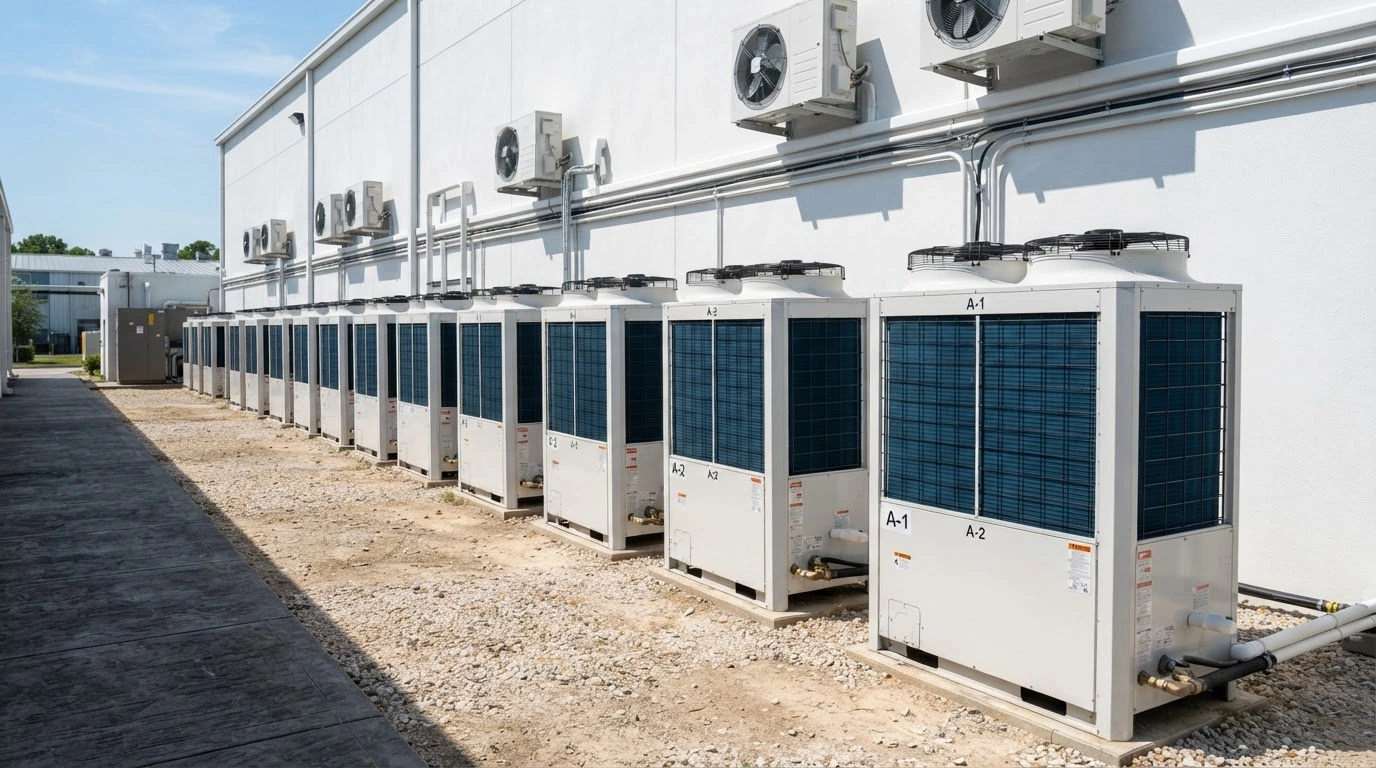
With the changing weather, everybody needs an appropriate heating and cooling system to maintain an ideal temperature. Heating, Ventilation, and Air Conditioning (HVAC) technology keeps your home comfortable all seasons, maintaining warm temperature during cold weather and vive-versa. The system controls indoor temperature, air quality, and airflow. HVAC systems come in different variants, such as split systems, packaged systems, etc., to suit different heating and cooling needs.
What Are the Different Parts of Heating and Cooling Systems?
To choose the right heating and cooling system for your home, you need to understand the different parts of these systems.
Different Parts of a Heating System
-
The furnace burns gas or oil to produce heat.
-
The boiler boils water to radiate heat.
-
A heat pump keeps your home warm by transferring heat from outdoor air to indoors.
-
Fan coils push warm air into ducts.
-
Ducts collect warm air from heat pumps or furnaces to distribute it across your home.
-
The thermostat guides you on how to operate the system for a desired temperature.
-
Packaged products include both heating and cooling systems together.
Different Parts of a Cooling System
-
An air conditioner and heat pump will remove warm air from indoors.
-
Fan coils spread cool air through the ducts to circulate it throughout the room.
-
Ducts collect cool air to distribute it to different rooms.
-
Evaporator coils capture warm air and send it to heat pumps or air conditioners.
-
The thermostat will tell you how to get the desired temperature in the room.
-
Package products are a combination of both heating and cooling systems.
What Are the Different Types of HVAC Systems?
HVAC Systems can be classified into a wide range so that you can choose the most suitable one according to your requirements and convenience.
Split HVAC System
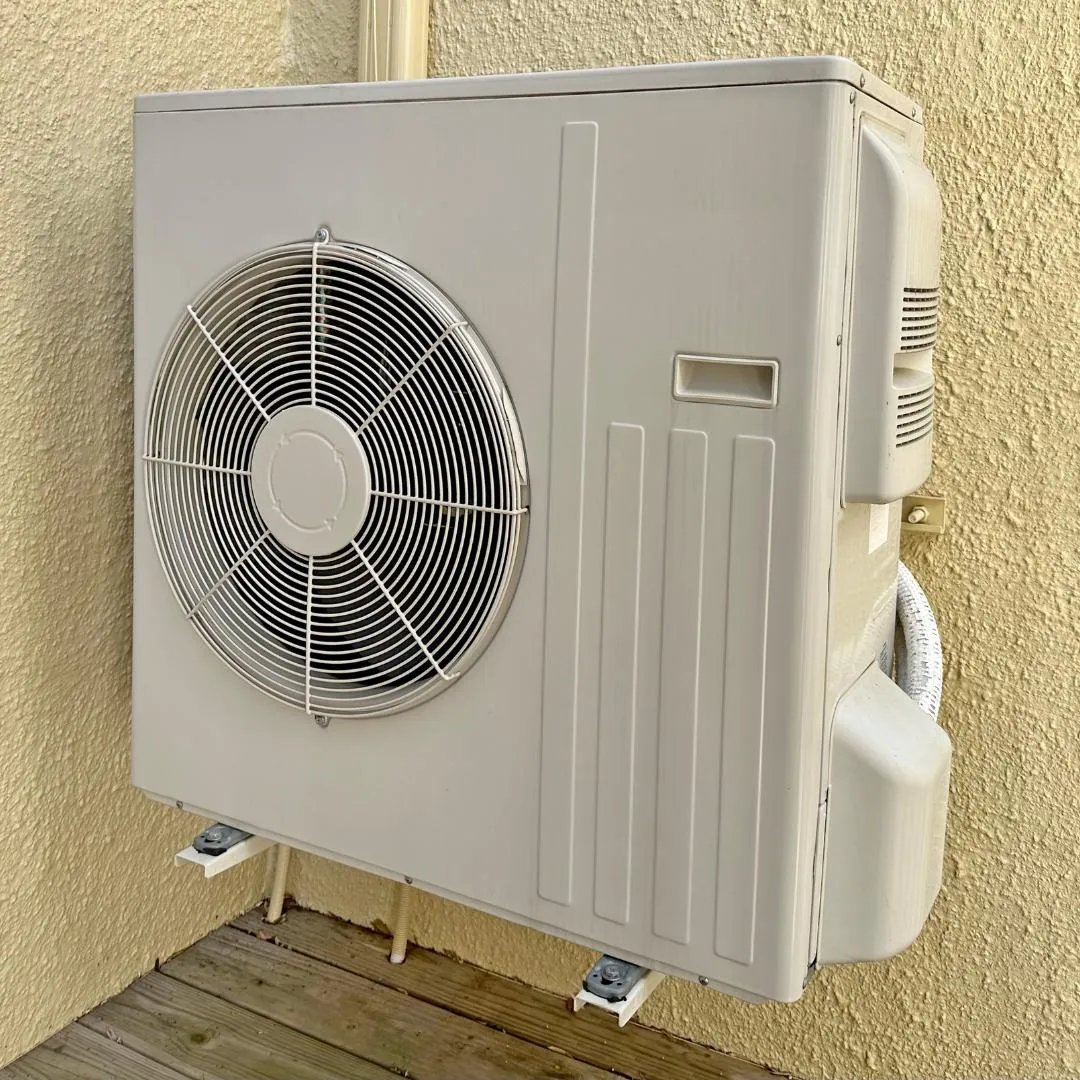
Split HVAC systems are a common option in most residential properties. The system operates on two separate components for heating or cooling the room with the help of a traditional thermostat for temperature control. The heating unit is generally installed in an indoor storage space, utility closet, or in the basement. The gas-powered heater uses a fan or an evaporator to pressurize warm air out of the room through the ducts. Similarly, the cooling system is installed outdoors and connects to the building’s ducts through tubes. It generates cool air for the indoors using refrigerant, coils, and compressors, while a fan leads warm air out of the building.
Heat Pump Systems
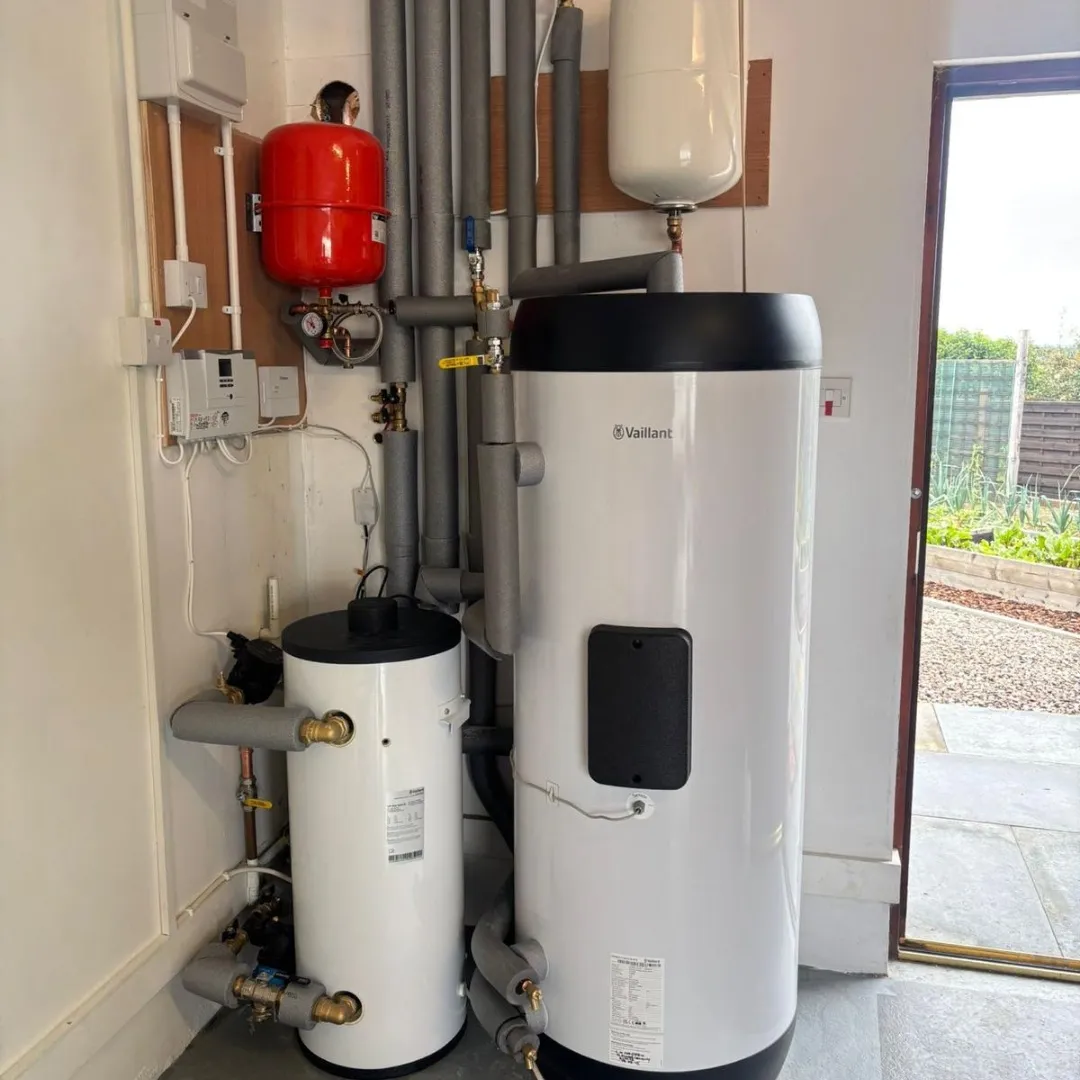
A heat pump works on the same technique as an air conditioner. However, the only difference is that an air conditioner makes your room cool, while a heat pump system keeps your room warm during winter. Heat pumps can be air-sourced and ground-sourced. In an air-source heat pump system, the pump uses outdoor air to keep the house warm during winter. This heat pump type is highly popular because of its low price and ease of installation. However, the other type, ground-source heat pump, gathers heat from the ground and is more efficient. Most homeowners with a permanent address prefer to get a ground-source heat pump.
Furnace Systems
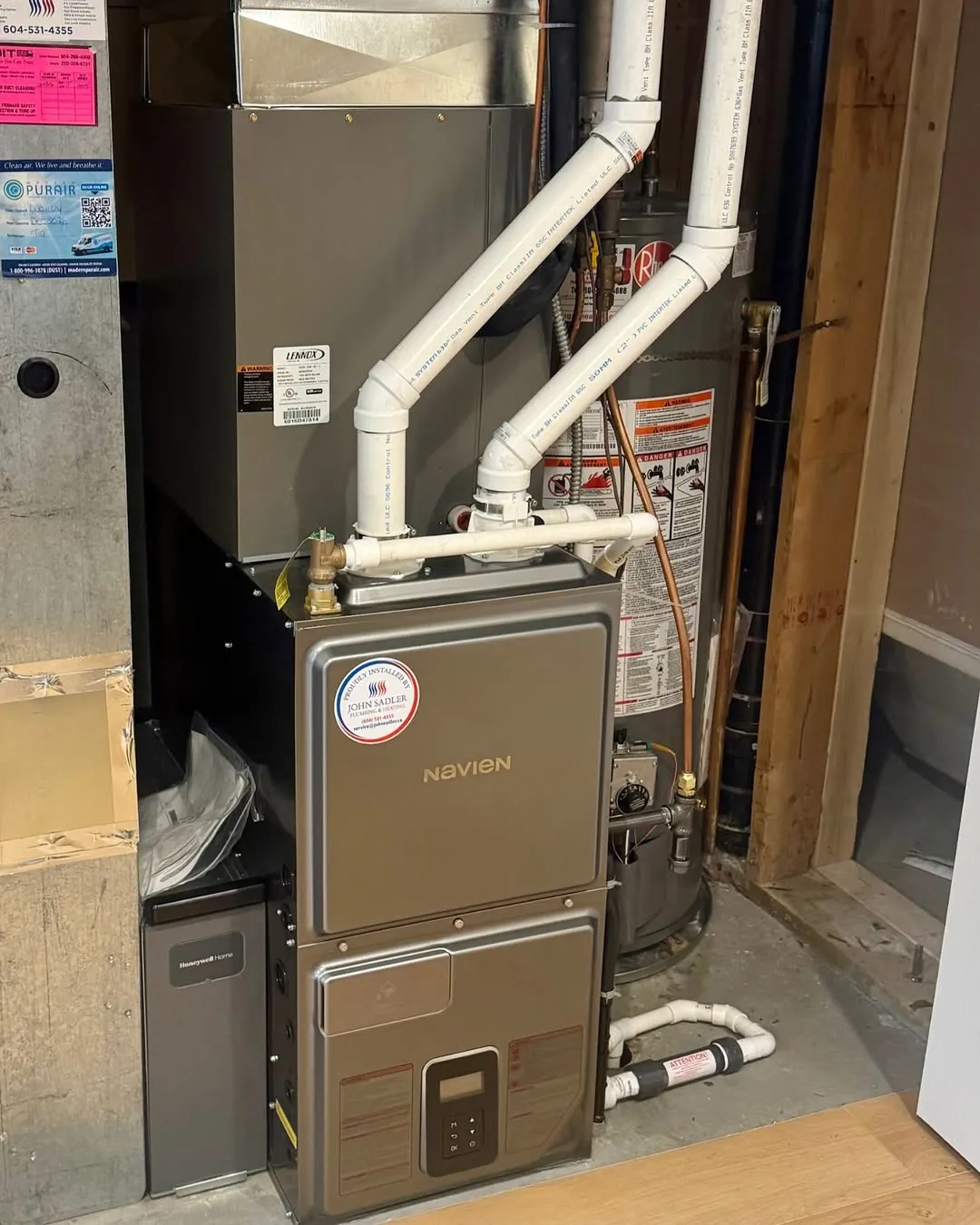
Furnace Systems are one of the most commonly used options in American homes. The system distributes warm air through ducts, which warms up different rooms and corners of the house through grills. Furnace systems can be of different types depending upon their operating mode, such as electric, fuel oil-based, and natural gas-based. In the case of natural gas and fuel oil furnaces, the burning fuel heats a metal heat exchanger which slowly releases heat into the air. The “air handler’s” furnace fan pushes this heat into the ductwork, from where it gets distributed to different parts of the house. Furnace systems are known for resource exploitation, and this has paved the path for new upgrades in furnace system technology lately.
Hydronic Heating Systems
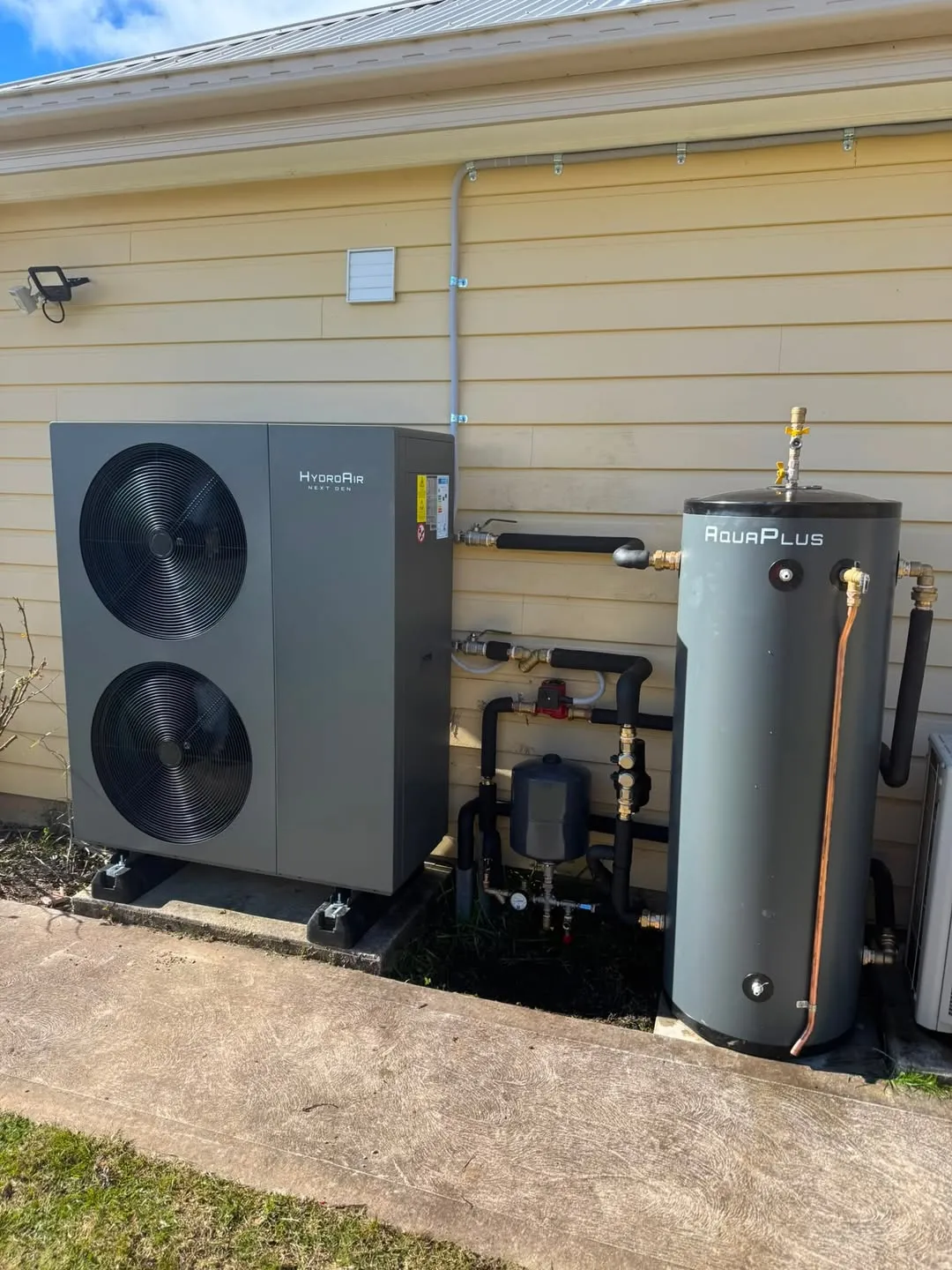
The operating technique of a hydronic heating system is much different from that of any other HVAC system. It heats water in a boiler, and then it is distributed throughout the building through underground pipelines. Soon, this heated water reaches a baseboard heater or a radiator that helps keep the room warm. In many houses, homeowners also use radiant flooring systems to keep the floor warm using this hydronic heating system.
Ductless Mini - Split Systems
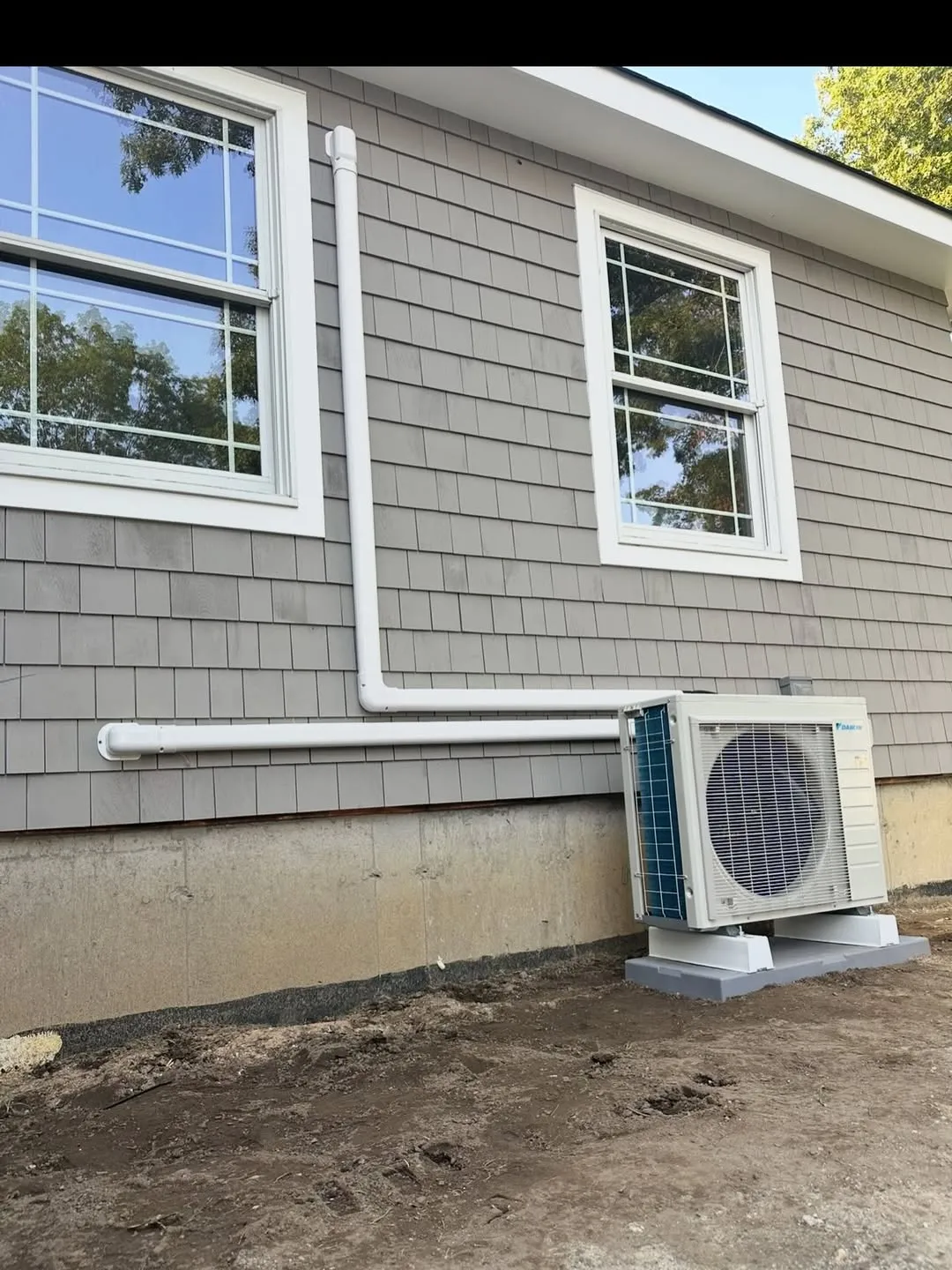
Ductless or duct-free mini-split systems are quite common in office buildings, hotels, and multifamily homes. These systems are installed in individual rooms and use a combination of indoor and outdoor units. A refrigerant, condenser, and compressor are installed outdoors, while a heat pump, air-handling unit, thermostat, and power cables are kept indoors. One outdoor compressor can handle as many as 9 indoor air-handling units, connected with power tubing.
These systems are expensive to install but are cost-effective in the long run, as they reduce energy consumption through their zone-wise operational technique. However, ductless mini-split systems may not work well in regions with below-freezing temperatures, and an additional heating system might be required.
Packaged HVAC Systems
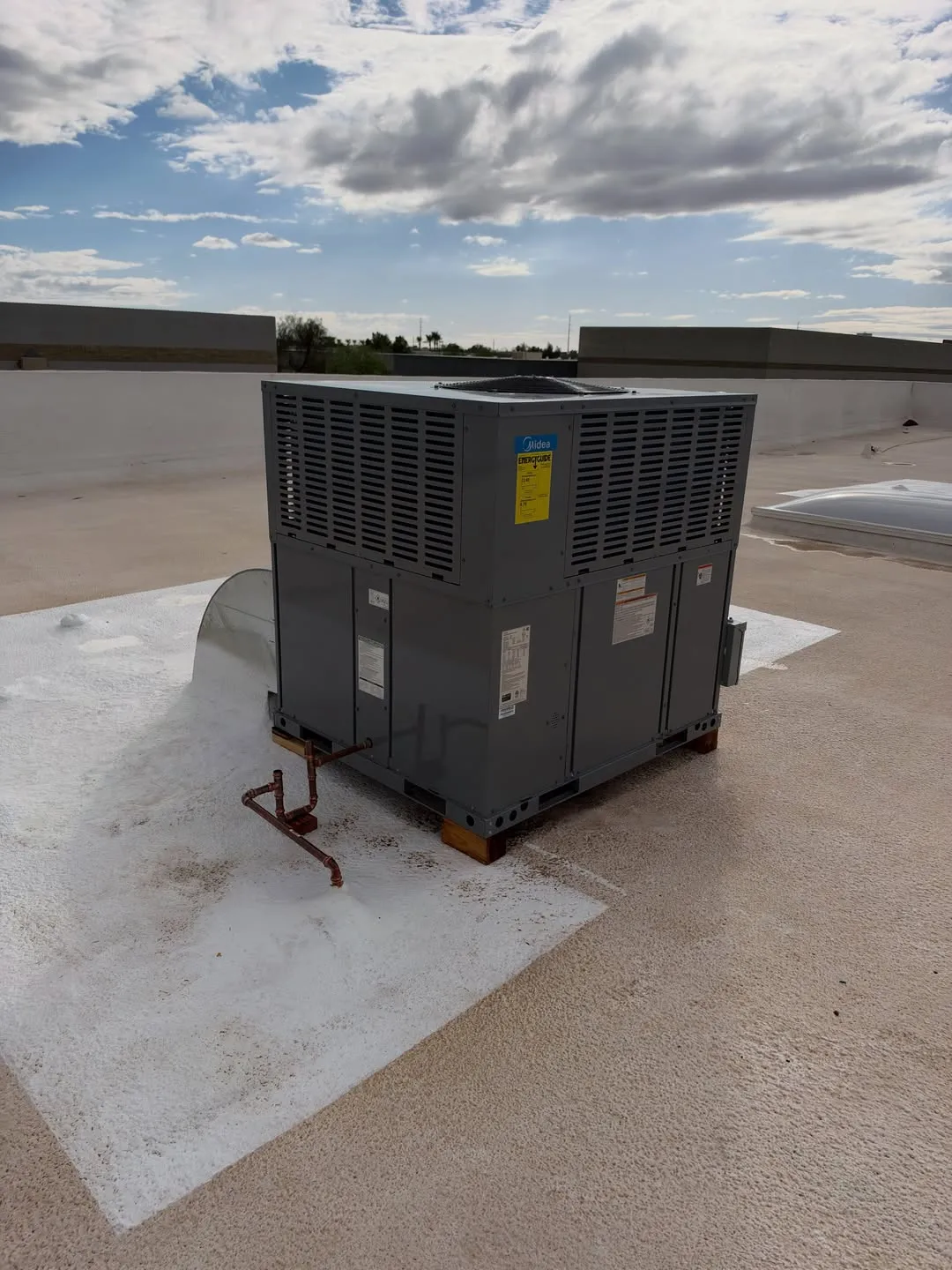
The smaller size of the packaged HVAC systems makes them suitable for buildings with smaller storage areas. A single unit houses the heating and cooling components, which can be kept conveniently on the roof, near the foundation, or in an attic space. The system requires a single hole in the wall through which it can connect to the duct and supply heat to the building. Homeowners can install either a packaged air conditioner with an air handler and heat strip elements or a packaged heat pump with evaporator coils, depending upon the prevailing weather conditions in the region. In either case, the installation cost and the maintenance hassle of the system will be quite low.
Hybrid or Dual Fuel HVAC Systems
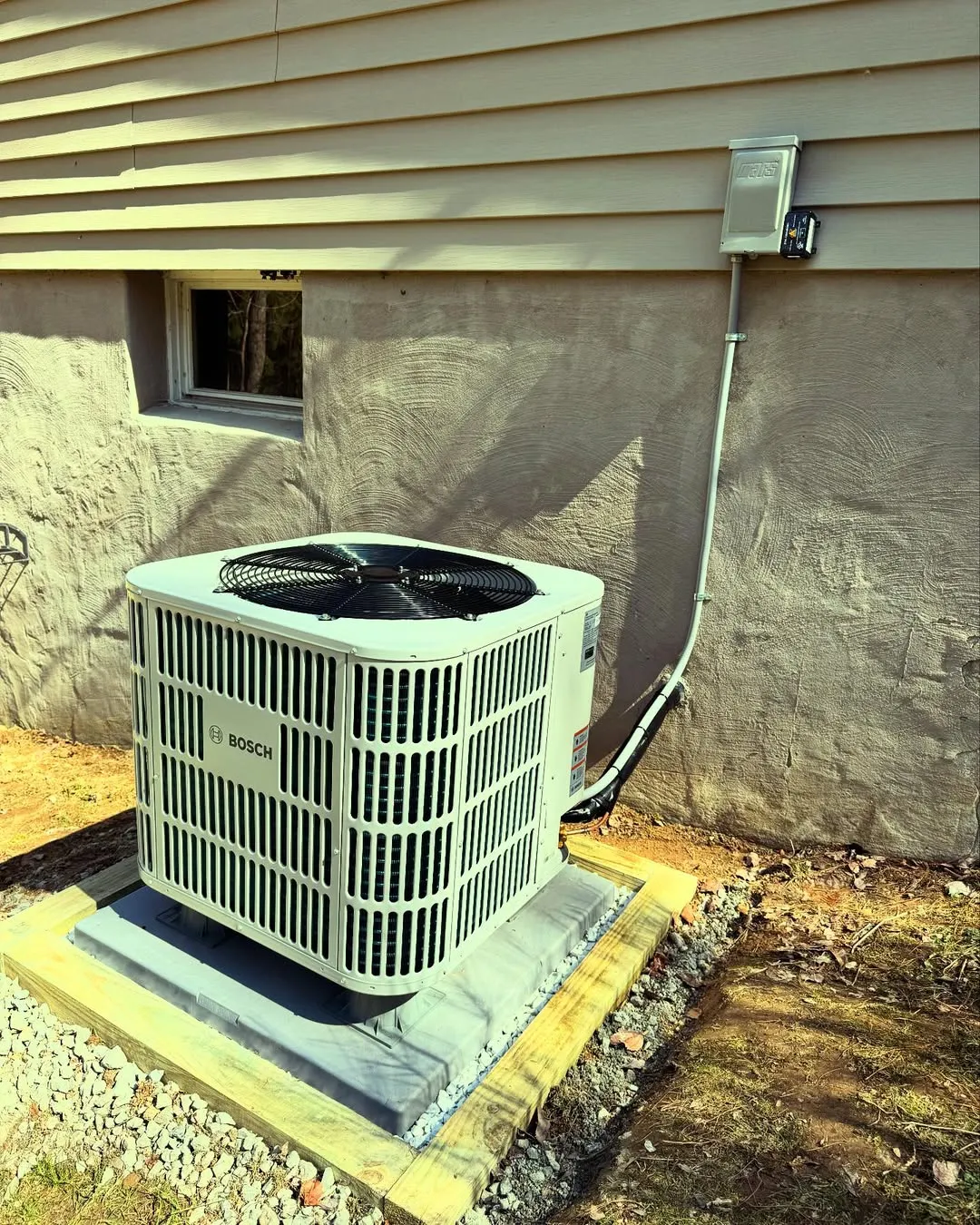
A hybrid HVAC system runs on the same mechanism as a split system with one major difference. The hybrid or dual fuel system does not rely on a single resource to generate heat. The heater in the system burns gas, but the system can also be operated in electronic mode. Although electric systems are less powerful and slower than the gas-powered systems, the former are a great pick in milder countries as they can help in limiting consumption of natural resources.
Geothermal HVAC Systems
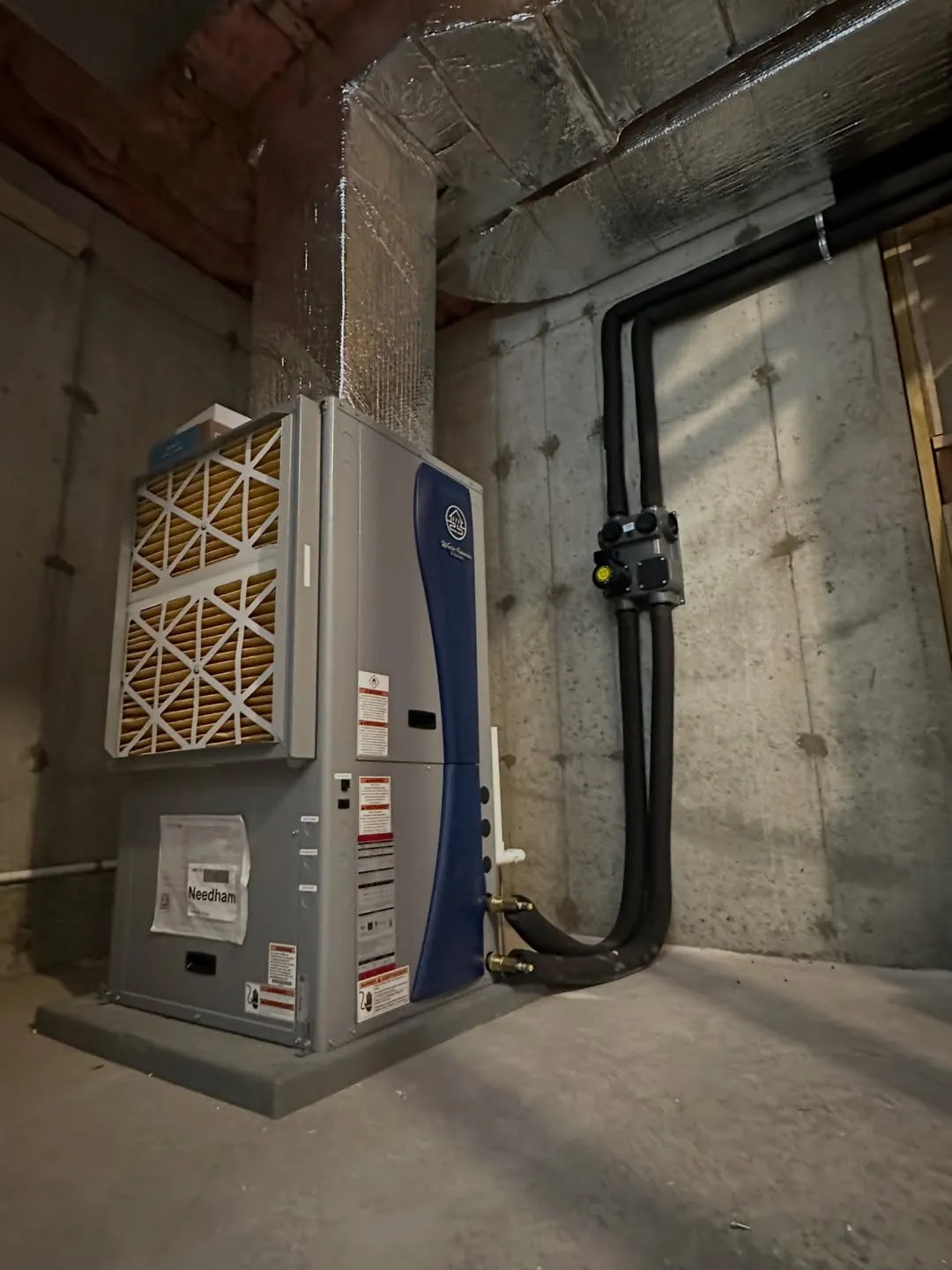
If you focus on getting an energy-efficient and environmentally friendly HVAC system for your home or office, geothermal is the right option to pick. The system does not rely on outdoor air; instead, it uses the natural temperature of the ground to either cool or heat your room. The system usually includes 3 parts. Ground loops are underground pipes that are filled with an antifreeze solution or water. An air distribution system, such as a radiant heating system or ducts and heat pump units, is installed inside the building.
VRF/ VRV HVAC Systems
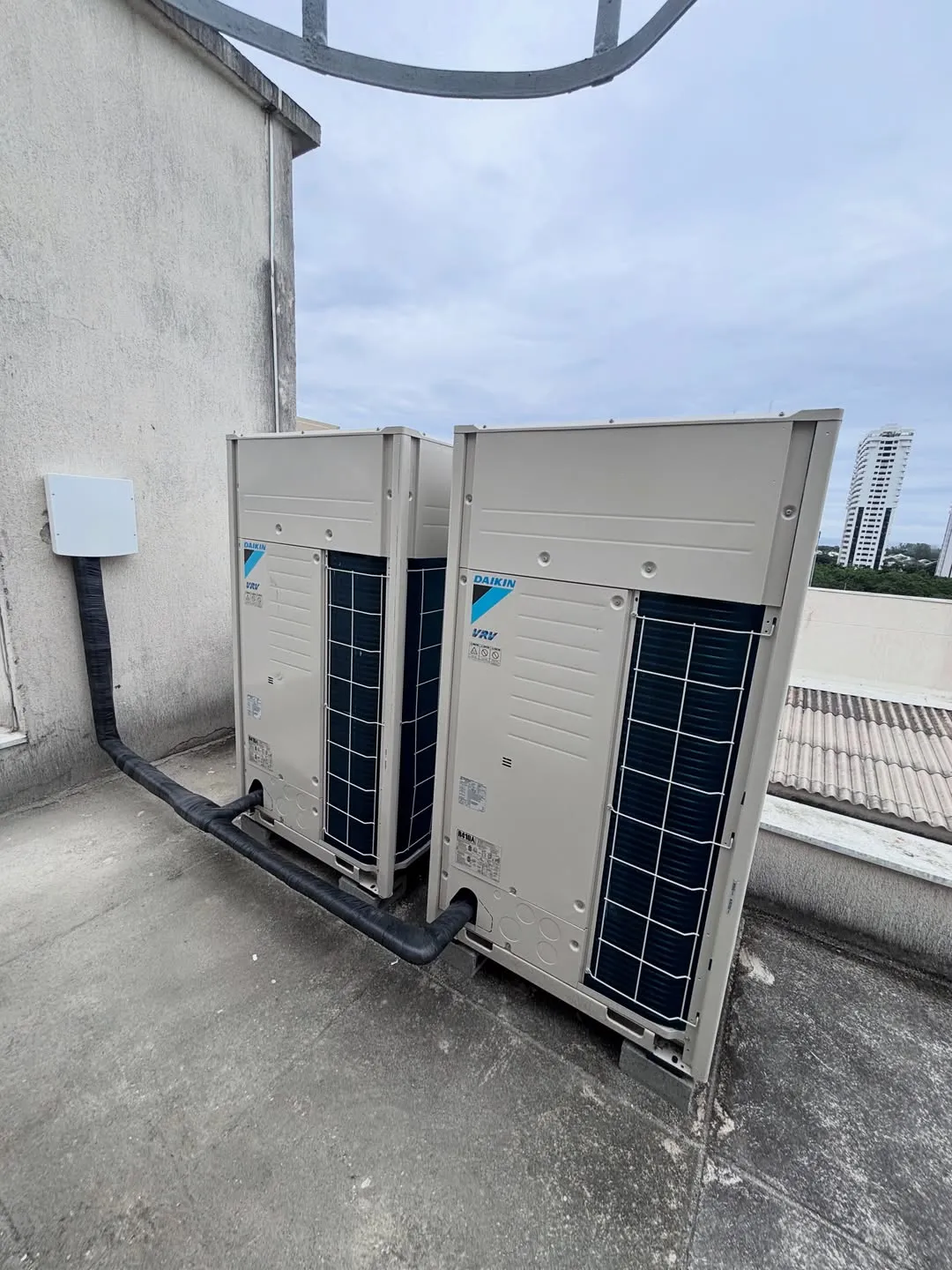
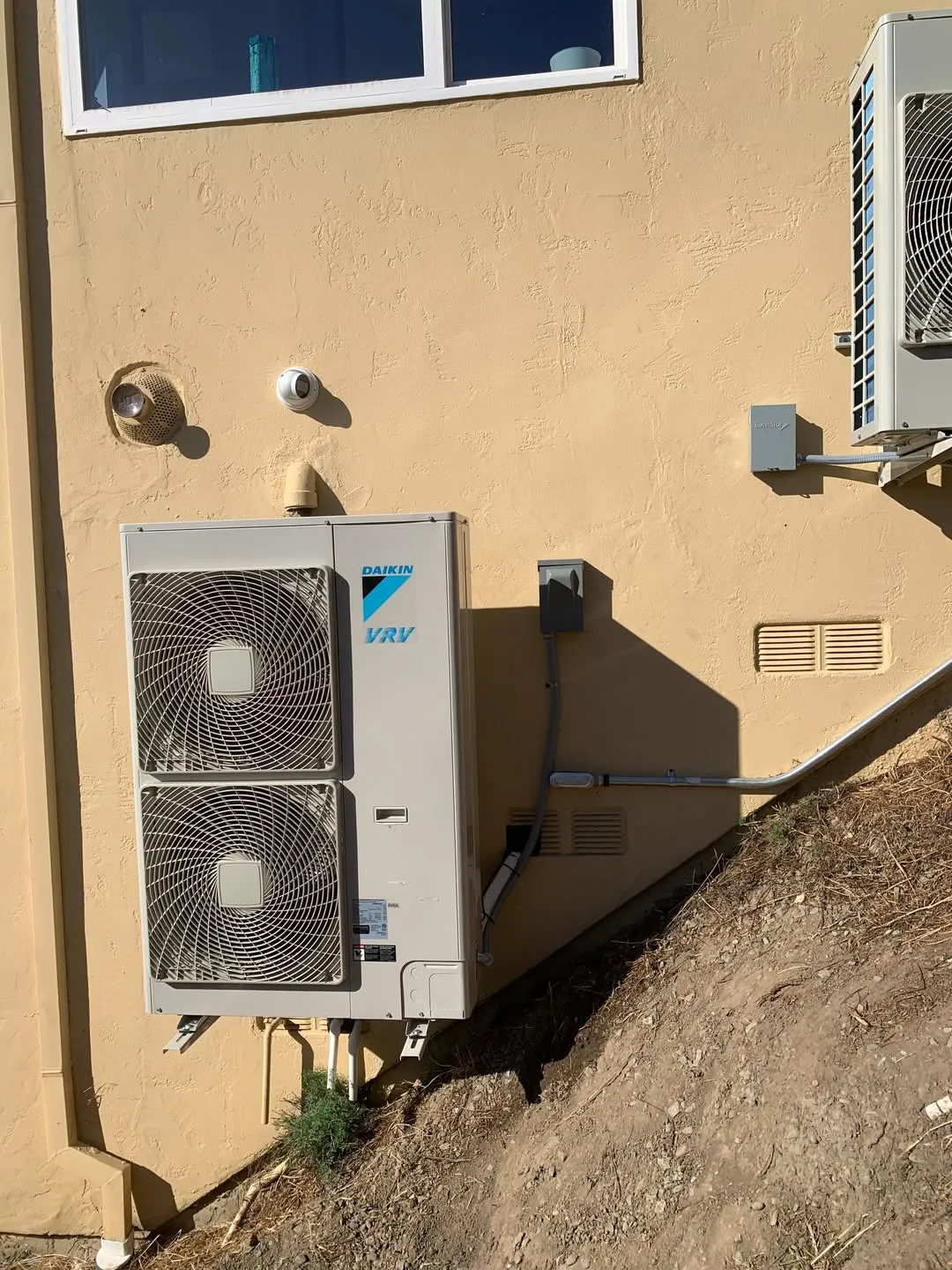
VRF (Variable Refrigerant Flow) or VRV (Variable Refrigerant Volume) are advanced variants of HVAC systems that are mostly used for commercial purposes. These systems are mostly known for high energy efficiency and precise temperature control. The system works by sending the exact amount of refrigerant to each indoor unit according to the temperature desired in different rooms. This way, the system prevents energy waste, ultimately contributing to energy conservation. As big commercial buildings may have requirements for different temperatures in different rooms, VRF/ VRV HVAC systems have become extremely popular in the commercial sector.
Zoned HVAC Systems
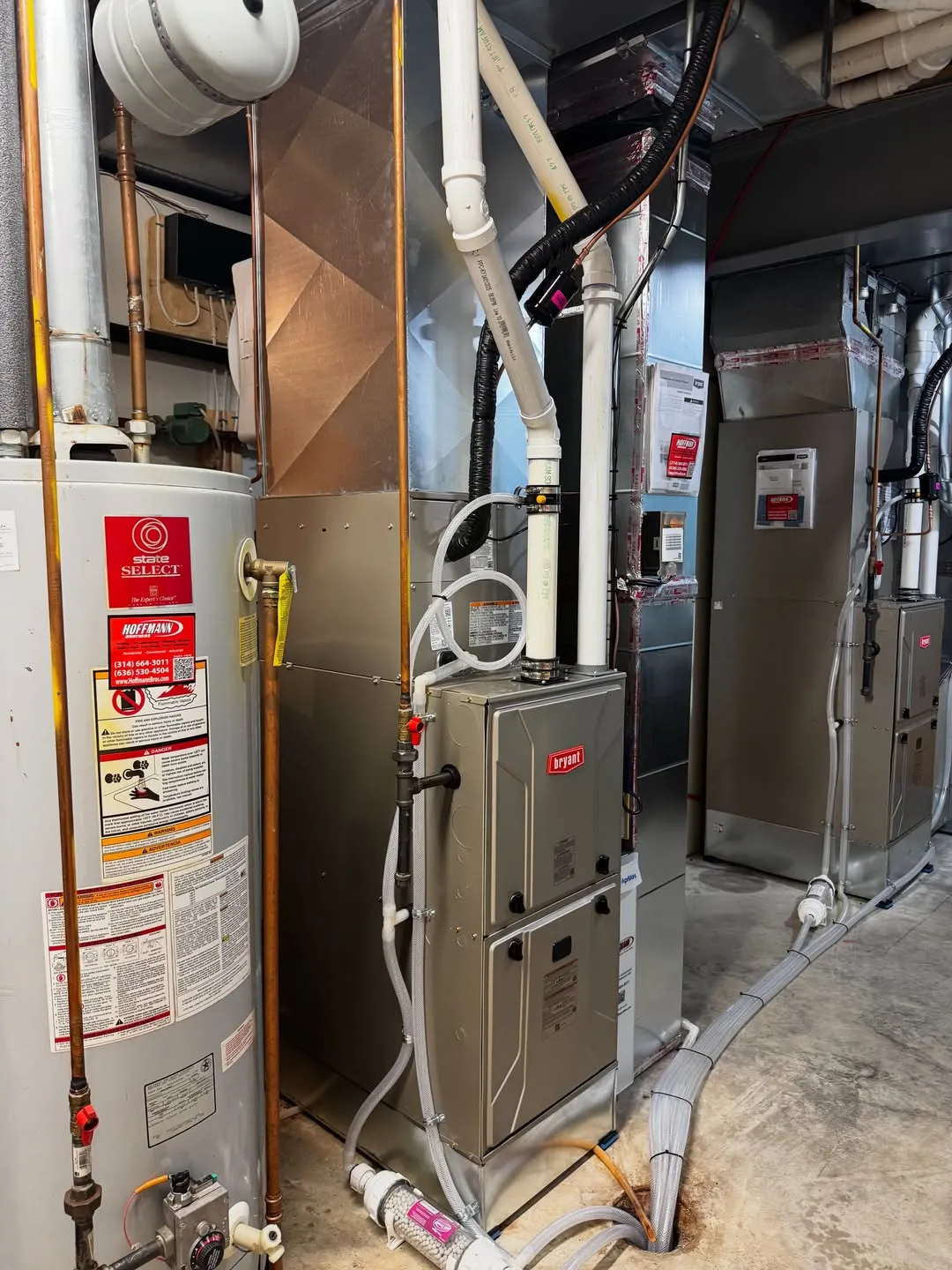
The biggest advantage of a zoned HVAC system is that it allows occupants the freedom to enjoy their choice of temperature in different rooms. Technicians usually zone ducted systems according to the building’s size to offer the convenience of heating and cooling in different rooms. One of the best examples is installing multiple HVAC systems on different floors in the case of a bigger building. Another way is to install dampers in the air ducts to control airflow. Such zoning techniques ensure comfort for every occupant in the building, even when the desired temperature is different for everyone.
How to Choose the Right HVAC System for Your Home?
If you are not sure which HVAC system will be suitable for your home, you must think through the key factors behind your purchase.
Size of the Property
Choosing the HVAC system according to the size and layout of your house is extremely necessary. While a small system will struggle to deliver results, a bigger system will lead to wastage of energy. The right thing is to check your home’s square footage and talk to the experts about which HVAC system will be most suitable for your place.
Energy Efficiency
Always check rating systems such as SEER2 and EER2 for cooling, then HSPF2 and AFUE for heating solutions. Higher ratings in each of these areas help ensure that your system is energy efficient. Higher energy efficiency will mean that you care about the environment, and also you will save well on your energy bills. One of the best ways is to pick options from Energy Star Certified HVAC systems to get energy-efficient options for your home.
Seasonal Requirements
The choice of HVAC system also depends upon the seasonal and climatic conditions of your area. For regions where summer is the dominant season, air conditioners will be highly useful, along with heat pumps for winters. Similarly, for cold regions, a boiler or a furnace will be more suitable.
Noise Level
Higher noise can lead to disturbance indoors. Look for advanced HVAC systems featuring options including variable-speed fans and insulated compressors to keep the noise level low and maintain a comfortable living environment even when the system is running.
Smart Features
Modern homeowners will always look for innovative HVAC systems which come loaded with smart features, including zoning. It allows you to maintain different temperatures in different rooms at the same time. Also, many modern HVAC systems are featured with smart home integration that allows you to control the system remotely through voice assistants or apps.
Warranty
Even when you have installed a premium-quality HVAC system, the system may require repair and replacement after a certain period. It is better to go for an HVAC system brand that offers a warranty on the system to cover expenses for repair and replacement for a certain period.
The Budget
HVAC systems will have instant as well as long-term expenses. Installation of premium-quality systems will involve immediate expenses, while average-quality systems may call for regular repair expenses. Also, the right selection of HVAC systems helps reduce energy consumption, leading to lower energy bills. You must cross-check all the aspects to understand which option will be most convenient for you.
Common HVAC Problems and Maintenance Tips
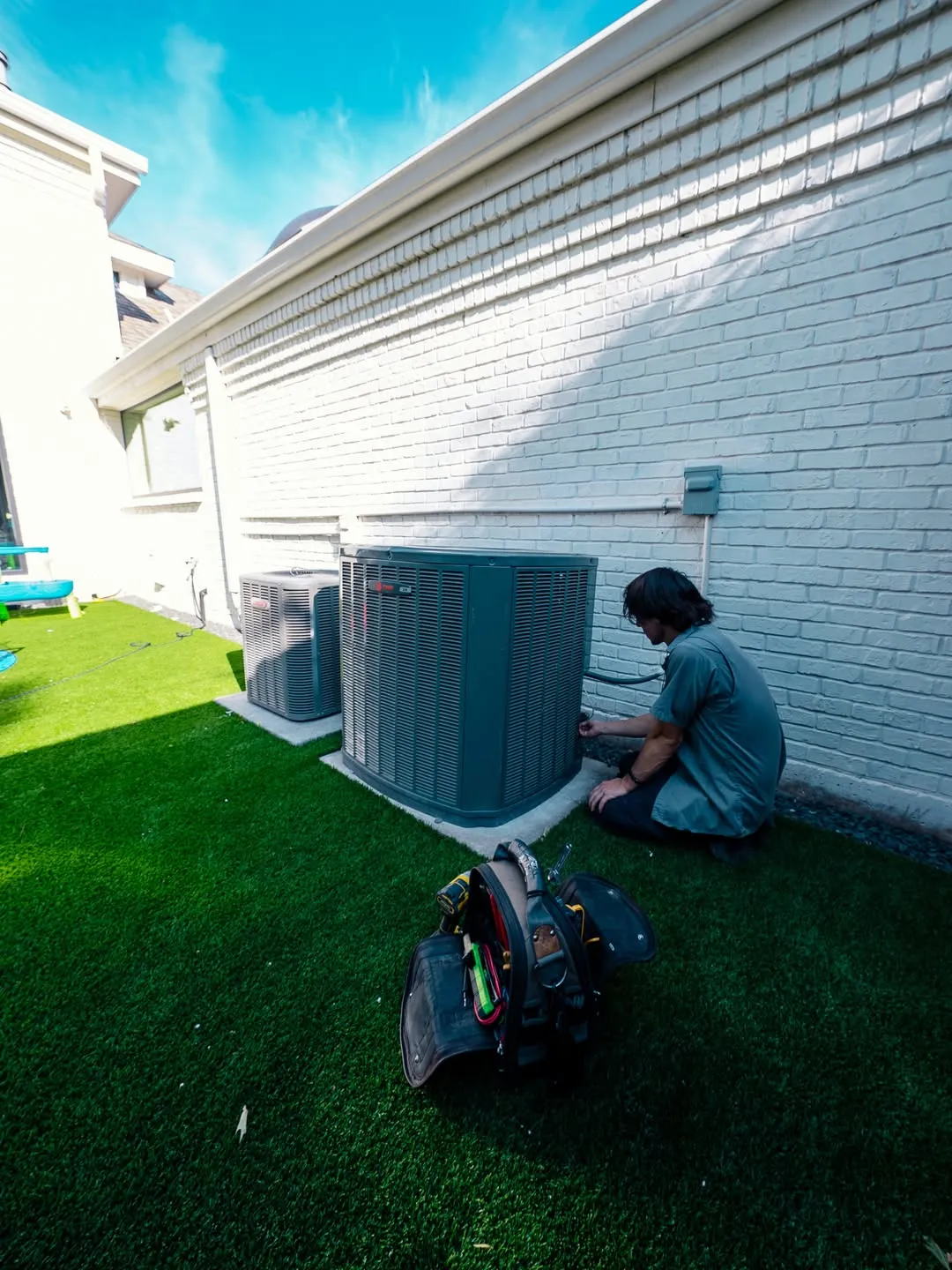
Just installing an HVAC system won’t work. You must also be aware of the common problems that you may face and should know some of the common maintenance tips to keep them working. Of course, when nothing works, you must always get in touch with an expert.
Dirty Filters and Ductwork
Dirty filters are some of the most common problems that block airflow and overburden the unit, causing overheating and premature wear. The only way here is to replace the dirty filters. If you wish to do it yourself, ensure that you go through the HVAC manual to pick the right filter. On the other hand, clogged ductwork is another common problem that can deteriorate the indoor environment and cause breathing-related issues. Ensure regular cleaning of the ductwork to avoid such issues.
Dirty Evaporator Coils and Condenser
Missed servicing of the HVAC system can lead to dirty condenser and evaporator coils, which reduces the efficiency of the system. A professional can help with servicing and dealing with such a situation.
Ignition and Pilot Light Problems
Any malfunction in the components or materials of the furnace will lead to trouble with ignition. Any issue with the pilot light, burners, or flame sensors can be a common problem area. When such a problem arises, you must immediately get in touch with a professional to get a solution.
Blown Fuses and Tripped Breakers
Overworked HVAC systems due to clogged filters can lead to tripped breakers or blown fuses that ultimately cause a complete shutdown of the system. Changing the filter is a potential solution in this case. However, you can also check with a technician to get an alternative solution.
Malfunctioning Thermostat
A malfunctioning thermostat can also be a reason your furnace is not working. You can initially check the system’s manual to understand the problem and troubleshoot it. If you still cannot solve it, get in touch with a professional.
Water Leakage from Ducts and the Unit
When the drainage system of the HVAC gets clogged, it causes water to move backward, which soon causes leakage from the unit or the ductwork. Leaking ducts will cause an uncomfortable environment indoors and will also lead to higher energy bills. The solution to this is to keep the drain clean by pouring bleach through it or asking your technician for help.
Uneven Room Temperatures and Negative Pressure
If the HVAC system is not offering the same results throughout the house, this is another concern that you must not miss. This can happen for various reasons, such as wrong placement of ducts, and others. One of the best ways is to get in touch with a professional who will diagnose the problem and will come up with an accurate solution.
Conclusion
HVAC systems are necessities in modern homes. However, most homeowners are not aware of which HVAC system will be most appropriate for their house. You must understand the purpose of different HVAC options available today to pick the most suitable one for your home. Also, you must understand their basic maintenance needs so that you do not have to face major problems with the system ahead.