Purple flowers have a soothing effect on the mind. That’s why many gardeners opt for bushes with purple flowers. The color purple has long been considered a symbol of loyalty, making the backyard look rich and elegant. Shrubs with purple flowers and complementing green leaves are among the prettiest additions to the garden.
You can plant purple flower shrubs in containers, raised bed gardens, and even along the borders. There are plenty of choices you can opt for, such as lovely lilacs, punchy palms, soft lavenders, etc. If you prefer a softer contrast, you can also consider white flowering trees to complement the purple blooms and create a balanced garden color palette. In this blog, we highlight a few of the most beloved shrubs that bloom purple. Read to the end to find the best-suited shrub for your garden.
17 Bushes With Purple Flowers
Here are 17 bushes that bear purple flowers to add a pop of color to the backyard -
Dandy Man Purple Rhododendron
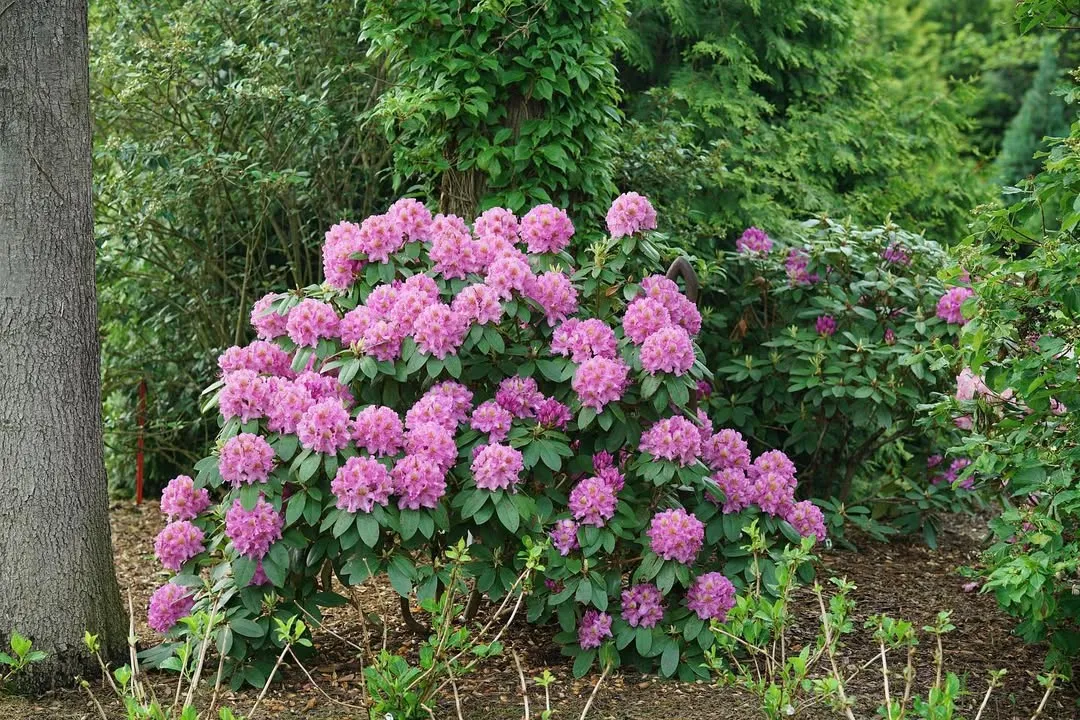
Dandy Man Purple Rhododendron is a spring-blooming variety with large trusses of blooms. The beauty of this bush flower is that it can grow in full or partial sun, and thrives best in both moist and acidic soil.
The plane can grow up to 8 feet by 8 feet, and is best planted in a large container for a beautiful entryway display. It is quite cold-hardy, as it was developed with northern gardeners in mind.
Ebb Tide Rose
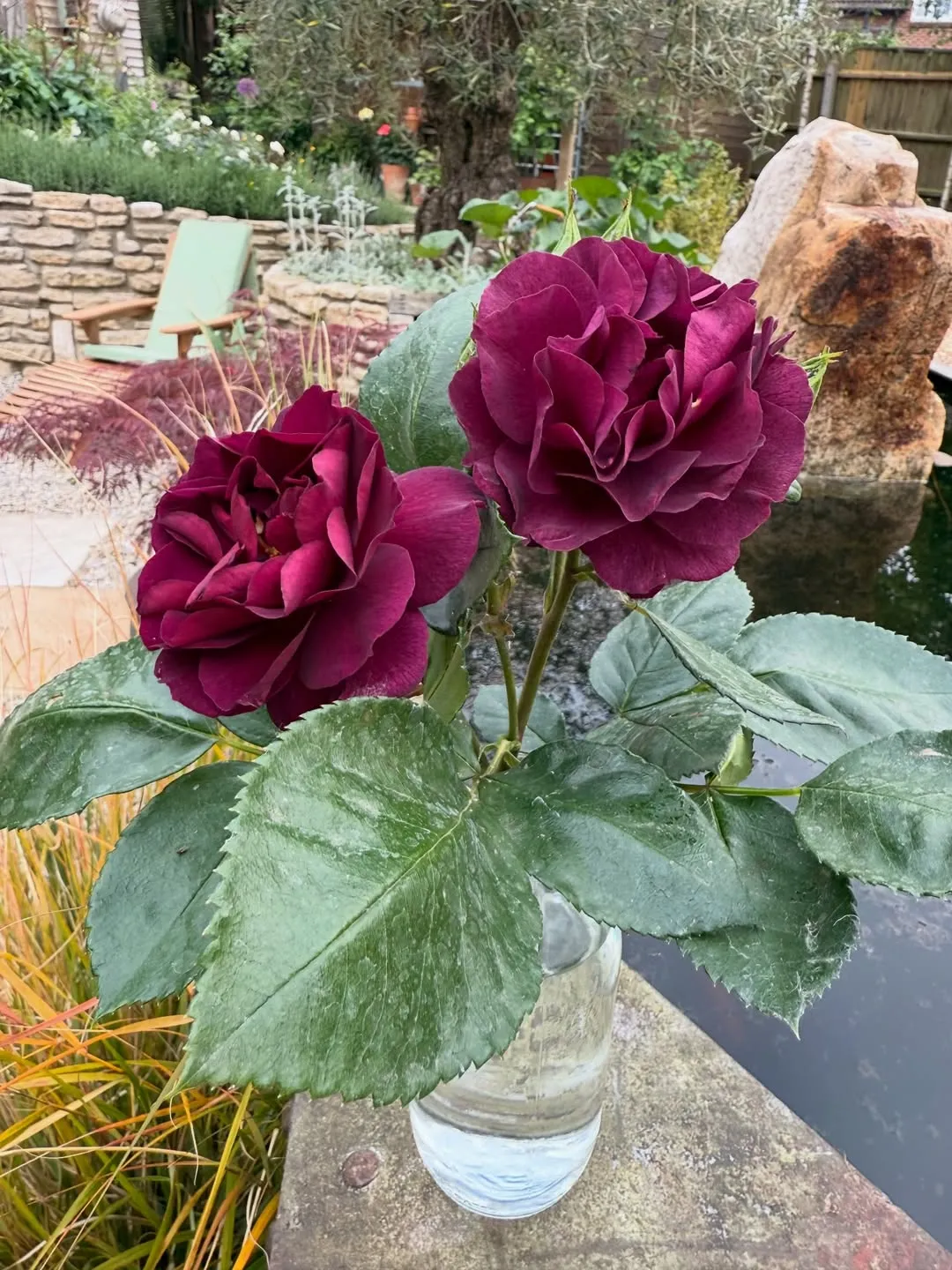
Ebb Tide Rose has deep purple flowers and a somewhat spicy fragrance, which is a mix of cloves and citrus. The luscious, double-ruffled flowers have more than 35 petals each and reach 3-4 inches wide.
For best results, it is advised to keep it in the sun; also, it is important to be patient, as the color is quite light at first. However, as the plant matures, the color darkens. The plant grows up to 4 feet tall and wide, making it perfect for small gardens.
Cutleaf Lilac
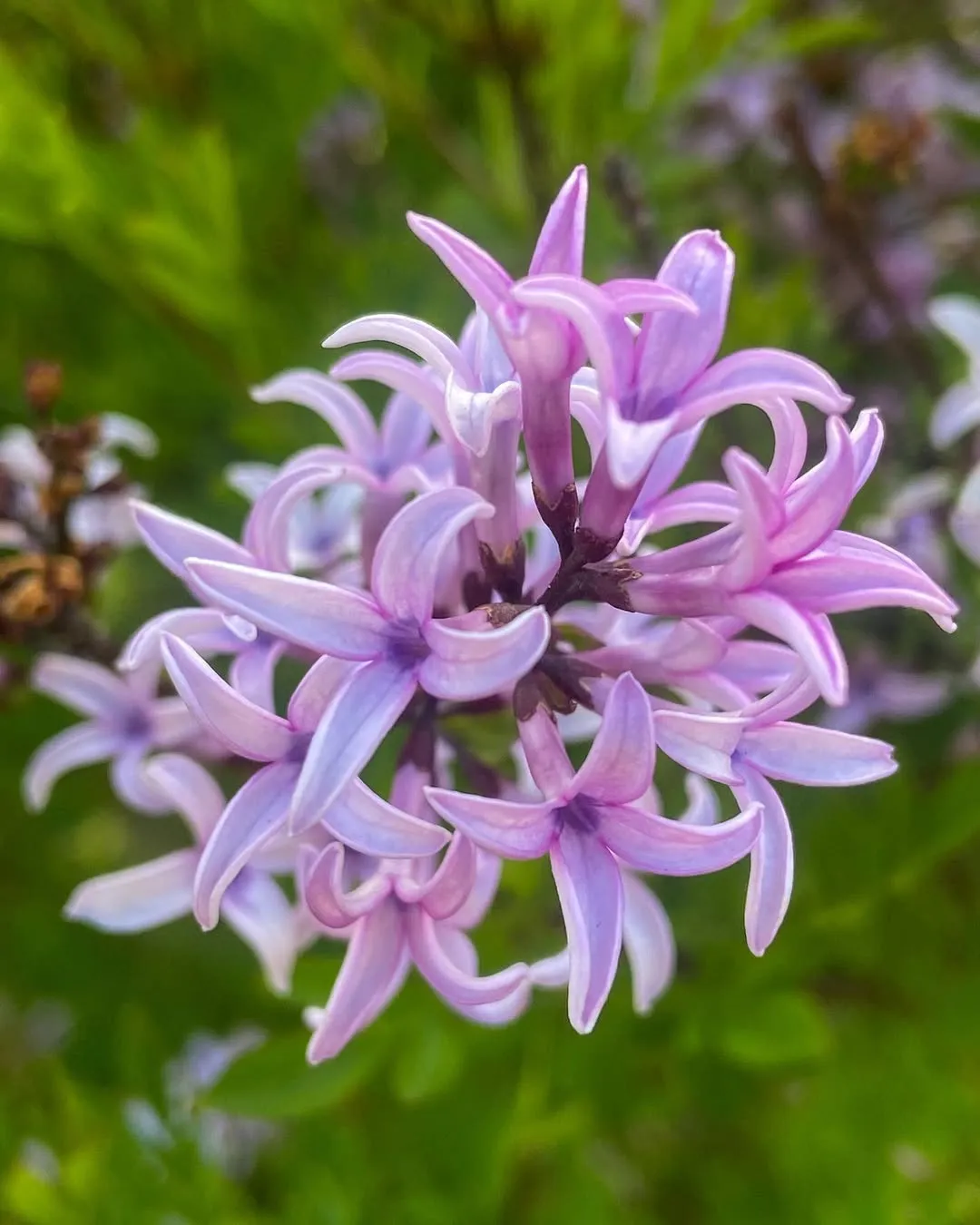
The pretty lavender-colored flowers of the Cutleaf Lilac bloom in spring, and they are breathtaking. This is perfect for a small garden because the sweet fragrance can circulate well, making it pleasant to spend some time outside.
Cutleaf lilac bush flowers grow up to 6 to 8 feet high and wide and form a round shrub. The best part is that these shrubs can grow in both partial and full sun, as many are very heat-tolerant. It is also preferred by pollinators. If you are comparing flowering shrubs and trees for your landscape, a magnolia comparison can also help you understand differences in size, bloom characteristics, and growing requirements.
Golden Dewdrop
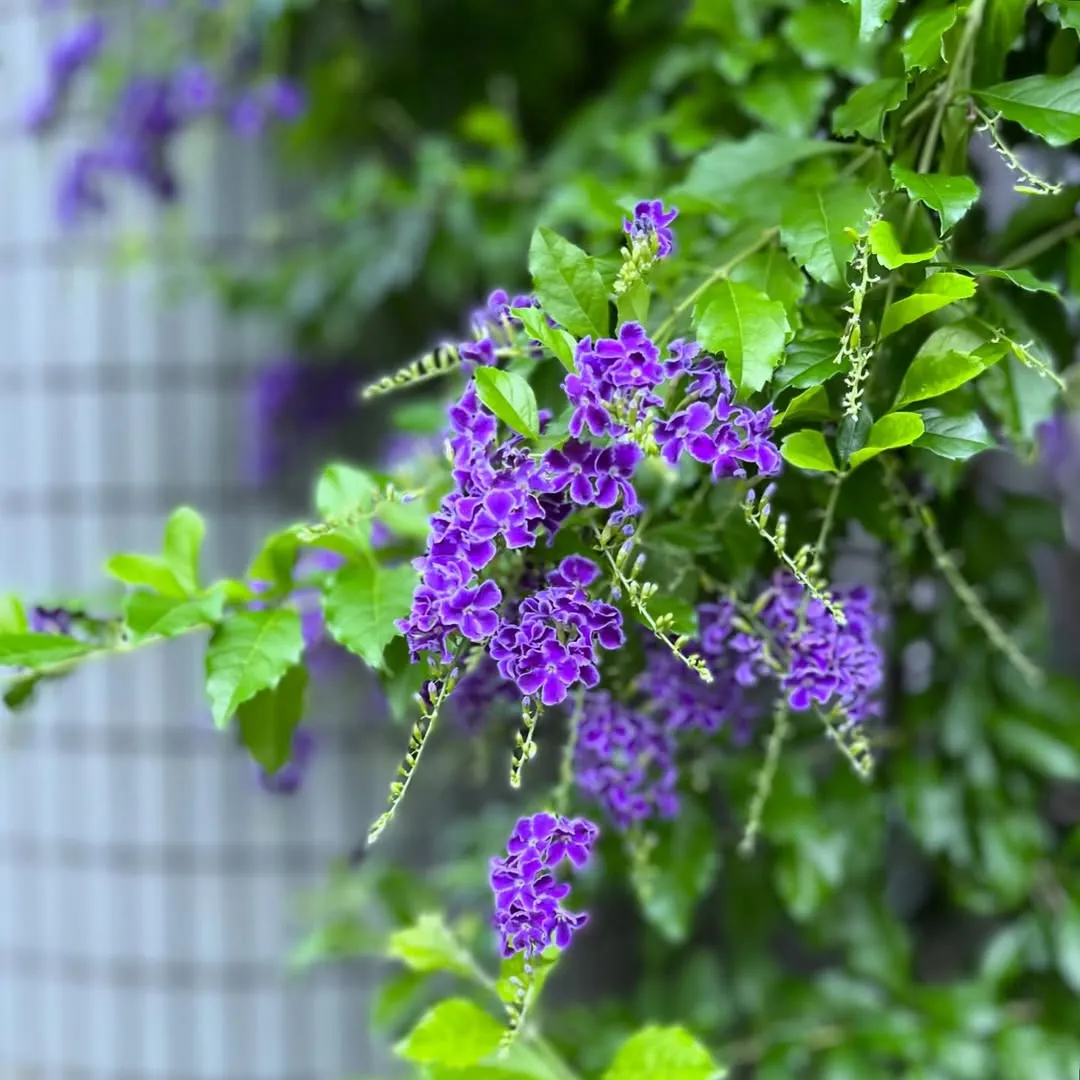
Golden Dewdrops stay green year-round in the South regions. In the Northern regions, they can be grown as annuals or moved indoors in containers during winter. To ensure they grow and thrive, it is best to put them in full sun.
The summer flowers range from purple and blue to white, and also make good cut flowers. In the fall, the shrub bears gold-orange berries, which justify the bush's name. For another way to introduce warm tones into the landscape, yellow flowering trees can create a striking contrast against purple flowers and green foliage.
May Night Salvia
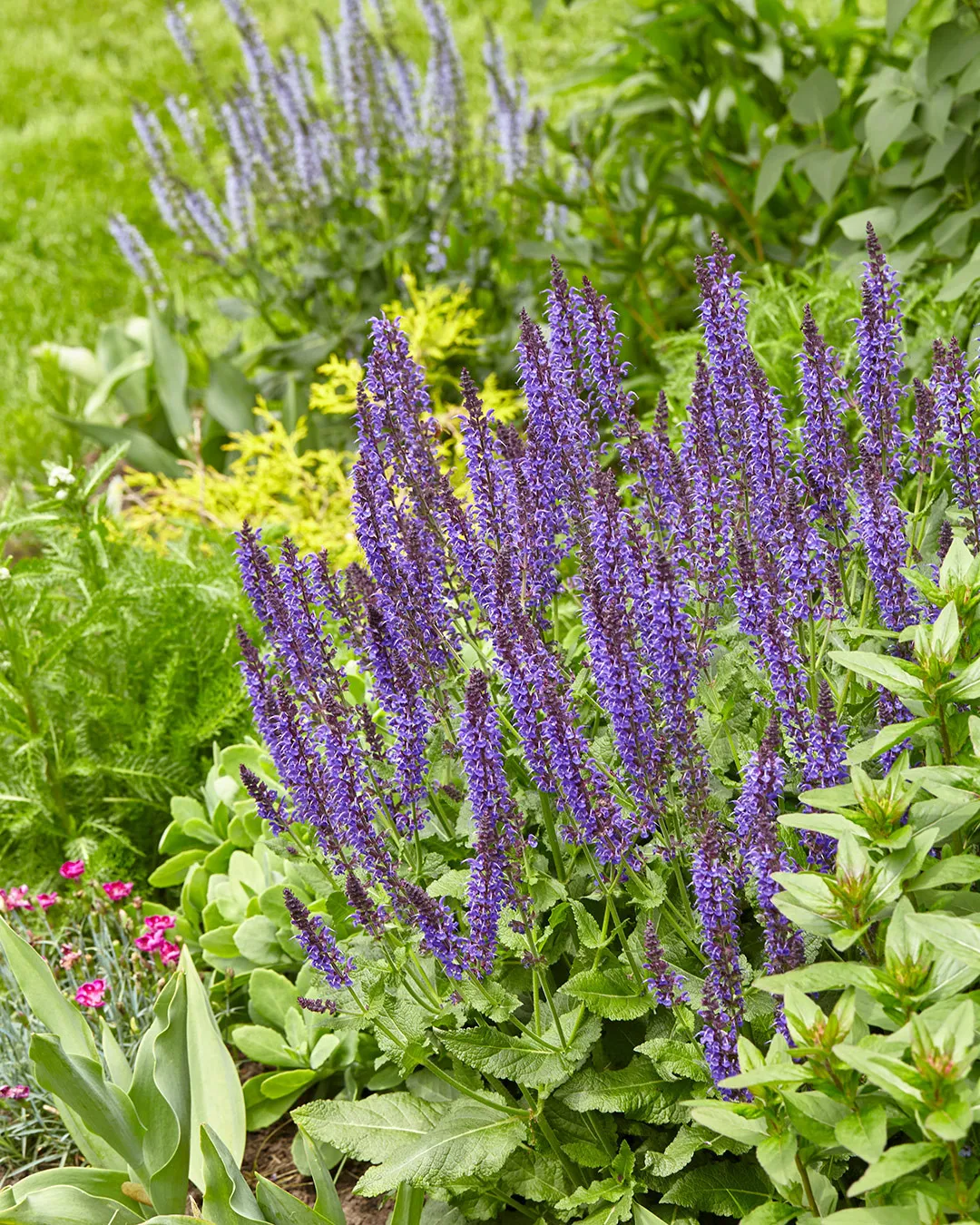
May Night Salvia is a perennial with a dark bluish-purple tint that produces small flowers on spikes that grow about 2 feet tall. The blooming period usually runs from May through June, making it the best option for landscaping.
Similar to other salvias, this is also well-suited for perennial borders, butterfly gardens, cottage gardens, and wildflower plantings. A spring cutback helps it grow back stronger.
Lilac Bushes
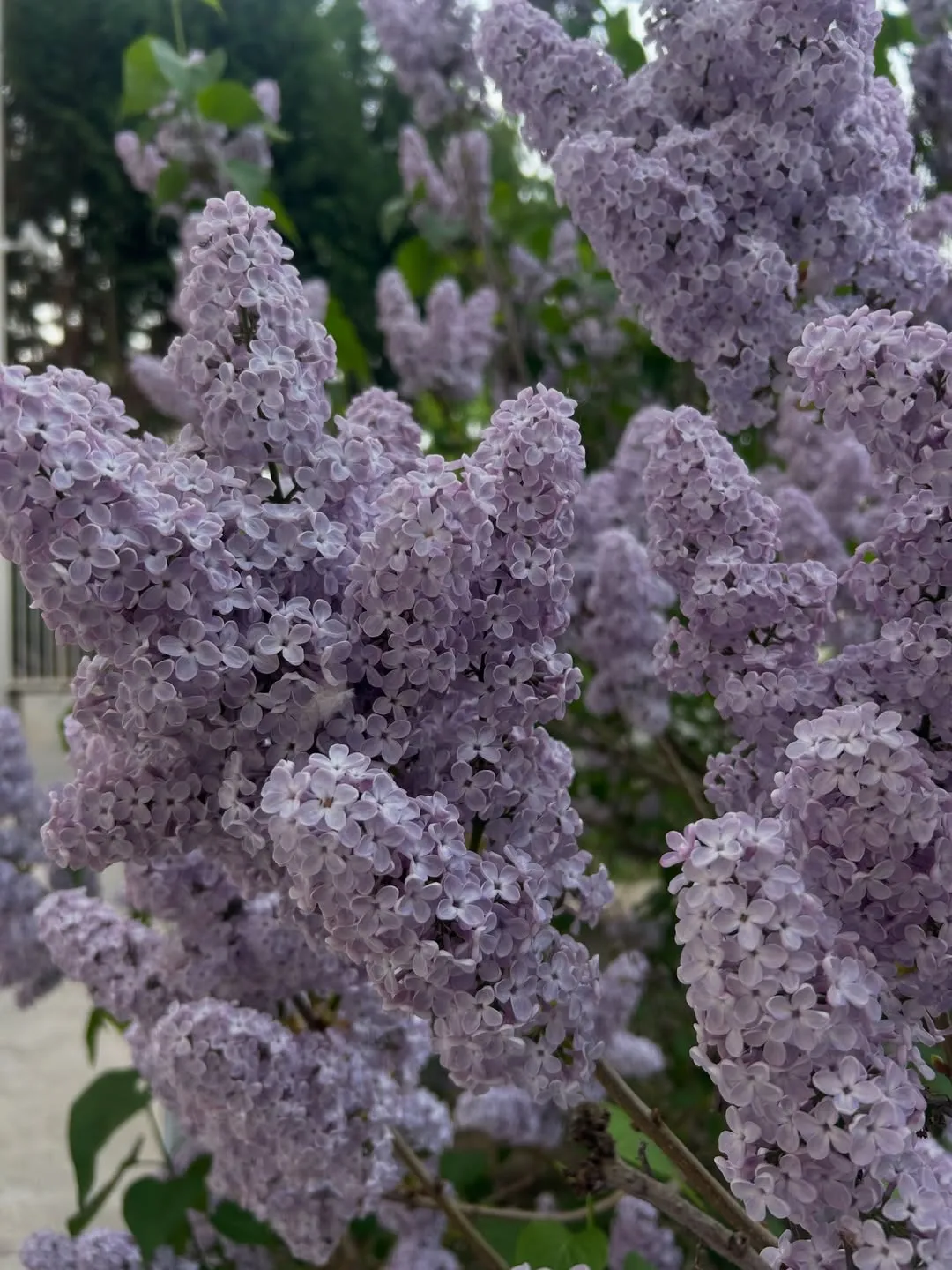
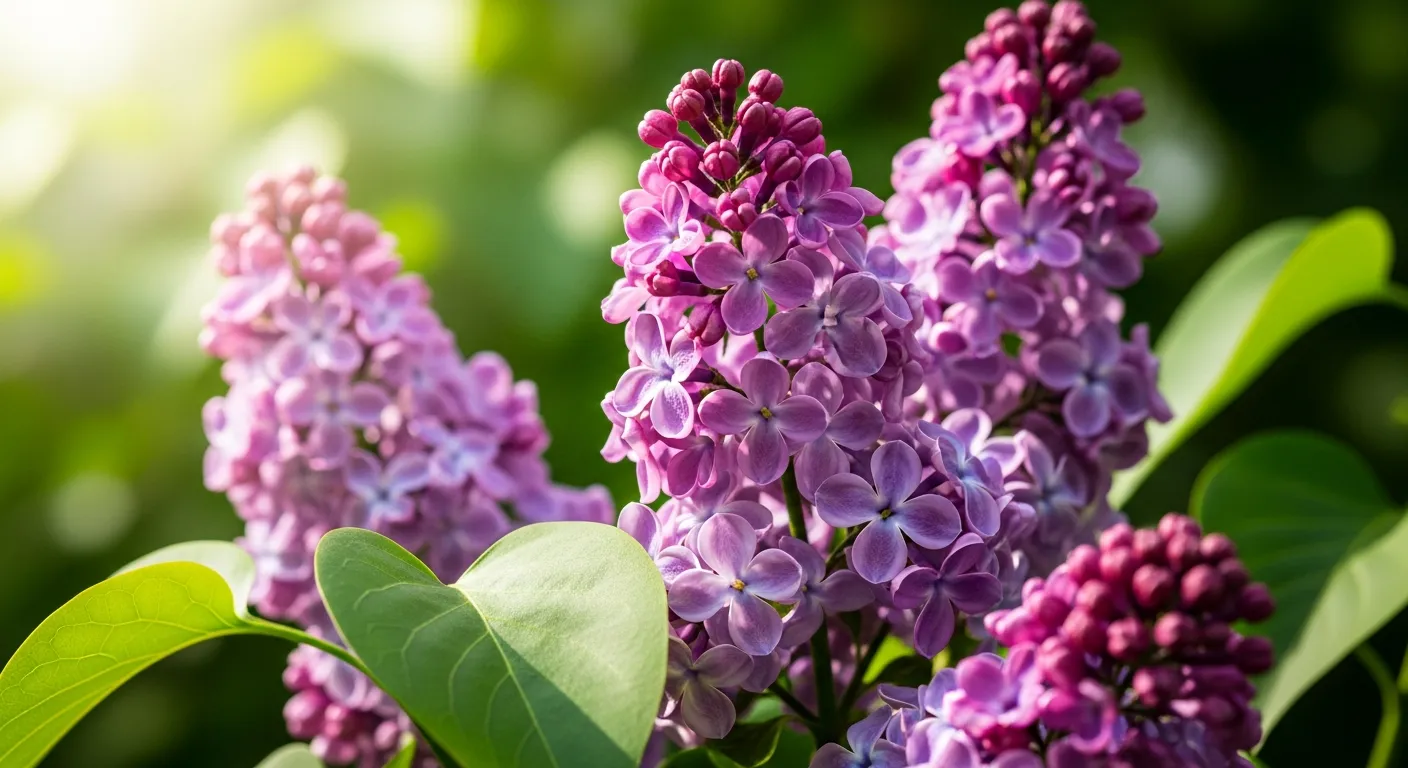
Lilac bushes are popular for their purple flowers. These are deciduous shrubs that bloom in mid- to late spring, with clusters of tiny flowers that branch out. The exceptionally beautiful flowers with sweet fragrance are perfect for bouquets.
Lilac bushes are low-maintenance, and it is advised to prune the shrub after flowering is complete. The color of the flower varies from lavender-blue, white, burgundy, deep purple, and lilac. Also, they thrive in full sun and loamy, well-drained soil. For gardeners planning the surrounding greenery, holly versus boxwood is another useful comparison when choosing evergreen plants for borders, foundation planting, or complementary structure.
Verbena
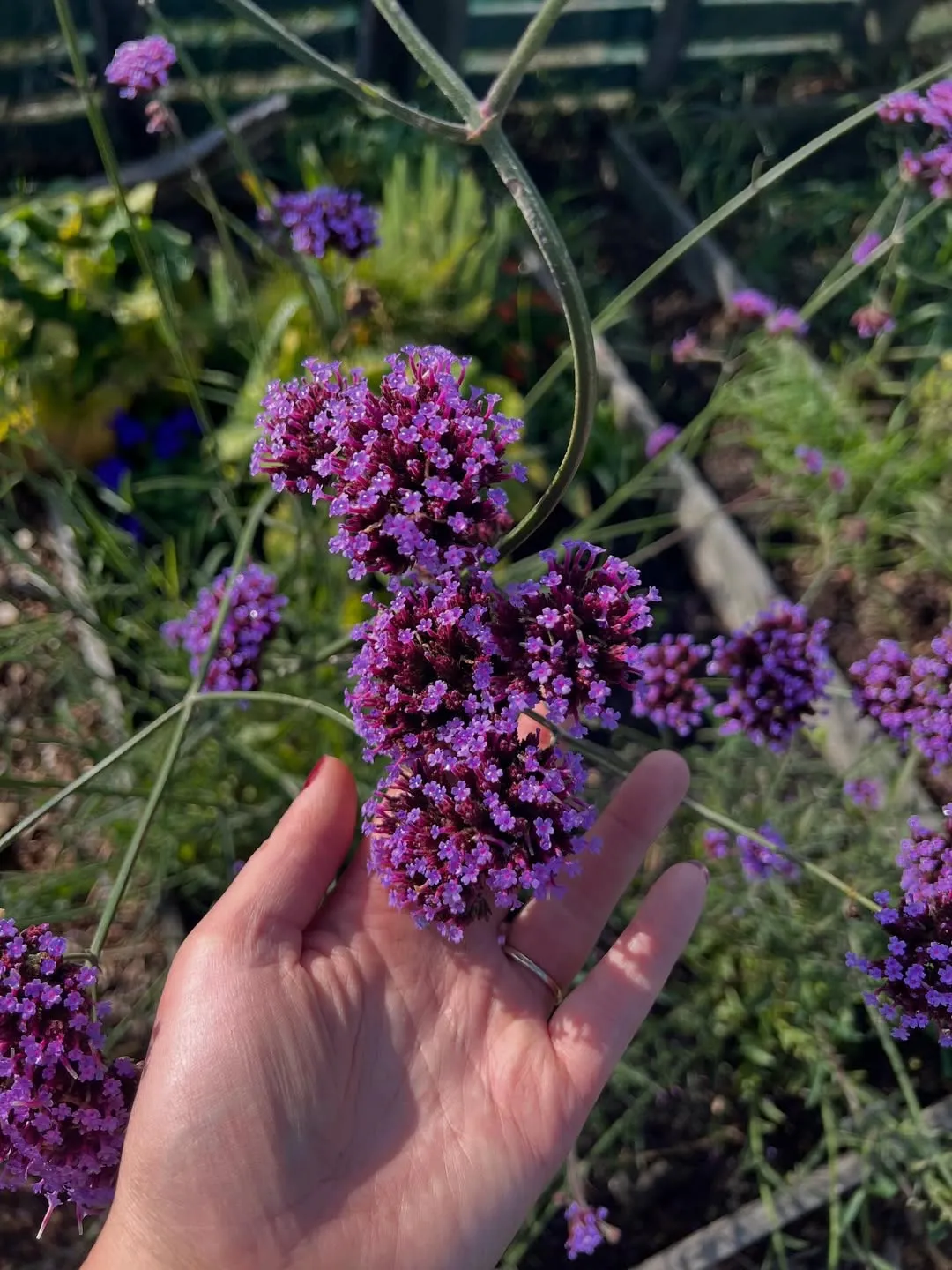
The Verbena genus includes both annual and perennial species, and many produce purple flowers. The flowers are quite small and have a beautiful fragrance, forming a saucer-shaped cluster about 3 inches across. The colors vary from purple to pink, white, and orange.
The shrub thrives in full sun and tends to grow outwards in a wide, loose manner, and is airy and ethereal. It requires dry to medium moisture, acidic, well-drained soil. Although they spread widely, which mostly requires a large space, they can be trained to grow in small places as well with pruning.
Midnight Blue Rose
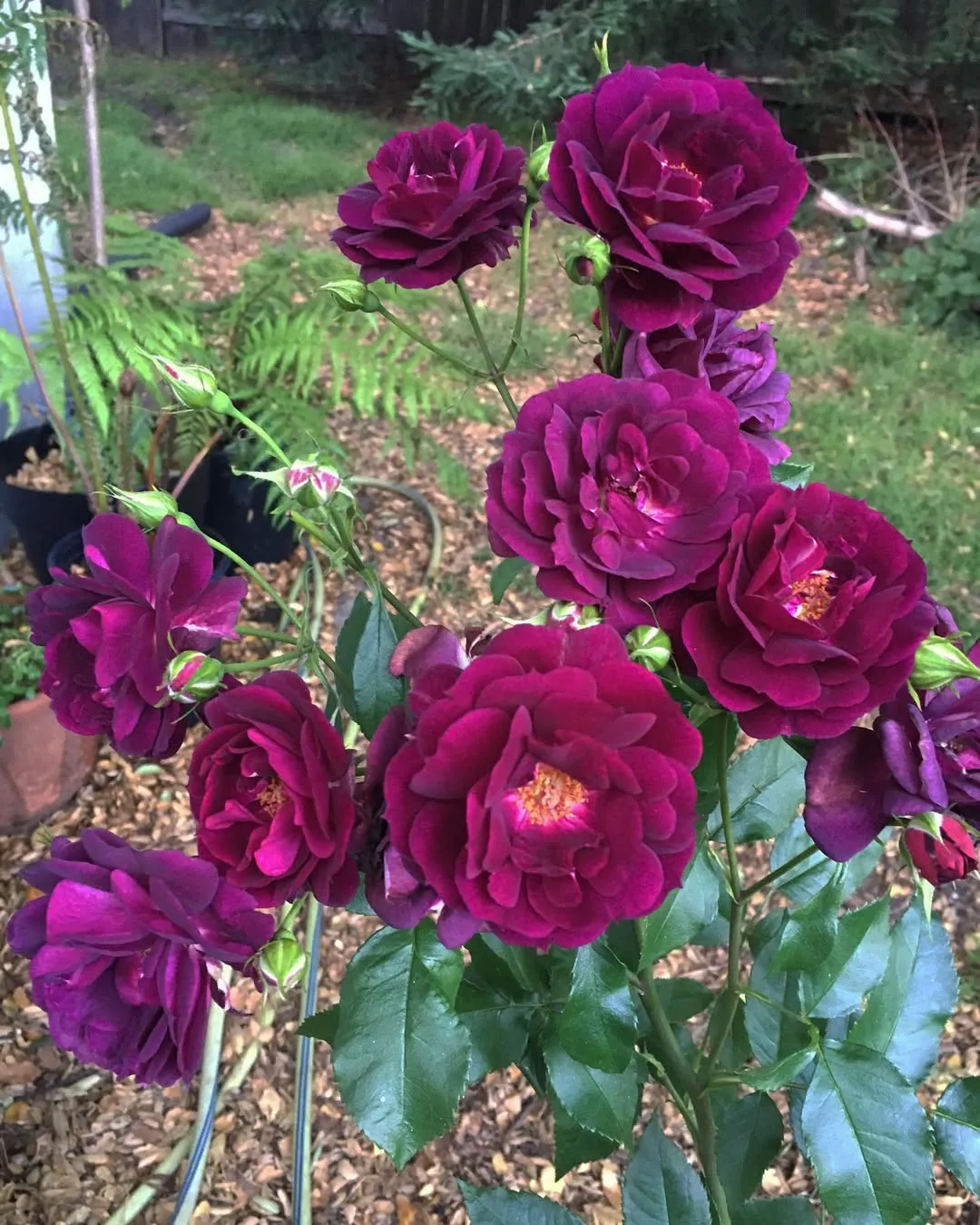
The Midnight Blue Rose is a beautiful rose with deep flowers that thrives well in loamy, well-drained soil. The flowers are about 2-3 inches long and have a strong fragrance. They bloom from spring to fall. You can consider deadheading them as this encourages flowering. However, as the shrub has thorns.
African Daisy
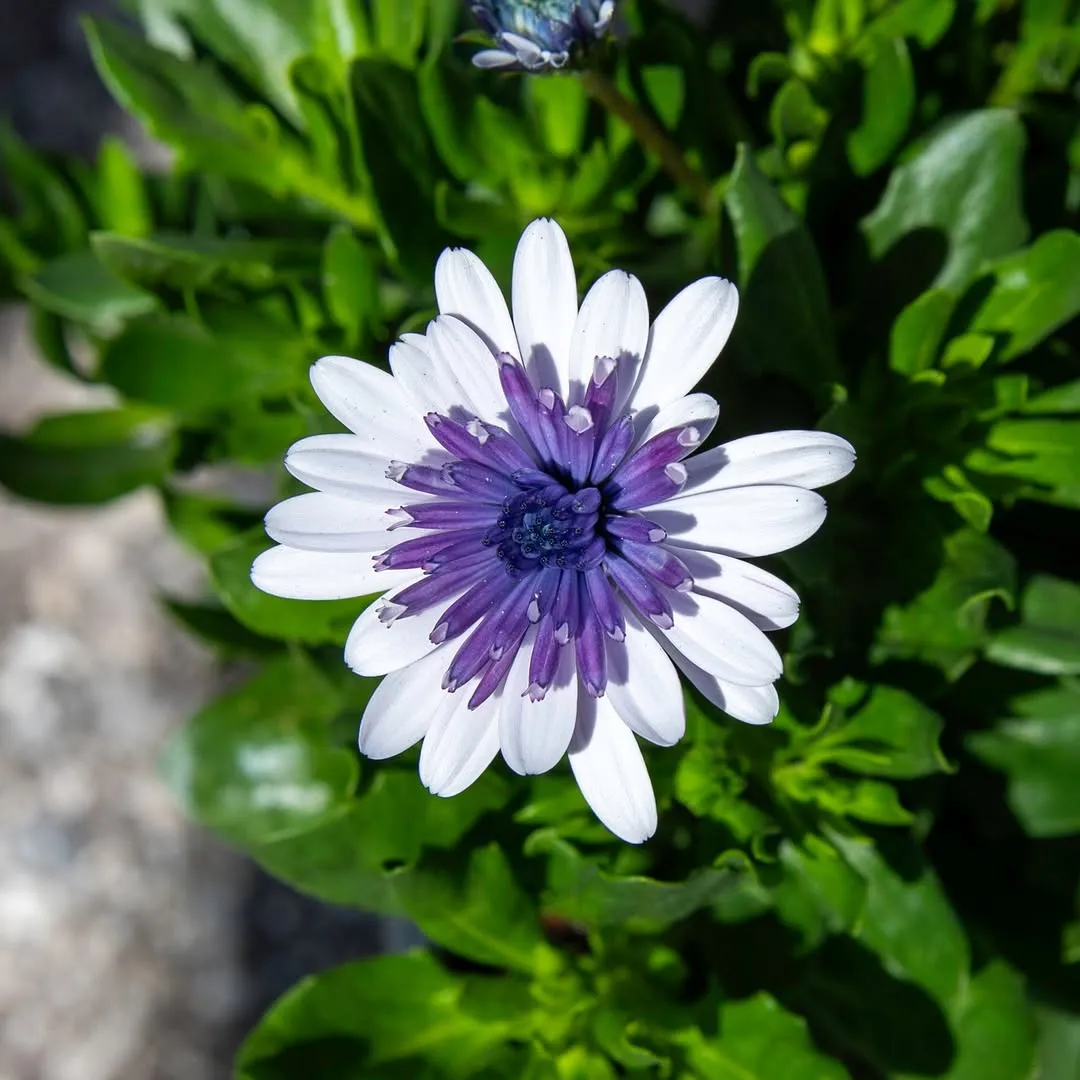
African Daisy is a tender perennial that grows up to 2 feet and requires alkaline, neutral soil. The bush, also known as Mums, is commonly found in most gardens. This is because it comes in beautiful, bright summery colors. They are long bloomers and flowers from spring until the first frost.
The beautiful African Daisy grows up to 2 inches and is highly eye-catching. They are low-maintenance and come in several varieties, such as Soprano Purple, 4D Pink, and Zion Copper Amethyst, which give your lawn a beautiful, bold purple color.
Allioni’s Primrose
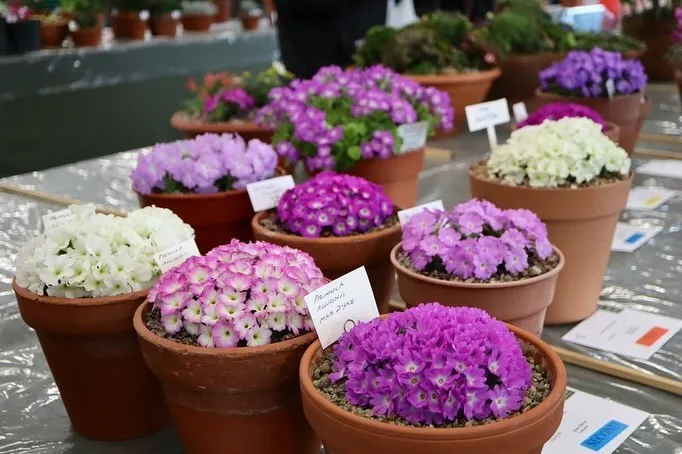
Allioni’s Primrose is native to the Alpine regions of France, Italy, and other areas with limestone cliffs. Hence, they thrive in rock gardens, borders, and even containers. This is one of the earliest blooming flowers. You can usually see the flowers from late winter to mid-spring.
The large heart-shaped lavender petals stand out against the plant, often covering its sticky evergreen foliage. The flower is low-maintenance, and as you protect it from moisture, they keep growing and thriving. Though they are resistant to deer and rabbits, you must watch out for aphids and slugs.
Allium
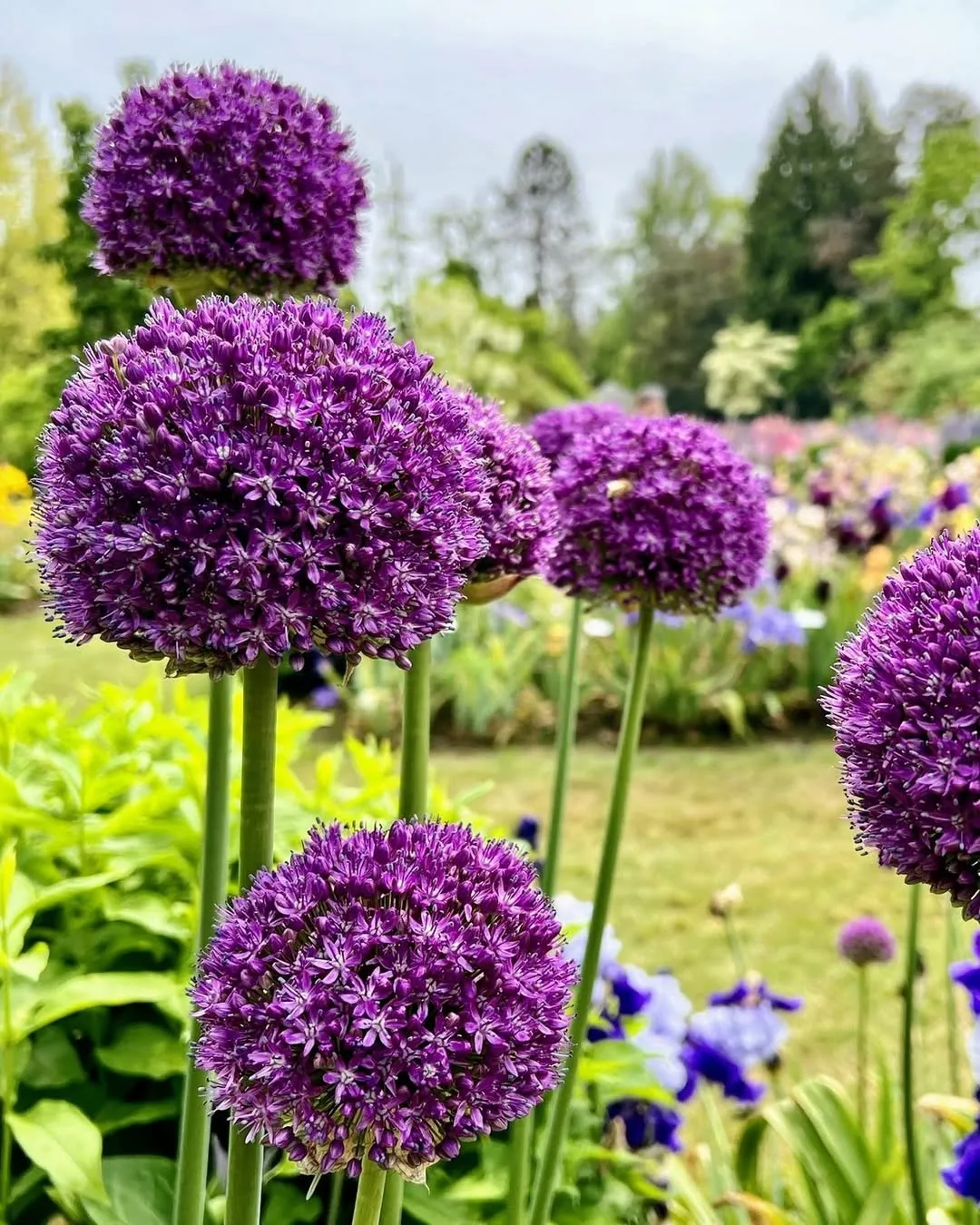
Allium is a perennial shrub that is also known as Ornamental Onions. The slim and graceful stems hold rounded clusters of beautiful, small, purple, star-shaped flowers. They can be seen blooming for around 5 weeks from late spring, and are mostly preferred by bees, butterflies, and other pollinating insects.
You can find several varieties of the bush, including white and pink. They thrive in coarse, well-drained soil with low to medium moisture levels. Also, they need full sun to reach their full potential. Among all, Globemaster and Purple Sensation are the most prized varieties due to their beauty.
Anemone
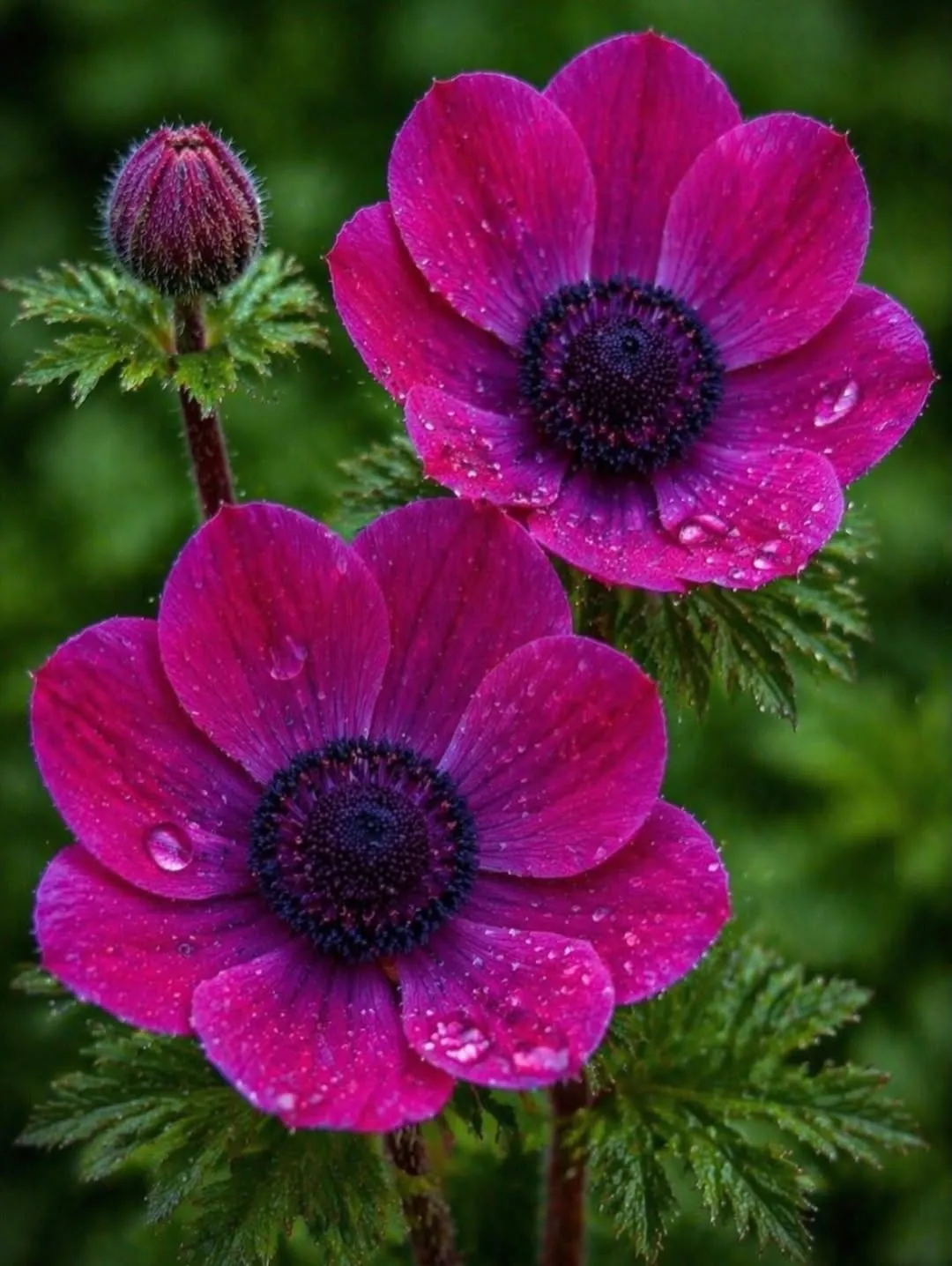
This bush has thick, velvety leaves and clusters in groups of three, giving rise to a thin stem with a small, purple flower at the end. Anemone is a herbaceous perennial plant that requires partial to full sunlight to grow. Blooms in spring usually begin with the early warm rains after the cold season.
These flowers need to be left alone to grow and thrive in the wild. They seed and resprout every season. Also, they are drought-resistant and quite easy to grow. You can find the colors in various shades of purple, pink, blue, and white, too.
Anise Hyssop
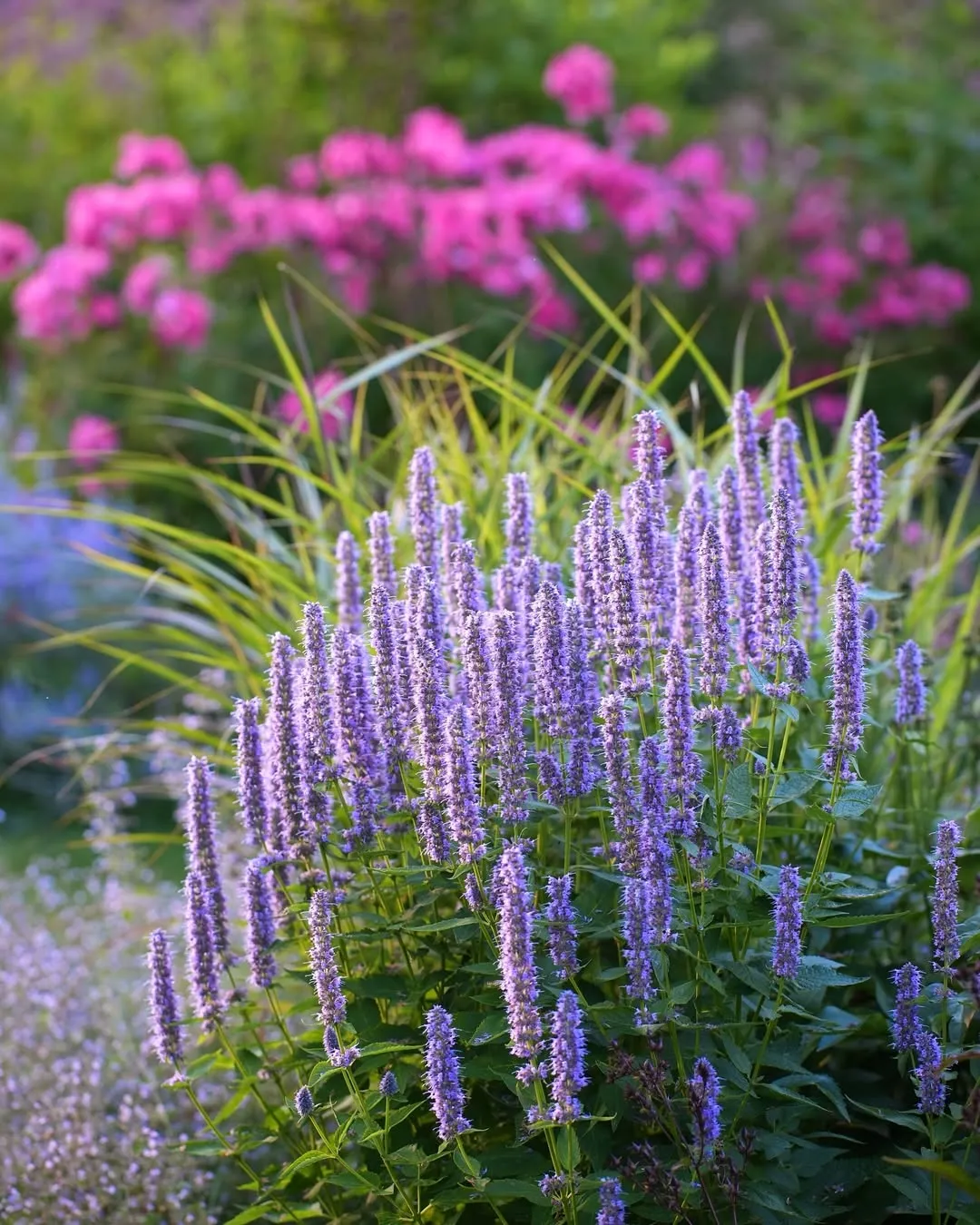
Anise Hyssop has a subtle licorice scent, and its flowers are conical and form clusters on each plant. The colors may range from deep indigo to pale purple, and can be planted in raised beds, containers, and even meadows. The plant also attracts beneficial pollinators, such as bumblebees, hummingbirds, and other pollinators in droves.
Aster
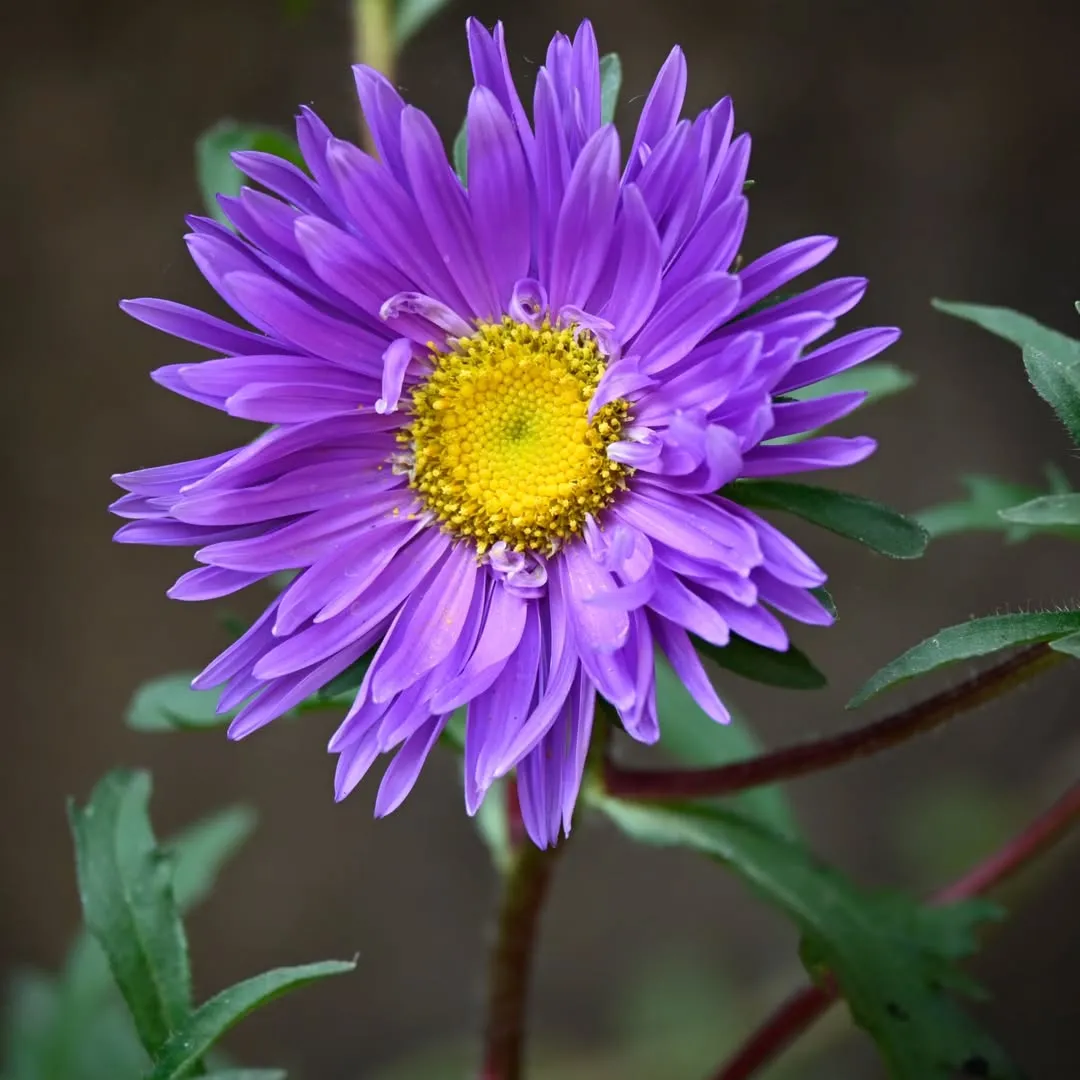
Aster is a perennial shrub that requires full sun to partial shade. The flower blooms abundantly in the late season (from late summer to early autumn). This is the perfect choice, as it starts adding color while other flowers in the garden may be fading.
These late bloomers are called Michaelmas daisies, as they appear around the time of the festival of Michaelmas. The head of the flower looks like a star, depending on the cultivar you choose. Also, not every aster is a shrub; some can grow tall.
Snapdragon Vine
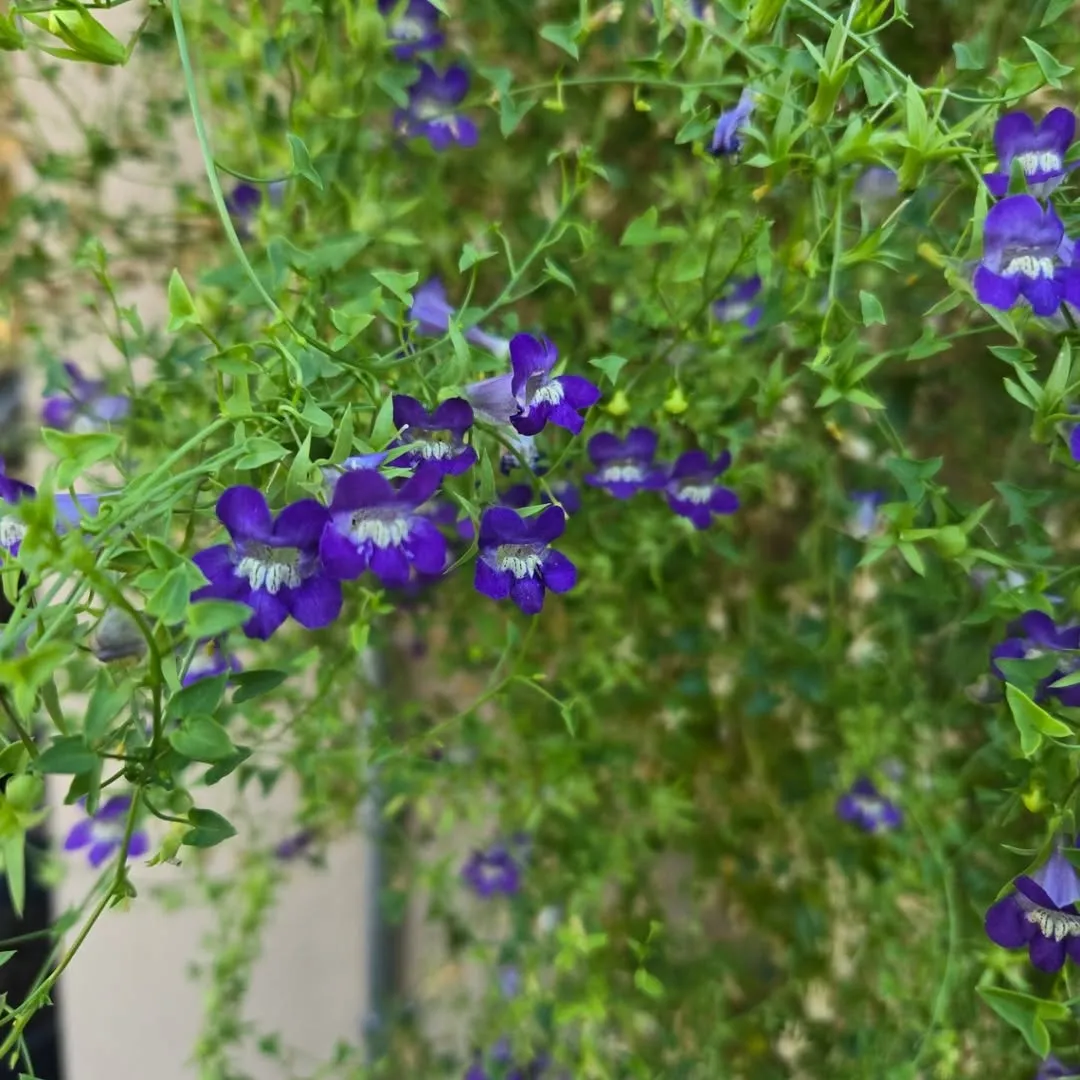
Snapdragon vine is a delicate yet tough vine native to shrublands and Southwest canyons. These vines can reach up to 4-5 feet tall and have small triangular leaves that spread over nearby shrubs.
You can also use trellises so that it grows well without disturbing the nearby plants. They need partial shade or full sunlight to grow and are available in red, coral, and other colors, with the red and coral varieties being the most common types of Snapdragon vine.
Mexican Petunia
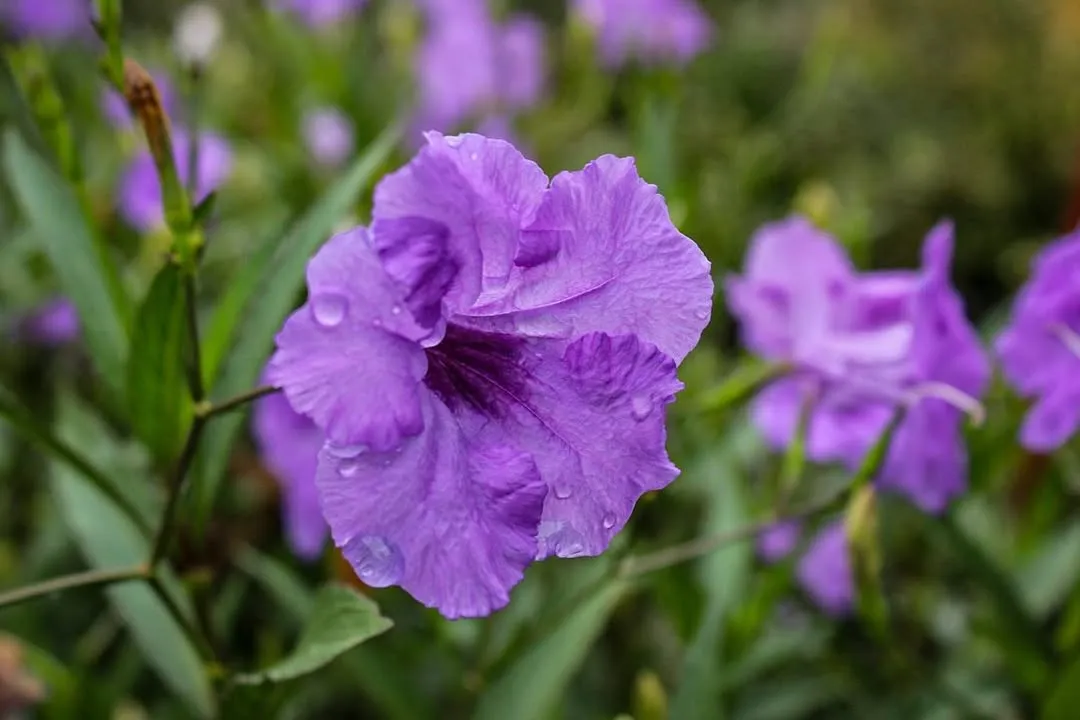
Mexican petunia is widely preferred in low-desert gardens, but it can also be planted as an annual in colder climates. It is extremely adaptable and can tolerate high temperatures and drought. It can also be used in aquatic gardens. The dark foliage complements the purple glow of the purple flowers that bloom all day long during summer.
When winter comes, this perennial might get exposed to cold snaps. But when warm weather arrives, it can recover quite quickly. The shrub is considered invasive in some areas of South America; however, in the Southwest, it is not.
Salvia
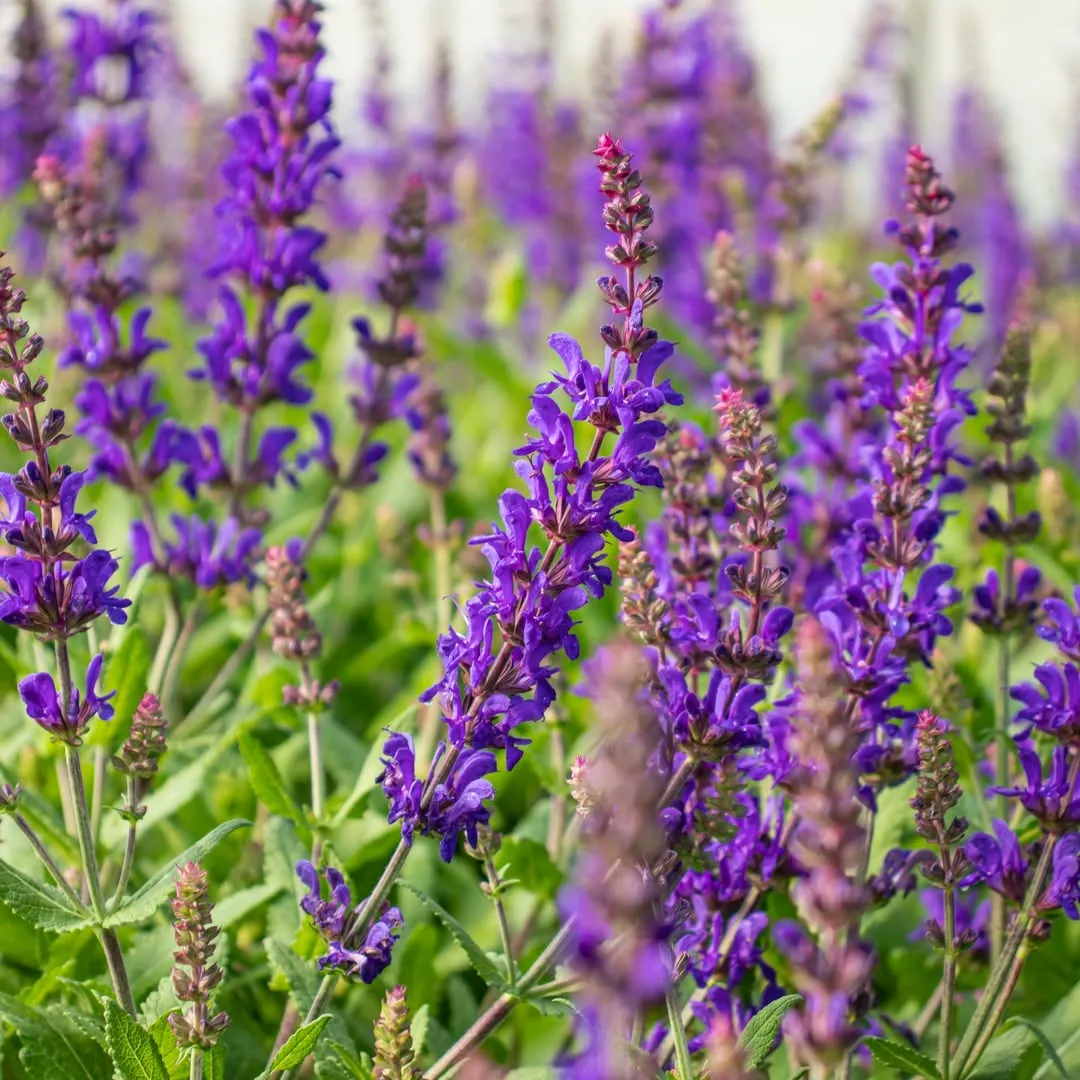
Salvia includes hundreds of species and also hybrids. The most common one is Coahuila sage, which thrives in zones 8-11, is a fine-leaved shrub that blooms with electric blue-purple flowers. The plant can grow to 18 inches tall, spread slowly, and requires minimal watering.
Another one is royal purple autumn sage, which has very rich purple colored flowers. Another variety of the salvia is autumn sage. But if you want a sheer purplish hue, consider Deep Purple autumn sage.
Conclusion
Whether you want to create an all-purple look in your garden or add a variety of shades, choosing purple flower bushes can be a great idea. Whether you choose salvia, anemone, cutleaf lilac, etc, the list above has something that you might need. Just be sure to match the flower to what you need. Also, consider their requirements (water, weather, and sunlight) before finalizing.