A well-designed home feels consistent, comfortable and personal from the moment you enter. Achieving that effect takes more than selecting attractive furniture or copying a room from a design feed. Each decision should support the way you live and the impression you want the property to create. When colors, materials and architectural details share a clear direction, even modest updates can make a home look more polished and valuable.
Beyond Trends: Discovering Your Home's Core Style
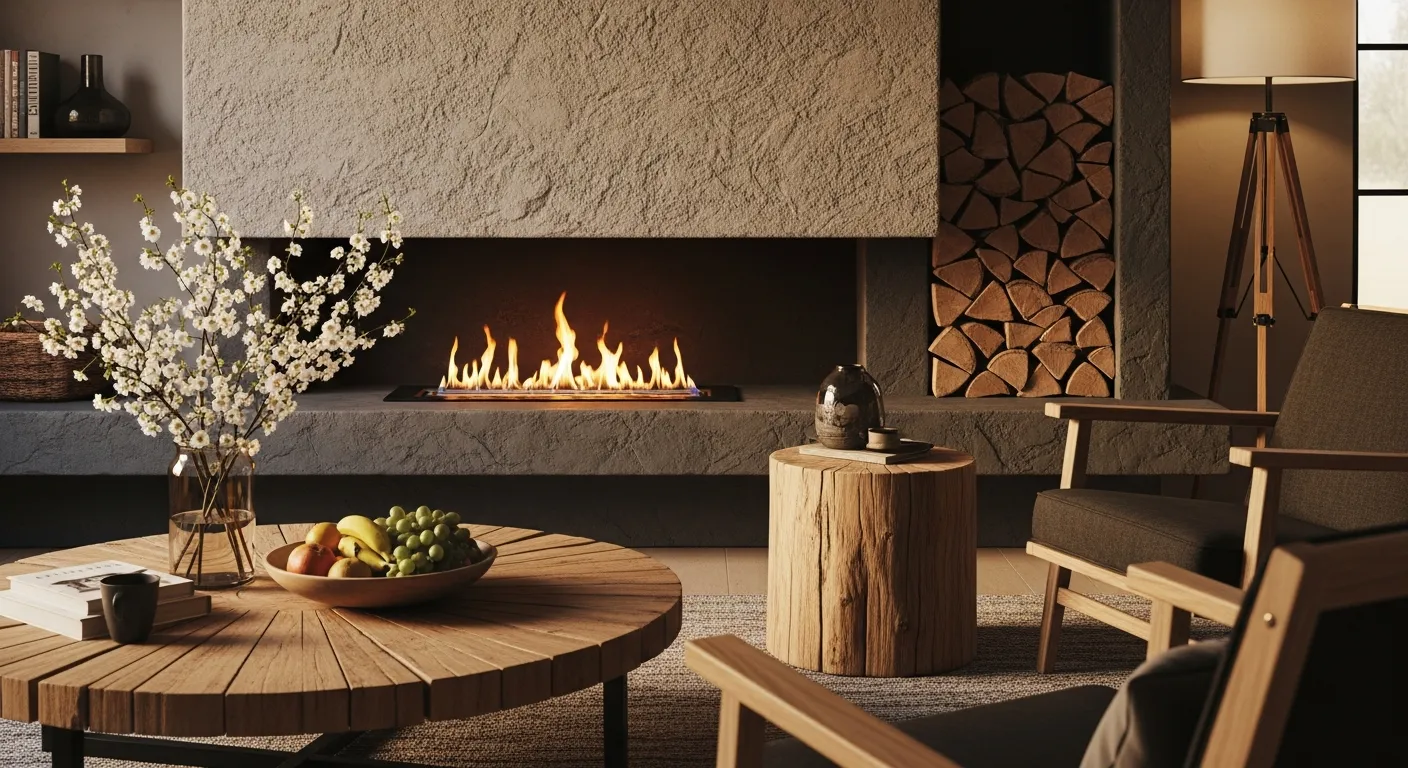
Start by identifying the features that already give your home character. Original millwork, large windows or a distinctive fireplace can provide a stronger design foundation than the latest social media trend. Review 2026 interior trends for inspiration, then choose only the ideas that suit the property's architecture and your daily routine.
Create a small reference board with five to eight images that share similar colors, materials and proportions. Look for repeated elements, such as warm wood, curved furniture or clean-lined cabinetry. Those patterns reveal your preferences and help you avoid buying pieces that look appealing in isolation but feel misplaced at home.
Crafting a Cohesive Look for Every Room
Choose two or three recurring elements to carry throughout the house. You might repeat an oak finish, use the same warm white on the trim or select lighting fixtures with similar metal tones. Rooms can still have distinct personalities, but these connections make movement through the home feel natural.
This type of consistency also reflects a principle used in large residential projects. Insights from Diana Ulis Admire Capital show how early coordination between branding and design can strengthen the buyer experience and create lasting value in luxury real estate development. Homeowners can apply a similar idea on a smaller scale by defining their design direction before ordering finishes, fixtures and furniture.
The Power of First Impressions at Home
The entry shapes expectations for every room that follows. Clear away packages, extra shoes and undersized decor, then give the space one strong focal point. A framed artwork, well-proportioned mirror or narrow console can create order without crowding the walkway.
Lighting deserves close attention here. Replace a weak overhead bulb with a fixture sized to the space and add a table lamp when an outlet is available. A durable runner can introduce color while protecting the floor in a busy area. These approachable residential design ideas also show how thoughtful lighting, texture and scale can improve a home without requiring structural work.
Integrating Branding Principles into Residential Design
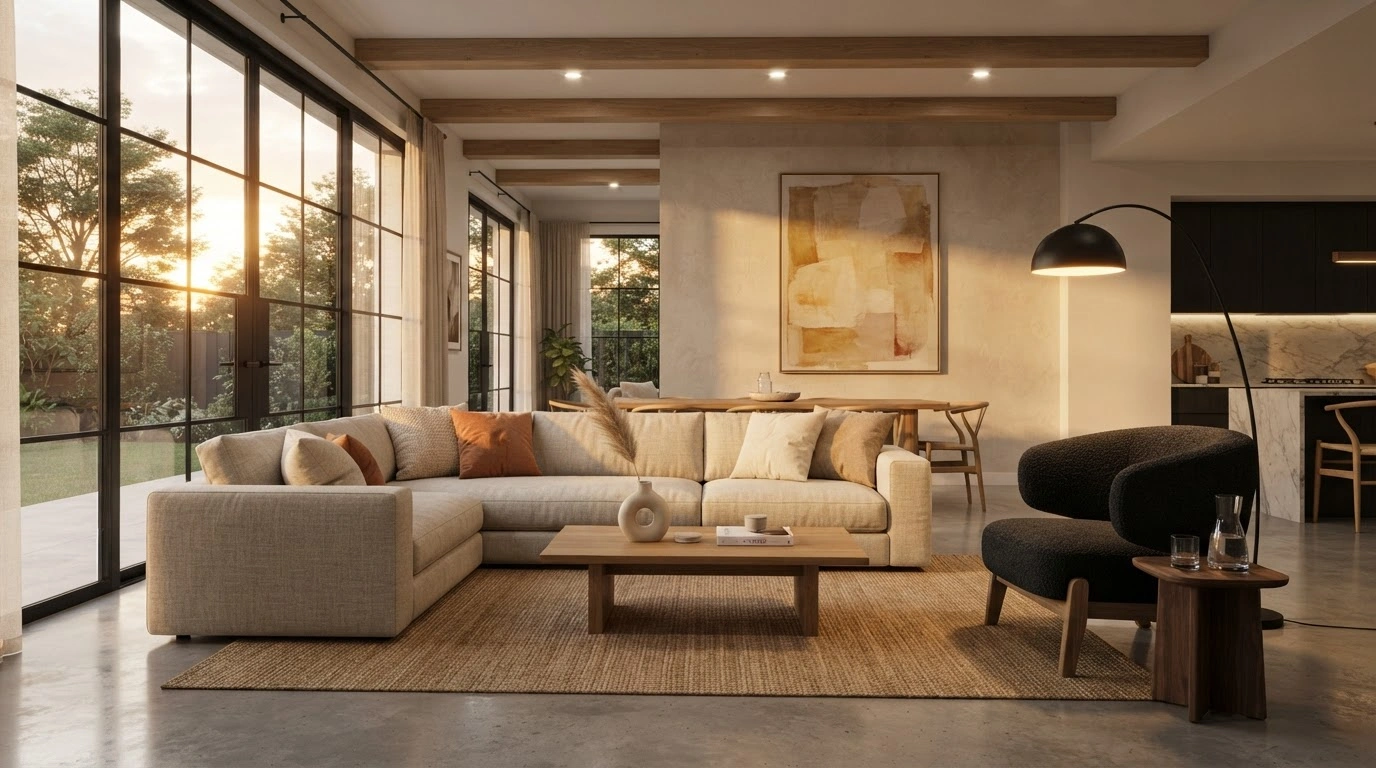
Branding principles can help you define the experience your home creates. Pick three words that describe how it should feel, such as relaxed, tailored and warm. Use them as a filter for every major decision. A glossy acrylic table may be attractive, for example, but it won’t support a warm, natural interior built around linen, oak and handmade ceramics.
Consistency also extends to small details. Coordinated door hardware, switch plates and cabinet pulls produce a sense of care that visitors may notice without knowing why. Limit prominent finishes to a manageable palette, then allow personal objects to add variation. Family photographs, travel finds and inherited pieces keep a coordinated home from feeling staged.
Strategic Updates That Enhance Your Buyer Experience
Focus first on improvements that buyers can see and understand immediately. Fresh paint, repaired trim, clean grout and working doors signal that the property has been maintained. In kitchens and bathrooms, replacing worn hardware or dated lighting often creates more impact than adding decorative accessories.
Walk through the home as if you were seeing it for the first time. Check if furniture blocks a doorway, window coverings reduce natural light or oversized pieces make rooms appear smaller. Give each room an obvious purpose, especially spare rooms and awkward alcoves. A compact desk can clarify a small work area, while a reading chair and floor lamp can turn an empty corner into usable space.
The most convincing homes communicate their character through repeated, well-chosen details. When the front door, lighting, finishes and room layouts support the same idea, buyers can picture themselves living there without having to look past visual distractions.