
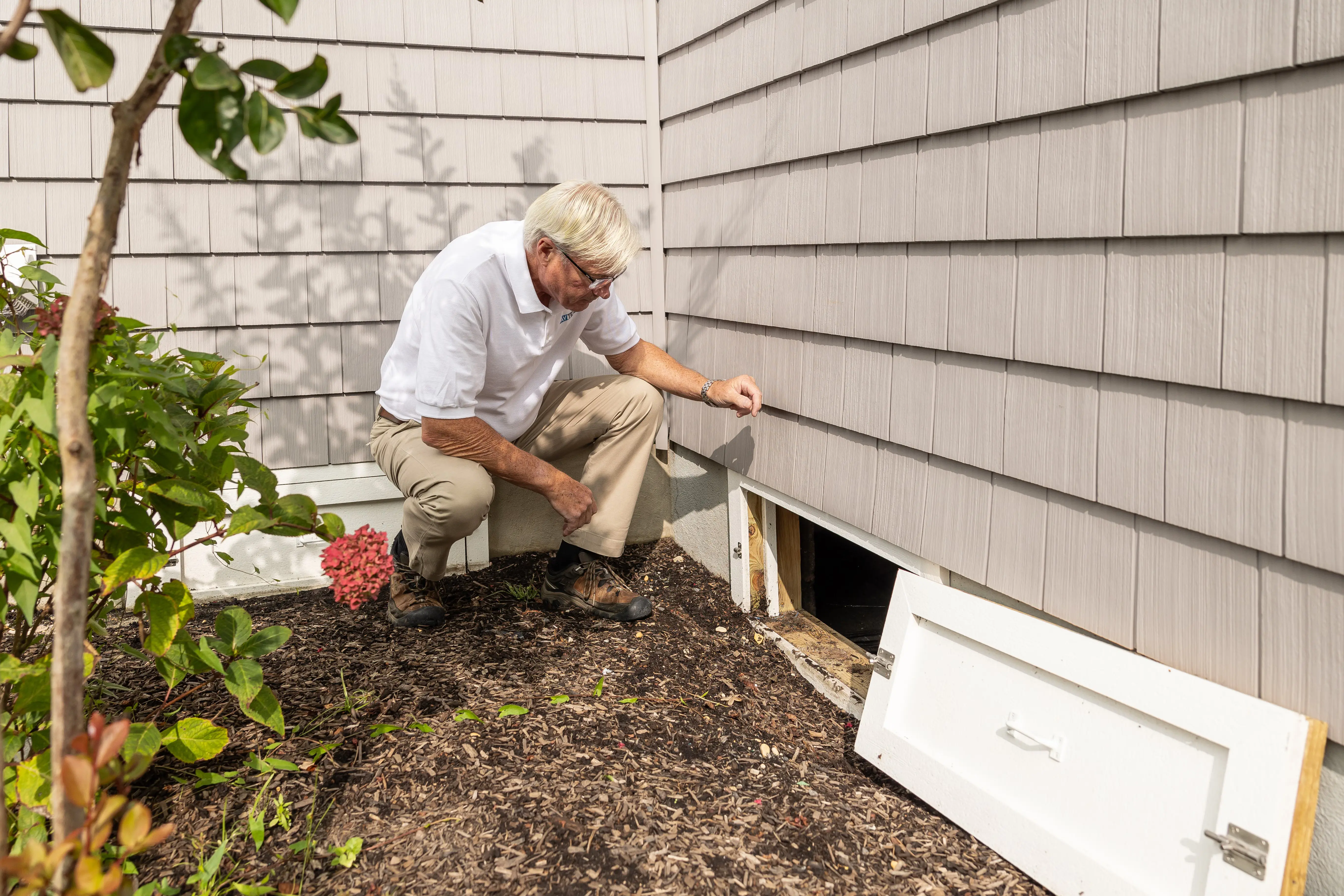
Small changes around your home can signal serious trouble below the surface. A sticking door, an unexplained damp patch, or a slow drain may point to conditions that can weaken structural materials and affect the soil supporting your foundation. Spotting these clues early gives you more repair options and helps prevent a manageable problem from spreading into walls, floors, and living spaces.
Beyond the Visible: Hidden Home Threats
Many household hazards develop in areas you rarely inspect, including crawl spaces, utility rooms, and the ground beneath your yard. Moisture, mold, and damaged pipes may remain hidden until they produce visible stains or odors. This overview of unseen home threats explains why regular checks matter, especially in homes with children.
Walk around your property every few months. Look for soil pulling away from the foundation, new cracks near windows, and sections of flooring that feel uneven. Indoors, check beneath sinks and around appliances for swelling, discoloration, or musty smells. Take dated photos of anything unusual so you can tell if a crack or stain is growing.
The Silent Threat of Water Damage
A small leak can release water for weeks before it reaches a visible surface. Damp soil may expand or erode, placing uneven pressure on the foundation. Inside, water can soften drywall, warp flooring, and damage cabinets. Practical water damage prevention starts with checking exposed connections and learning where your main water shutoff is located.
Keep an eye on your monthly water use. A sudden increase without a change in household habits can indicate a hidden leak. If several drains slow down, wastewater odours appear, or damp areas develop near buried piping, a plumbing professional can investigate the cause and determine whether sewer line repair is needed to address cracks, blockages, leaks, or root intrusion. Prompt inspection can help limit further water damage and soil saturation.
Recognizing Sewer Line Issues Early
One slow sink often points to a local clog, but several slow fixtures can indicate a problem in the main line. Other warning signs include bubbling toilets, wastewater backing up into a shower, and persistent odors near floor drains. Outside, watch for an unusually green strip of grass, soft ground, or a sunken area along the buried line.
Avoid repeatedly treating a whole-home drainage problem with chemical cleaners. Those products may not clear roots or repair a damaged pipe. Note which fixtures are affected and when the symptoms occur. This information helps a plumbing professional locate the likely trouble spot. If moisture has already appeared indoors, the guide to underground water leaks can help you understand how hidden damage spreads through a home.
Protecting Your Home's Value
Foundation and moisture problems can become major concerns during an appraisal or sale. Buyers may notice patched cracks, musty odors, and uneven floors, then request further inspections. Clear maintenance records show that you addressed problems instead of covering their symptoms.
Direct gutters away from the house and keep downspouts clear. Water should drain away from the foundation without forming puddles against exterior walls. Check that soil slopes gently away from the building, but don’t pile it against siding or vents. Inside, repair dripping fixtures promptly and maintain stable indoor humidity. Save inspection reports, invoices, and before-and-after photos. These records can explain completed work and help future professionals understand the property’s repair history.
When to Call a Professional
Call a qualified professional if you see sewage backups, recurring drain problems, standing water near the foundation, or widening cracks. You should also seek help if doors suddenly stop closing properly or floors begin to slope. These symptoms can have several causes, so an accurate inspection matters.
For active wastewater backup, keep people and pets away from the affected area. Stop using plumbing fixtures and arrange service promptly. For possible structural movement, document the crack width and location without attempting a cosmetic patch first. A plumber can assess underground piping, while a foundation specialist or structural engineer can evaluate movement. Fast action matters most when water is still flowing, since shutting off the source can prevent damage from spreading to another room or undermining more soil.