
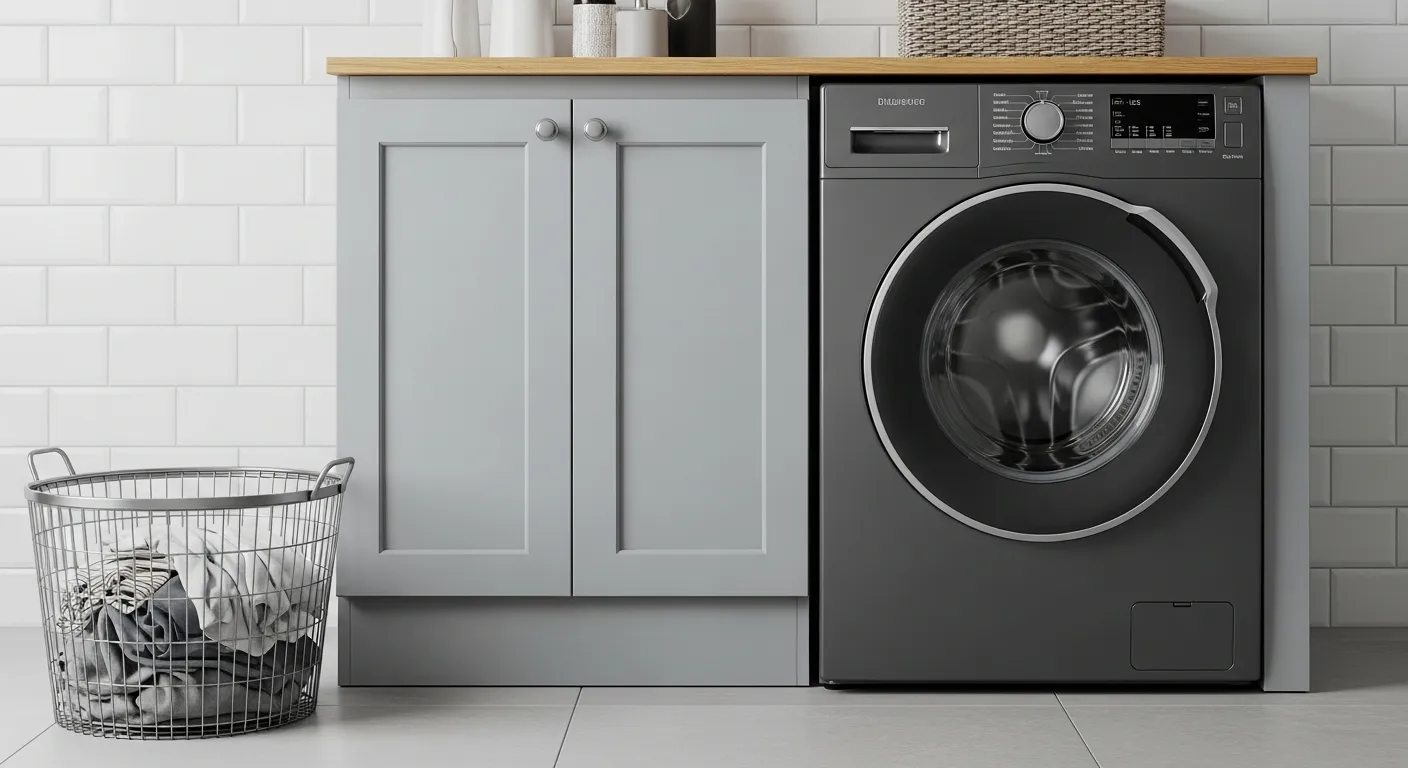
When you turn on the dryer, you can feel its soothing hum. However, because of its frequent moving parts and heating elements, the appliance has a limited lifespan. While a dryer can last up to 10 years or more, several factors, such as cleaning, maintenance, and the type of detergent you use, etc., all play important roles in determining its longevity.
Overall, how well you maintain the dryer determines how long it will last. The best way to extend its lifespan is to ensure you follow a proper dryer maintenance plan. This article explains how long dryers last, the factors that affect their durability, and how you can extend their lifespan.
What is the Average Lifespan of a Dryer?
Standard home dryers are available in top-load and front-load models. If you are considering replacing both laundry appliances, comparing options through a washer brand guide can help you select a washer that complements your new dryer. Top-load models have a door at the top with a vertical drum, whereas front-load models have a round door at the front with a horizontal drum.
According to professionals, most dryers last 10-13 years, depending on use and maintenance. However, if you have a dual-machine unit (washer and dryer), the lifespan is typically 5-7 years.
How to Expand the Lifespan of Your Dryer?
Here are some simple care tips that will help you ensure that the dryer lasts for more than a decade -
Install the Dryer Correctly
The way you install your dryer can affect its longevity. When installing, make sure the dryer is on a level surface and that there is ample space around it for proper ventilation.
Read the Instruction Manual
Before you use the appliance, consider reading the manual thoroughly, as most people skip this step, thinking it's easy to use. However, professionals always advise users to read and get familiar with the parts and the proper way to use the dryer. There are many tips and insights to help you improve its performance and extend its lifespan.
Load the Dryer Properly
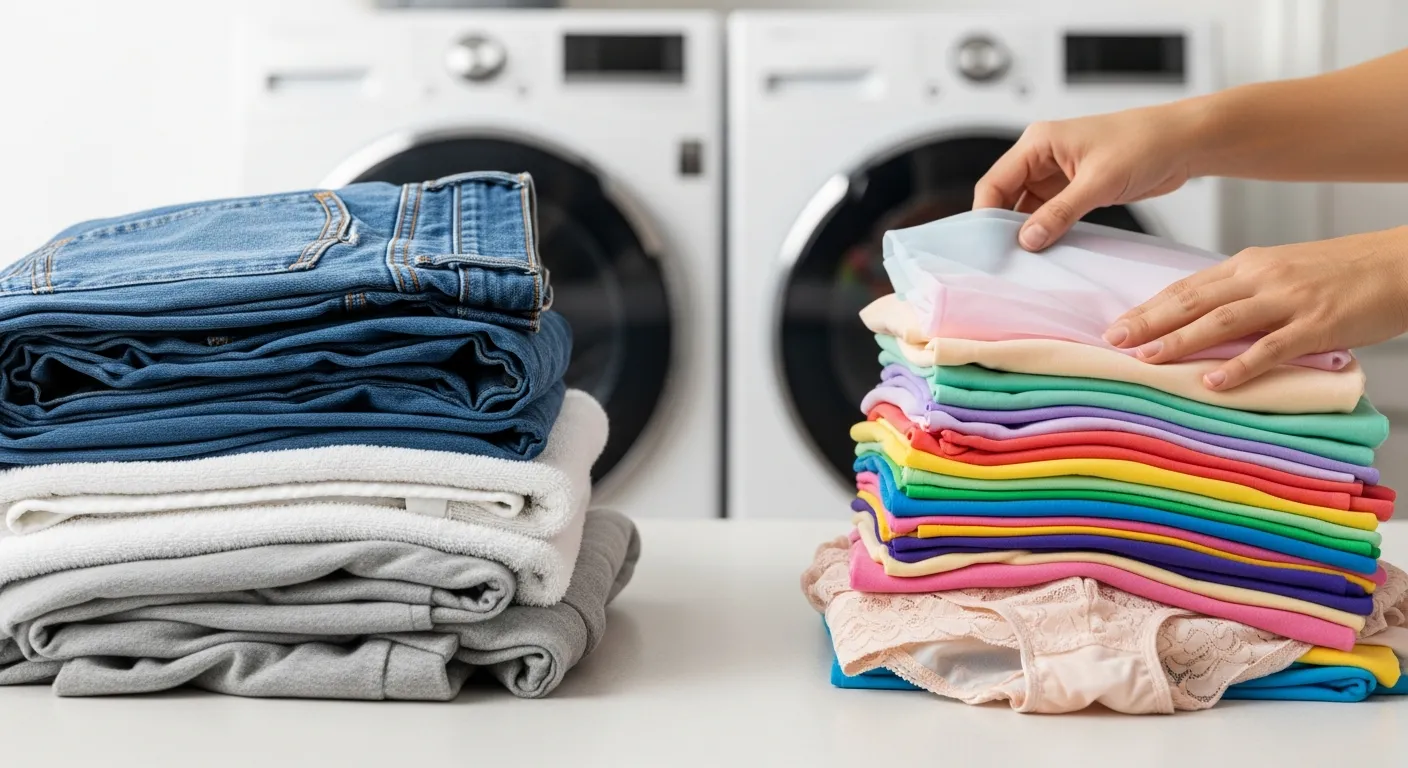
Just as you divide the clothes (as per the color and fabric) for your washer, the same rule applies to dryers, too. To ensure the machine works properly, you need to put the heavy and lightweight clothes in different loads.
Choose the Right Cycle
It is important to choose the right dryer cycle for each load to limit the wear and tear on the machine. You may think that all you need to do is put the clothes in the drum, close the lid, and push the button. However, it is not simple, so you have to be a bit more careful with the settings.
Clean the Dryer
The most important thing many people overlook is cleaning the dryer. The clothes that you put inside may leave behind lint in the duct at the back of the machine. Hence, it is recommended to vacuum it out frequently and follow proper dryer vent cleaning practices to keep the machine working efficiently and prevent dryer fires.
Minimize the Heat and Drying Time
You don’t need high heat for every fabric, and each type of laundry takes a different time to dry. Start by drying the clothes on low heat and a shorter drying time. If needed, you can increase the time limit by 10 minutes to ensure the clothes dry properly without compromising the machine's quality or efficiency.
Use the Moisture Sensor
If your dryer has a moisture sensor, make sure it is turned on to avoid excessive drying. It is advised to clean the sensor as well to maintain optimal performance.
Air Dry Your Clothes
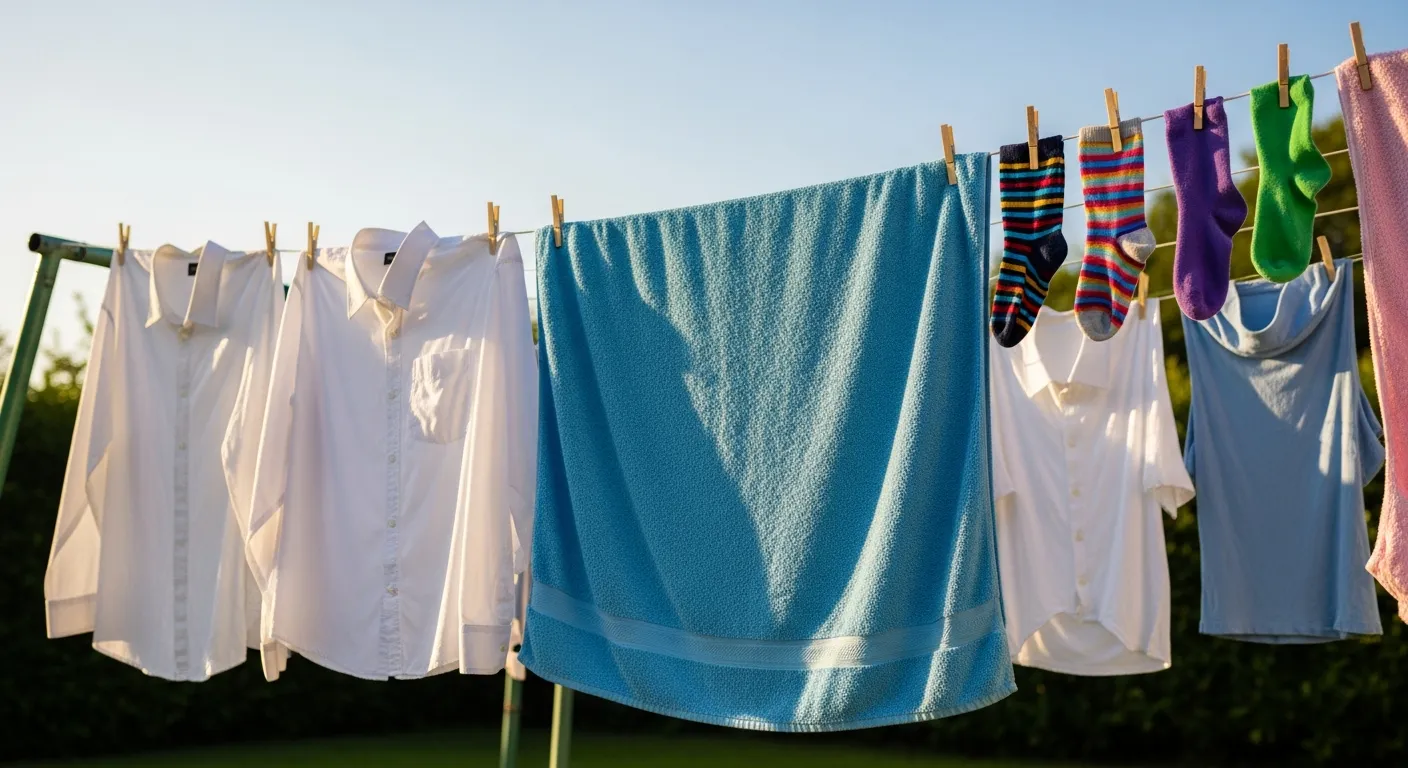
Consider air-drying your clothes for a while. This not only extends the life of your dryer but also keeps your clothes in good shape. No matter how good the quality of your appliance is, natural sunlight and air are also needed to kill bacteria and germs that might grow on the clothes.
Replace the Accordion-Styled Duct
Most dryer ducts are made of plastic or an accordion-style duct, which may sag at some point. This causes lint to accumulate in the duct, restricting airflow. This prevents the clothes from drying properly and may also cause a dryer fire.
Hence, it is advised to replace the plastic duct with a rigid metal one. If you cannot find a rigid material, consider a flexible one. Join both ends of the duct using metal clamps or foil tape, and avoid using sheet-metal screws. If you feel uncomfortable or cannot do it yourself, call a professional.
What Factors Affect the Longevity of the Dryer?
While dryer manufacturers claim their products can last up to 10 years, certain factors affect the dryer's lifespan. Here are some key factors to consider -
Usage
The frequency with which you use the dryer each week or month affects the machine's lifespan. You should avoid overloading the dryer with heavy clothes, as it can strain the machine. Also, try limiting the use of the dryer.
Maintenance
Not cleaning the filter can cause lint buildup. Hence, it is advised to clean the filter after each cycle and ensure the venting system is not blocked. Many homeowners completely neglect the step that causes it to malfunction.
Installation
It is important to install the dryer in a location with proper ventilation. Do not place it in damp areas, as this may cause rust and corrosion. Check for leaks, pooling water, and clogged vents at regular intervals. All these precautions maintain optimal functioning of the dryer.
What Are the Signs of Dryer Replacement?
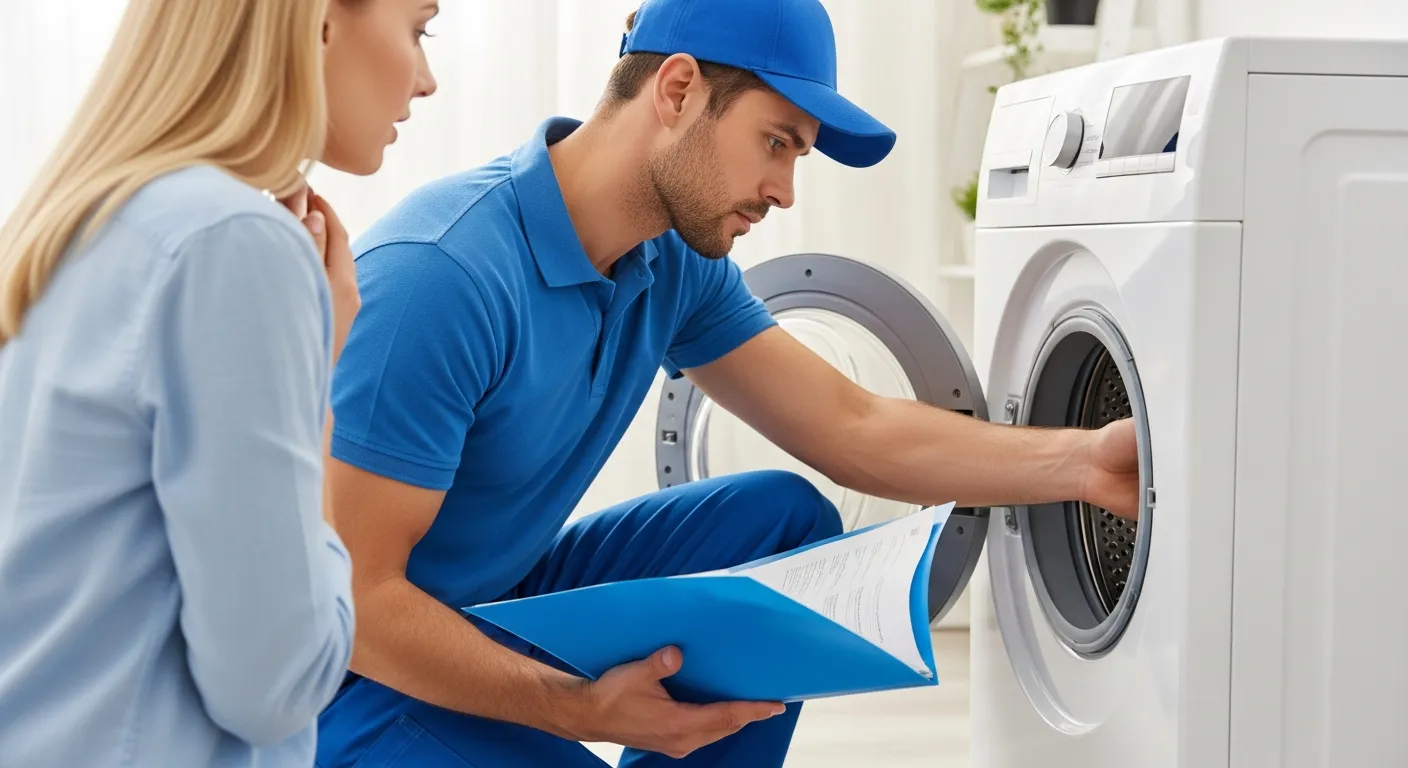
There are many telltale signs that your dryer needs to be replaced. But, generally, you will know it’s time to replace the dryer once it starts malfunctioning. Here are some signs to look for -
- If your machine makes excessive noise, such as rattling, screeching, or vibration, while spinning.
- If the clothes won’t dry, even after a full cycle, it means the dryer heater is failing.
- If the dryer is taking longer than usual to dry the clothes.
- If the exterior is excessively hot to touch or your laundry room feels warmer.
- If the machine needs constant repairs, it might be best to replace it.
- If the appliance has reached the upper limits of its lifespan.
- There are several ways to fix minor dryer issues, but for major issues, consider calling a professional. If nothing resolves the problem, consider replacing the unit.
How to Buy a Dryer Replacement?
If you notice the dryer showing signs of aging, consider replacing it immediately.
- Before you purchase one, measure the existing dryer and the space where it is installed.
- Check whether the ventilation setup is functioning properly. If not, then fix it.
- When you purchase a new dryer, check all the available options to find the one that suits your budget and requirements. Following an appliance buying guide can also help you compare features, energy efficiency, capacity, and other factors before choosing a replacement. There is always something new in the market, with good aesthetics, too.
- Last but not least, check for the energy efficiency, sensors, and wrinkle control.
Sometimes, hardware companies take away the old dryer for free and install a new one in the existing setup. However, if you need to change the electrical or plumbing system, consider calling an HVAC company. They help you install and configure new appliances, and also guide you in maintaining the cleaning to ensure it lasts longer.
Conclusion
Usually, a dryer lasts 10-13 years, but its lifespan depends on many factors, such as maintenance and care. It is very important to clear the duct of lint to ensure the machine's performance is not compromised. Also, it prevents any dryer-related fire hazards while reducing the wear and tear. Moreover, the dryer's quality, frequency of use, and humidity also affect its lifespan.