
A bedside lamp is a crucial addition to any bedroom for two reasons. Firstly, it provides enough lighting for reading and other tasks. Second, it adds to the room’s overall appearance and aesthetics.
Finding the right lamp means paying attention to scale, style, and how well shade and stand complement each other. The lamp should match its surroundings and enhance the overall look without overwhelming the space. This article will explain in more detail the nuances of selecting the right lamp for the bedroom.
The Importance of Bedroom Lamp
Lamps are not meant only to provide light for reading or other tasks. They create a warm atmosphere that makes the bedroom inviting. They set the perfect mood while adding coziness to the space. The right lamp can make the space look better while helping homeowners relax after a long day of work. Good bedside lighting supports better sleep by allowing you to adjust the lighting as you prepare for bed. There is a range of lamp designs, from simple to more elaborate. Each variety adds its own uniqueness to the bedroom space.
How to Choose the Right Lamp?
Choosing the right lamp can enhance both functionality and style of your space. By paying attention to key factors like height, width, brightness, etc, you can choose the right lamp.
Height
When deciding the height, make sure the lamp is not too tall so that the light does not shine directly into the eyes. Keeping the bottom of the lampshade at or below eye level helps avoid glare from the bulb, thereby allowing you to see.
The relationship between the shade height and the lamp base is also important. The shade should measure roughly ⅓ of the entire lamp’s height, which includes the bulb area and harp. For instance, a lamp standing 24 inches tall from base to bulb would pair well with a shade about 8 inches tall.
Perfect ratios are hard to find in most base-and-shade combinations. Being within a couple of inches of the ideal measurements will still create a good look.
Width
One common mistake among homeowners when decorating a bedroom is selecting the wrong-size nightstand lamp. People often choose lamps that are too small for a nightstand. It is important to find the right scale to bring balance to the bedroom. As the mattress widens, the nightstand should expand proportionally. If you have a wide nightstand, consider a wider lamp to create visual harmony.
As per basic guidelines, the nightstand should measure between ⅓ and ⅔ the width of the mattress. The bedside lamp should then be roughly ⅓ the width of the nightstand when measured at its widest point, which is usually the base of the shade.
Choose the Right Brightness
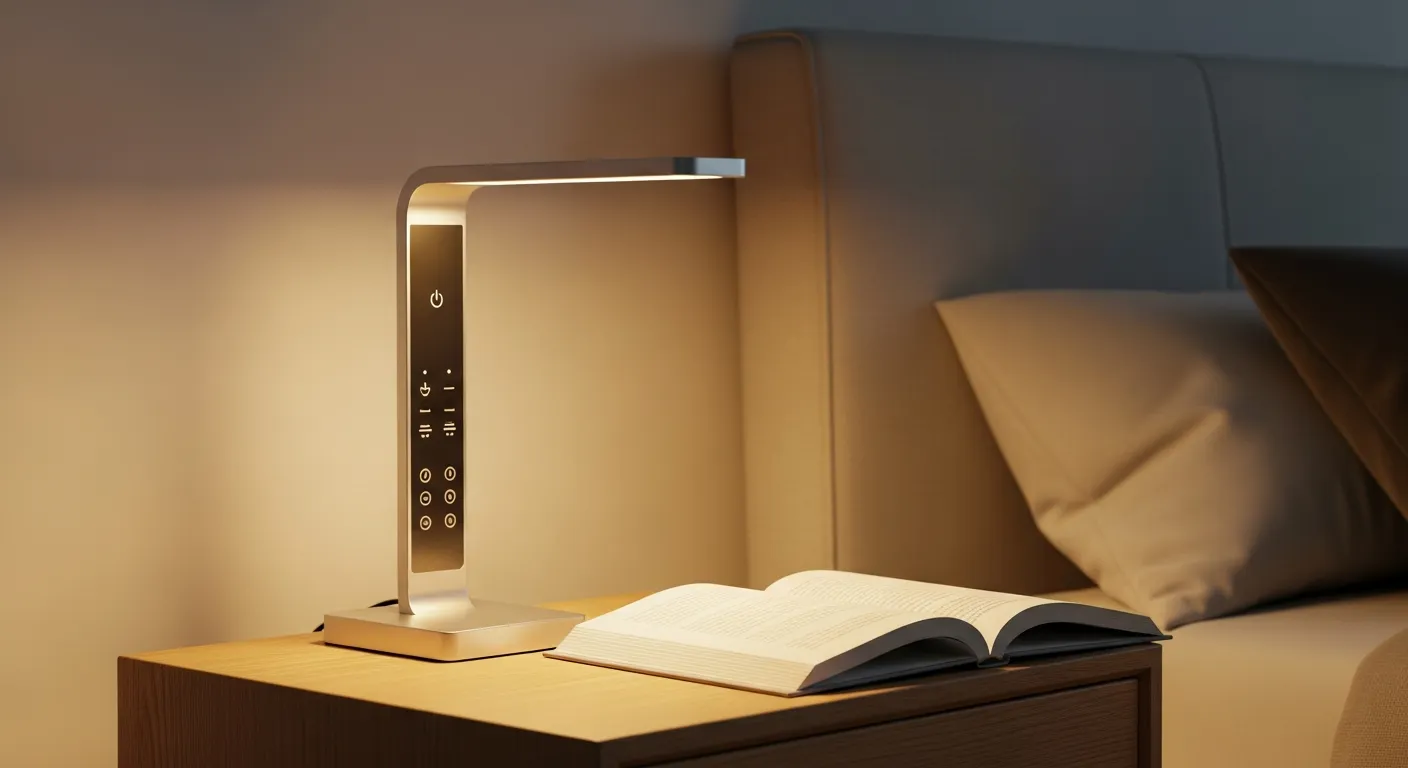
For bedside lamps, a range of 200 to 400 lumens usually works well. This range is neither too bright nor too dim, thereby balancing the brightness well.
Lumens measure how much light a bulb emits, and it can be thought of in terms of watts to better understand it: a traditional 40-watt bulb gives off about 450 lumens, so the ideal bedside lamp should be slightly less bright than that. Choose a lamp with adjustable brightness settings. This allows someone to turn up the light when they need to read and dim it down while relaxing.
The color of the light matters as well. Warm light, which measures around 2700K to 3000K, is best suited for the bedroom as it creates a relaxing atmosphere. Cooler light around 3500K -4100K is ideal for focused activities, such as reading.
Consider Style
A traditional ginger jar lamp works well in a country-style bedroom. Those looking to add personality can choose lamps with shapes or decorations that match their decorating theme:
-
An anchor-shaped lamp can match a coastal-style bedroom.
-
A palm tree design suits a tropical space.
-
A grape motifs complement a Tuscan-themed bedroom.
The lamp serves as a focal point of the bedroom. It is important to choose the most appropriate one.
Consider Material
The material of the lamp equally plays a key role in both its durability and overall aesthetic appeal. Below are a few common materials for lamps:
-
Metal: They are known for their strong and sleek appearance; hence, metal lamps are considered ideal for modern spaces.
-
Wood: These bring warmth and natural charm, which makes it a great choice for traditional or rustic interiors.
-
Ceramic: These lamps can range from minimal to highly decorative, thereby fitting seamlessly into various decor styles.
-
Glass: Glass materials create a light and airy feel, which can make a small space seem bigger.
-
Concrete: This offers a clean and industrial look with a unique texture.
-
Marble: Adds a touch of elegance, working beautifully in both classic and modern interiors.
Size of the Room
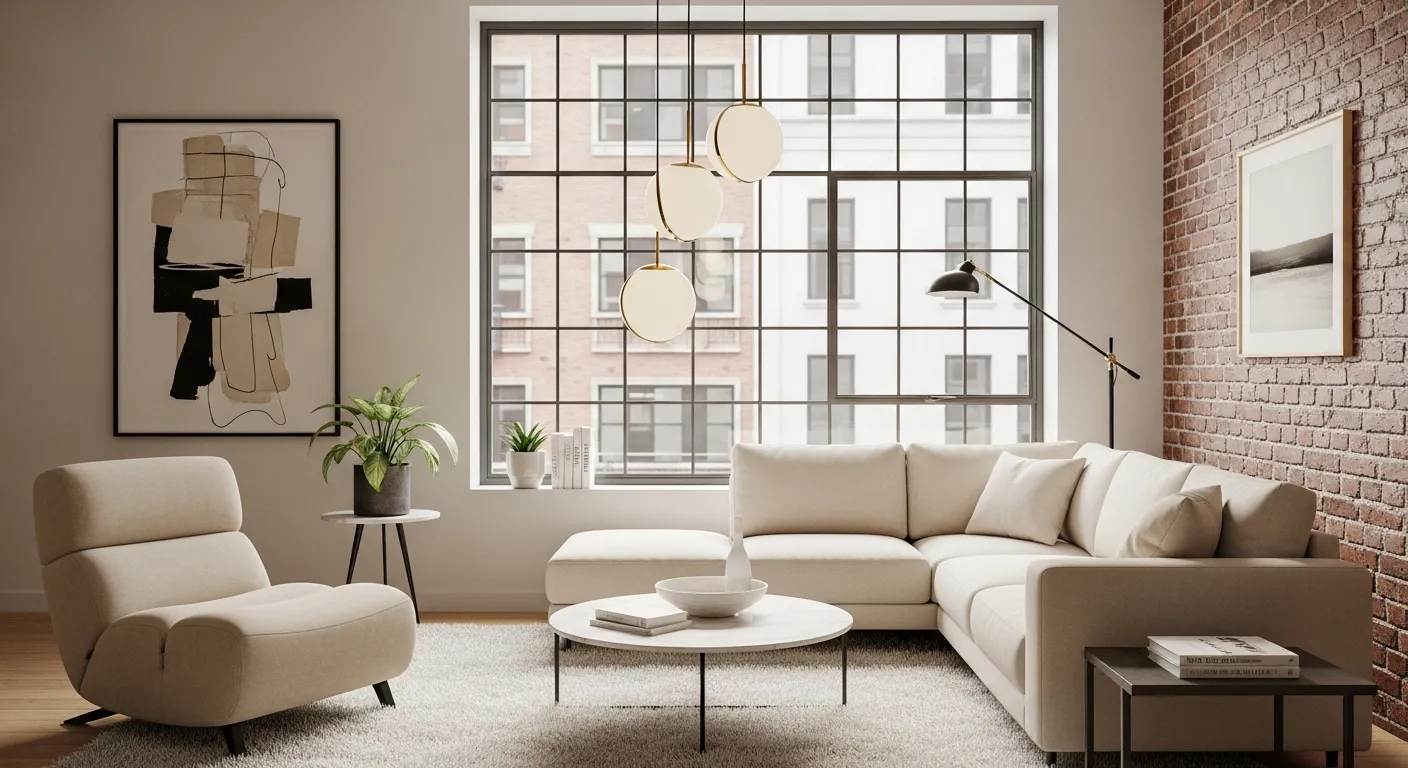
Room size affects the choice of lamp. When coordinating the lamp with other bedroom furnishings, details such as a curtain length guide can also help create better visual proportions and a more balanced appearance. A room with a bigger floor space can accommodate any lamp style and size, but a room with limited floor space needs a well-thought-out lamp. Similarly, considering bedroom rug ideas can help you coordinate the lamp with the room's overall scale, furniture placement, and visual balance. For example, wall-mounted lamps and clip-on lamps don’t need floor space, whereas slim or corner floor lamps can even fit into a narrow space.
Conclusion
Choosing the right lamp for the bedroom involves finding a balance between several factors. The lamp not only has a practical benefit but also is one of the ornamental additions in the room. It should provide both adequate light for tasks like reading and match the overall style of the bedroom.