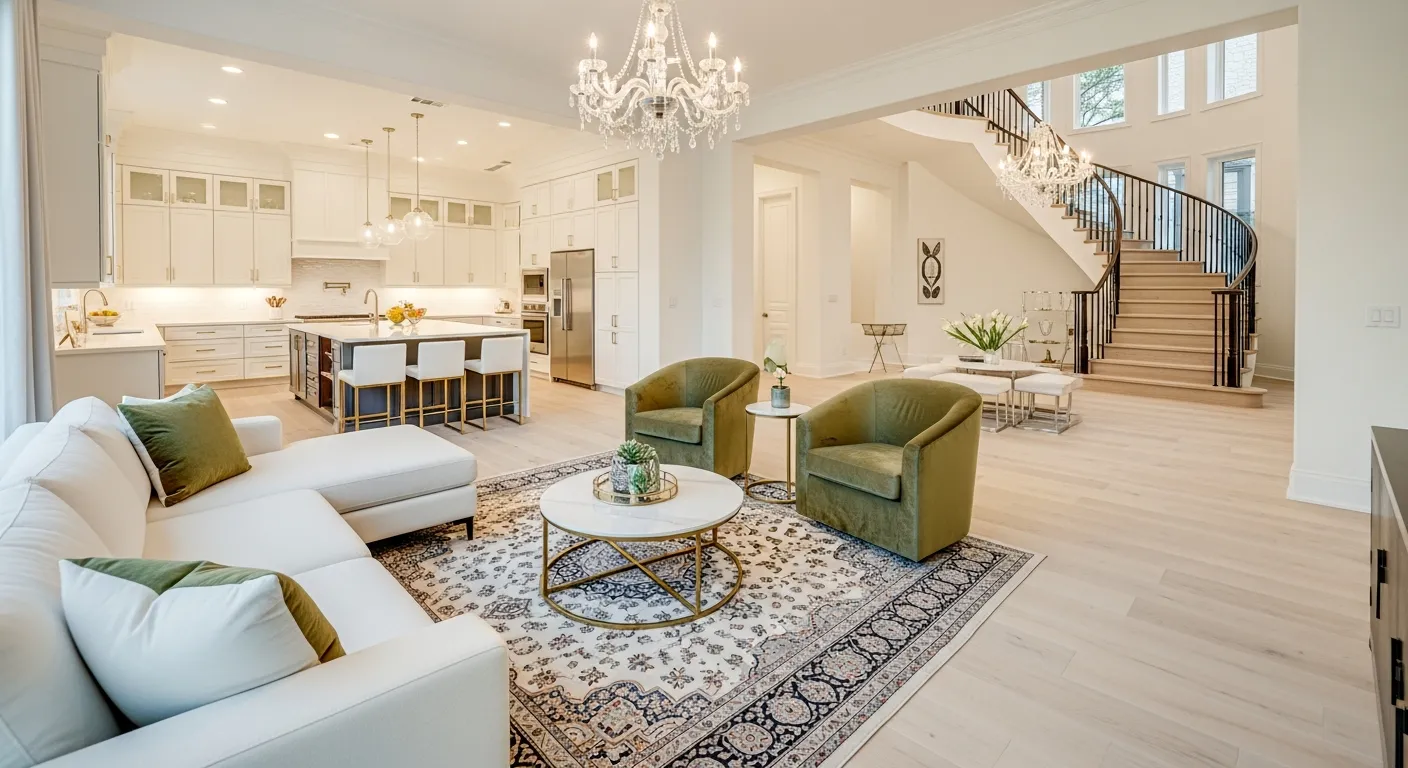
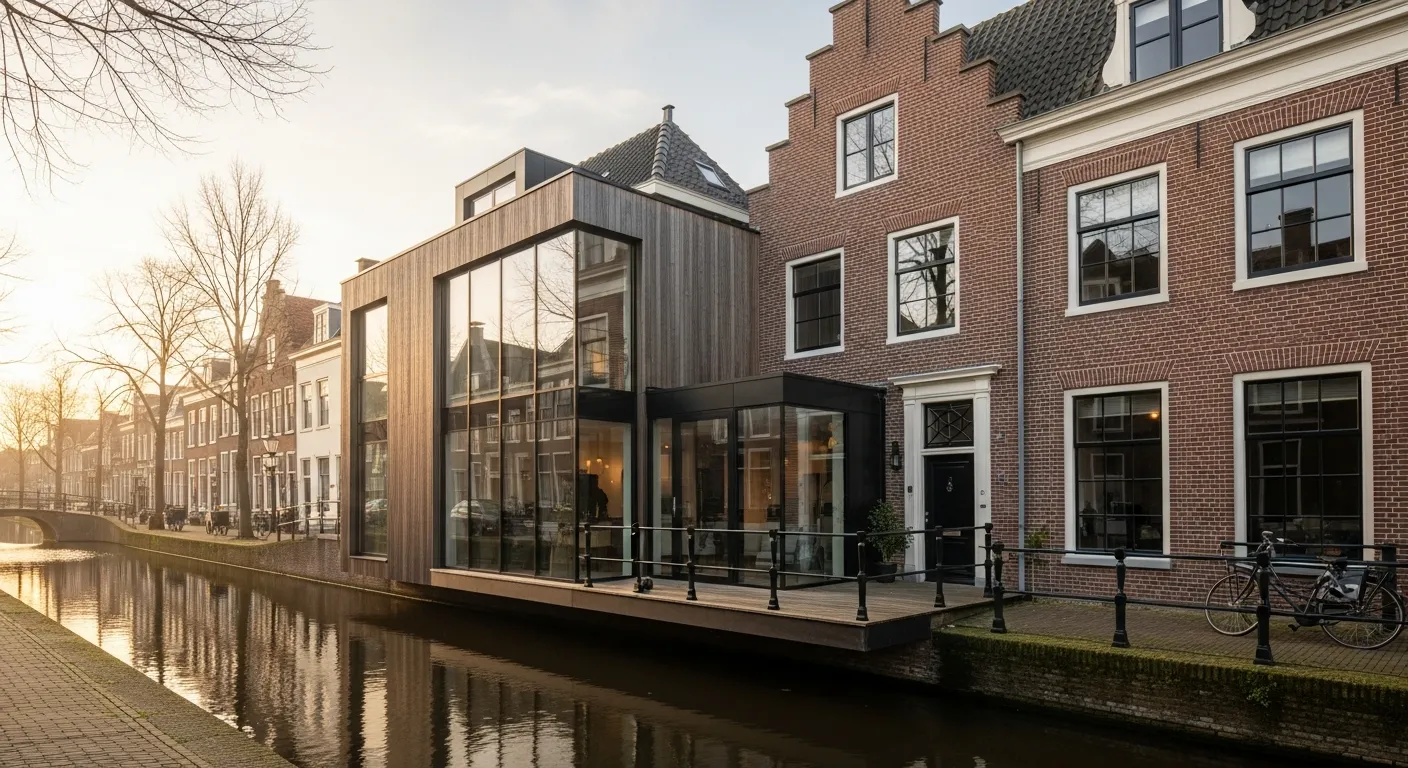
The demand for expanded residential living space across the Randstad region has driven a major shift in how homeowners approach property optimisation. Finding larger premium homes in saturated urban markets like Amsterdam, Rotterdam, and Haarlem is increasingly difficult, leading many families and investors to maximise the potential of their existing properties. Adding horizontal or vertical square footage allows property owners to customise their homes to suit modern lifestyles without the stress, taxes, and logistical friction of moving. However, designing and building a luxuryhome extension in the Netherlands is a highly technical challenge that requires deep geological understanding, architectural expertise, and flawless coordination with local painting and finishing departments to protect the newly created spaces from the elements.
The Engineering Challenges of Soil Conditions and Foundation Piling
The defining technical challenge of any structural addition in the Netherlands lies beneath the surface. Because of the country's high water tables and soft, alluvial soil profiles, a new structure cannot simply be built on a standard shallow foundation. Doing so would cause the extension to settle at a different rate than the main house, leading to severe structural cracking, moisture intrusion, and compromised framing along the connection joints.
To prevent this, engineering firms likeCBS Renovation conduct comprehensive soil mechanics surveys before drawing up blueprints. Based on these geological findings, specialised foundation piling (heipalen) must be driven deep into the stable sand layers below. These steel or concrete piles are then tied into a heavily reinforced concrete ring beam foundation, ensuring that the new home extension functions as a monolithic, stable addition that perfectly complements the existing structure's load-bearing walls for decades to come.
Designing for Aesthetic and Environmental Harmony
A truly successful architectural expansion looks like a natural continuation of the original building rather than a clunky afterthought. This requires careful consideration of materials, rooflines, and spatial transitions. Modern extensions frequently feature expansive floor-to-ceiling glass facades, slimline aluminium framing, and flush threshold transitions that blur the boundary between indoor living spaces and outdoor gardens.
Furthermore, contemporary additions must meet strict energy efficiency standards (BENG regulations). Incorporating advanced insulation panels, high-performance triple glazing (HR+++ glass), and sustainable timber detailing ensures that the new space is energy efficient. By integrating these eco-friendly building practices, an experienced contractor like CBS Renovation helps clients reduce their carbon footprint while drastically lowering their monthly energy expenses, creating a comfortable, future-proof indoor climate before the final phase of the home extension—the interior coatings and finishing works—begins.
Structural Tie-Ins and Building Envelope Continuity
Connecting a newly built framework to an existing historical structure requires careful structural detailing. The intersection point between the old brickwork and the new extension walls is a prime target for thermal bridging and moisture ingress if not engineered correctly.
Professional builders utilise specialised expansion joints and flexible, high-durability flashing membranes to allow for subtle, natural movements between the two structures without tearing the weather seals. Additionally, the building envelope must maintain absolute continuity in its vapour barriers and insulation layers. This ensures that warm, humid indoor air cannot penetrate the wall cavities, eliminating the risk of interstitial condensation and hidden structural rot within the timber framing.
Spatial Flow and Light Optimisation
When extending a home, the primary architectural goal is often to flood the interior with natural daylight, especially during the darker winter months in northern Europe. Simply adding a solid box onto the back of a house can inadvertently darken the original centre rooms of the property.
To avoid this, advanced architectural plans incorporate strategic daylight elements, such as automated structural roof lanterns, minimal-frame glass roofs, and deep light wells. These features capture sunlight from above and throw it deep into the core of the house. By carefully calculating daylight factors and solar heat gain, architects ensure that the extended living and dining zones feel bright, open, and organically connected to the rest of the layout.
Acoustic Isolation and Multi-Generational Comfort
Expanding the physical footprint of a home often alters how sound waves travel through the living spaces. Large open-concept extensions with hard floor surfaces, glass walls, and high ceilings can suffer from poor acoustics, creating echo chambers that disrupt daily life.
To resolve this, modern design specifications incorporate sound-absorbing materials into the ceiling structures, acoustic underlays beneath the flooring systems, and sound-insulated partition walls. This is particularly crucial for families creating multi-generational living spaces, home offices, or dedicated entertainment rooms within their new footprint. Proper acoustic isolation guarantees that while one family member works quietly in the study, another can entertain guests in the garden room without noise overlap.
Conclusion
A bespoke structural expansion is one of the most rewarding investments a property owner can make, delivering immediate lifestyle benefits while significantly increasing the asset’s market value. By combining innovative architectural design with rigorous structural engineering, homeowners can transform their residences into spacious, modern havens. Entrust your expansion to an established, certified builder to ensure that your vision is executed with absolute precision, durability, and craftsmanship.