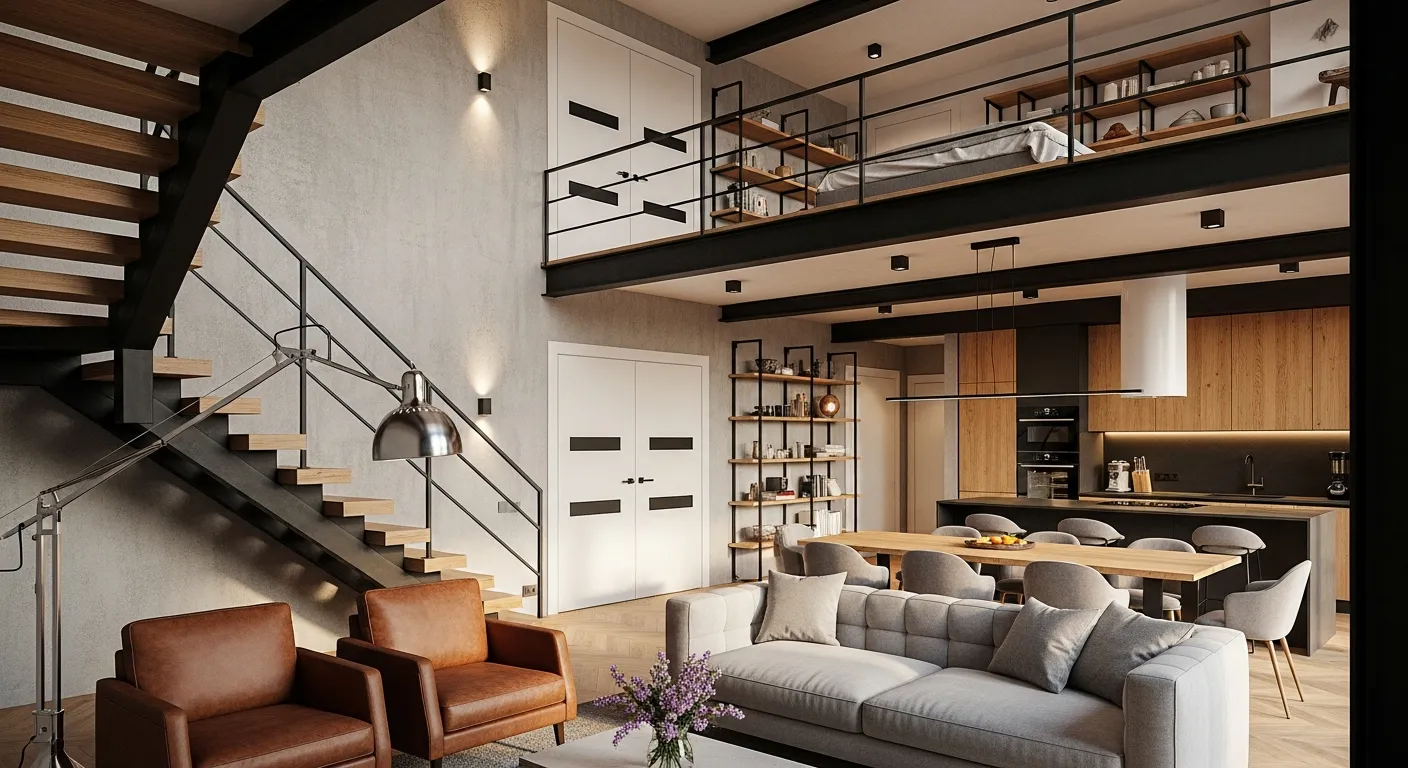
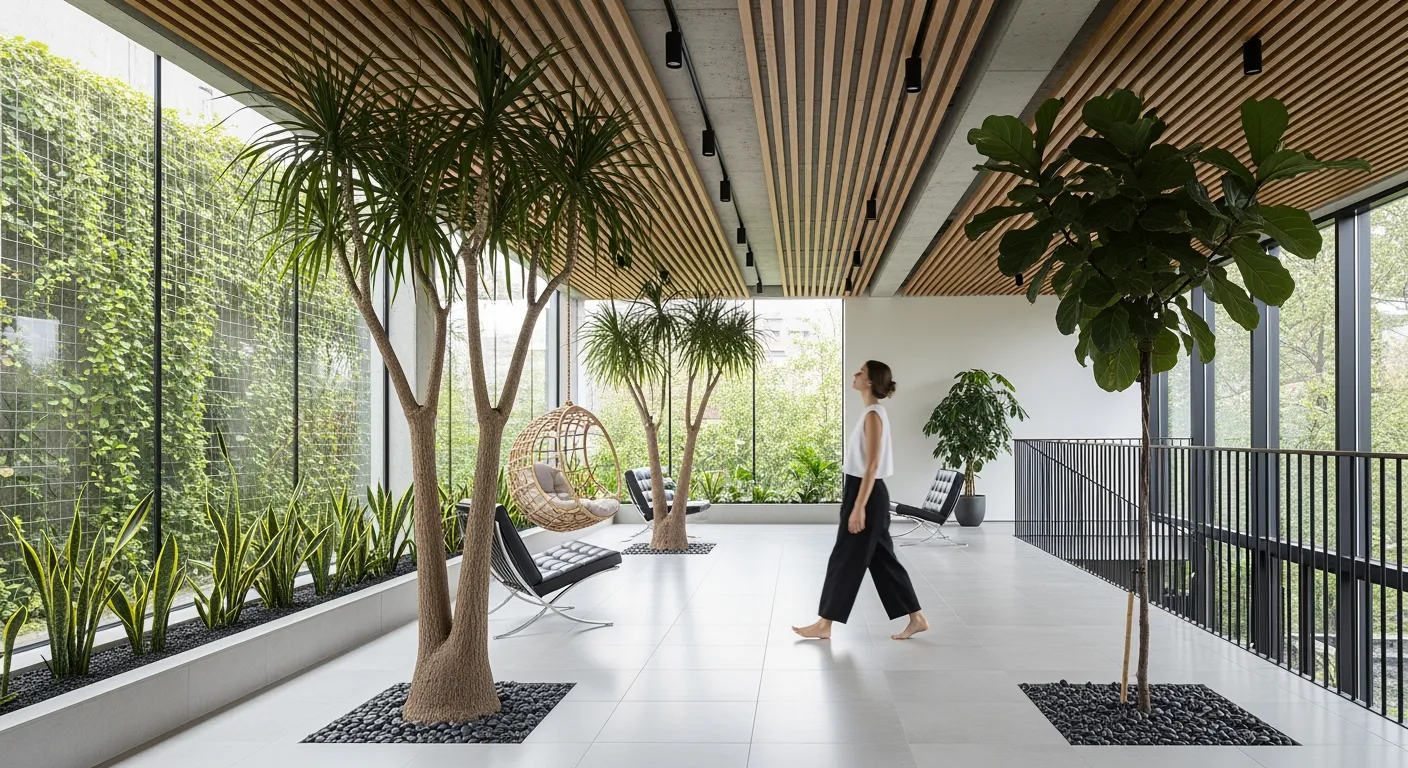
Biophilic design is a trend that incorporates natural elements and materials. Biophilic design brings the freshness and calm of nature into indoor spaces, creating a healthy, happy ambiance. It extends a feeling of connection between the outdoor and indoor environments. This blog highlights the advantages of these designs and the ways to integrate them.
What is Biophilic Design?
Biophilic design refers to the connection between human beings and nature, as well as nature-inspired elements. This design improves the airflow, air quality, and heart rate, thus boosting human health. There are various ways to bring the said design indoors, such as sunlight, plants, and fresh air.
The Advantages of Incorporating Biophilic Design?
It offers multiple benefits, ranging from aesthetics to human health, thereby boosting brain and other body functions. Here are the advantages:
Improves Mental and Physical Health
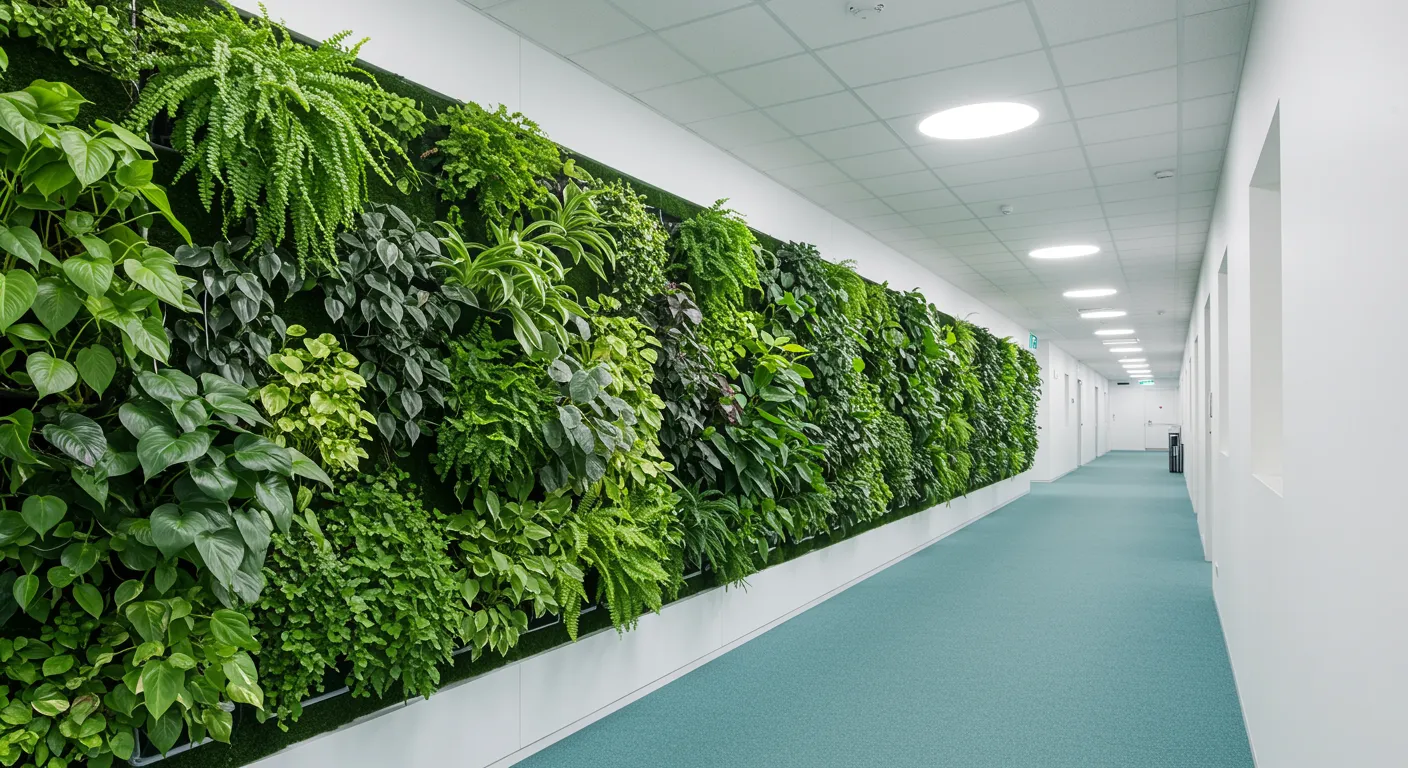
The natural elements of biophilic design lower stress hormones and reduce cortisol levels, thereby reducing stress and anxiety.
Long-term Physiological Benefit
Most homeowners spend considerable time indoors; hence, staying close to natural elements can boost health. It reduces blood pressure and lung-related medical problems.
Lowers the Level of Indoor Pollutants
Some scientific research has found that plants help lower indoor pollutant levels, thereby helping achieve a healthier humidity level.
Enhances Productivity
Higher productivity can be attributed to biophilic interior design, such as the use of light and plants. Natural light boosts productivity and helps the body absorb vitamin D. Many offices opt for more plants to boost motivation.
How to Integrate Biophilic Interior Design Into Your Home?
Biophilic design can be incorporated in multiple ways, but no matter what you choose, it should reflect a love for nature. Here are the different biophilic design ideas.
Simply Add Plants and Greenery
Plants are among the simplest ways to bring the outdoors into the home. You can start with some low-maintenance plants like snake plants, pothos, or any succulents. The other option is to create a vertical garden on the walls of the living or dining room, using trailing plants or hanging planters. There’s no fixed rule to bring in greenery; you can embrace it in various ways.
Shape the Home’s Layout in Close Proximity to Nature
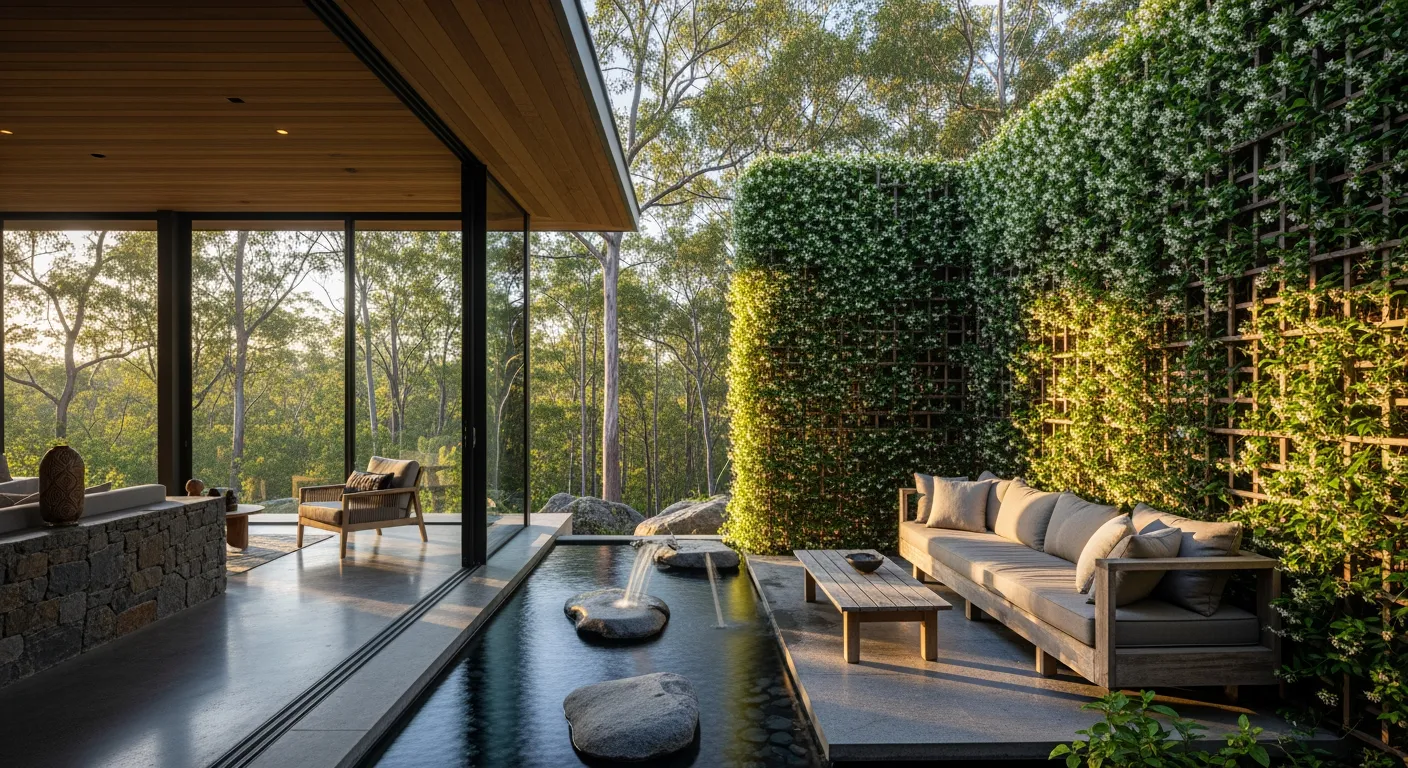
Consider the home's natural elements when incorporating biophilic elements, such as access to natural views and sounds. These principles are especially useful when designing a loft apartment with natural elements, where open layouts can maximize natural light and airflow. The other way to be close to nature is by creating outdoor seating areas, trellis walls, using water features to stay close to water, implementing lights of varied intensity and shadows, and maintaining humidity levels and air temperatures that feel like the natural environment.
Focus on the Natural Light
Embrace natural light in various ways, as it can stimulate your mood and energize you. The best ways to let more natural light in are to use blinds, keep the windowsill clutter-free, and replace heavy drapes with light-colored sheers. Natural lighting is also one of the most important studio apartment layout considerations, as it helps small spaces feel larger and more inviting.You can also use floor lamps, candles, and sconces to mimic the natural light to brighten the room.
Nature-Inspired Color Palette
A natural color palette is one of the simplest ways to incorporate biophilic interior design. Nature-inspired colors are not limited to earthy tones and rich greens; they also include beige, blue, pink, and even grey. These shades work particularly well in minimalist bedroom ideas that focus on simplicity and a connection to nature. All these colors are related to nature, whether sky blue or ocean.
Use Natural Materials
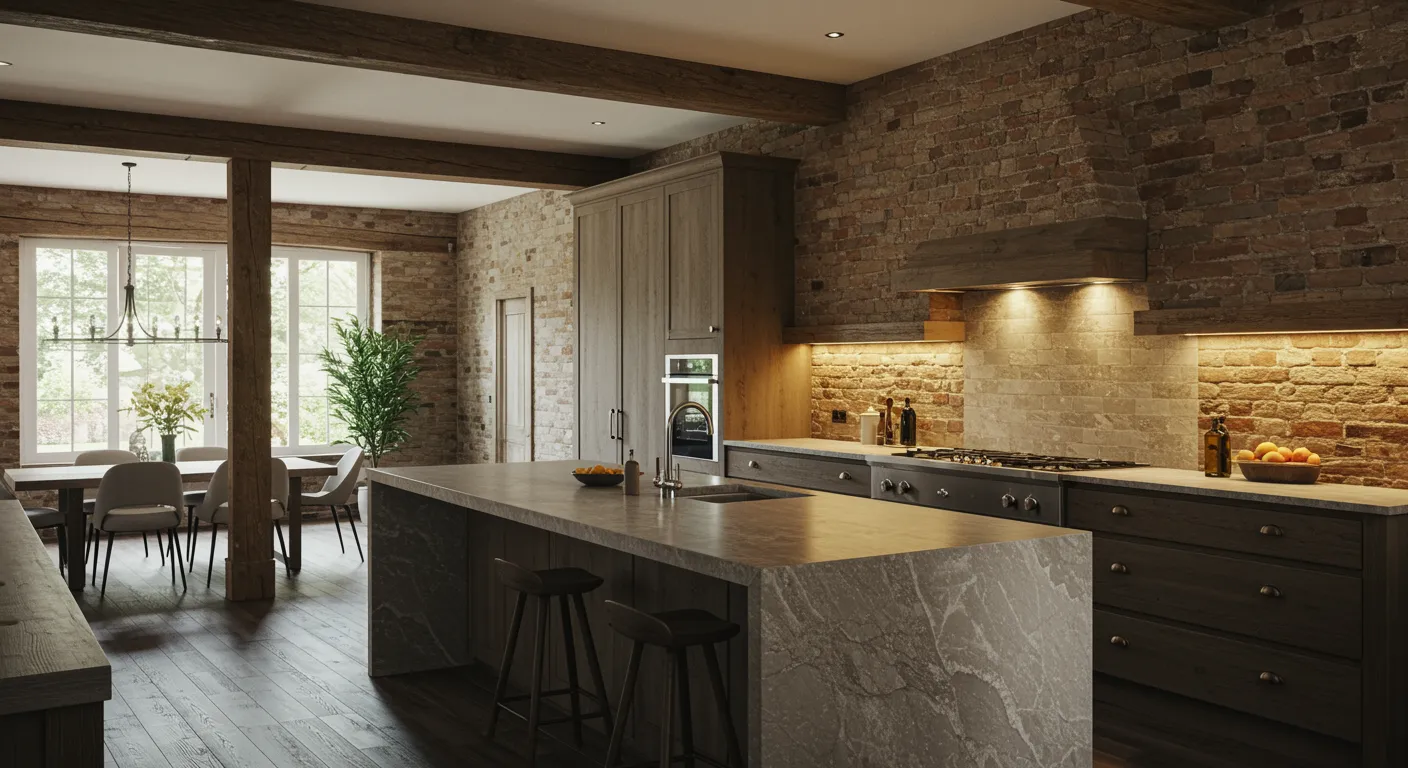
Embrace natural materials in the home. For example, you can use wood, stone, and brick as an accent wall or as countertops, backsplashes, or flooring.
Fill the Indoors With Natural Scents
Arouse your senses with natural scents of fresh flowers like hyacinths, garden roses, freesia, and honeysuckle, or the aroma of herbs like lavender or rosemary. These herbs can be grown in the kitchen in a pot or in other parts of the home. The other ways are hanging fresh eucalyptus from the shower head to give a spa feel, or using essential oil diffusers.
Add Natural Shapes and Forms
Introduce elements of various natural shapes and forms, often found in trees, leaves, and vegetation, as well as in structures created by them, such as hives and webs. There are certain designs that resemble local geology or any living forms. Some of the attributes of the natural shapes and forms are:
- Botanical motifs
- Animal motifs
- Shells and spirals
- Arches, vaults, and domes
- Egg, oval, or tubular forms
- Tree and columnar support
Add Textures
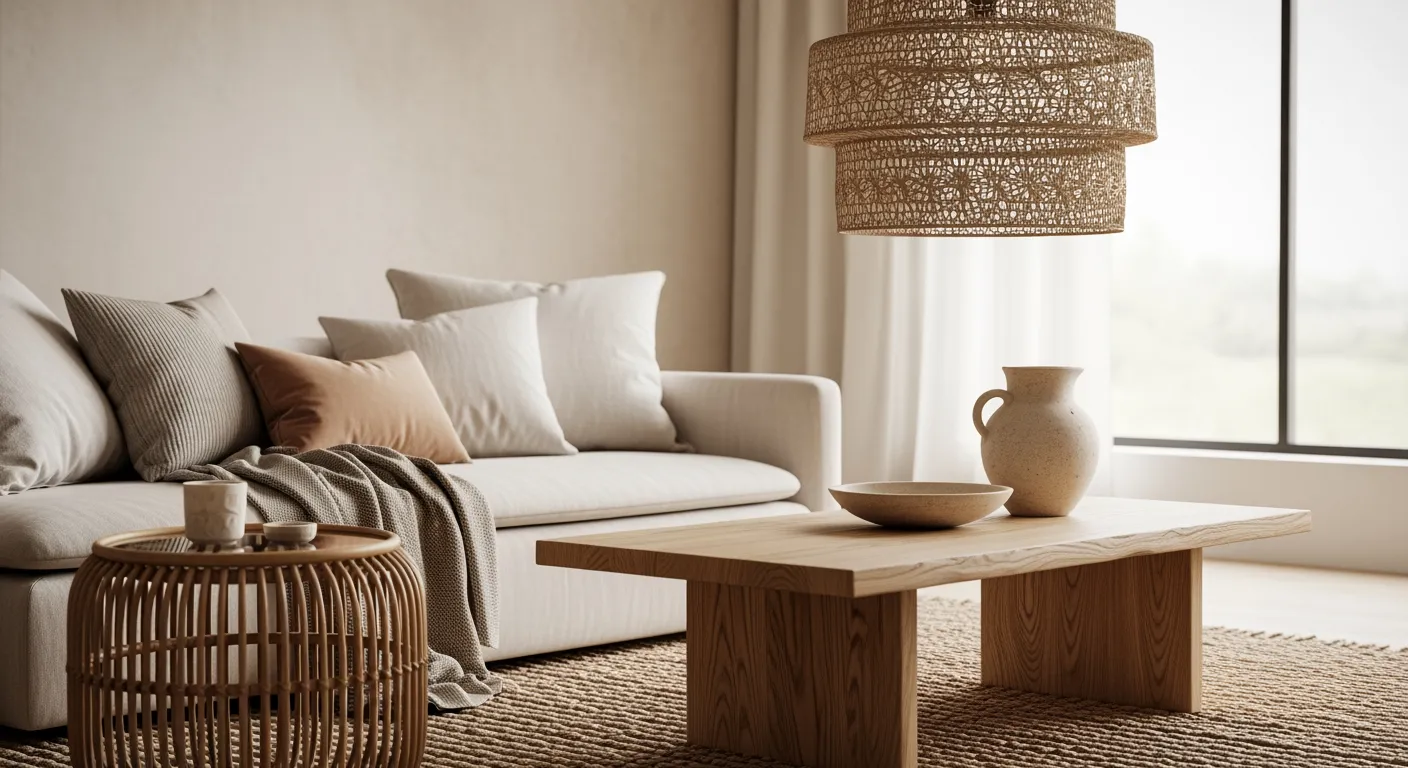
There are various ways to bring in textures indoors. You can use furniture with desired natural textures, such as wood coffee tables, rattan side tables, and woven light fixtures. Cotton and linen textiles are another way to add texture, or use a rug made of natural materials like wool or jute.
Layer Sensory Experience
The biophilic interior design goes beyond the natural light and color palette and extends to gentle and nature-inspired sounds such as bird song, trickle of water feature, and soft crackle of fire (of firepit). Therefore, you can consider a tabletop fountain to enjoy the trickling sound of water. Therefore, you can consider a tabletop fountain to enjoy the trickling sound of water. These sensory elements can also contribute to creating an immersive entertainment space that feels relaxing and engaging
Conclusion
There are multiple ways to incorporate biophilic interior design into your home. This blog discusses adding textures through natural materials, layering sensory experiences, incorporating natural shapes and forms, and more.