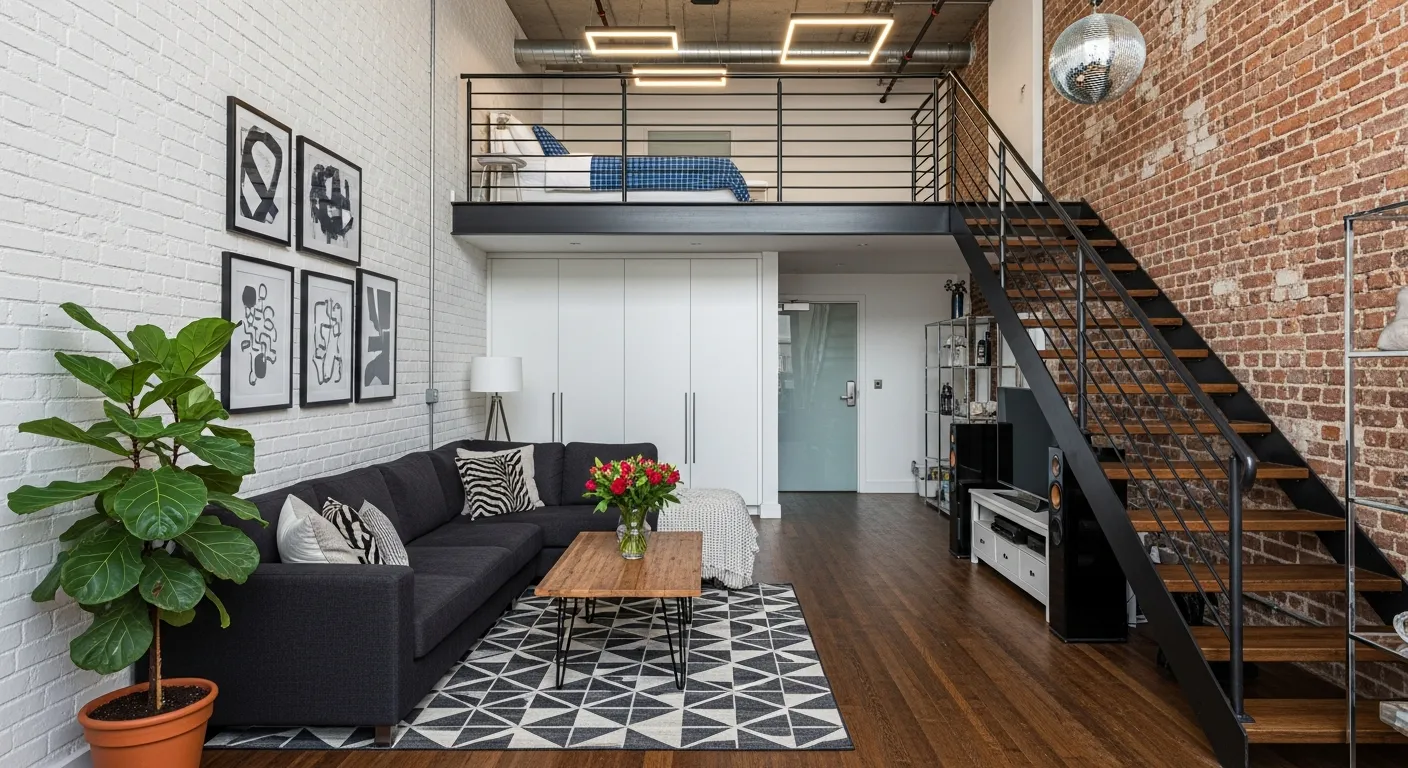
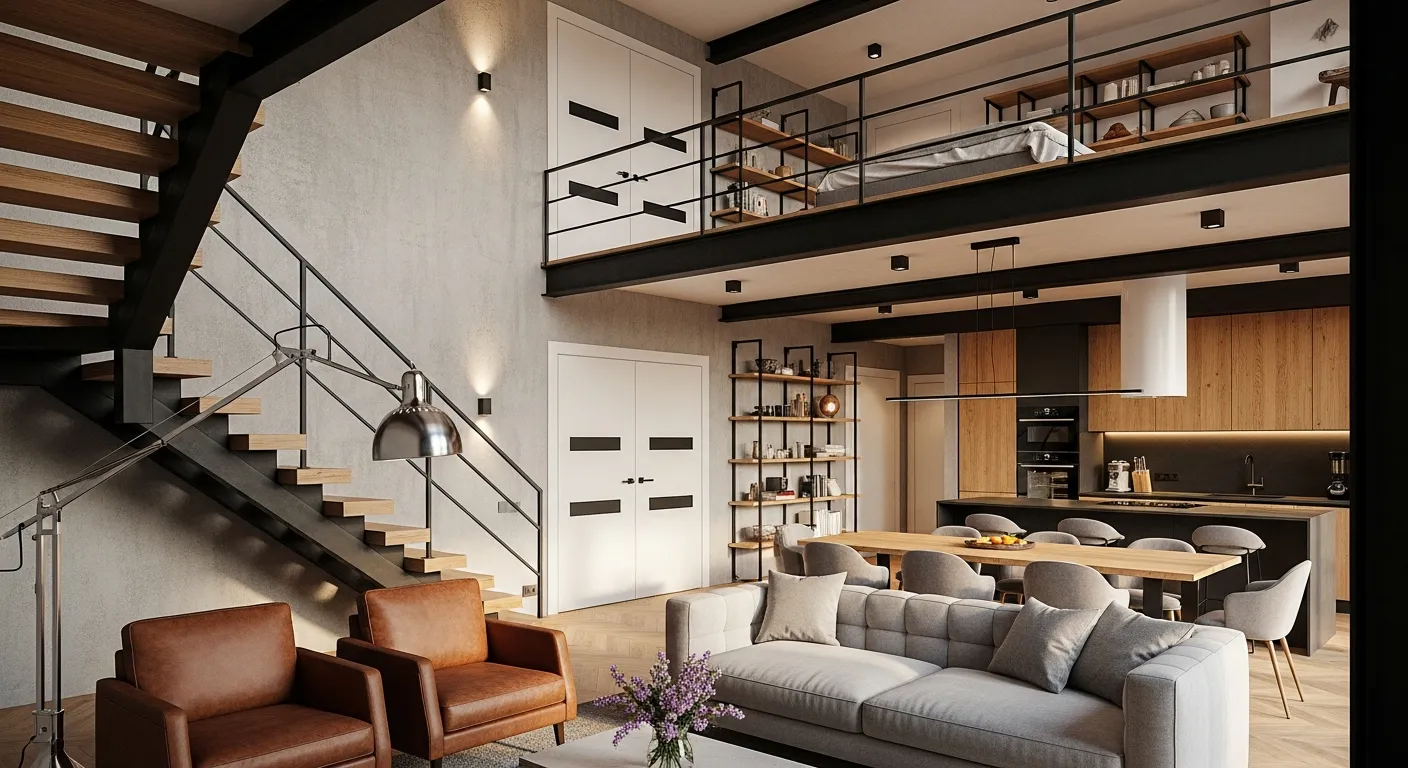
Loft apartments are a popular choice for modern city living due to their spacious, open floor plans, fewer interior walls, industrial aesthetics, and unique aesthetics. Loft apartments are somewhat similar to studio apartments, with no separate bedrooms, but offer a larger floor plan. If you're looking for a detailed studio vs loft apartment comparison, understanding their differences in layout, size, and architectural style can help you choose the right option. These apartments were originally built as warehouses and manufacturing buildings, but were later converted into residential spaces. This blog highlights the details of loft apartments, including their history, features, and much more.
History of Loft Apartments
The history dates back to the mid-20th century, when artists needed more space to create large paintings. The artists began moving into the warehouses and industrial buildings that were no longer in use. Though the fire department raised concerns about the safety of these warehouses, artists managed to convince the officials and began using the space.
Over the years, some warehouses and industrial buildings began to be used as loft apartments, and many builders started building apartments with features similar to those of loft apartments.
Features of Loft Apartments
There are several unique features of loft apartments, such as large windows, high ceilings, fewer interior walls, etc., which are discussed in detail below:
Large Open Space
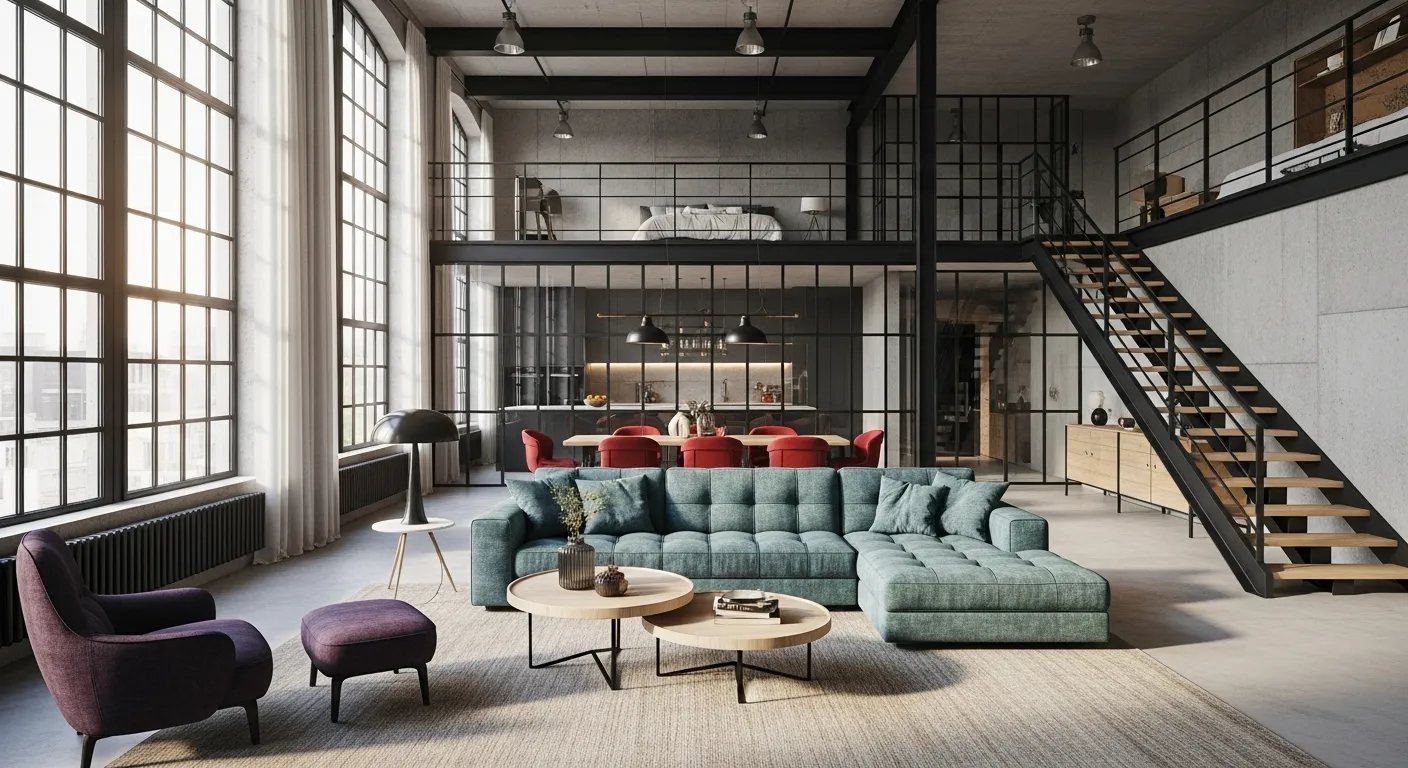
Loft apartments have expansive floor space because they were originally built as manufacturing and warehouse spaces, with the flexibility needed for industrial operations. As a result, loft apartments have a deep, wide living room with no interior walls. The biggest advantage of an open loft space is its flexibility in layout. However, it also presents challenges, as you need to consider key features such as window and building depths when deciding on the bedroom, bathroom, and kitchen. Using minimalist bedroom design ideas can help define the sleeping area without making the open space feel crowded.
High Ceilings
Ceiling height is another key feature of loft apartments. The high ceilings were built to accommodate large machinery, but when the building was converted into residential spaces, they were appreciated for their openness. Additionally, high vertical space opens up various design options for tall interiors, statement lighting, etc.
Structural Columns
Loft apartments are identified by their structural columns, which were originally installed in industrial buildings and warehouses to support manufacturing operations. Some columns were made of cast iron, while others were made of steel. The column spacing significantly affects the room's layout and how furniture can be arranged.
Lofts With Exposed Bricks in the Exterior Walls
Many historic buildings were built with load-bearing brick walls to support heavy timber or steel floor systems and to provide fire resistance. Many people prefer exposed brick, as it adds to the aesthetic and helps differentiate authentic loft apartments from imitated buildings.
Large Industrial-style Windows
Authentic loft apartments are identified by large windows, originally installed to ensure the building receives maximum natural lighting for daily operations.
Different Types of Loft Apartments
There are mainly three types of loft apartments: hard lofts, soft lofts, and mini lofts. All three are discussed below:
Hard Lofts
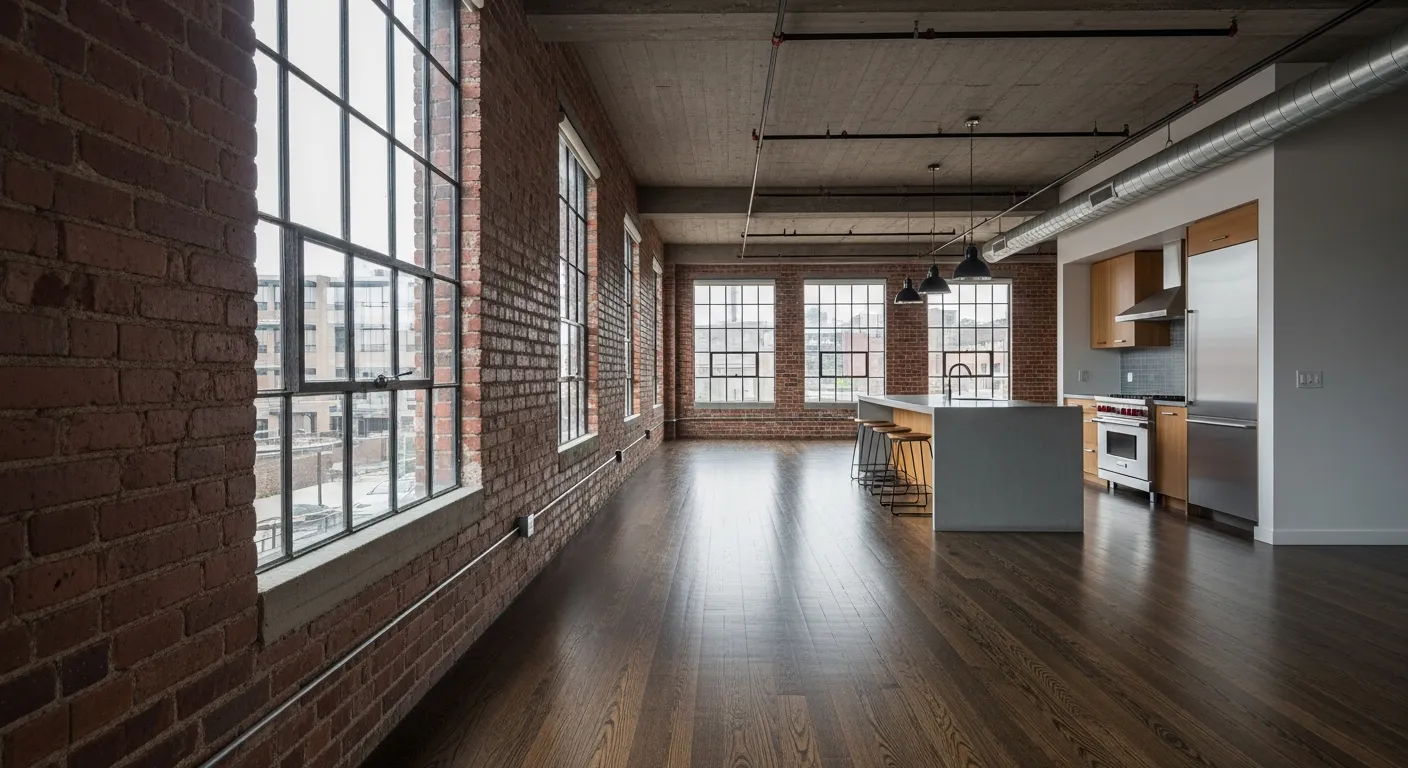
These are the original industrial buildings that were converted into residential spaces and can be seen in industrial areas. Hard lofts retain the original raw look of old industrial buildings, with hardwood floors, brickwork, and tall windows.
Soft Lofts
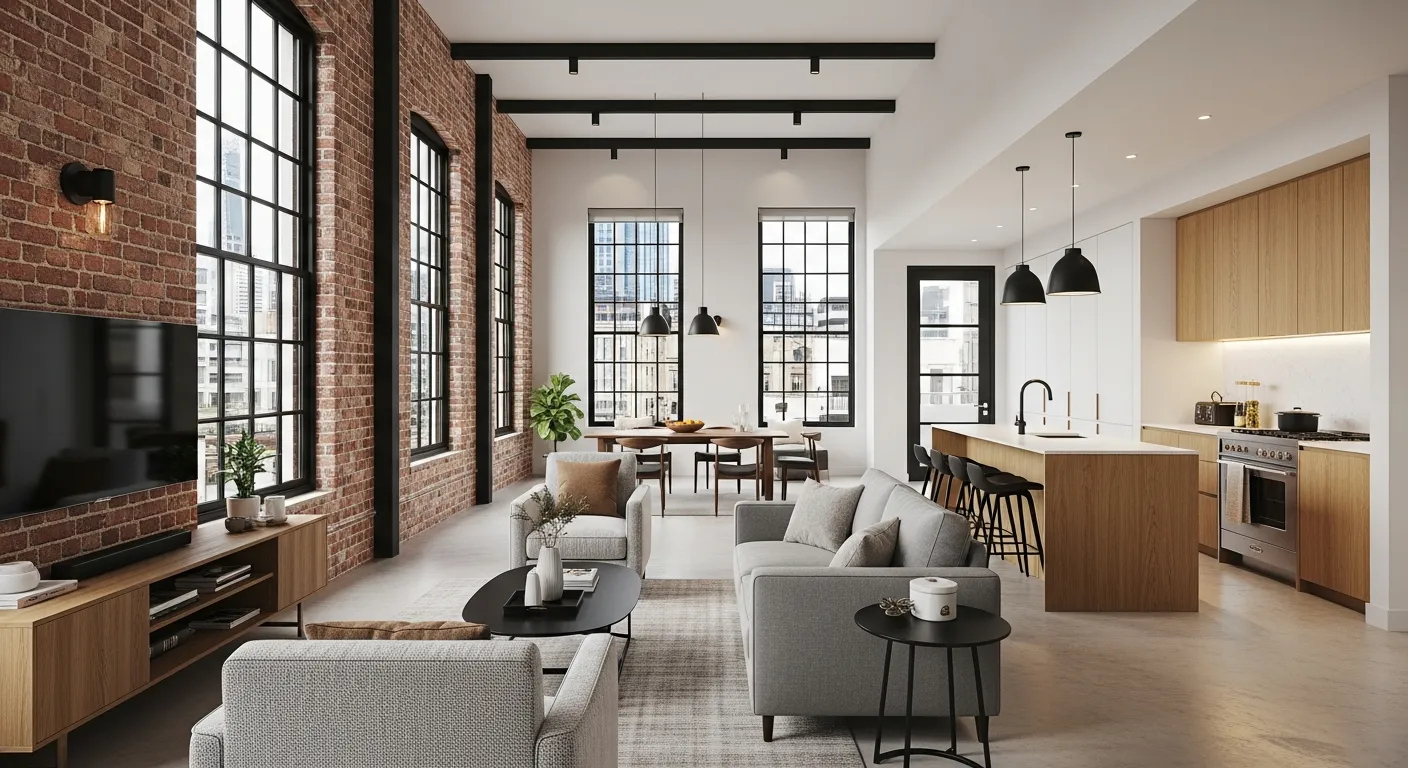
These are the newly constructed loft apartments that imitate the authentic style. Soft lofts, despite being part of new construction, aim to incorporate features of authentic loft spaces, such as open floor plans, high ceilings, and exposed brick. The only difference is that the newly built loft apartments are more energy-efficient and have better facilities.
Mini Lofts
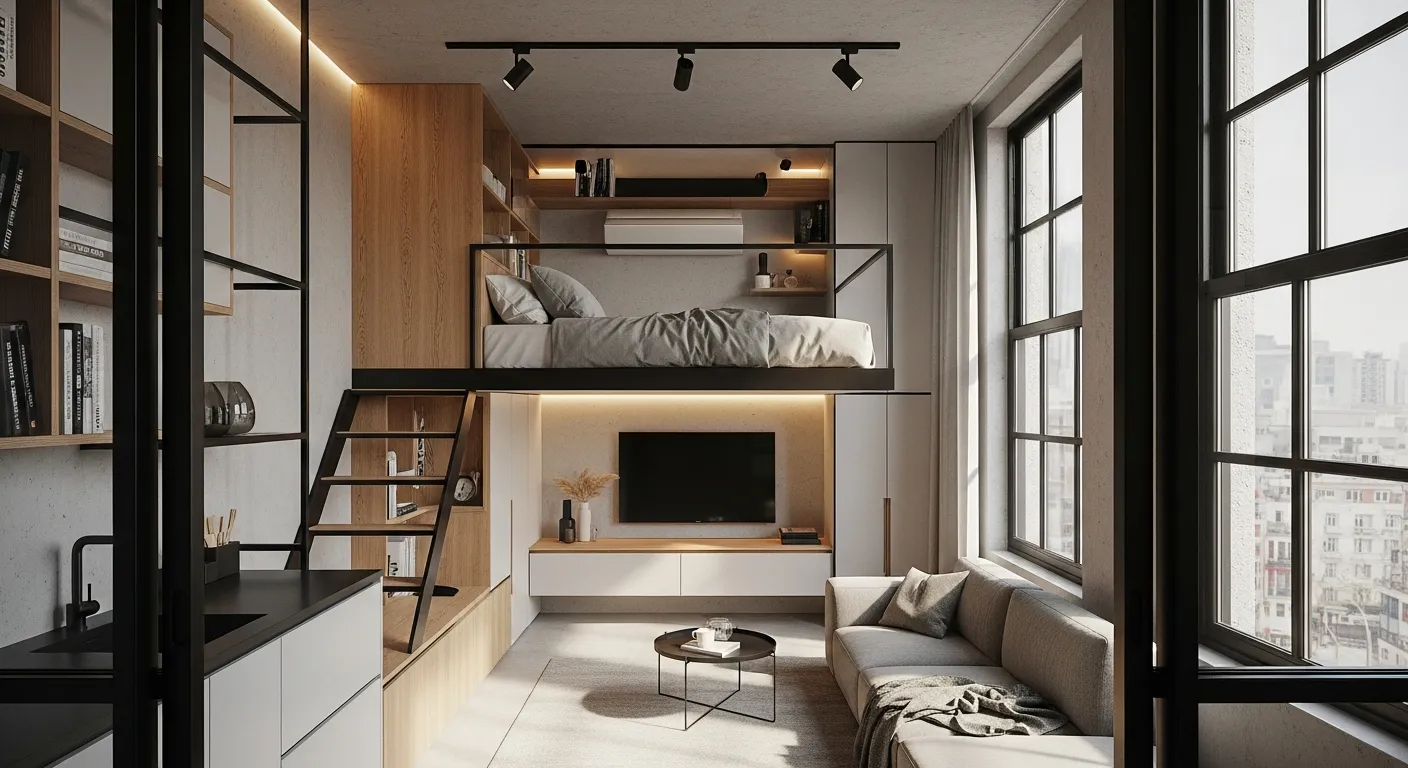
Mini lofts are the cost-effective, compact form of loft apartments, best suited for an urban lifestyle. Smart strategies for designing functional rooms in limited spaces can help maximize every square foot while maintaining comfort and usability. Though mini lofts offer limited floor space, their vertical and storage space make them functional.
Advantages and Disadvantages of Loft Apartments
Loft apartments have both advantages and disadvantages, which are discussed below. Whether you plan to rent or buy a loft apartment, understanding the pros and cons can help you make a better decision.
Advantages
Large Space- Loft apartments offer large and open space that gives plenty of options to use the space the way you want.
Open Layout- The open concept layout provides a feeling of openness and freedom because of the high ceilings and large windows, making lofts ideal for incorporating biophilic design for open spaces through indoor plants and natural materials.
Unique Industrial Charm- Unlike usual apartments, loft apartments offer a unique industrial charm that many people look for. The exposed bricks and concrete floors bring in the authentic industrial charm.
Disadvantages
High Energy Bills- The old industrial buildings converted into loft apartments lack proper insulation, resulting in high energy bills. The old buildings were constructed with high ceilings and high windows, making the heating and cooling challenging.
Challenges in Decorating the Space- The distinct architectural features make decorating more challenging.
Limited Storage Space- One of the biggest disadvantages is its low storage space. Many people opt for creative space management solutions to create storage space.
Are Loft Apartments Costlier Than Traditional Apartments?
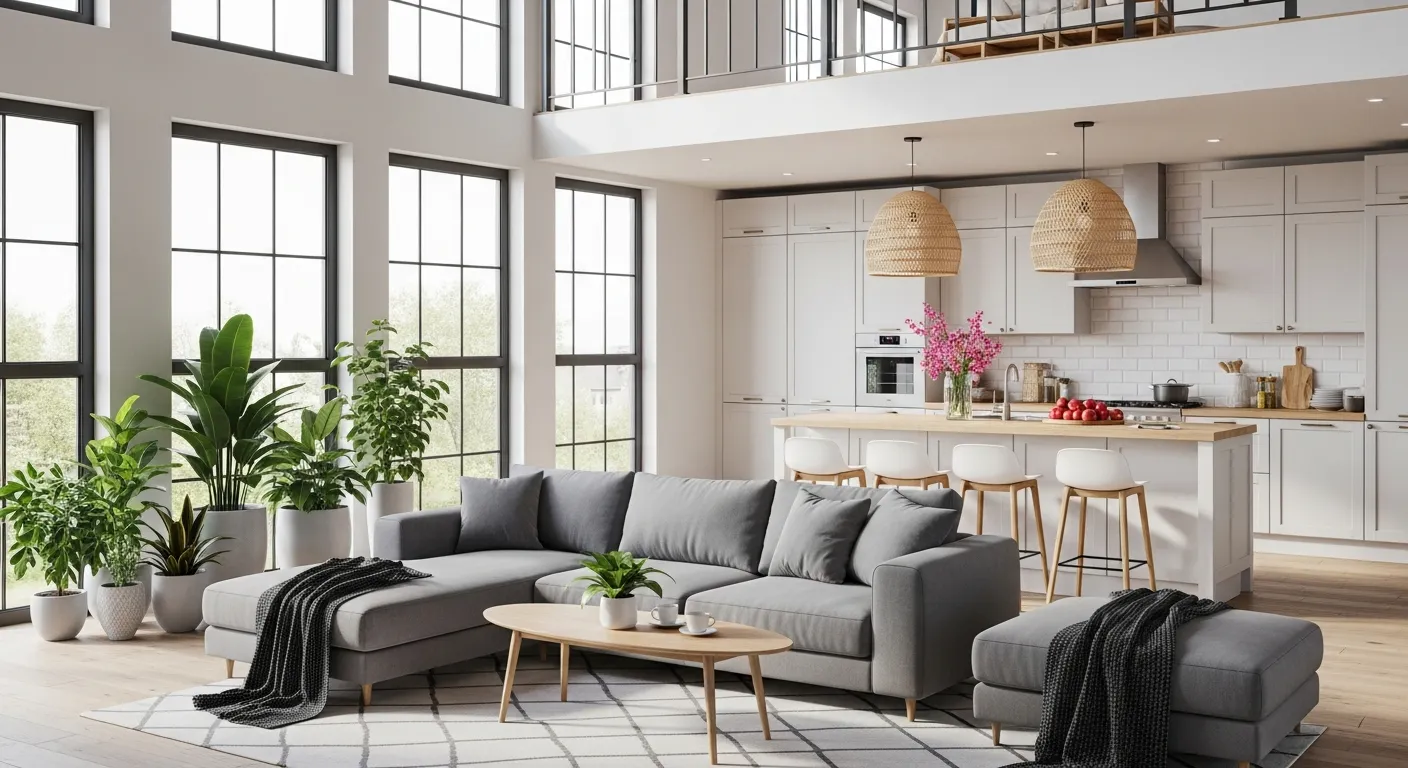
The costs vary from one city to another, but loft apartments (converted from old industrial buildings) are usually more expensive than traditional apartments. This is because these apartments have a bigger space and unique architectural features. If you opt for soft lofts in new buildings, you may get cost-effective options with modern amenities.
Conclusion
Loft apartments bring the authentic charm of old industrial buildings, with features like floor-to-ceiling windows and high ceilings. Whether old industrial buildings are transformed into loft apartments or new loft apartments are built that mimic authentic features, the result is the same: a sense of authenticity. Consider the pros and cons, then decide whether it’s worth it to go for loft apartments.