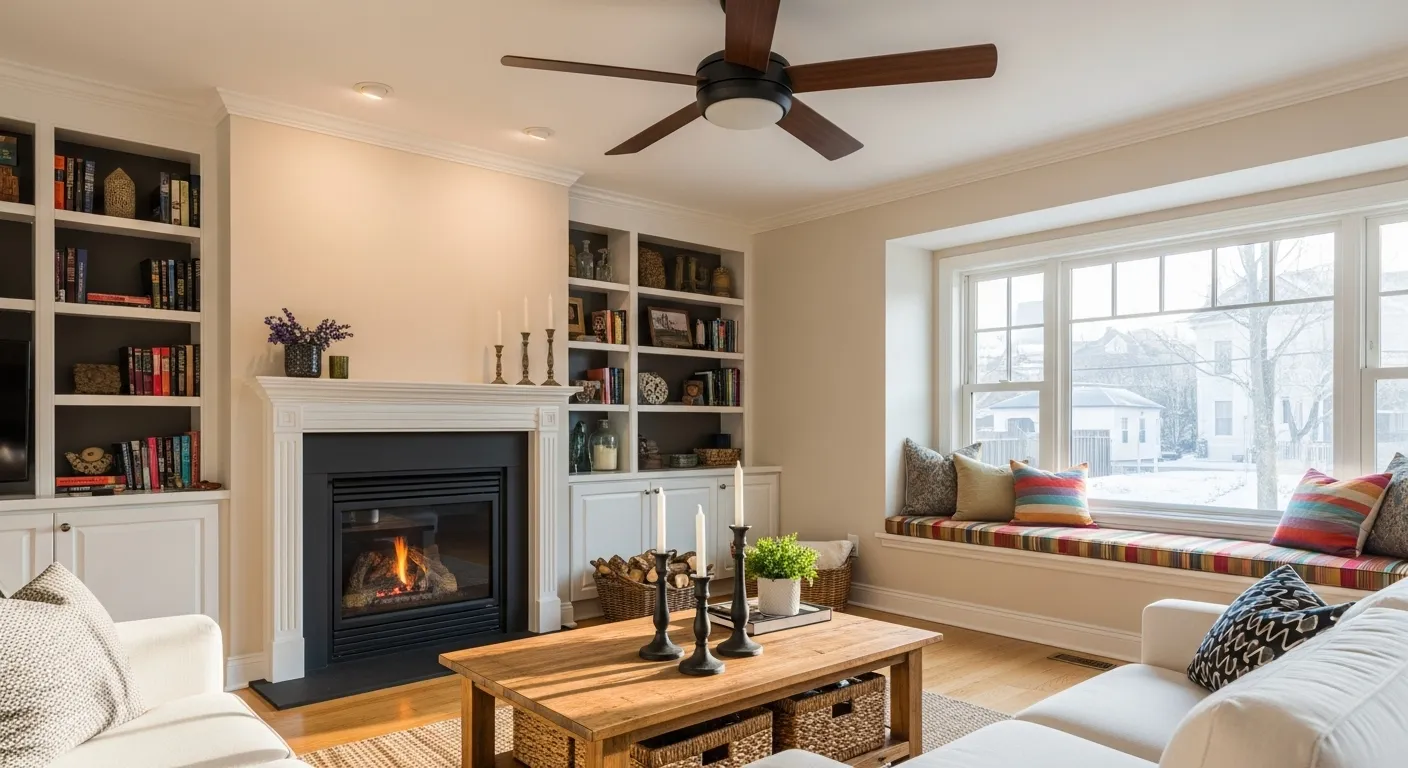
Your interior design truly comes to life when it reflects the hobbies and passions that shape who you are. Whether you’re an avid rock climber, a devoted book collector, or a music enthusiast, your home can become a personal sanctuary that celebrates what you love most.
The way you arrange and decorate your space naturally reveals your taste and personality. As your interests blend into your home’s aesthetic, unique design ideas emerge—from dedicated gaming corners to thoughtfully planned kitchen layouts for passionate bakers. Space limitations can feel challenging, especially in compact cities like Singapore. However, with the right approach, there are creative ways to display musical instruments, organize large book collections, or even integrate climbing walls into modern condos.
This article explores how to transform hobby collections into interior design statements. You’ll discover how to create spaces that support your favorite activities while still feeling cohesive, functional, and visually engaging for everyday living.
Canvas and Creativity: Designing Around Painting Hobbies
A painting studio in your home becomes a sanctuary where creativity thrives. Your dedicated art space does more than serve a practical purpose - it improves your mental well-being and gets more, thus encouraging more inspiration. It adds a personal touch to your living space, too.
1. Setting Up a Dedicated Art Corner

You don't need an entire room to create an art corner. Consider splitting an existing space with shelving units or screens that define your creative zone from the rest of the room. A small desk in an unused corner can become your artistic haven. People with limited space can use a fold-down wall-mounted table as a workstation that tucks away after use.
The magic happens when you have a permanent spot where creativity flows without constant setup and breakdown. Pick a location with comfortable seating - an ergonomic chair helps prevent strain during long painting sessions. On top of that, it helps to surround yourself with inspirational elements like plants or a mood board to spark your creative process.
2. Choosing the Right Lighting and Storage

Light quality affects how you notice colors. North-facing windows provide artists with ideal natural light, delivering steady illumination without harsh shadows or color distortion. Natural light changes throughout the day, so you'll need supplemental lighting.
For example, see high-CRI (Color Rendering Index) LED lights with ratings above 90 that ensure accurate color representation. Full-spectrum lights with a color temperature of 5000-6500K mimic natural daylight best. Directional lighting helps cut down glare on your favorite Number Artist canvas kits, highlighting details in your work.
Clear containers let you see supplies at a glance. Vertical solutions like pegboards make the most of wall space, while rolling carts offer mobility when you paint in different spots. Dedicated shelving keeps your canvases organized and available.
3. Displaying Your Finished Pieces as Decor

Let your artwork shine as a centerpiece of your unique interior design. Gallery walls with collections of pieces - whatever their size or style - create dramatic focal points. You might want to play with lighting, too. Afternoon sunlight through windows can create beautiful effects without dedicated picture lights.
Skip traditional mounting and try creative alternatives. Pants hangers work great for lightweight pieces, while cookbook stands display smaller works nicely. Floating frames that show the canvas edges add a contemporary touch, especially when arranging horizontal rectangular wall art to create visual balance across wider wall spaces.
Music, Games, and Motion: Active Hobbies in Interior Design
Active hobbies just need well-designed spaces that work with sound, movement, and special equipment. Music rooms and gaming stations need unique design approaches that balance function and looks.
1. Soundproofing for Music Practice

Good soundproofing lets you enjoy your music without disturbing others. Sound waves move through the air as mechanical energy until they fade. This makes proper soundproofing vital to keep noise in and outside sounds out.
You should think about adding Mass Loaded Vinyl (MLV) behind drywall with Green Glue Compound and Resilient Sound Isolation Clips. These create an air gap that cuts down sound transfer by a lot. Doors can be weak spots in soundproofing. Door seal kits help block even tiny cracks where sound escapes.
Acoustic panels on walls soak up reflected sound. They turn harsh highs and muddy lows into clearer sound. Research shows that cutting sound by just 10 decibels makes it seem 50% quieter to people outside.
2. Creating a Gaming Zone With Ergonomic Furniture

Your gaming space needs furniture that helps you play better and stay healthy. Good ergonomic gaming chairs come with adjustable head and neck support. These features are significant for long gaming sessions. Look for chairs with Dynamic Variable Lumbar support that adjusts as you move.
Height-adjustable desks let you switch between sitting and standing. Complete gaming rooms need proper cable management. Sleeves and zip ties prevent wear on equipment and keep things looking neat.
The right lighting makes gaming more immersive. RGB LED strips behind monitors create soft backlighting that's easier on your eyes. Smart storage like floating shelves and media cabinets keeps your controllers, games, and accessories tidy.
3. Integrating Workout or Dance Spaces

Dance and workout areas need the right flooring to protect your joints and help you move freely. Concrete surfaces in basements or garages can hurt your joints. Wooden floors or padded wooden flooring work better over concrete.
Mirrors do two jobs - they make the space look bigger and help you check your form while practicing. Sound control matters too. Acoustic panels or curtains help control echoes that can throw off your rhythm.
The room's location makes a difference. First-floor spaces reduce noise transfer to other parts of your home. On top of that, portable equipment like small speakers gives you flexibility without expensive sound systems.
Books, Fashion, and Collectibles: Displaying Your Passions
Displaying collections at home turns ordinary interiors into customized showcases of your interests. Each displayed item tells visitors a story about who you are.
1. Open Shelving for Book Lovers

Wall-mounted open shelving turns book collections into available works of art. Your books can create the illusion of built-in features, unlike enclosed bookcases. The space feels airy and open even when filled with books. You can arrange books by color or size to create maximum visual effect and treat them as decorative elements with carefully chosen accessories. The shelves look stunning against a wall and create an architectural backdrop that draws your eyes upward.
2. Walk-in Wardrobes and Fashion Displays

A spare bedroom can become a stunning walk-in wardrobe to showcase your prized clothing collection. Statement lighting, like crystal chandeliers or ring pendants, will light up your space and create an impressive focal point. Your space will look bigger with floor-to-ceiling mirrors that serve practical purpose,s too. Designer shoes or handbags displayed on pedestals become sculptures that highlight their craftsmanship.
3. Themed Walls for Collectibles

Themed walls make collectibles shine brightly. Shadow boxes protect and feature your three-dimensional items. We created balance in successful displays with varying heights for visual interest. The pieces need consistent spacing between them (typically 2-4 inches) to ensure a cohesive look.
Kitchen, Crafts, and Beyond: Functional Hobby Spaces
Functional hobby spaces combine practicality with personal expression. These spaces let your passions thrive without sacrificing your home's esthetic appeal. Your dedicated zones support creative pursuits while adding to your unique interior design.
1. Baking-friendly Kitchen Layouts

Serious bakers need counters that sit 7-8 inches below elbow height. This height works best for rolling and kneading dough. A dedicated baking station with marble or granite keeps butter cold while you work with pastry. You might want to install two ovens—especially convection models that move hot air around for even baking. Large refrigerators that fit quarter and half sheet pans are vital for recipes that need chilling before baking.
Smart storage makes a difference. Tray pull-outs work great for baking sheets, while drawers with peg dividers handle awkward items like cake stands. A base mixer lift keeps heavy equipment ready to use but hidden away when you're done.
2. Crafting Stations With Smart Storage

The quickest way to organize craft supplies starts with grouping similar items—all painting materials in one place, sewing items in another. Transparent storage with clear, labeled bins helps you spot what you need, though opaque bins create a tidier look.
A pegboard system puts your most-used tools within easy reach. Acrylic drawers for smaller supplies can turn small spaces into productive craft zones. Rolling carts give you freedom to craft anywhere when you need flexible space.
3. Multi-use Rooms for Hybrid Hobbies

Modern homes now feature adaptable spaces where rooms serve multiple purposes. Furniture on casters moves easily, so you can push a guest bed against the wall and make room for your crafting table.
Area rugs help define different activity zones in open spaces. Kitchen-craft combinations work well with surfaces that support cooking, working, and creative activities. Strategic lighting helps separate spaces—pendant lights above work areas and chandeliers over dining spots create distinct zones.
Conclusion
Personal interests can transform ordinary rooms into expressive reflections of who you are. When hobbies take center stage, a home feels intentional and alive. Paintbrushes, instruments, and carefully chosen collections stop hiding in storage and instead become design features that give your interior character, warmth, and a sense of identity.
Limited space, especially in dense urban homes, may feel restrictive at first. However, thoughtful planning opens up flexible possibilities for every passion. Art corners with proper lighting, sound-treated music areas, or adaptable layouts allow your living space to support creativity without sacrificing comfort or visual balance in daily life routines.