
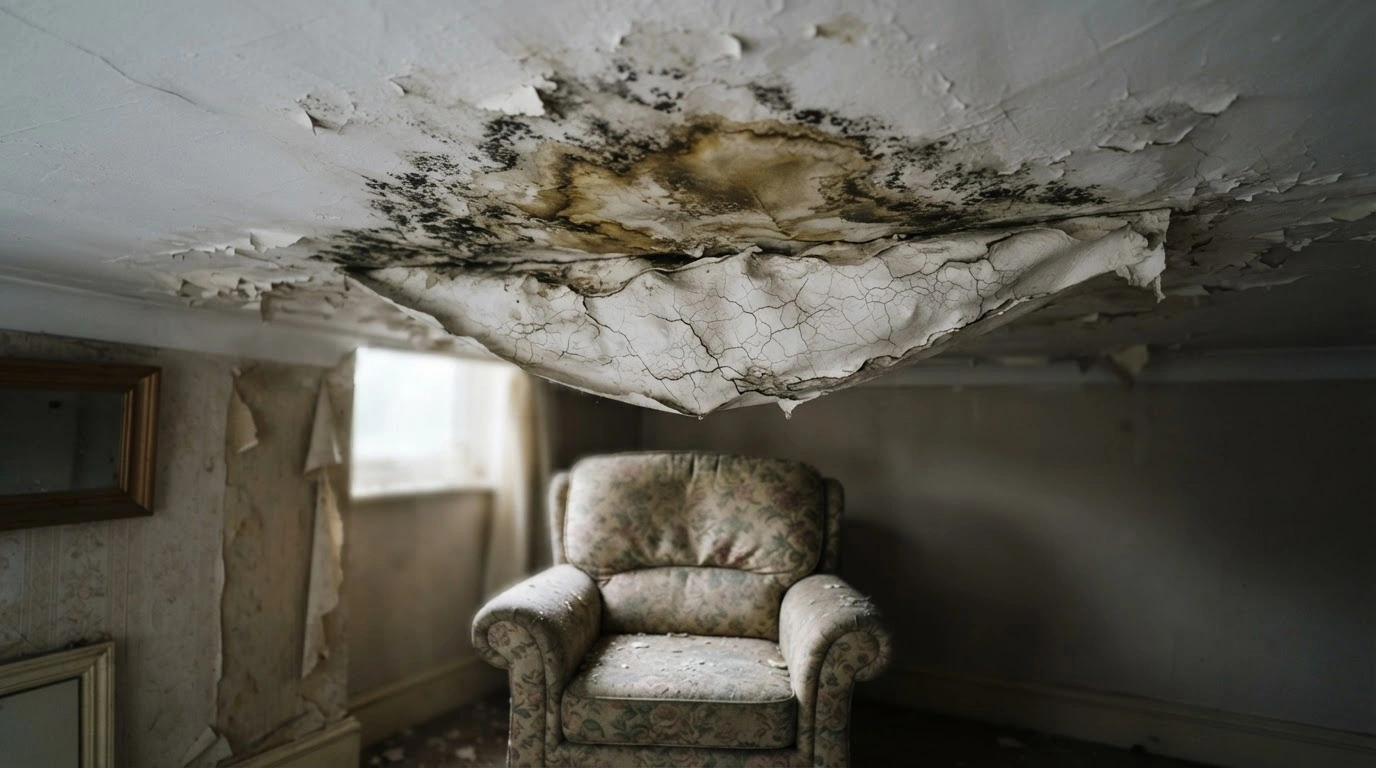
Most home maintenance lists work the same way. The loud stuff gets fixed first. The quiet stuff waits. You might notice a squeaky hinge. So, might see a slow drip. You might spot a gap under the door frame. None of these tasks feel urgent. They do not seem worth interrupting a Saturday. This situation creates a gap in the market. handybandi.com fill this gap. Small jobs often sit ignored for a long time. They eventually turn into much bigger problems. This standard habit usually catches up with you when you can least afford it.
The Leak That Quietly Drains Your Wallet
Take water as an example. A dripping faucet looks harmless. The numbers say otherwise. One running drip can waste close to 2000 gallons a year. Leaks across an average household add up to nearly 10000 gallons annually. The U.S. EPA WaterSense program reports these numbers. Water damage escalates fast. Having been made clear by those whose job it is to know about big losses that even water which sits no more than one inch high inside a house can cost up to twenty-five thousand dollars to set right, it is a quick five-minute task done now—which keeps a small drop from turning into a big mess—that beats having to pay a huge bill later on, so much so that seldom, if ever, could it be said that the two choices are anywhere near close.
Give these a two-minute check this weekend:
- Turn off every tap in the house and listen for a hiss.
- Watch the toilet bowl for ten seconds right after a flush.
- Open the cabinet under the sink and feel for damp wood.
- Read the water meter, wait two hours with nothing running, then read it again.
Drafts: The Other Quiet Budget-Drainer
A gap around a door or window doesn’t look like much, but ENERGY STAR estimates that sealing leaks like this and adding a bit of insulation can trim an average home’s energy bill by roughly 10 percent, or about $150 a year. That’s real money for the cost of a caulk gun.
Finding the gaps is oddly satisfying, in a low-stakes detective-work sort of way:
- Hold a lit match or incense stick near window frames on a windy day and watch which way the flame leans.
- Run a bare hand slowly around door edges to feel for moving air.
- Slide a dollar bill into a closed door jamb; if it slips out with no resistance, the seal needs replacing.
- Check where pipes, vents, or cables pass through an exterior wall.
Small Repairs at a Glance
Here’s how a handful of common small jobs compare, in plain terms:
| Small Repair | If You Fix It Now | If You Keep Putting It Off |
| Dripping faucet | New washer, about $10 and 20 minutes | Water bill creeps up, pipe corrosion sets in |
| Clogged gutter | Cleared out in an afternoon | Water backs up under shingles, fascia starts to rot |
| Cracked exterior caulk | One tube, about an hour | Moisture gets behind siding, wood begins to swell |
| Loose deck board | A handful of screws | Board splits and becomes a real trip hazard |
Gutters and Exterior Trim
These fall into the same category — nothing about them screams emergency, until it does:
- Clear gutters of leaves and debris at least twice a year.
- Re-caulk exterior trim anywhere the old bead has cracked or pulled loose.
- Tighten any deck boards or railings that have started to wiggle.
- Touch up peeling paint on wood siding before moisture works its way underneath.
When It's Time to Call a Pro
Some of this is genuinely a Saturday-morning job. Some of it, especially anything involving a roof, real plumbing, or old electrical, is better handed to someone who does it for a living. If you’re at that point, a few criteria make the search less of a gamble:
- Ask for a license number and confirm it’s active for your state.
- Request proof of liability insurance rather than taking someone’s word for it.
- Read a handful of recent reviews, not just the three featured on the homepage.
- Get a written estimate before anyone picks up a tool.
None of this is glamorous work, and nobody’s going to compliment your recaulked window frame at a dinner party. But small repairs done on time are one of the few home-improvement categories where the payoff is almost boring in its reliability: less water, less wasted energy, and a lot fewer surprises the next time something needs a closer look.