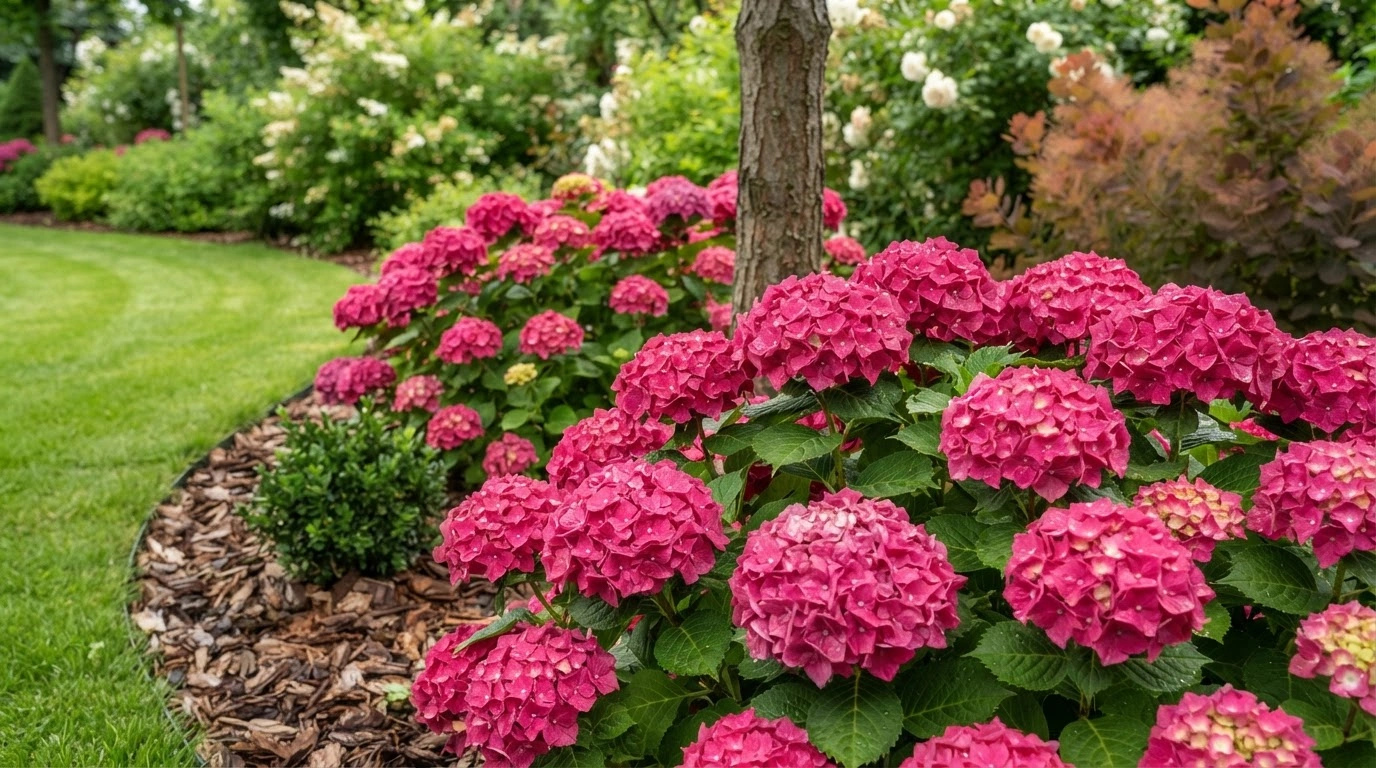
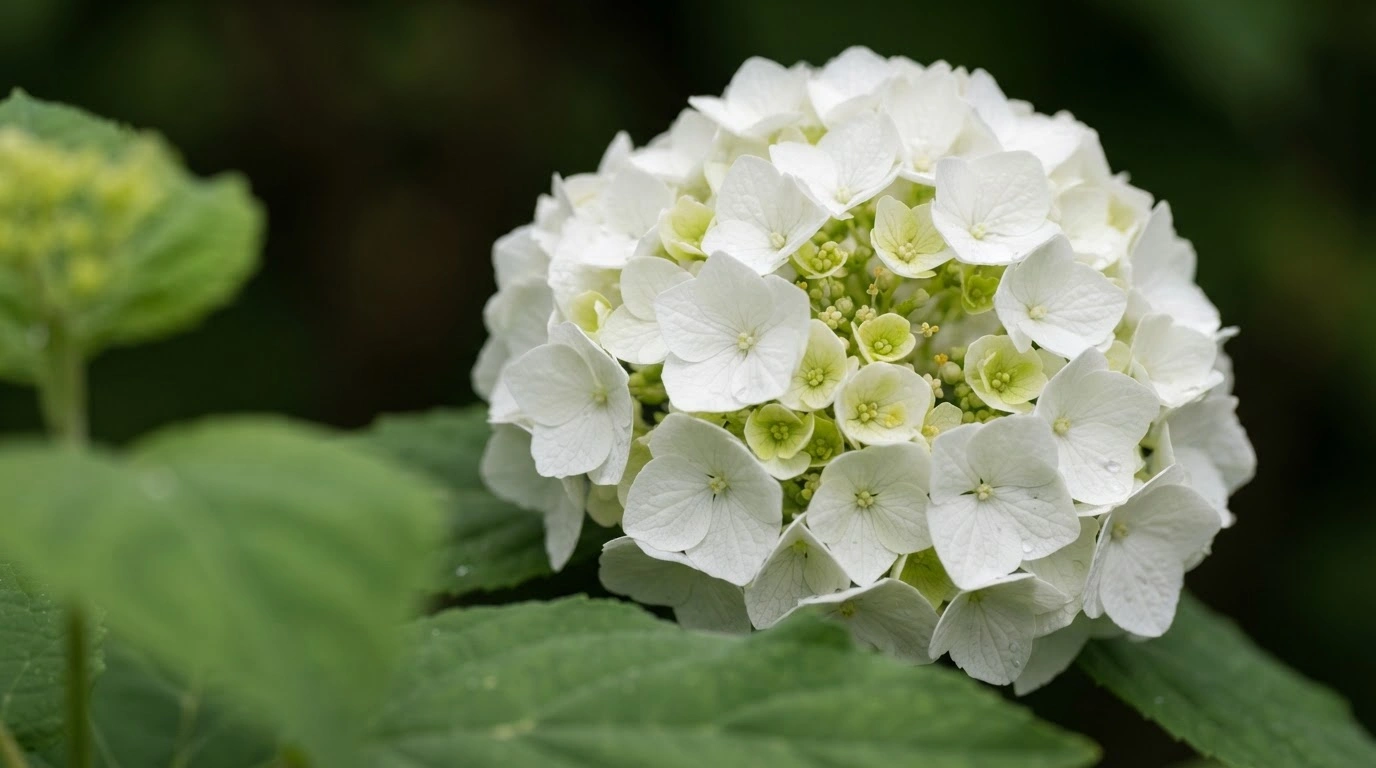
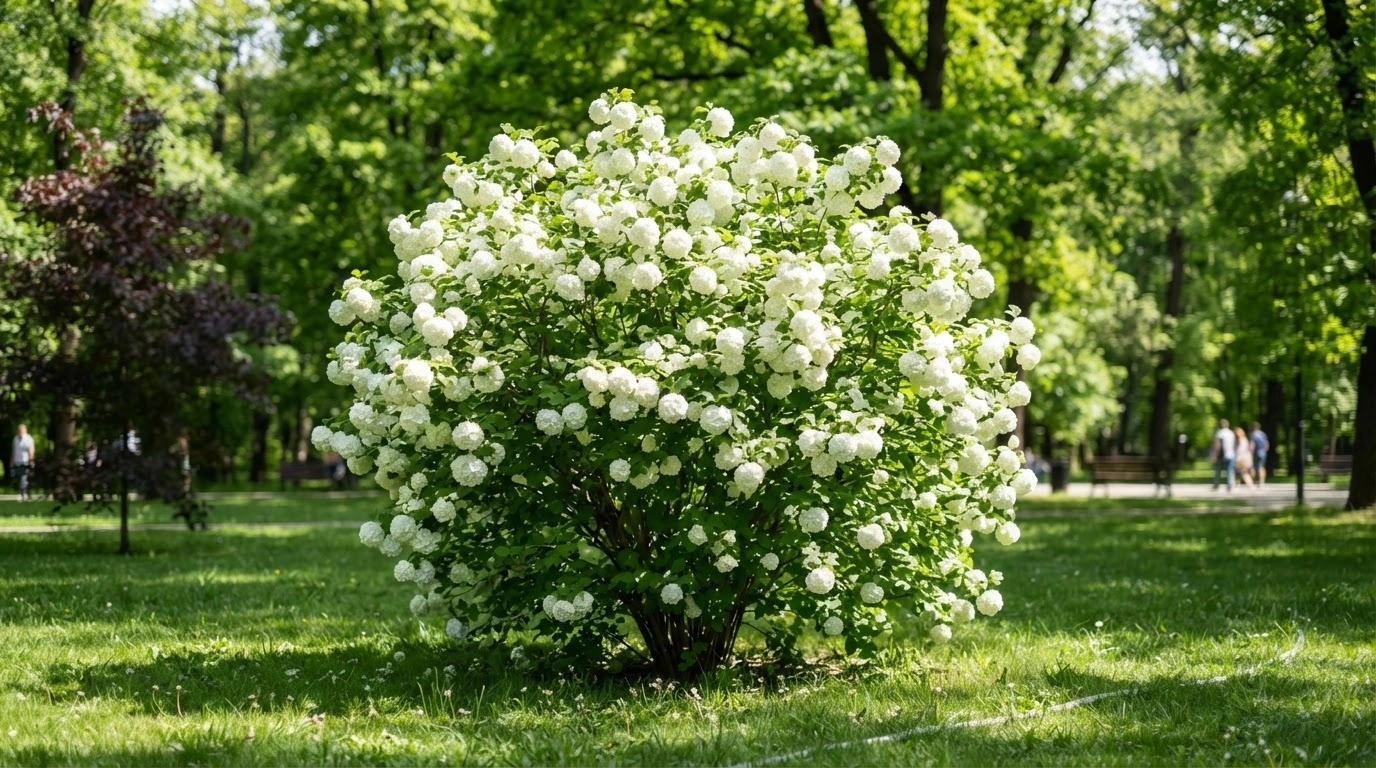
Are you looking for a suitable flowering deciduous shrub for your garden? Nothing can be as beautiful as the snowball-like clustered blooms of Viburnum Macrocephalum. The shrub grows to 8 to 12 feet tall, and each cluster forms a round shape. These pure white clusters bloom in late summer, while tiny fruits replace these flowers during the summer. Even in fall, the shrub looks beautiful with bronze or burgundy leaves. Moreover, these can form a fantastic option for mixed borders or mass planting to create an attractive landscape.
What Does Viburnum Macrocephalum Need to Grow?
As a deciduous plant, Viburnum Macrocephalum needs specific conditions to grow.
Proper Lighting
Viburnum Macrocephalum needs about 6 hours of full sun to grow healthily. Too much shade will lead to scanty blossoms and leggy stems.
Soil Condition
Viburnum Macrocephalum can grow in various soil types. However, well-drained, slightly acidic soil is most suitable for the shrub. Ensure that the soil does not get waterlogged.
Proper Watering
The watering schedule varies with the location's prevailing temperature. However, keep the soil moist for Viburnum macrocephalum to grow well, without overwatering, especially in dense soil. Once the shrub matures, it can also tolerate drought to a certain extent.
Temperature and Humidity
Viburnum Macrocephalum grows comfortably in moderate climatic zones 6 to 9. While the shrub can tolerate winter temperatures of minus 5 degrees Fahrenheit, it cannot survive extreme heat. In the case of hot climatic conditions, you must keep it protected from the intense sunrays and provide enough watering. Even though the shrub can tolerate both dry and humid conditions, it can face fungal infestation due to excessive humidity.
Fertilizer
Use fertilizers suitable for woody shrubs when planting Viburnum Macrocephalum. Let the plant start flowering, and then you can use an all-purpose balanced fertilizer annually.
How to Plant Viburnum Macrocephalum Directly on the Ground?
You can plant and grow Viburnum Macrocephalum directly on the ground and in a container. Here's how to plant the shrub directly on the ground.
Step 1
When you start digging a hole for planting the shrub, make sure you do not dig too deep; the hole should be at least 3 times as wide as the root ball.
Step 2
As moist and well-drained soil is perfect to grow plant Viburnum Macrocephalum, you may have to amend the soil if it’s not suitable. In case of dense clay, you can mix bagged topsoil with the soil that you removed from the hole. For sandy soil, mix topsoil, native soil, and compost.
Step 3
Gently remove the plant with its root ball from the nursery container. The best way is to cut the container gently using a knife so that you can remove the plant without disturbing the root ball. Now, loosen some of the feeder roots from around the root ball.
Step 4
To plant the shrub, place it in the hole you created, keeping the root ball slightly above the ground level.
Step 5
Now, hold the plant upright with one hand and use your second hand to fill in the soil in the hole. Press down the soil firmly around the root ball to remove any possible air pockets. As you fill the hole halfway, add a little bit of moisture to the soil and then fill the soil again in the same way. Make sure that you do not put soil above the root ball to avoid suffocating the plant.
Step 6
This is an optional step if you are planting the shrub in an area with dry soil. Create a mound around the plant with the remaining soil mixture after planting the shrub. This will create a basin-like structure that will hold water for some time when it rains or when you water the plant, to keep the soil moist.
Step 7
Water the plant well, almost covering the height of the root ball. You can also water with a root stimulator solution to protect your plant from shock.
Step 8
Apply a 2-inch layer of chipped wood mulch, which has been piled up for about 6 months to 1 year. You must apply this mulch on the soil around the plant. You must know that adding the mulch directly on the foundation or root ball of the plant will cause rotting.
How to Grow Viburnum Macrocephalum in a Container?
Growing a Viburnum Macrocephalum in a container is simple if you follow the right steps. Before you start the process, the first thing to do is get a container with a small hole at the base for drainage.
Step 1
Apply a lining of landscape fabric or shade cloth inside the pot before you start filling it with soil.
Step 2
Remove the Viburnum Macrocephalum shrub gently from the nursery container using the same method that you followed while planting the shrub directly in the soil.
Step 3
Follow Step 2 from the process of planting directly in the soil to adjust the quality of the soil. Now add a small amount of this soil to the container and place your plant. Add and adjust more soil around the plant in such a way that the root ball is above the soil and 1 inch below the container rim.
Step 4
Press down the soil to create air pockets and add moisture while you pour in more soil.
Step 5
Next, provide ample water until you notice water draining from the container hole at the base. If you notice that the soil has settled a bit in the process, you can add some more soil mix to it.
Step 6
You can add (it's optional) about ½ inch layer of sphagnum moss or wood chips for the soil to retain enough moisture.
How to Care for Viburnum Macrocephalum?
Viburnum Macrocephalum requires some specific care to grow and bloom. Here are some of the most common care tips to follow:
Balanced Fertilizer
You can try a slow-release feed or a natural organic plant food for shrubs grown in the ground. If you have a plant indoors, you can also use a water-soluble liquid plant food. Simply spread the fertilizer on the soil surface, and it will reach the feeder roots of the shrub.
Maintain the Right Watering Schedule
Moist and well-drained soil is the basic requirement to grow Viburnum Macrocephalum, but avoid overwatering to prevent root rot. You must water the plant early in the morning instead of in the evening to avoid fungal diseases. You must soak the soil well with moisture while planting the shrub. You can also use a root stimulator while watering during planting to prevent shock in the shrub.
Once the plant grows, avoid overwatering. In fact, you don’t have to water it every day if you receive sufficient rainfall. Even if you have to water the plant, just add water to keep the root ball moist. Let the soil dry out completely before your next watering session. Be extra careful during the winter when evaporation is much slower.
When the plant has matured enough, it can tolerate drought to some extent. However, if you notice signs like wilting new leaves and bending stems, it’s an indication to water the plant.
Prune Viburnum Macrocephalum?
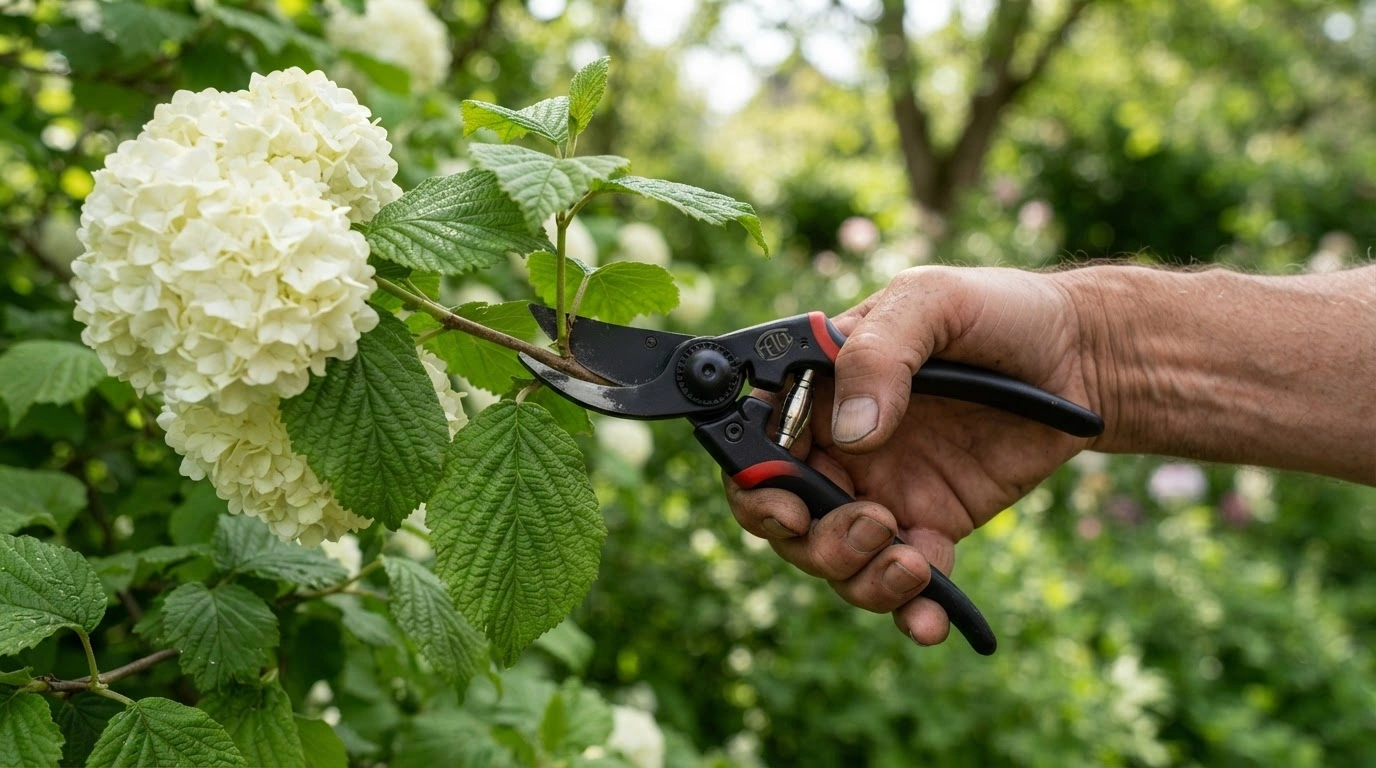
You can prune Viburnum Macrocephalum to get rid of damaged parts or just to reshape the shrub. You can remove the damaged parts anytime in the year. However, when it comes to proper pruning to reshape the shrub, late winter to early spring seems to be the best time. However, you must stop pruning 2 months before the first frost in your location. You can use hand loppers or bypass hand pruners to prune the Viburnum Macrocephalum shrub.
How to Propagate Viburnum Macrocephalum?
Propagating Viburnum Macrocephalum is essential because the shrub does not produce seeds. When you notice new leaves in spring, it is the perfect time to propagate.
- Cut a 4- to 6-inch part from the green stems using a sharp pruner.
- Leave one set of leaves at the top of the cut-out stem and remove the rest.
- Dip the bottom of the cut-out stems in Root Hormone, and then simply plant these stems in a pot filled with a moist soil mix.
- Make sure to cover the pots with a plastic bag to ensure that it does not lose moisture.
- Place each of the covered pots in indirect sunlight. Water the soil if it doesn’t feel moist frequently.
- After 2 to 4 weeks, remove the plastic bags, and you can see that the cut-out stems have rooted in the soil.
- Water the plant regularly, and you can transfer the plant to any big pot if needed.
- If you desire to plant the shrub outdoors in full sun, you can do so during the fall season.
What Are the Common Pests and Plant Diseases in Viburnum Macrocephalum?
Viburnum Macrocephalum is deer-resistant, but it can get infected with different pests.
Soft Green Aphids and Tiny Spider Mites
These are some common pests that can attack Viburnum Macrocephalum. Use a garden hose to spray water to remove these insects. You can also cut off the grass underneath or near the shrub to keep them away from such pests. In case of aggressive infestation, you can use insecticidal soap.
Viburnum Leaf Beetles
Although rare, this pest can also attack Viburnum Macrocephalum. This can damage the leaves or even a stem. The best way is to prune the entire area infested by the beetle.
Often, Viburnum Macrocephalum can get fungal diseases due to shock or when overwatered. Powdery mildew and downy mildew are the two common diseases that can affect the shrub. Spraying a sulfur-free fungicide is one of the best ways to get rid of such fungal diseases while keeping the shrub healthy.
What Are the Common Problems With Viburnum Macrocephalum?
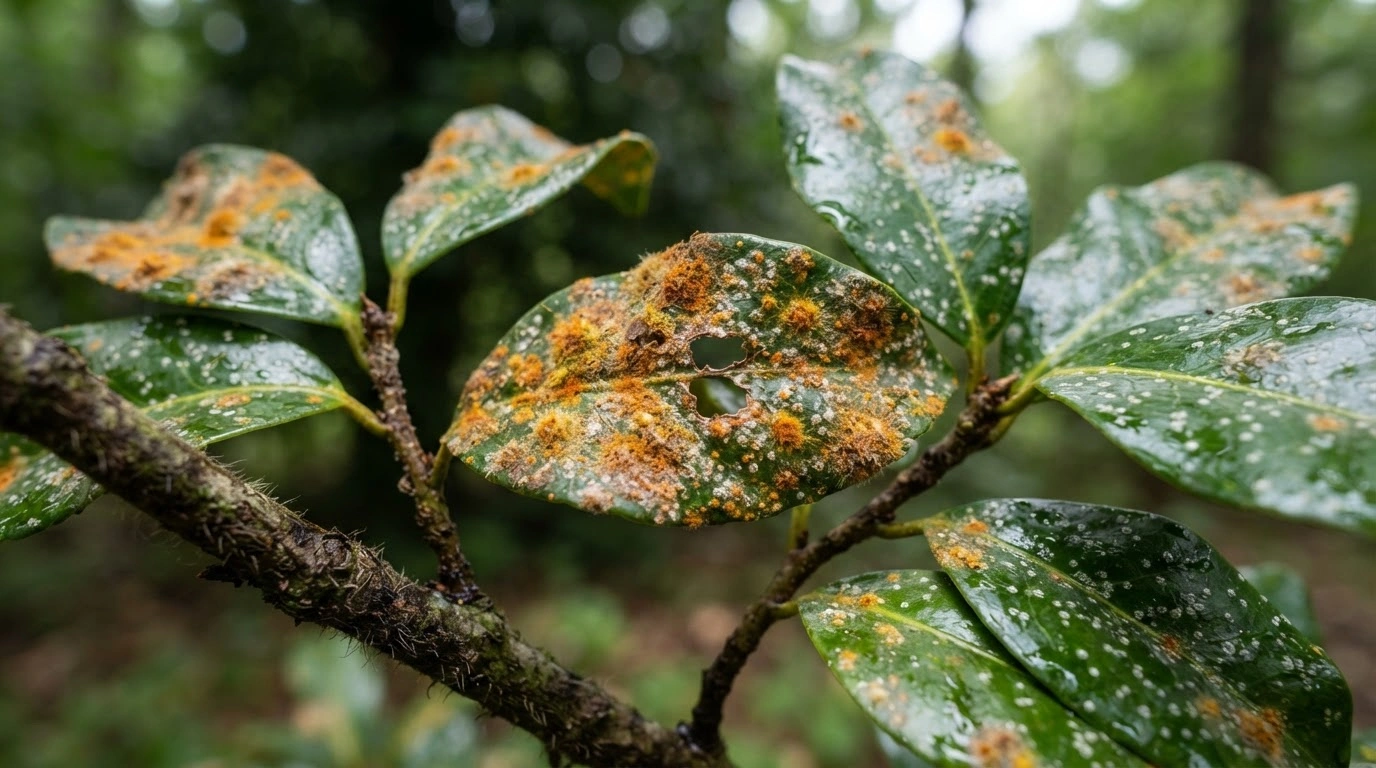
Viburnum Macrocephalum is a hardy shrub, but only if you take care of it when it is growing. While there are no significant issues with this plant, here are some common problems to take care of.
Large Shrubs With Leggy Stems
Viburnum Macrocephalum can grow into a large bushy shrub, which makes pruning necessary. When nearby plants block the light, the stems become leggy. Pruning the nearby plants allows proper sunlight for the shrub to thrive.
Dead Branches
While Viburnum Macrocephalum can tolerate drought, you still need to take care of its moisture level. It is suggested to water at least 1 inch per week, combining both rain and manual irrigation.
Powdery Mildew
Although it is harmless, powdery mildew may deteriorate the appearance of the plant. One of the major reasons for this is excessive overhead watering. It is best to keep the soil moist and water only when the topsoil is completely dry.
Yellowing of Leaves
Leaves turning yellow is a sign of poor irrigation and lack of sunlight. You must always ensure that the soil is well-drained. Adding a layer of mulch on the soil of the plant can also help in retaining moisture.
Conclusion
The white snowball appearance of the Viburnum Macrocephalum shrub is perfect for gardening as well as for indoors. Although this deciduous shrub is considered hardy, it requires a certain amount of care, from planting to blooming. Whether you plant it directly in your garden or wish to grow it in a container, you can enjoy a pleasing view of these white flowers during spring with a few care tips.