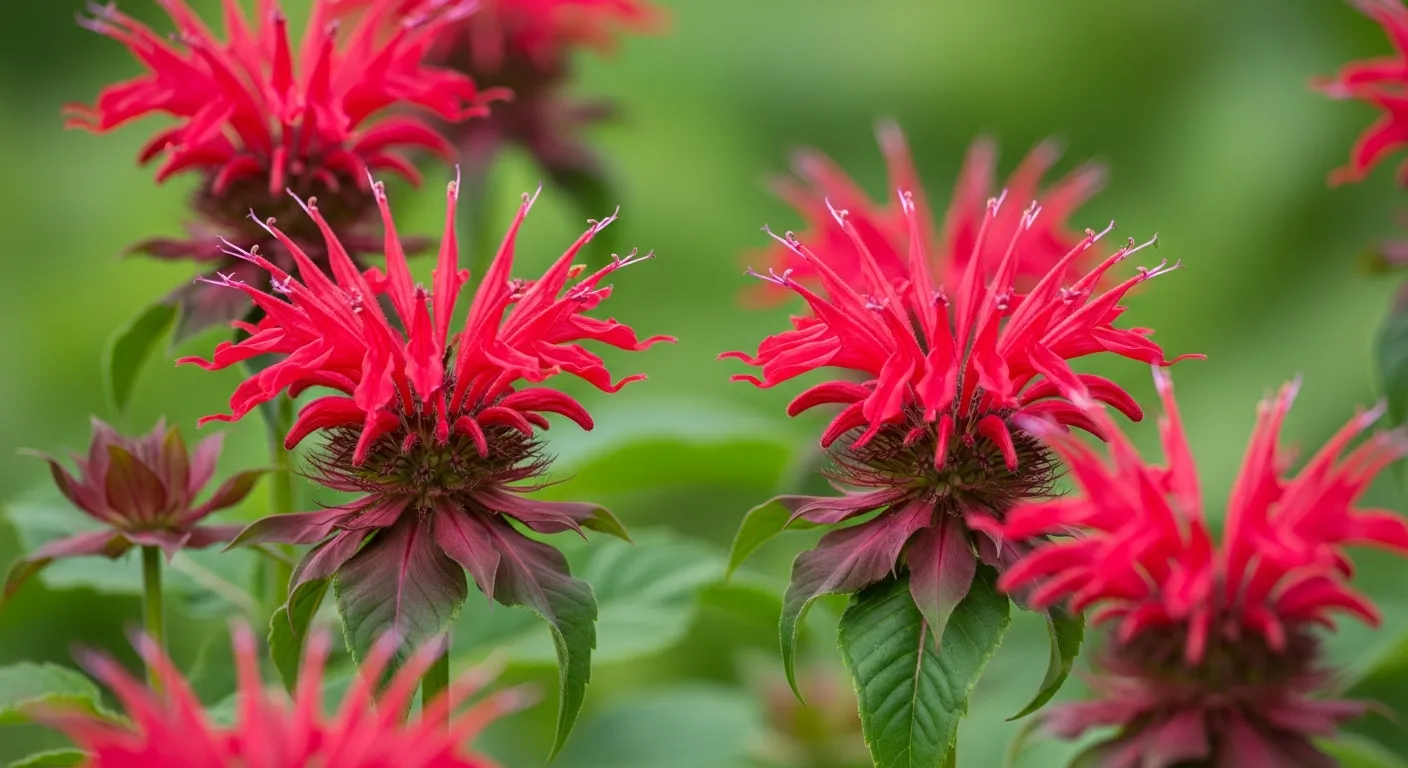
Bee balm (Monarda) is a perennial flowering plant that produces beautiful, bright blooms. Bee balms are easy to care for, which makes it a popular choice in most gardens. Suppose you're wondering, “When does bee balm bloom?” First, understand the factors that affect blooms and how to encourage the plant to bloom more. This guide covers everything you need to know about bee balm.
When Does Bee Balm Bloom?
Bee balm usually blooms in summer and offers beautiful flowers that butterflies and hummingbirds love for nectar. However, the variety of flowers depends on the region where they grow. Here is the detailed information.
Typical Bloom Period
Bee balm blooms in summer, beginning around June or July and continuing until early fall.
Regional Variations
Bee balms come in different varieties, and each one is native to a specific region. For instance, Scarlet bee balm is native to the Northeast, wild bergamot to the Northwest, and lemon bee balm to the Great Plains.
USDA Hardiness Zones
Bee balms are hardy in the USDA zones 3 through 9.
How Long Does Bee Balm Bloom?
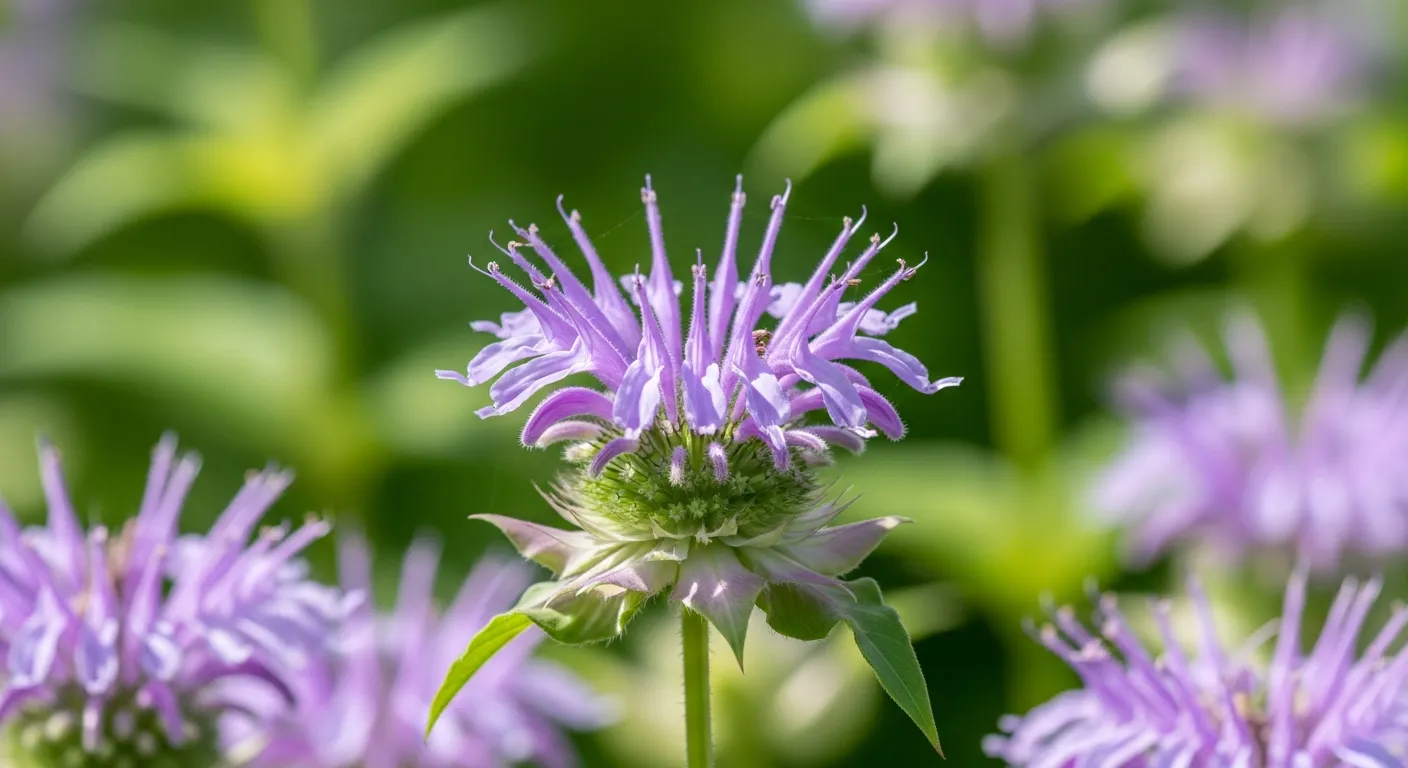
On average, bee balm blooms for 6-8 weeks during the summer. Blooming usually begins in June or July and lasts until early fall.
Factors Affecting Bloom Length
Some factors that can affect the bloom's length include:
-
Deadheading: Deadheading helps produce new blooms instead of seeds.
-
Exposure to Sunlight: Sun exposure can also affect the length of the bee balm bloom. Bee balm needs direct sunlight for at least 6 hours a day, so place it where it gets the right light. Too little sunlight can cause leggy growth.
-
Soil Moisture and Nutrients: Keep the soil consistently moist and nutrient-rich to support healthy blooms. The plant starts dropping buds if the soil dries out frequently because of improper or untimely watering.
Factors That Influence Bee Balm Blooming
Here are some important factors that influence bee balm blooming:
Sunlight Requirements
Bee balm thrives in full sun, so choose a sunny spot. However, bee balm should be kept in partial shade during extremely hot summer climates to avoid leaf fading.
Soil Conditions
Bee balm can grow in almost every type of soil. Just make sure that the soil is well-draining and does not allow water to stand for long.
Watering
Bee balm needs water every 7-10 days during dry periods. While watering them, make sure that the soil is moist to a depth of 6-8 inches. Add some mulch around the plant to retain the moisture of the soil and also to prevent the soil from drying out quickly.
Climate
Bee balm can thrive in climates in USDA zones 3 to 11, which include temperate regions with moderate summer temperatures.
Plant Age
Bee balm is a perennial flowering plant that forms clumps and spreads continuously. However, a single clump has a lifespan of 2-3 years.
How to Encourage More Blooms on Bee Balm?
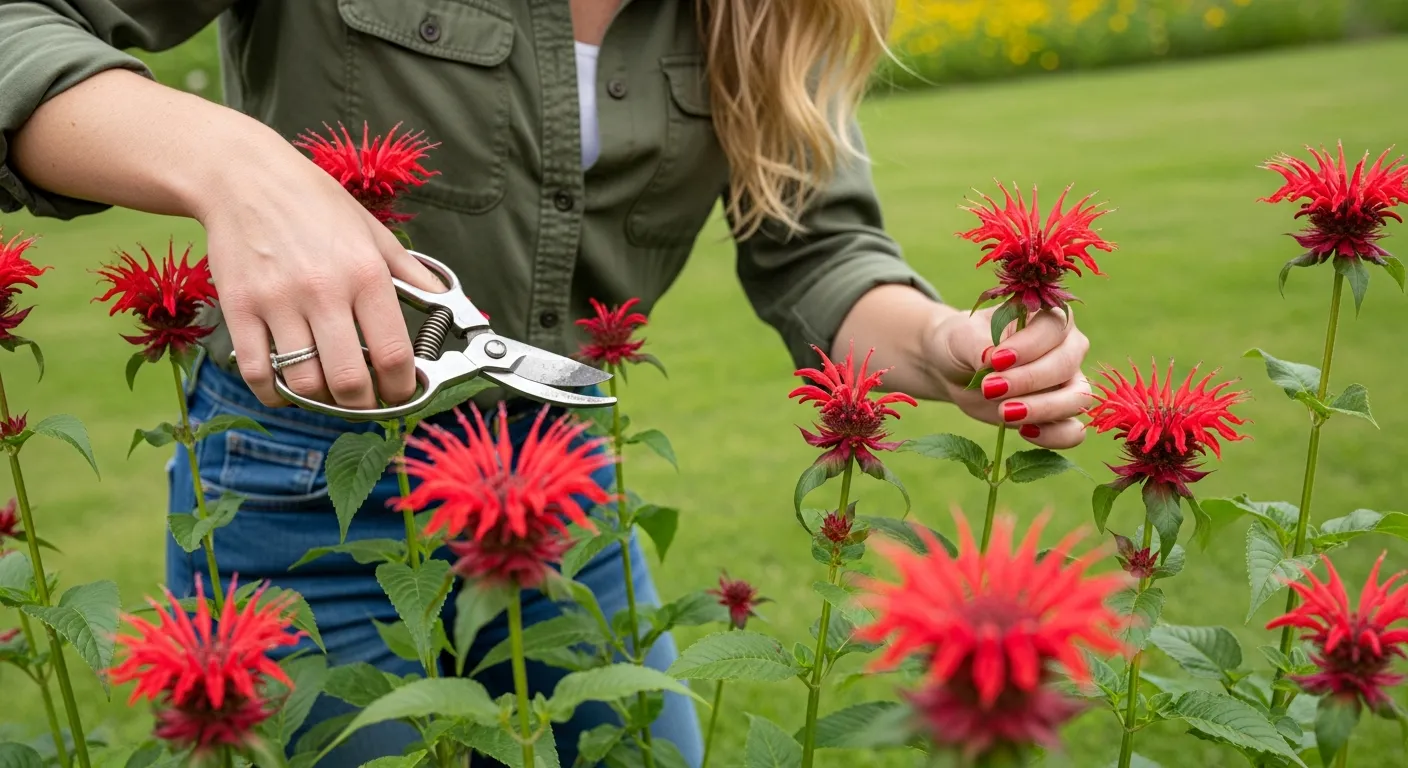
Here are some simple ways to encourage more blooms on bee balm:
Deadhead Bee Balms
Deadheading regularly is necessary during the bloom time, as it promotes continuous blooming during summer. Remove the faded flowers and cut the new buds to ¼ inch to encourage healthy new growth.
Proper Fertilization
Bee balm can thrive in average soil and rarely needs fertilization. However, you can apply a light scoop of organic compost once in early spring. Make sure that you do not over-fertilize the plant because excess amounts of nitrogen can weaken foliage growth and increase the risks of powdery mildew.
Dividing Overcrowded Plants
Bee balms spread fast through underground stems, and their clumps live for 2-3 years. Therefore, it's important to divide the bee balms every 2-3 years to control their spread and revitalize them. The best time to dig and divide bee balm is during the early spring.
Provide Adequate Sunlight
Bee balms thrive in full sun. If they don't receive enough sunlight, the growth may slow down and affect the blooms. Therefore, it's important to provide your plants with adequate sunlight for the best growth.
Why Isn't My Bee Balm Blooming?
If your bee balm isn't giving a good amount of blooms, these might be the underlying causes:
Too Much Shade
Not getting enough blooms from bee balm could be because of a lack of sunlight. Bee balm thrives in full sun and needs at least six to eight hours of direct sunlight to grow well. It may also show leggy growth if kept under too much shade.
Over Fertilization
Bee balm rarely needs fertilizers and can grow well even in poor soil. Over-fertilization can cause leafy growth and fewer blooms.
Overcrowding
Overcrowding is another reason why your bee balms stop blooming. To tackle this problem, dig up and divide your plant for rejuvenation.
What Happens After Bee Balm Finishes Blooming?
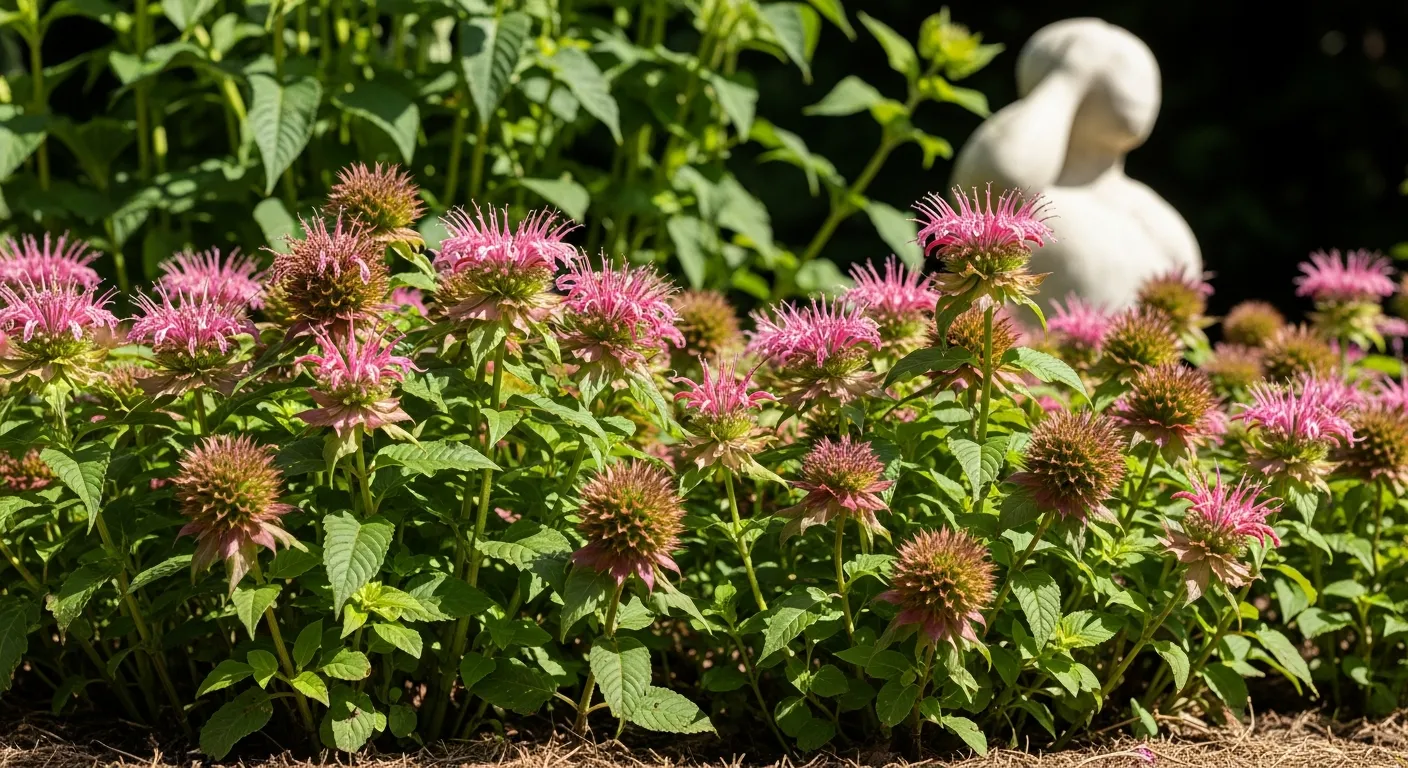
Bee balm starts blooming in July and continues all through late summer if it is regularly deadheaded. After bee balm finishes flowering, it stops producing new blooms and begins forming seeds.
If you want new blooms, deadhead the bee balm. When you remove the faded flowers, the plant uses all nutrients, energy, and strength in generating new blooms instead of making seeds. Regular deadheading helps in producing more flowers. When a flower starts getting faded or wilt, cut the stem above the next flower bud. Continue this process all through the blooming season until the stem stops flowering. Once the stem has stopped producing blooms, trim it back to the ground. This helps the plant to produce a new flowering stem.
Conclusion
Bee Balm is a beautiful perennial plant that enhances the look of your garden. Providing your bee balm with the right conditions, such as proper sunlight, frequent watering, and deadheading, will give you bright, attractive blooms throughout its blooming period.