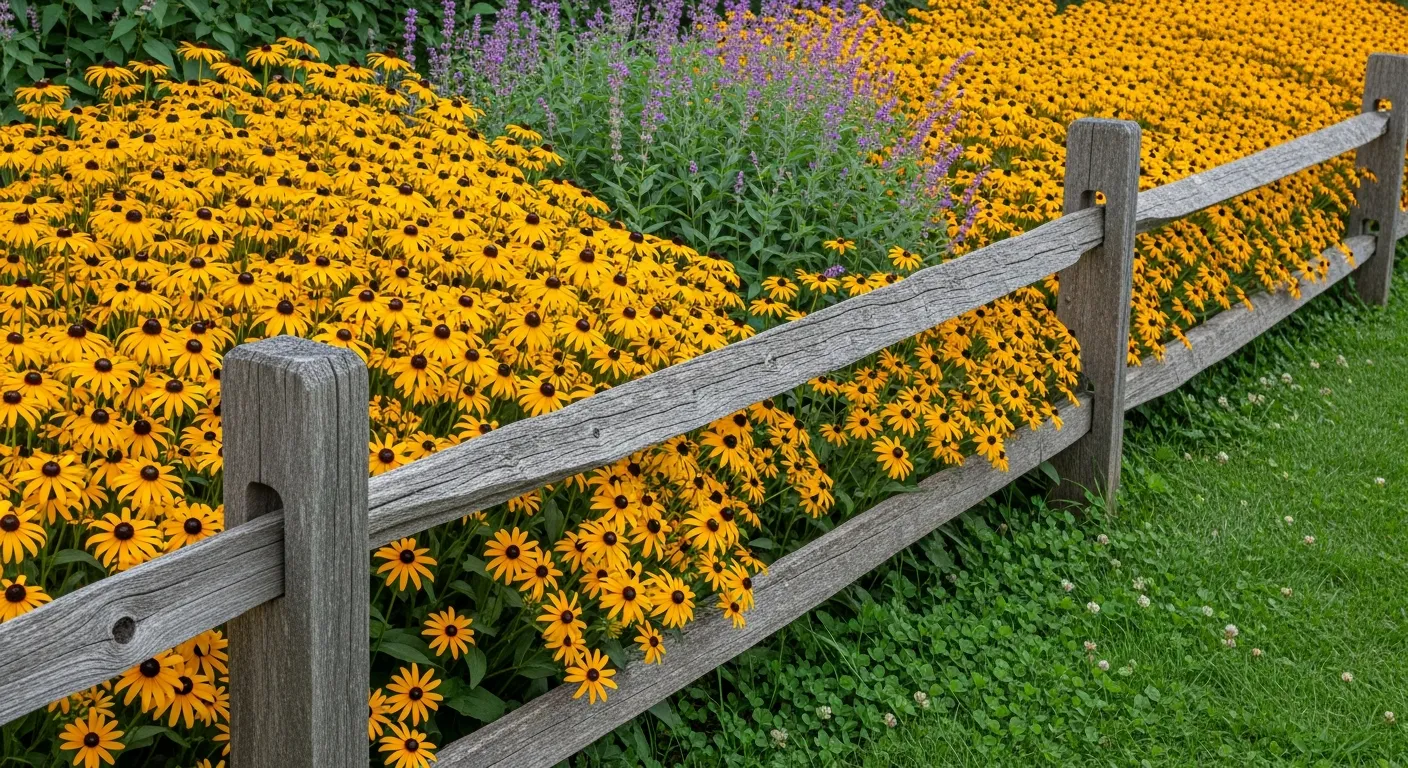
Black-eyed Susans are cheerful overachievers of the garden, which love full sun, tolerate heat well, and bloom for months without much attention. The bright yellow flowers attract pollinators, such as bees and butterflies, which keep the garden busy and blooming. They are also a great choice to grow alongside other butterfly-friendly flowers for a lively, pollinator-friendly garden.
They are self-seeding and grow as perennials when well cared for. Their flowers continue from summer through fall.
However, these sunny blooms look even better when paired with the right companion plants. A good companion plant is one that helps the other plant grow and thrive. Explore colorful, pollinator-friendly favorites to make your garden look lively, including black-eyed susans.
How to Grow and Care for Black Eyed Susans?
Black-eyed susans are low-maintenance, tolerate poor soil, and thrive in full sun to light shade. Growing is easy, too, as all you need to do is plant in clumps (in late spring) and water weekly.
In addition, remove the faded, dried flowers. This encourages more flowers to grow, while keeping the plant neat and tidy. Deadheading also prevents the plant from wasting energy on seed production. They tend to spread quickly and aggressively, and in some regions, it is generally grown as ornamental flowers.
How to Grow Black-Eyed Susan?
Black-eyes susan can be grown from seedlings, and one of the most important factors to consider is timing. It is often advised to plant it in spring after the last frost, or in autumn (6 weeks before the first frost).
Planting in the fall is also considered a good idea because it can stay in the ground through the winter. This is known as overwinter. By the next summer, the plant is already established and healthy. Hence, it will produce flowers more consistently and abundantly.
Though they can be grown as annuals, it is best to grow them as biennials indoors about 6 weeks before the last frost. This helps with additional growth and allows the plant to mature enough to bloom in the first year. Here’s a step-by-step instruction on how to grow black-eyed susan -
- You can either plant a seed or a seedling for smaller varieties about 8 inches apart.
- If you have larger varieties, keep them about 18 inches apart to accommodate their expanding roots.
- Choose a place that receives a good amount of direct sunlight.
- The hole at the planting site should be wider and deeper than the plant's root ball. The soil should be well-draining and fertile, and water the plant consistently, making sure the soil around the plant is evenly moist.
| Pro Tips | Do not water from the top. Rather, water near the roots to avoid wet foliage. |
How to Care for Black-Eyed Susan?
Caring for black-eyed susan is not at all arduous, but you have to keep certain important facts in mind -
- As the root system is extensive, make sure to provide adequate spacing between the plants.
- For smaller plants, a gallon-sized pot will do, as it allows control over soil, water, and sunlight. You can move it around depending on the sunlight's requirements.
- Fertilization is usually not required, but it helps keep the soil moist by watering almost daily.
- Never let the water pool, and do not keep the soil soggy, as it may lead to root rot.
- You can plant larger varieties in a pot, but it should be larger than the plant itself to accommodate its growth.
- Because the plant in the pot tends to get colder than the surrounding soil, it is advised to keep it indoors to prevent it from freezing.
What Makes a Good Companion Plant for Black-Eyed Susans?
Good companion plants for black-eyed susans should be sun-loving, drought-tolerant, and must share similar soil needs. Like choosing sunflower companions, selecting the right plants for black-eyed Susans requires considering sunlight, water needs, soil conditions, and growth habits. From an aesthetic perspective, consider plants that complement the bright yellow flowers. Now, coming to the functional aspect, a good companion plant should also -
- Attract pollinators like bees and butterflies.
- Help fill empty spaces without overcrowding or overpowering the other plants.
- Bloom at different times for longer seasonal color.
- Can tolerate heat and dry conditions just like black-eyed susans.
Best Companion Plants for Black Eyed Susans
Black-eyed susans pairs best with other plants that love the sun and are pollinator-friendly. There are several options, but here are some of the best choices that gardeners suggest -
Coneflowers
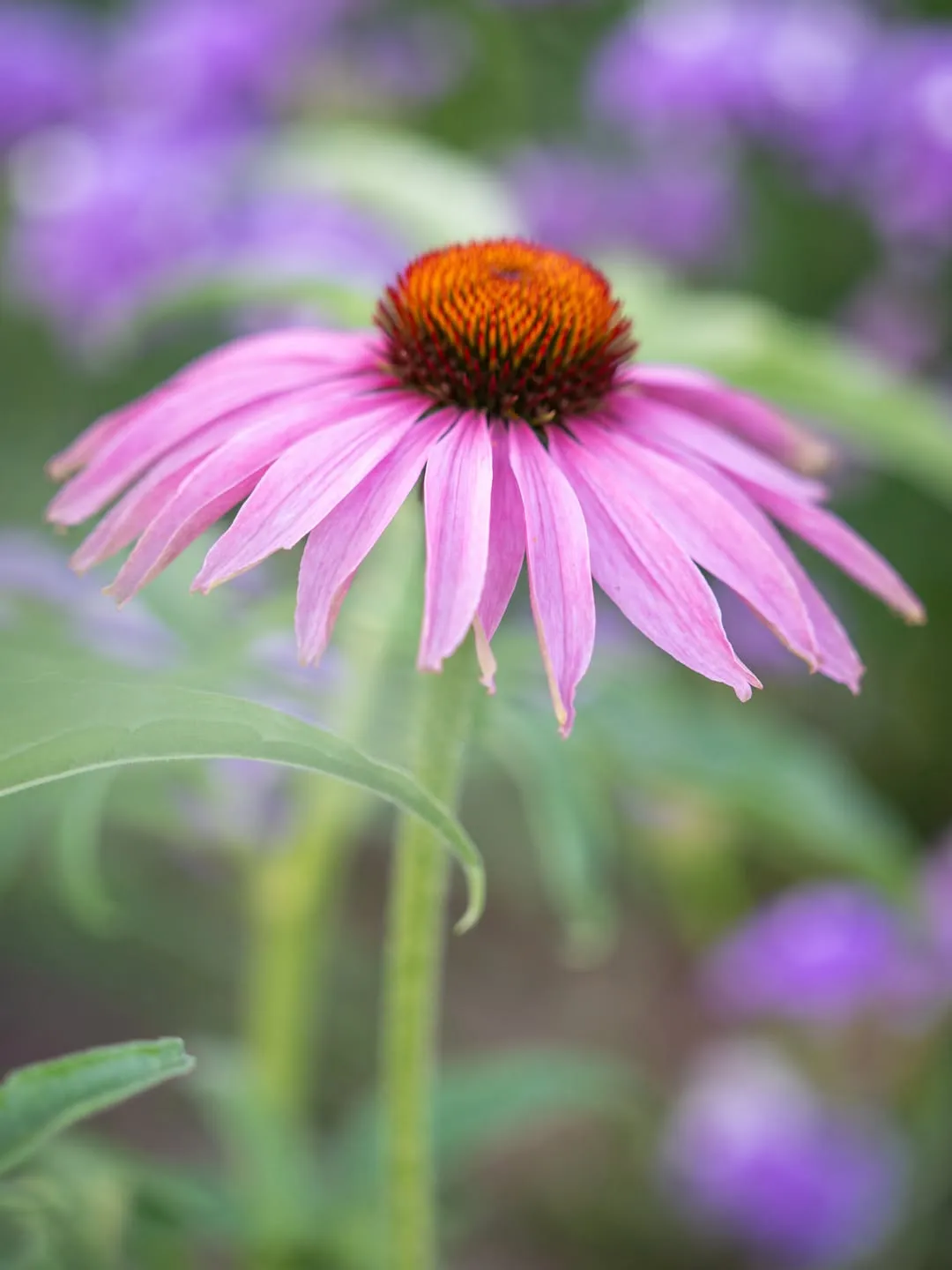
Coneflowers are found in several colors, such as purple, pink, white, red, orange, magenta, etc. They can either be mixed or planted separately to create a colorful impact. Depending on the height and spreading ability of the cultivars, you can grow these cultivars either mixed in or plant them in the front or in the back of black-eyed susans.
Blanket Flowers
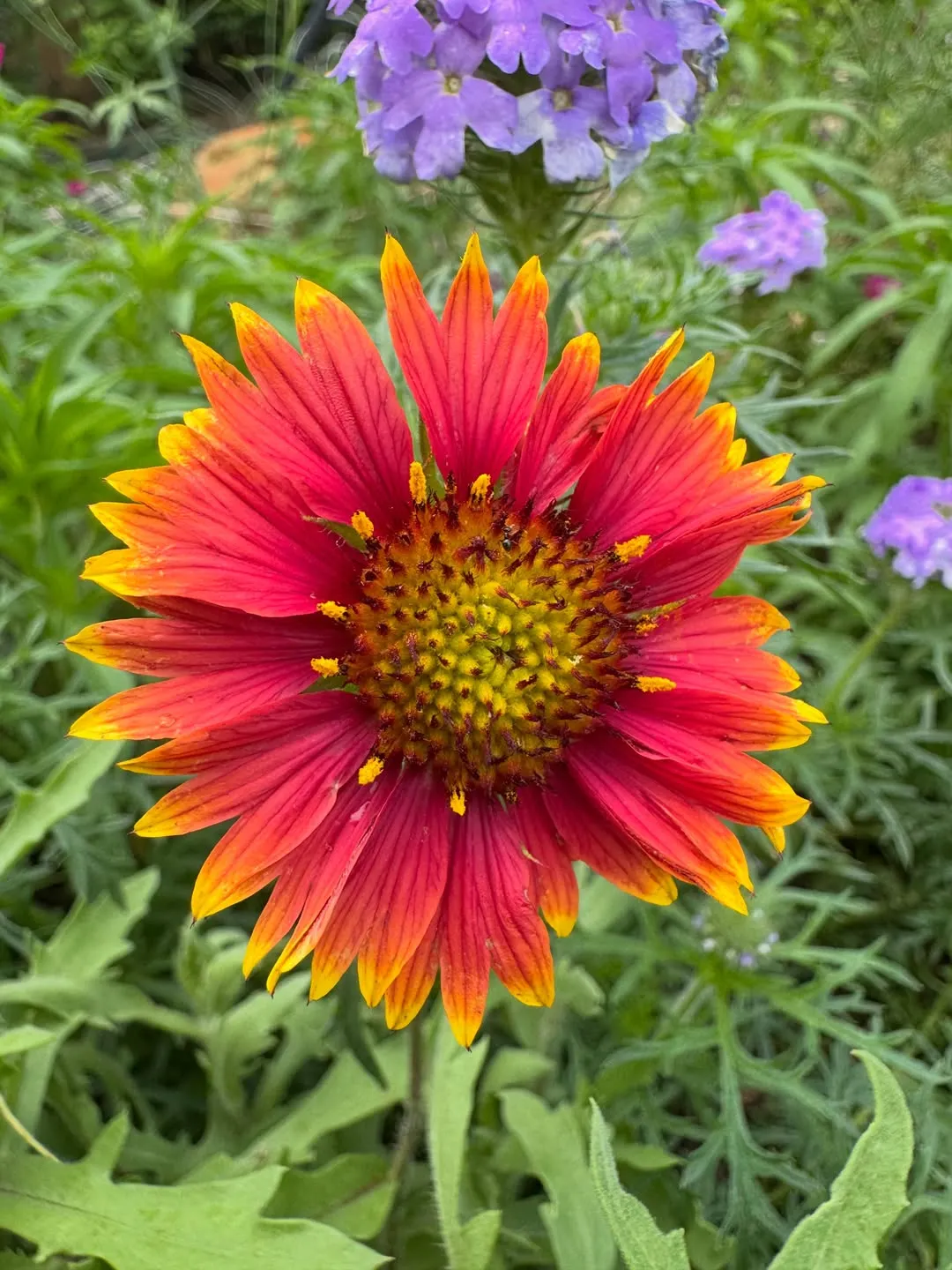
Blanket flowers complement the black-eyed susans the best, as they share similar daisy-like flowers. The fuller and brighter flowers of the blanket variety add extra depth to the garden. These are best planted in front of the black-eyed susans, because of their shorter height, which allows the susans to shine.
Common Yarrow
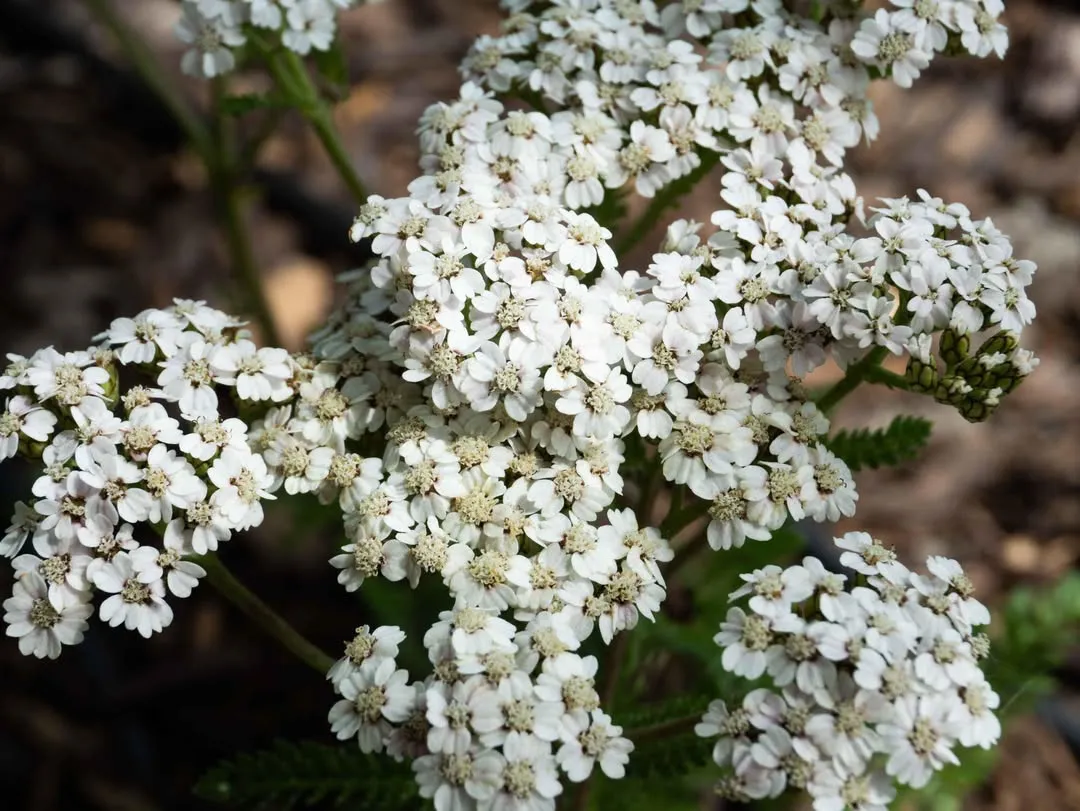
Common Yarrows have a distinct flower form than black-eyes susan. They come in soft tones of yellow, red, and pink that make the garden look dreamy. Plus, both common yarrow and black-eyed susans thrive in full sun and can handle drought.
Also, the clustered flowers complement the heavier, daisy-shaped petals of black-eyed susans. In addition, yarrows have deep roots that bring up important nutrients which other plants can use.
Salvia
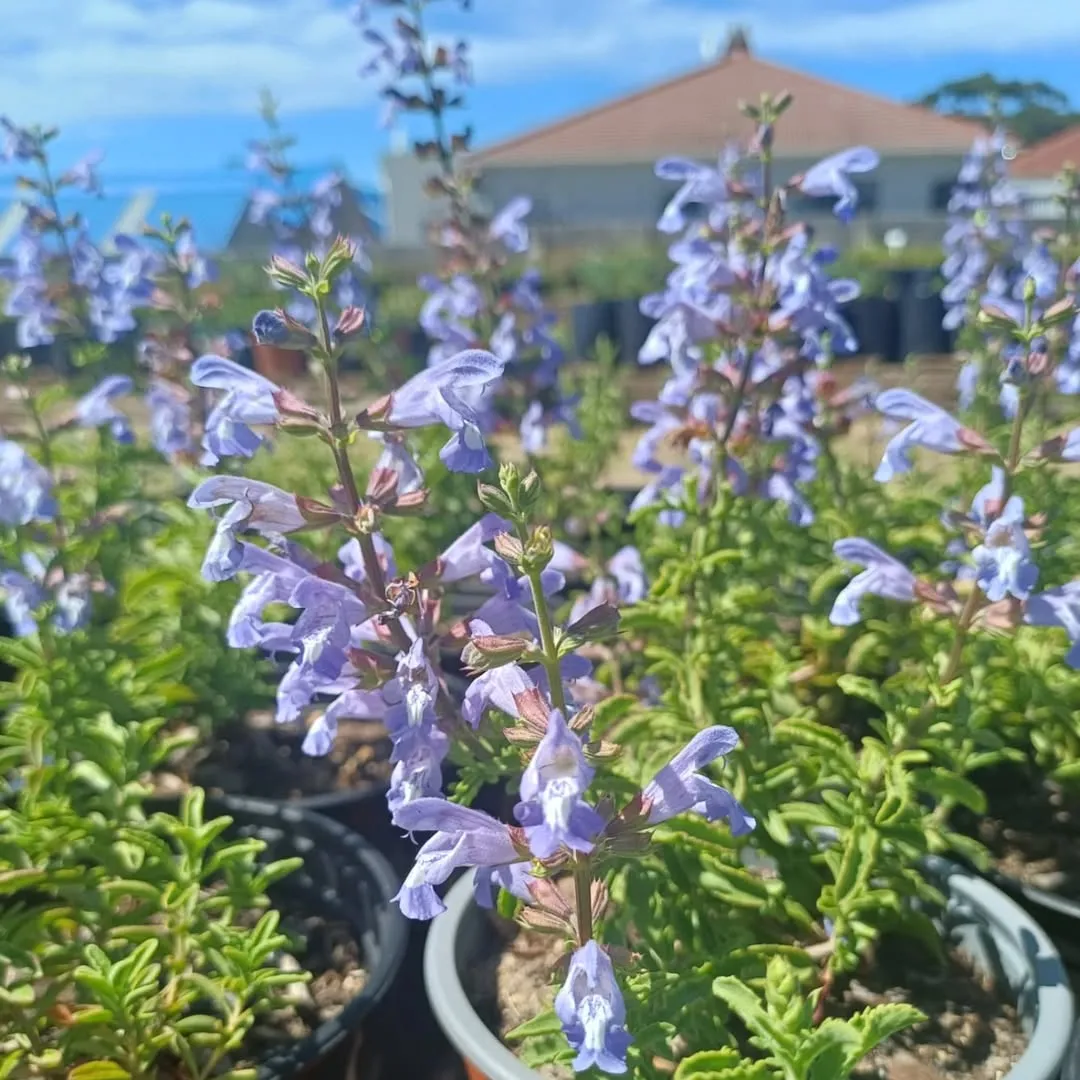
Salvia’s flower shapes are different from those of black-eyed susans. Hence, because of the varied shapes, it pairs well with Susans. Salvia grows tall spikes with small flowers, adding texture to the garden and making it look more interesting. The combination works well if you want a themed garden.
Salvia comes in purple, purple-blue, lavender, white, pink, and red. Whether planted around, beside, or in front of the sunflowers, it helps the yellow flowers of black-eyed susans pop more and stand out in the garden.
Lavender

Lavender has a dusty purple color, with a cool blue undertone that accentuates the bright yellow color of Susans. The tall spiky flowers create a soft elegance that contrasts well with the setting. This works best if you want a softer effect in the garden or in a specific area. Thus, making the setting more relaxed and gentle.
| Reminder | Do not plant lavender too close to the black-eyed susans, as lavender grows briskly. Give them enough space to grow to their full potential and prevent choking. |
Agastache Texas Hummingbird Mint
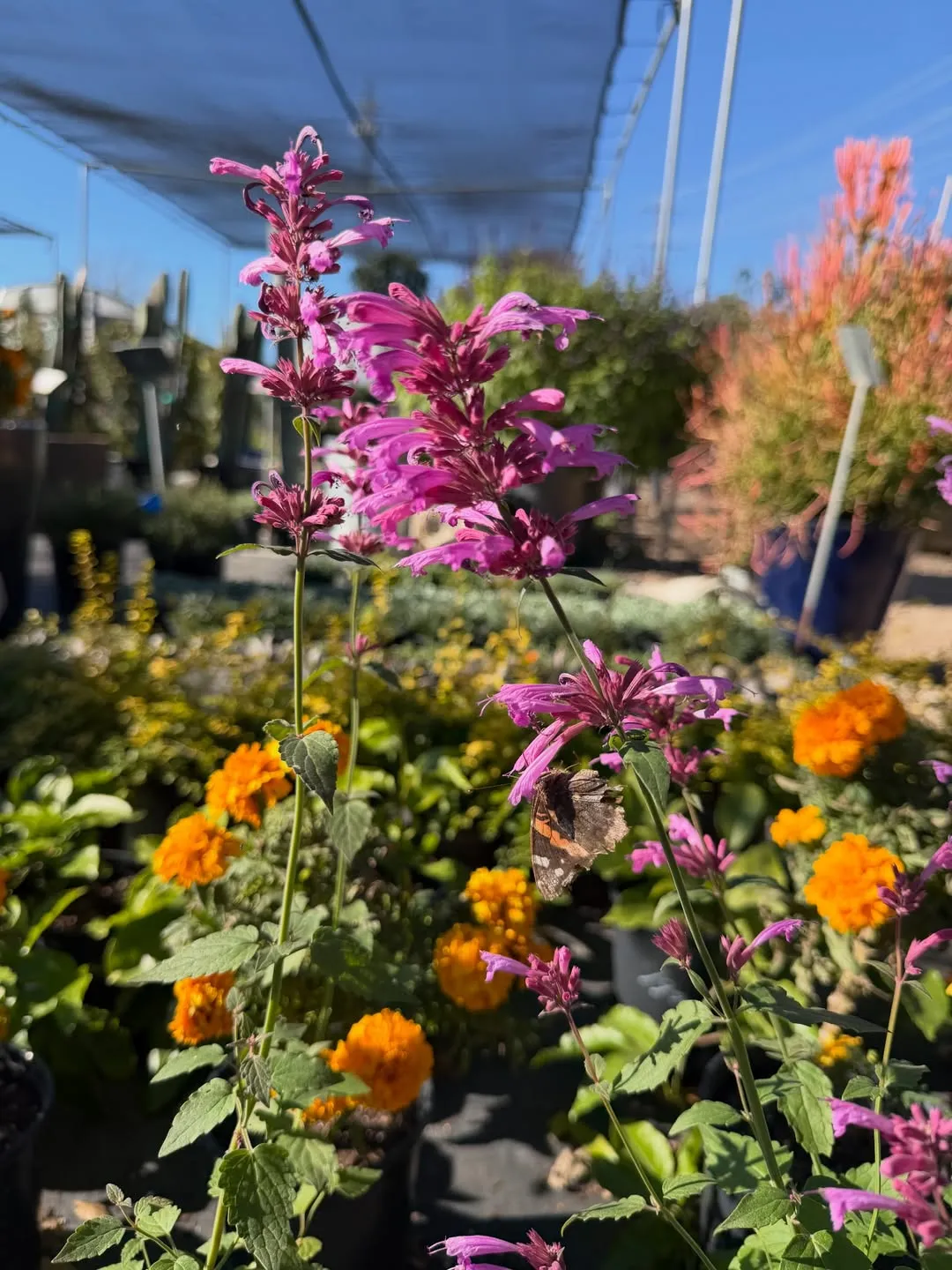
The blue color of Agastache Texas Hummingbird Mint contrasts well with the yellow color of the black-eyed susans. Also, it comes in bright pink, which also complements the Susans. It can be planted on the sides or the front of the black-eyed susans to make that part of the garden the focal point.
Autumn Joy Sedum
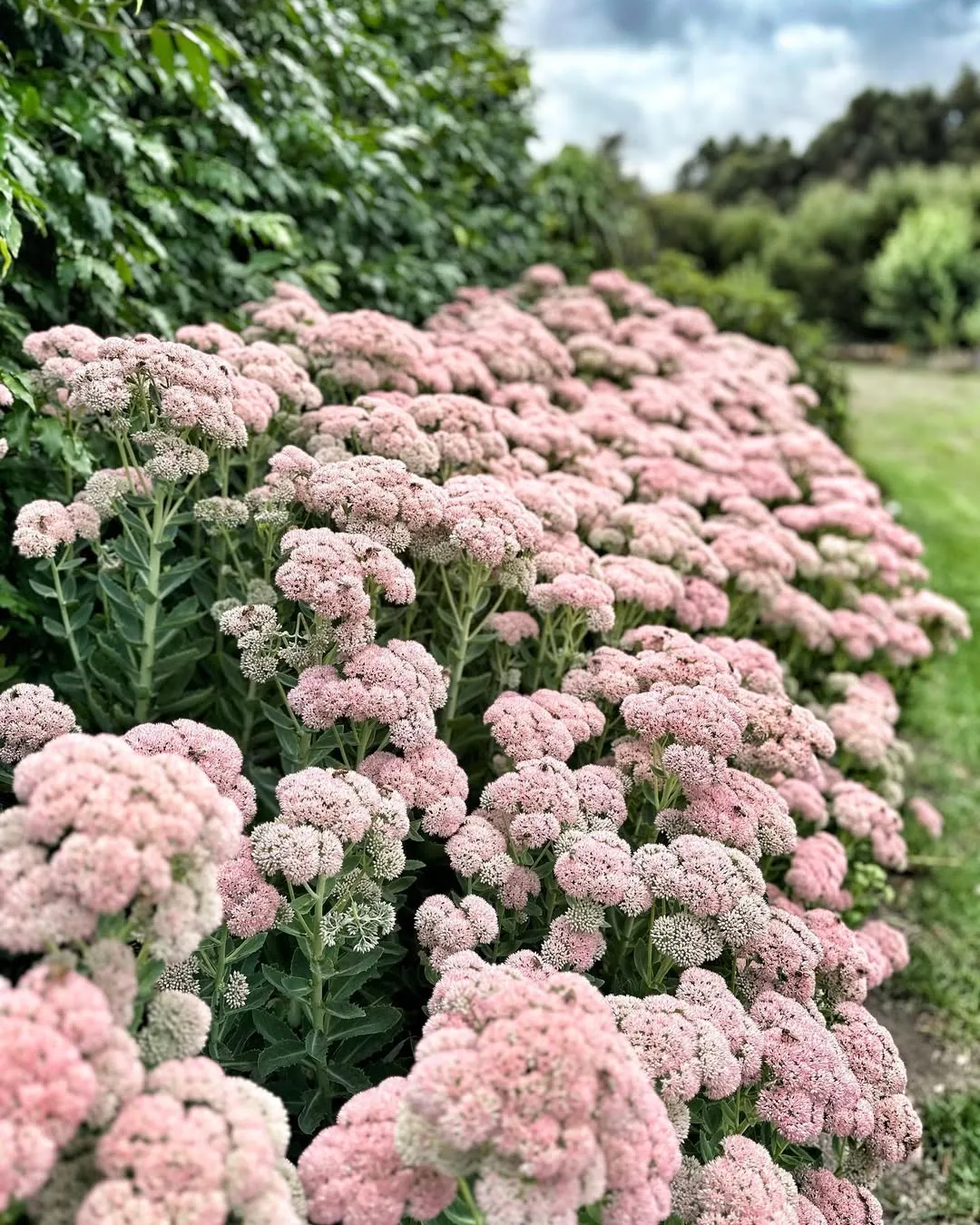
If you are looking for something versatile and beautiful, consider pairing black-eyed susans with Autumn Joy Sedum. The bright pink-colored flower looks unique because of its round, flat, clustered flowers. You can group the autumn joy around the susans or blend it in with the flowers to make the view more interesting.
Michaelmas Daisy
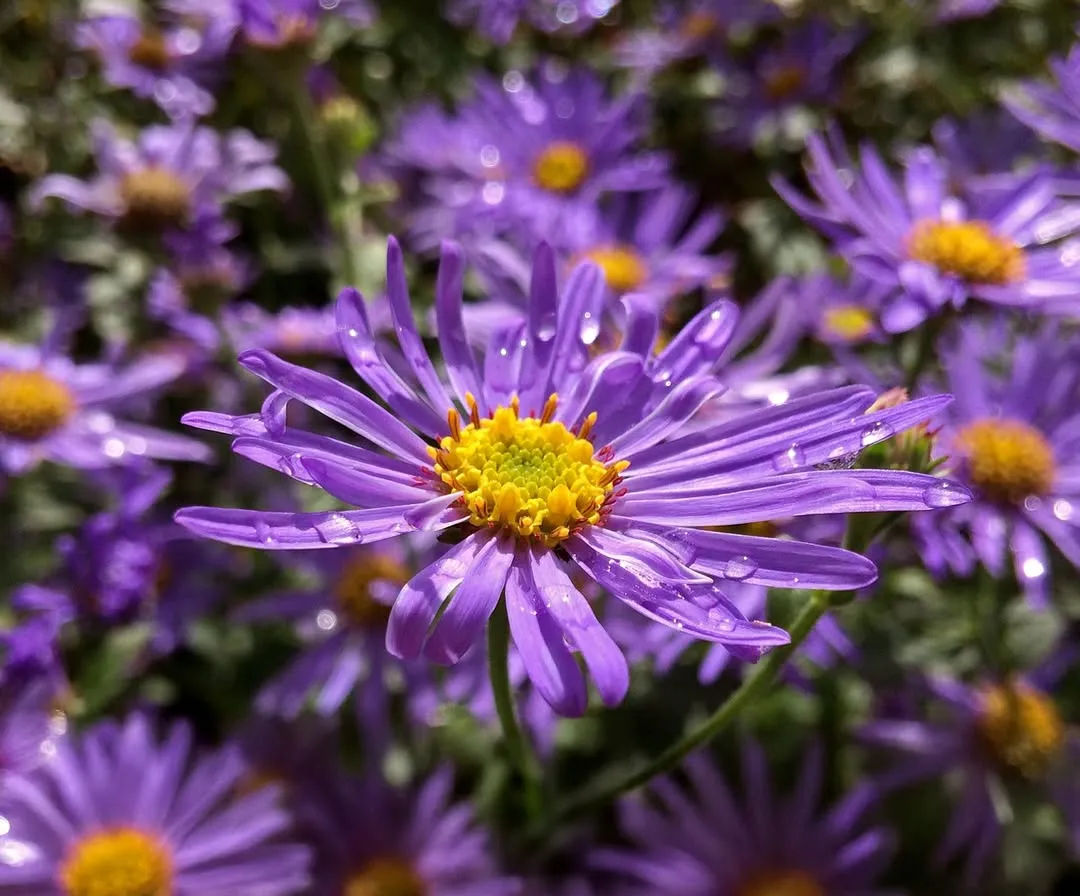
Michaelmas Daisies and black-eyed susans make a wonderful pair, because they bloom at slightly different times. This means black-eyed susans flowers earlier, while Michaelmas daisies start to bloom later in summer and continue throughout fall. This helps the garden to look beautiful and colorful for a longer period.
Gardeners usually advise planting them in groups. So, when the black-eyed susans start fading, the Michaelmas daisies start to bloom. This way, your garden will look colorful in fall, when all other gardens in your neighborhood start to look dull and faded.
What Not to Grow With Black Eyed Susans?
Plants that prefer shade or constantly moist conditions may struggle when grown nearby. It is also best to avoid overly aggressive plants and spreaders. Here are some plants that may not be compatible to grow with the black-eyed susans -
-
Mint: Mint may smell refreshing, but it can quickly overtake the nearby garden beds if you fail to check them. Also, it may require more watering than black-eyed susans. Hence, maintaining the moisture level of both can be difficult.
-
Hostas: Hosta growing conditions differ significantly from those for black-eyed susans. Black-eyed susans love full sun, but hostas prefer shade and need consistently moist soil. Thus, making them incompatible for Susans.
-
English Ivy: English Ivy is considered invasive in some parts of the US, and due to its rapid growth, it cannot be planted with Susans. It can completely overtake the neighboring plants.
-
Impatiens: Impatiens require partial shade, whereas black-eyed susans require full sun. So, planting them together may cause one of the plants to struggle.
-
Bee Balm: Both plants are prone to powdery mildew, especially in high humidity. Bee balm grows tall and bushy, which can limit air circulation around black-eyed susans. Avoiding common bee balm mistakes such as overcrowding and poor airflow, is particularly important when planting it near other flowers.
Conclusion
Black-eyed Susans are one of the easiest and most rewarding flowers to grow. The bright, beautiful yellow hue of the flower gives the garden a warm vibe. Plants that complement the appearance and characteristics of other plants are considered good companion plants. Companion plants, as you know, can help each other grow and thrive. You can choose any option from the list above to make your garden look vibrant and healthy. Adding yellow ground cover can also help fill bare spaces and create a fuller, more cohesive garden appearance.