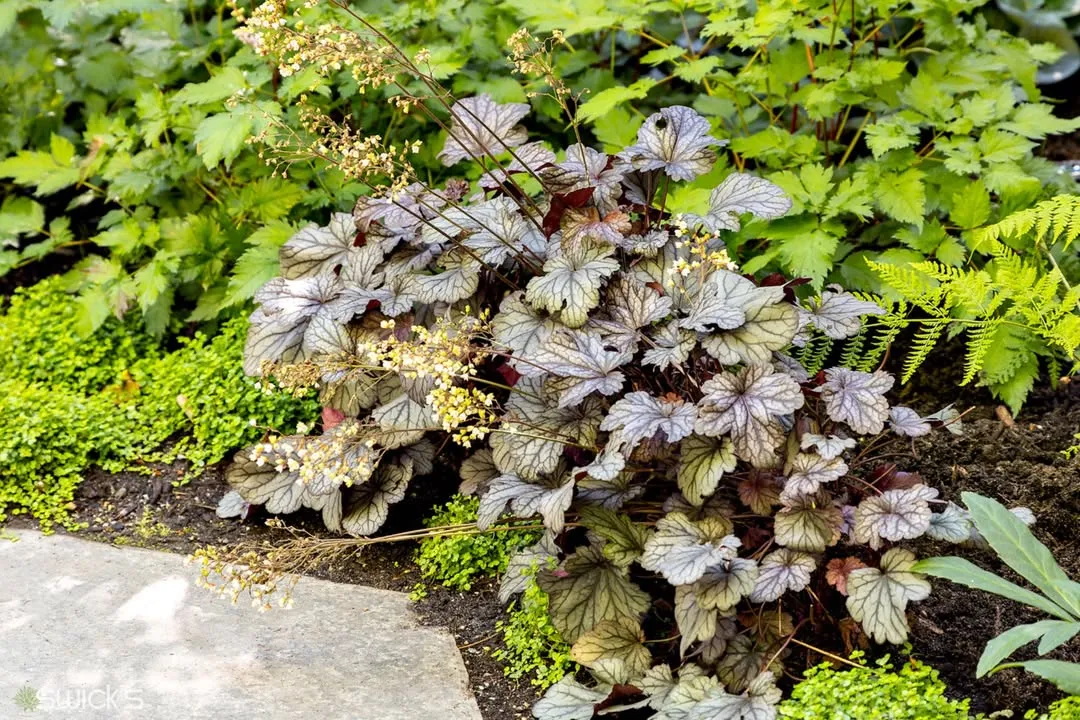
Heuchera, also known as coral bells, are a shade garden favorite. This low-maintenance plant has impressively beautiful foliage and grows close to the ground. They are a great addition to the summer garden because of their availability in bright colors, such as deep purples, rich reds, bright greens, and even vibrant oranges.
Additionally, the flowers are shaped in tall spikes that emerge from the middle and bloom through spring. It makes a perfect companion, which is why gardeners prefer it. If you want to put heuchera as a display in your garden and are completely unaware of what to plant with it, this blog will help you decide which one to pick.
How to Grow and Care for Heuchera?
Heuchera is a low-maintenance perennial that grows well in partially shaded areas or in rich, well-draining soil. To achieve the bright color, ensure it gets morning sun. It is also important to feed the plant with a layer of compost or rotted manure in the early spring. As for water needs, it requires average watering. Though heuchera is drought-resistant, it is recommended to add mulch around the base of the plant in winter to maintain consistent moisture.
How to Plant?
To plant coral bells, ensure to space them at least 1-2 feet apart, and make sure to plant them in the fall or spring. However, if you wish to plant them at any time of the year, you definitely can. But make sure that the soil is not frozen in winter or parched in summer.
Expert Tip: Coral bells grow well in pots and containers, too. Before planting, make sure to choose a pot with a drainage hole so excess water can drain out easily. Once the plant has developed in the container, take it out and plant it in the yard.
Where to Plant?
Heucheras are best planted in large containers or in the ground. They can be placed in bright sun for a short time, as this helps the plant develop dark green foliage. However, remember not to leave the plant out in the sun for long. This may cause leaf burns. If you are keeping your coral bells in the shade, consider using a light canopy.
Care Tips for Heuchera
- Coral bells grow well when they receive at least 4-6 hours of direct sunlight.
- They can handle clay or rocky soil, but it is best to create proper drainage before planting new heucheras.
- Make sure the soil is moist, but not soggy and overly watered. During hot days, add a bit more water to the plant.
- A thin layer of compost or a slow-release granular fertilizer around the soil of the heuchera plant. If you have coral bells in the container, consider applying a water-soluble fertilizer. Ensure to follow the instructions given on the pack. Also, heuchera does not need fertilization during the fall or winter.
- Consider pruning and trimming any damaged leaves in early spring to maintain the plant’s appearance.
What Makes a Good Companion Plant for Heuchera?
A good companion plant for heuchera should possess almost similar characteristics and traits. Plus, both plants should help each other grow by sharing the same preferences for light, soil, and moisture conditions.
The ideal companion plant should not compete with other plants for nutrients, water, or space. They should thrive and grow together in harmony while maintaining the garden's beauty and health.
13 Best Companion Plants for Heuchera
Astilbe
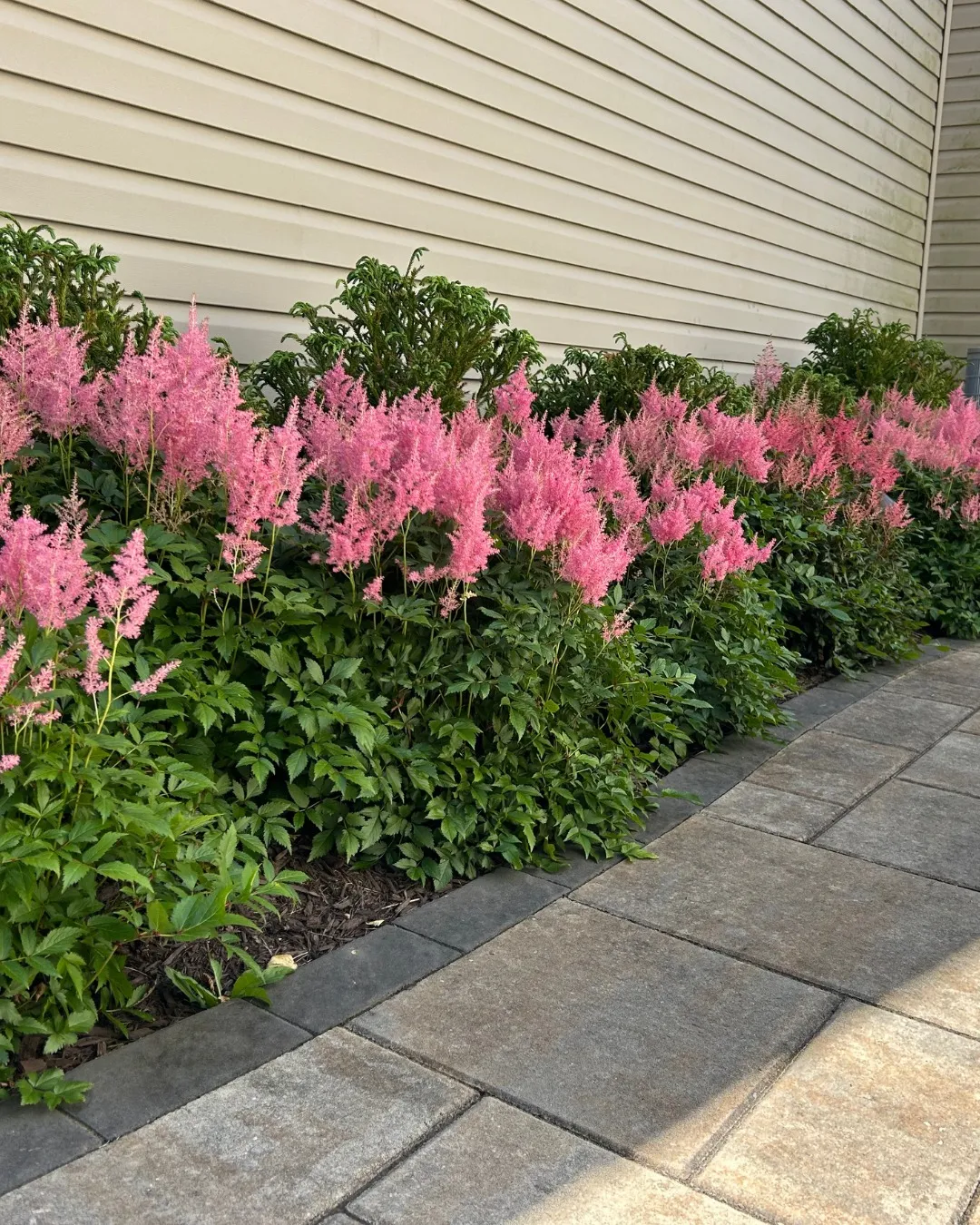
Astilbe has large, fluffy plumes that complement the tall, beautiful flowers of the coral bells. The combination adds texture to the garden, making it look astounding. The best thing is you don’t have to worry about maintenance, as they both thrive in evenly moist soil. Plus, they have similar routine maintenance throughout the gardening season.
Rhododendron
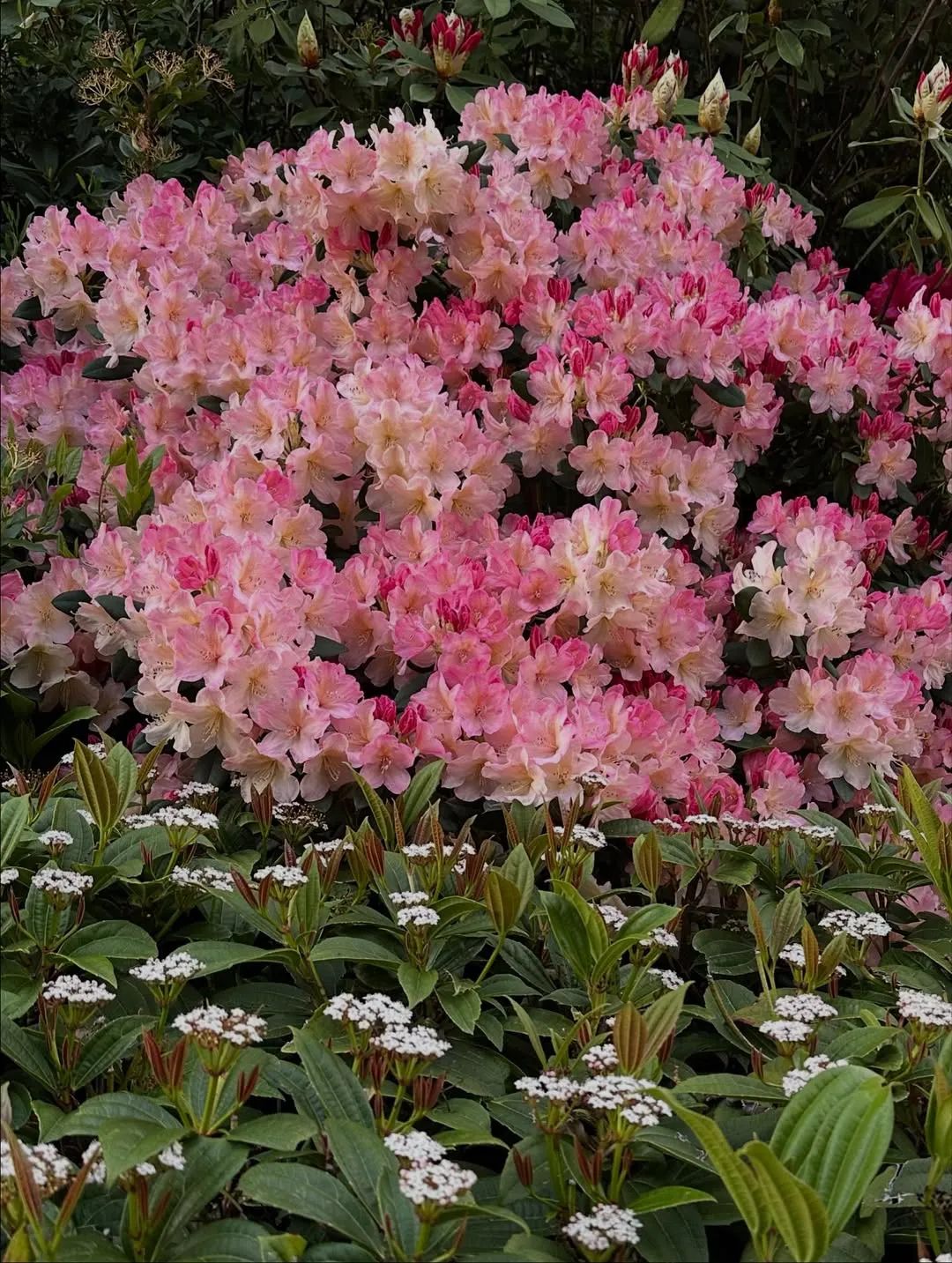
If you are looking for a shrub that can pair well with coral bells, rhododendron stands out. No matter how shaded your garden is, the rhododendron never fails to shine. The large, showy flowers bloom in clusters and come in a variety of colors, including pink, red, white, yellow, and orange. Rhododendron’s flowers are rich in nectar, which attracts pollinators, such as bees, butterflies, and hummingbirds.
Japanese Painted Fern
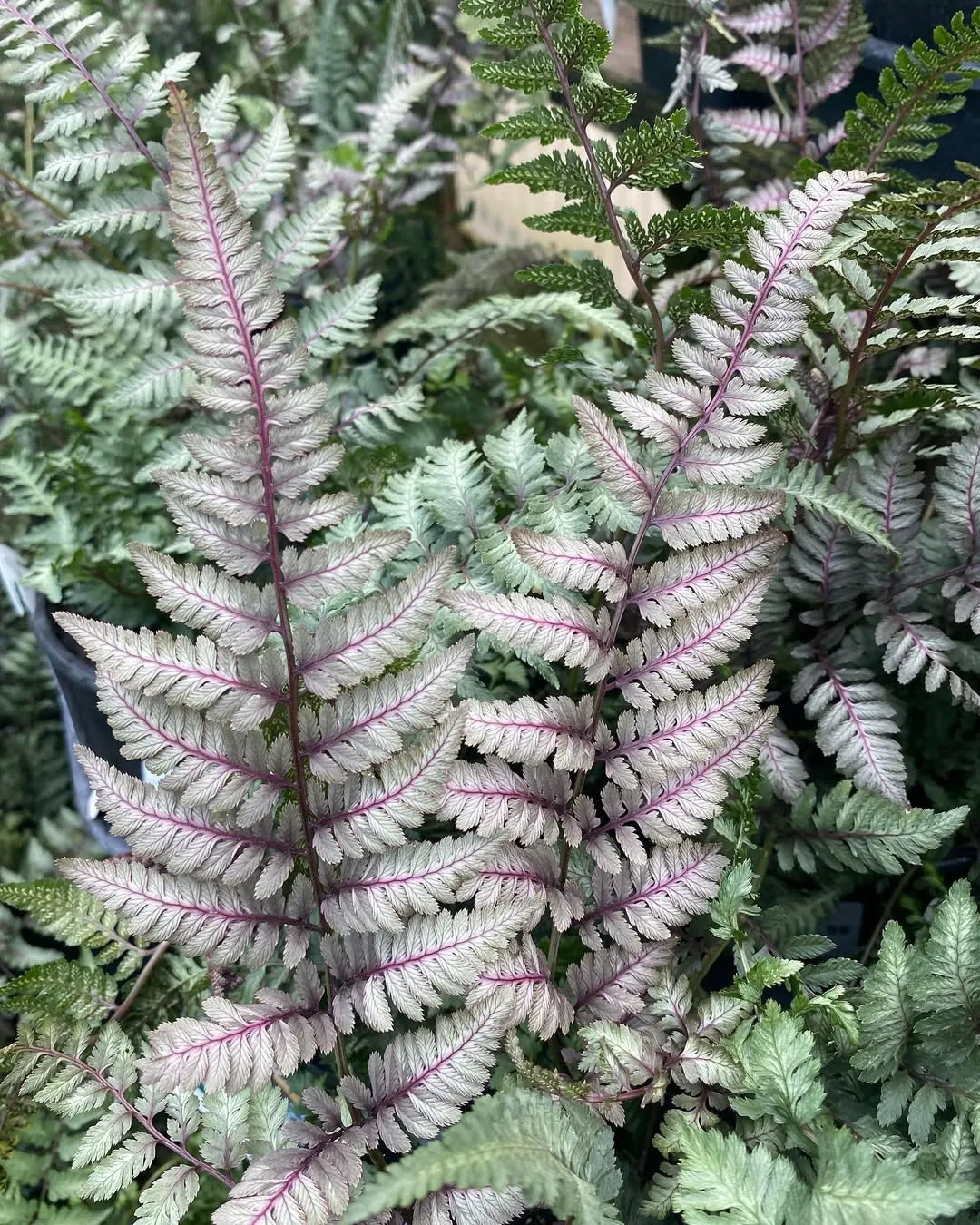
Japanese painted fern looks exactly like a painting. The leaves are silvery-gray, with shades of green and purple. They grow to 12-18 inches tall, spread moderately, and can be grown in woodland gardens, shaded borders, and containers. Both coral bells and Japanese painted fern thrive in well-draining soil and bloom from spring through fall.
Hostas
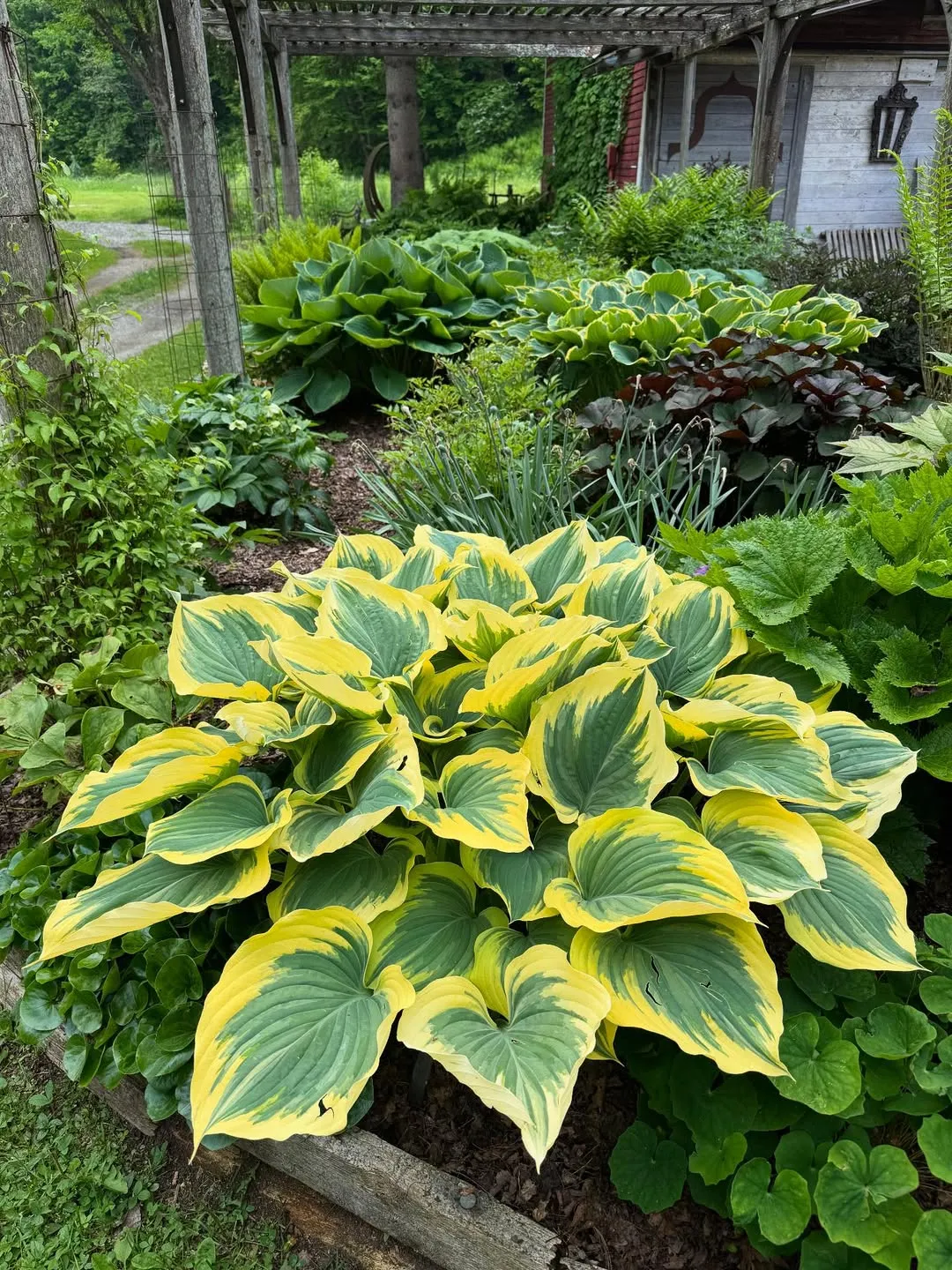
Pairing hostas with heucheras is one of the wisest decisions that any gardener can make. These herbaceous perennial plants bloom with bright flowers that stay from late spring through fall. The soil and light requirements for both are similar, so growing them together won’t be a hassle. Plus, the low-maintenance nature of both plants makes them every gardener's dream.
Bleeding Heart
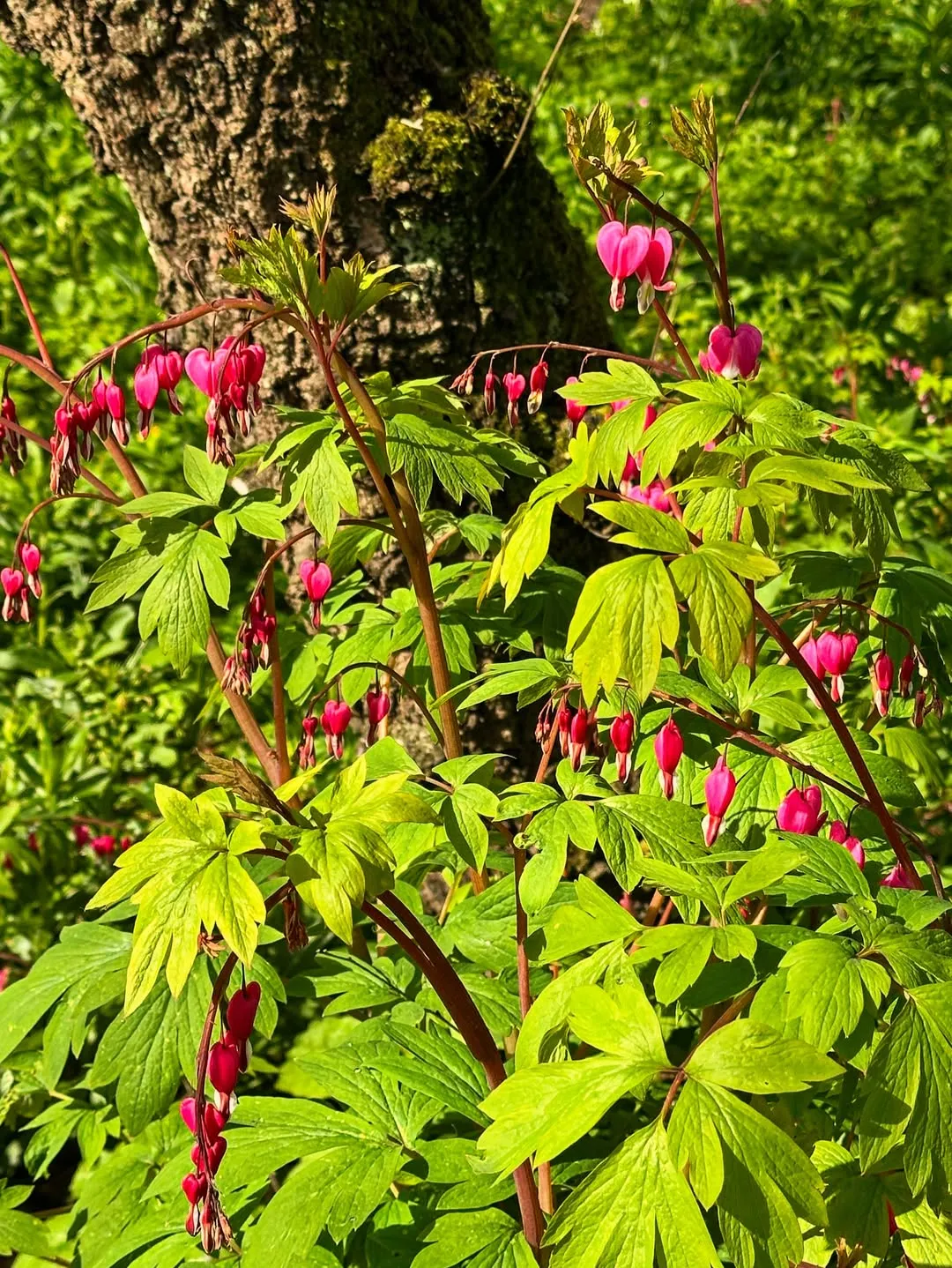
Bleeding heart (Dicentra) has distinctive heart-shaped flowers that bloom in early spring. The vibrant color adds a beautiful feel to the yard. Once the bleeding heart flowers bloom, they look exquisitely attractive when paired with coral bells (which begin to flower in the late spring).
Goatsbeard
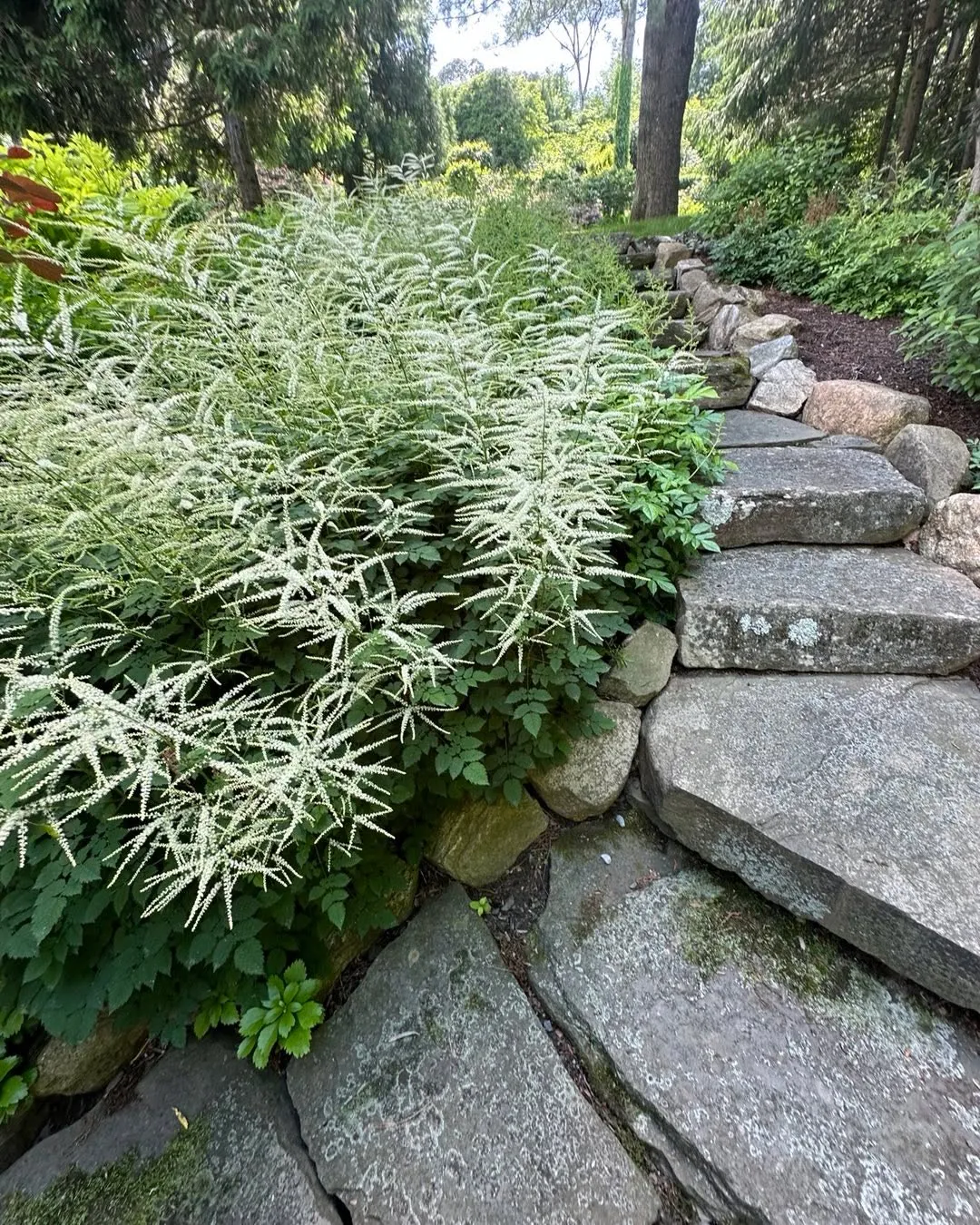
Goatsbeard has a feather-like flower that looks angelic and attracts butterflies, bees, and birds, helping with pollination. The tall flowers make a great contrast against the heucheras and add texture to the garden.
Foamflower
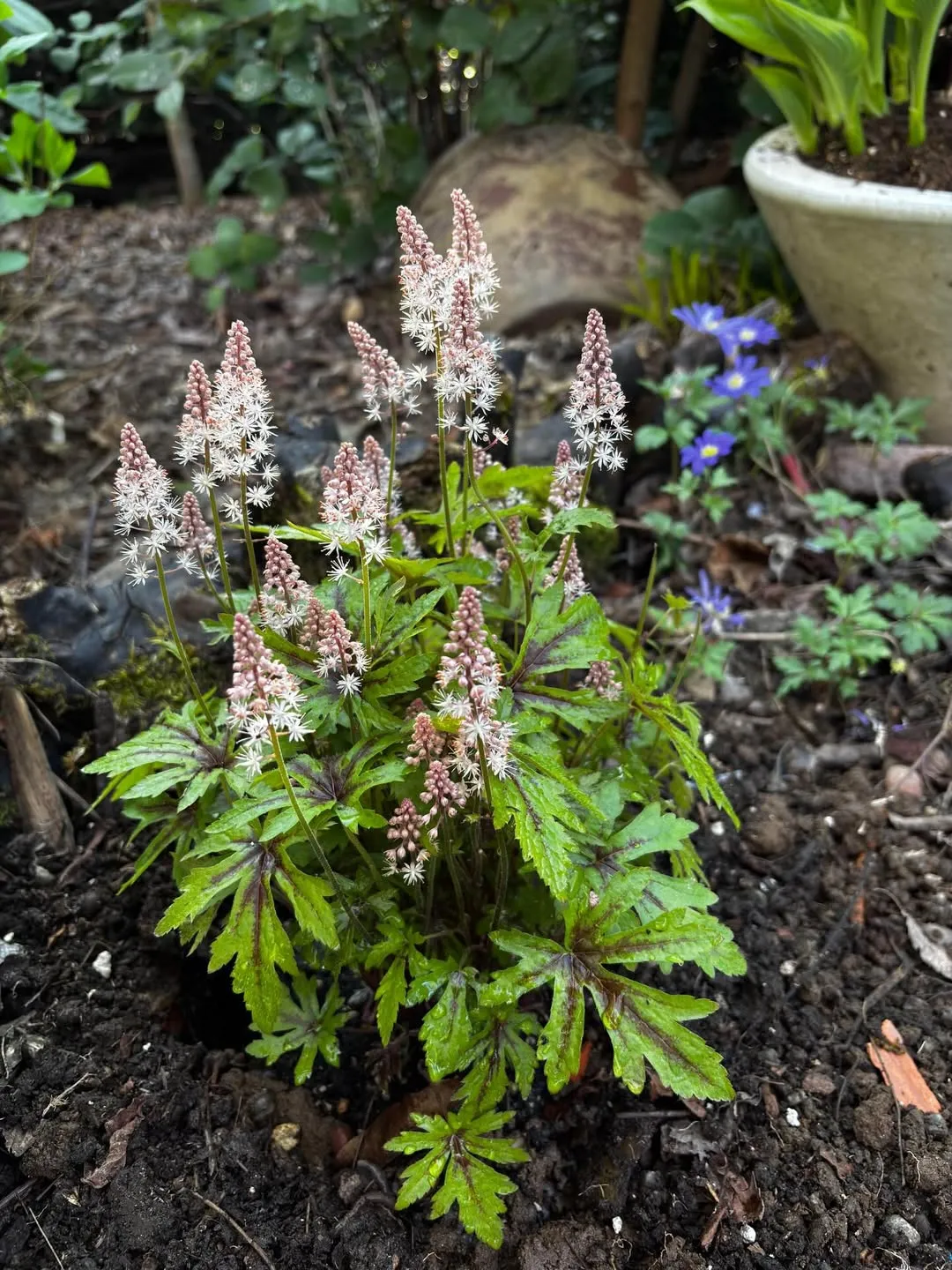
Foamflower is a perennial that naturally grows in woodland gardens and is most commonly used in shade gardens. Though the leaves look quite similar to heucheras, the main difference is their flowers. The flowers grow in tall spikes and form clusters of tiny flowers above the foliage.
Bugleweed
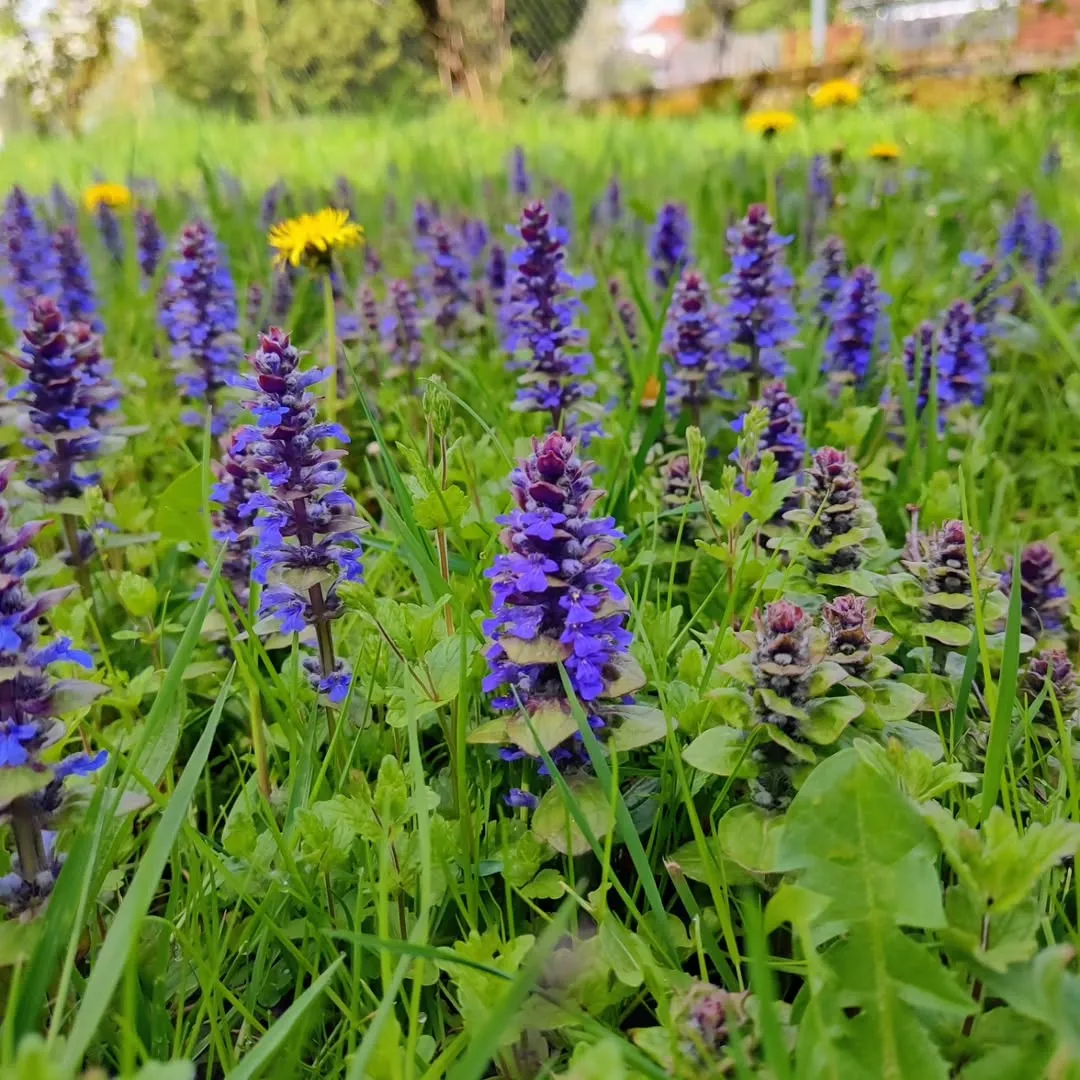
You can never go wrong with bugleweed, and just like heucheras, it also thrives in the shade. It can be planted as a lawn substitute or spread between stepping stones. It is also beneficial to suppress weeds on slopes, beneath trees, and in small spaces.
Sedge
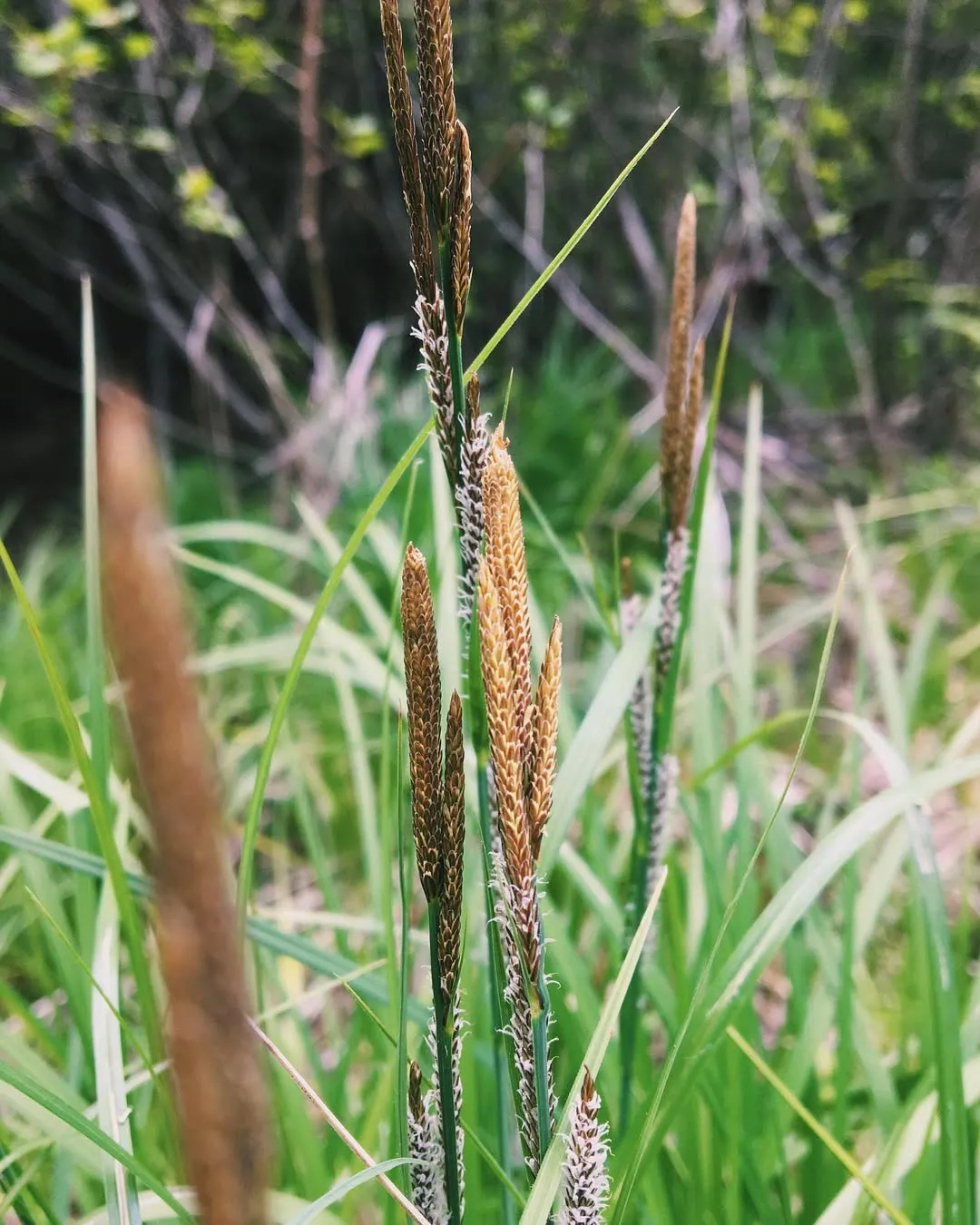
Sedge can be used as an ornamental plant, or you can say it is an ornamental grass that can be used to fill empty gardens, and also looks good with heucheras. This is winter-hardy, easy to maintain, and best for beginners.
Siberian Bugloss
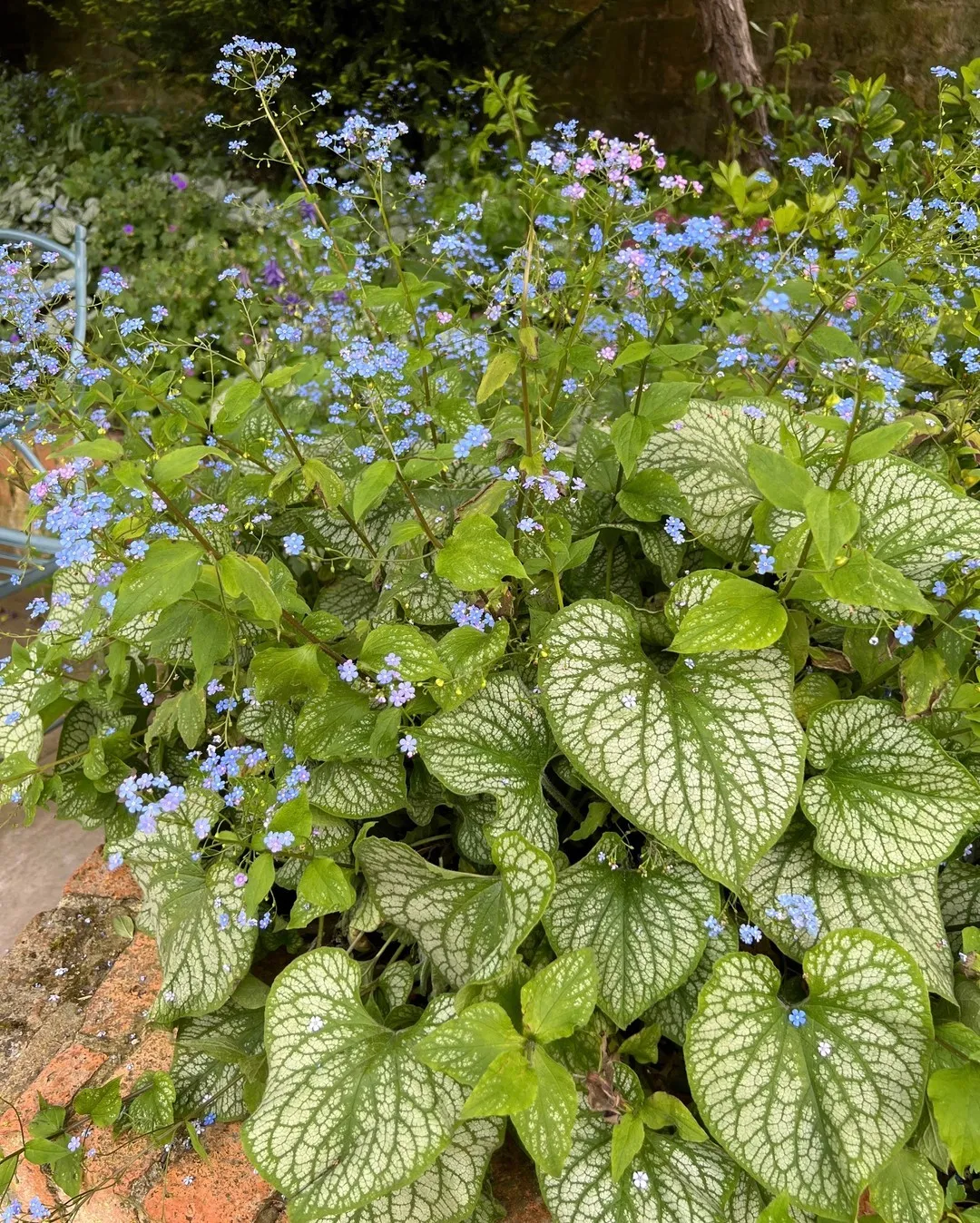
Also known as Brunera, Siberian Bugloss is a reliable, hardy shade perennial. They feature silvery-green foliage and flowers that kind of look like forget-me-nots. The flowers rise above the plant’s low-growing, mounded foliage and pair well with spring-flowering shade plants, like heuchera.
Salvia
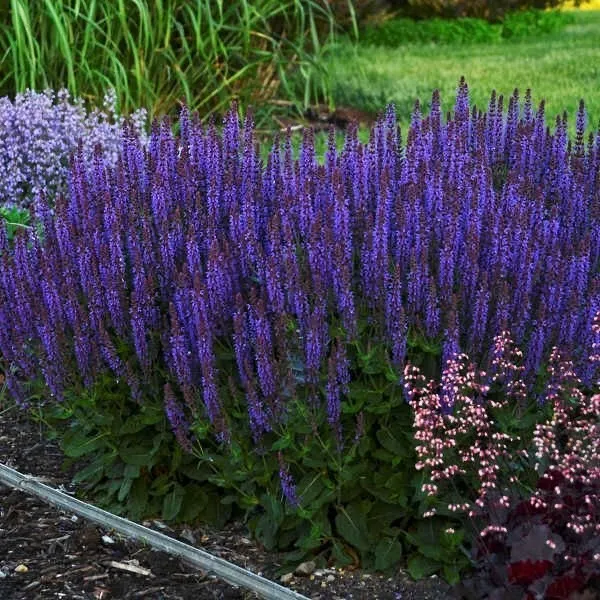
Salvia, or ornamental sage, is a perfect companion plant for heuchera. Like rhododendrons, salvias attract bees and butterflies. The beautiful, colorful flowers of the shrub always offer an impressive view from the window.
Penstemon
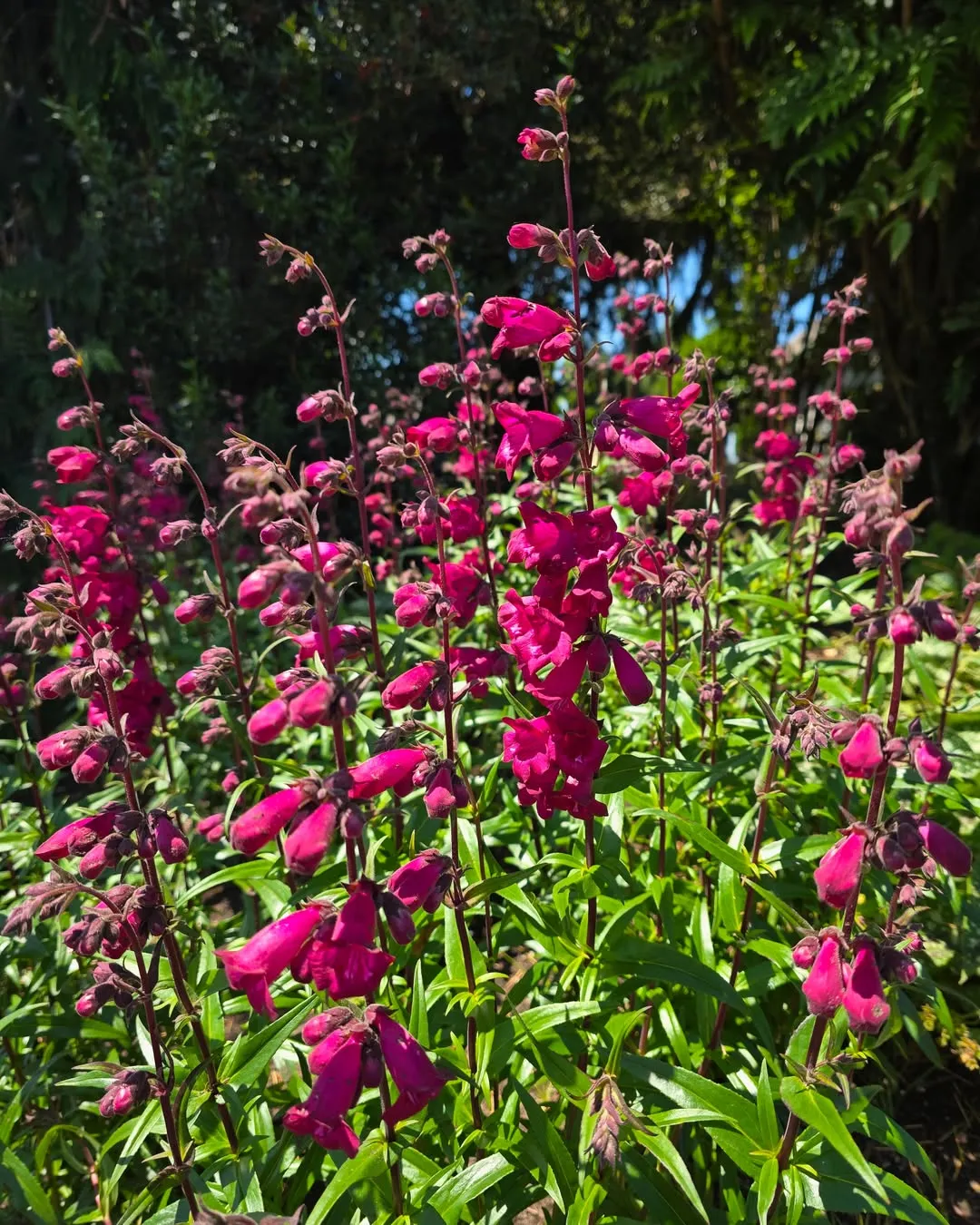
Penstemon is mostly found in British gardens, and, like Salvia, it flowers for a long period. Again, it attracts bees and butterflies, which help with pollination. The flower resembles foxgloves and offers bright, attractive color that adds variety to the garden, making everyone appreciate its beauty all summer long.
Helenium
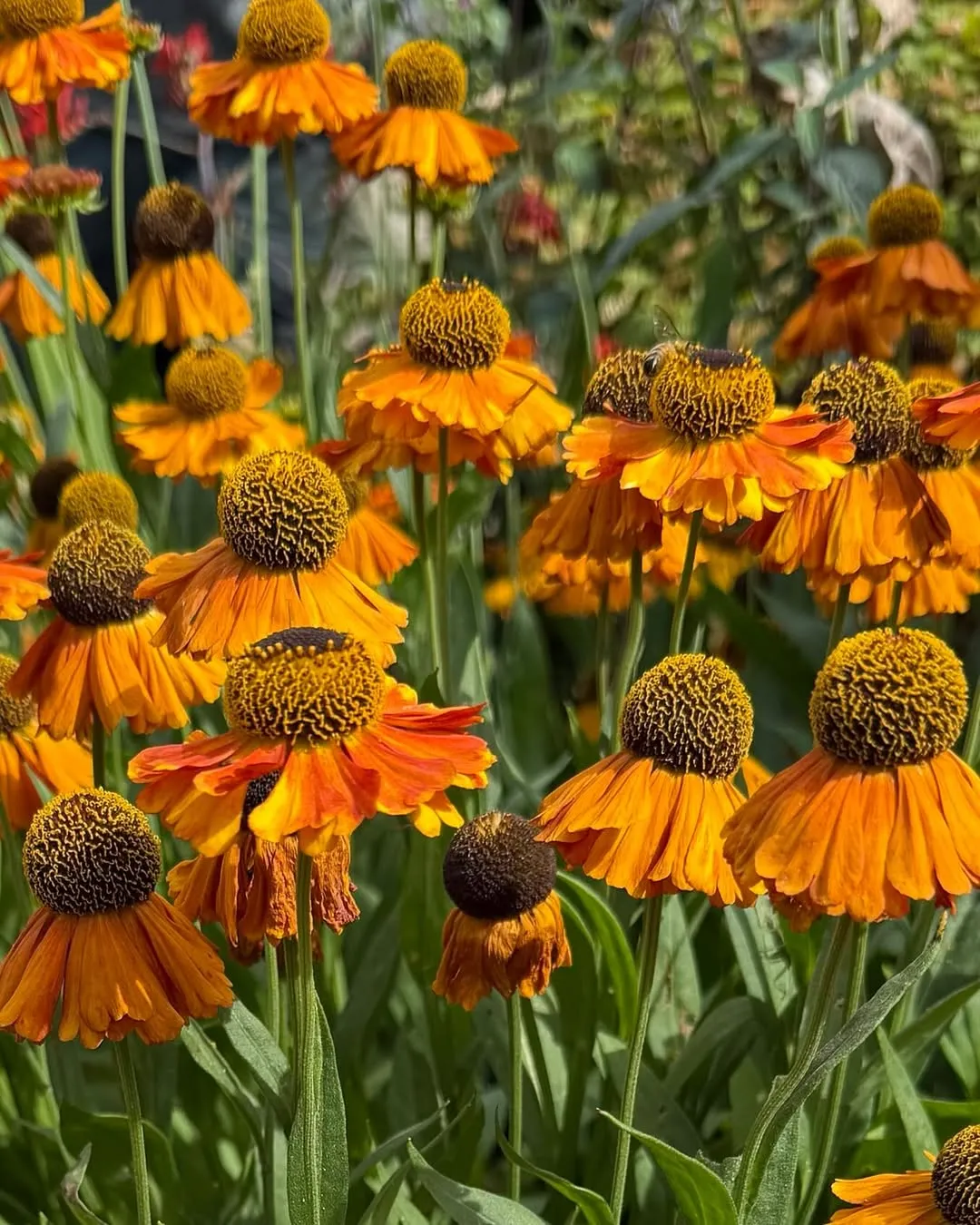
Helenium is known for its daisy-esque, beautiful blooms, and that’s what makes it a perfect companion for heucheras in your garden. The flowers are almost similar to coneflowers, and you can find them in several vibrant colors, such as orange, yellow, red, and even bronze. When you pair them with heucheras, it creates an extraordinary combination.
What Not to Grow With Heuchera?
Since heucheras are small shrubs, they shouldn’t be grown with rapidly spreading plants, or plants that are of the opposite nature to heucheras.
- Avoid plants such as yucca, yarrow, and sage, as they require dry soil and full sun. This is because keeping heuchera in dry soil can stunt its growth, while keeping yarrow and sage in moist soil can cause root rot.
- Also, aggressive spreaders, such as mint or creeping jenny, can crowd heucheras and cause problems.
- Deep-shade moisture hogs, such as marsh ferns, can rot the shallow crowns of the heucheras.
Conclusion
No wonder heucheras are versatile and attractive; when paired with plants such as Japanese painted ferns, astilbes, and hostas, they can add variety to the garden. The key to selecting the best companion plant is understanding the water, soil, and light requirements. It is also important to check if they are pollinator-friendly and how much they spread. The best part is that they can be planted along borders, flower beds, and even in containers.