
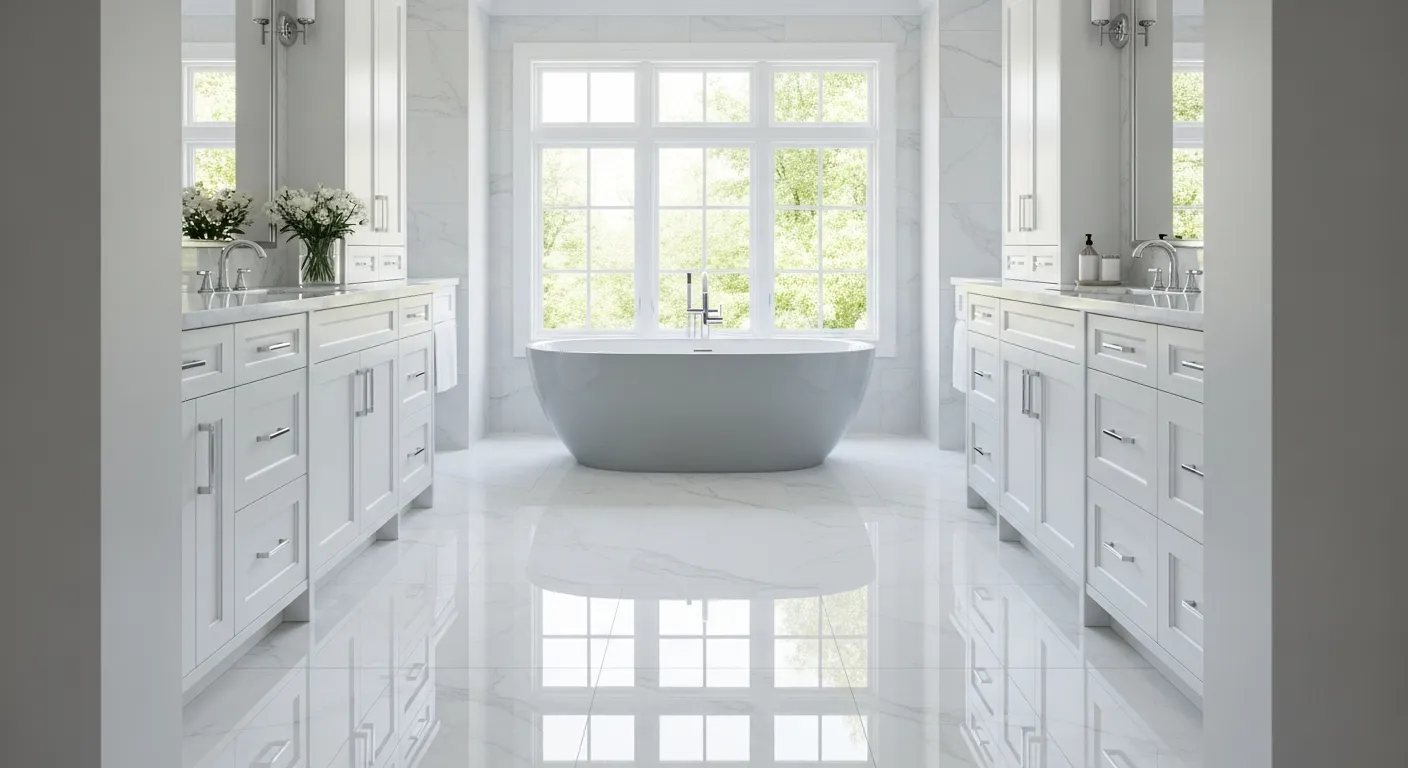
Bathroom floor heating is a basic necessity during chilly weather because getting out from the warmth of the bed and landing on the cold floor is not easy. Hence, homeowners look for heated floors for their bathroom. Whether it is hydronic or electric floor heating, every type has pros and cons, and they come at different prices.
This blog will take you through the most commonly used floor heating systems, their average installation costs, and their pros and cons.
How Much Do Heated Bathroom Floors Cost?
Common materials used in bathroom floors are stone and tile, which can feel cold on feet, especially in the morning. Homeowners would love it if the floors felt warmer during the morning. If you have a small bathroom, the installation cost would be reduced due to the small area. Before investing in radiant floor heating, it is also helpful to understand the average bathroom remodel cost so you can plan your overall renovation budget more effectively.
Though radiant floor heating is expensive, it is becoming affordable over time. Reports state that the average installation cost of a radiant floor heating is $600 for a bathroom measuring 100 square feet. The average cost per square foot ranges between $5 to $8.
Radiant Floor Heating Cost
Radiant floor heating is available at different prices, but the average cost is around $7.90–$15 per square foot. To control the floor heater, you will also need to buy a system-dedicated thermostat. Manual control systems cost around $160, whereas advanced automatic systems can range up to $300. The main function of the thermostat is to control the temperature of your bathroom and schedule heating for your room.
Advantages and Disadvantages of Radiant Floor Heating
Before you install radiant floor heating or any new flooring material, it is important to consider its pros and cons. Being aware of common bathroom renovation mistakes can also help you avoid unnecessary expenses and installation issues during the remodeling process.
Advantages of Radiant Floor Heating
There are many benefits to installing radiant floor heating in your bathroom. They are:
1. Efficient and Low-energy Heating Solution
- Very little energy is required.
- Distributes the heat equally throughout the room.
- Can substantially save heating costs for homeowners.
2. Adaptable Heating Choice
- Can be installed in almost any room.
- It pairs well with all floor covering materials.
3. Safe and Simple to Use
-
Generally turns on using a lightswitch-style knob.
Disadvantages of Radiant Floor Heating
1. Added Cost- Includes labor costs and the price of new flooring material.
2. Longer installation time- Usually takes longer to install than non-heated floors.
3. Increases Floor Height- Wiring and tubes increase the floor height slightly.
Best Flooring for Radiant Heat Systems
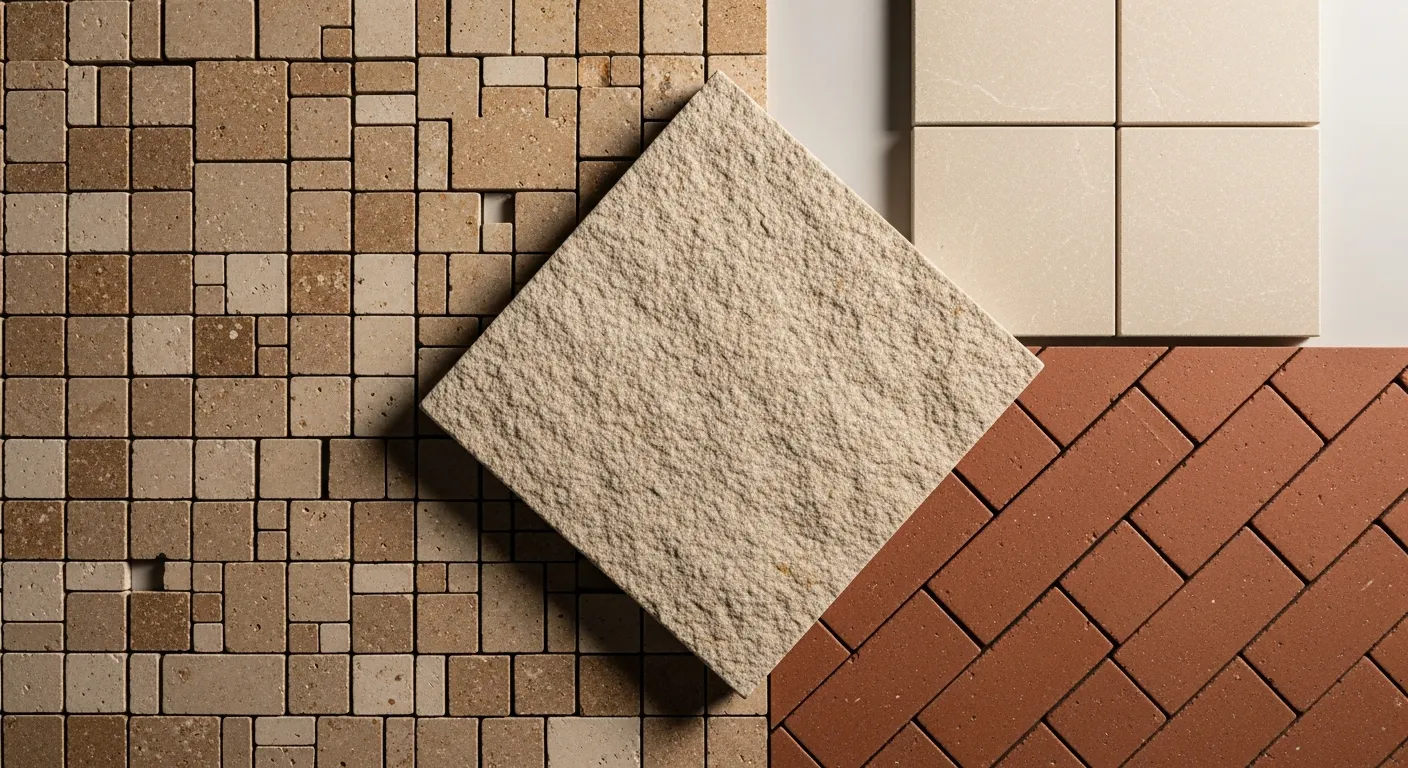
There are various options for radiant floor heating. You can install RFH on any type of flooring material, including carpets! Some homeowners also consider installing hardwood over tile in adjacent living spaces during a renovation, making it helpful to understand the installation process and associated costs.
Luxury Vinyl Tile
Whether you choose radiant heating or not, luxury vinyl tile (LVT) is a widely known choice for bathroom floors. It pairs beautifully with timeless bathroom design ideas, offering a stylish look while remaining durable and moisture-resistant.
Porcelain, Ceramic and Stone
These are also outstanding choices for bathrooms, as they naturally conduct heat, making your RFH system more efficient. Cracks in the tiles usually occur due to contraction and expansion when they cool or heat. With materials like porcelain, ceramic, and stone, you don't have to worry about the cracks.
Laminate
Laminate flooring is a budget-friendly option for bathrooms and is available in a variety of colors, designs, and styles. Laminate flooring is similar to luxury vinyl and natural tile; it doesn't contract or expand. If you're comparing laminate flooring options, it's worth exploring different styles, finishes, and water-resistant varieties before selecting the best flooring for your bathroom.
Types of Radiant Floor Heating
There are two types of radiant floor heating. They are:
Electric Floor Heating
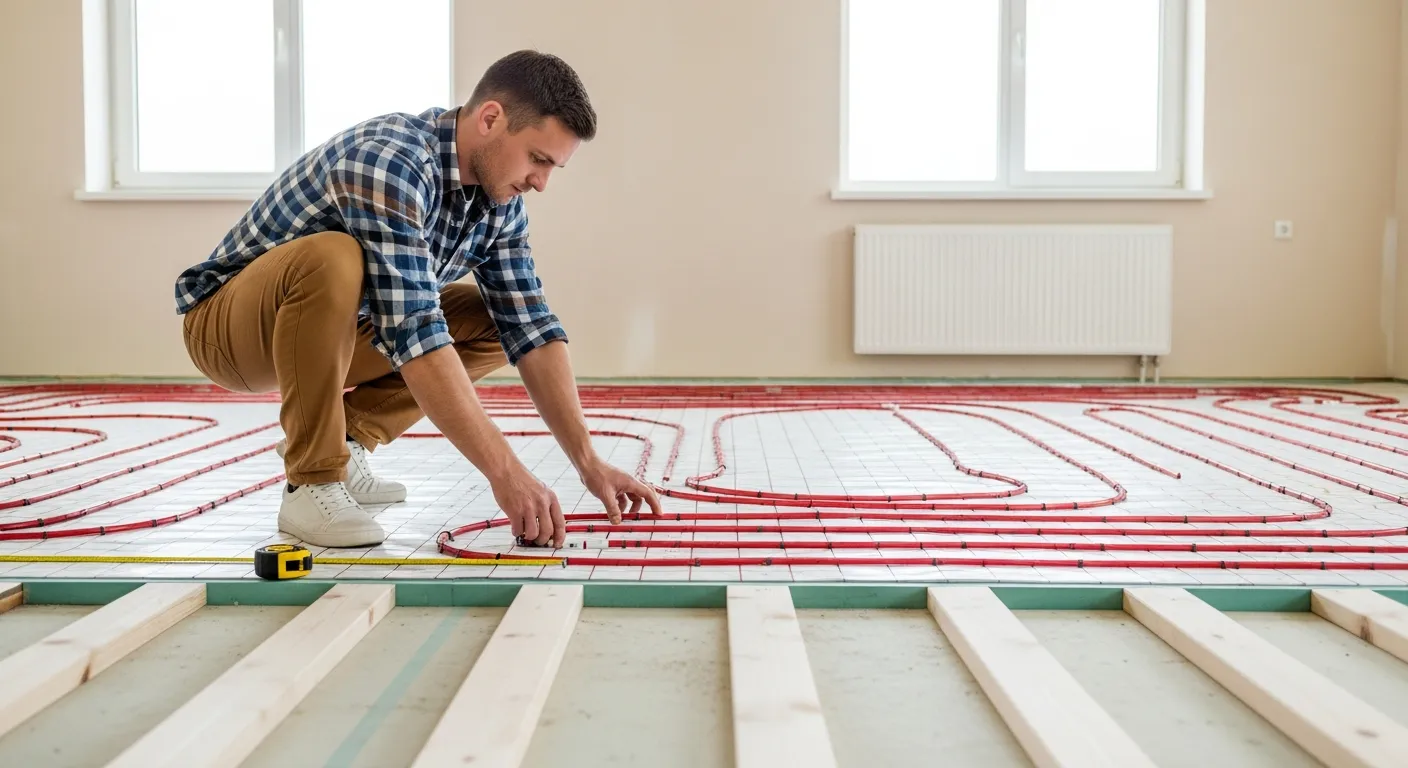
The average cost for electric floor heating (including installation, wiring, and final floor finish) can range from $50–$130 per hour. The cost can depend on the flooring material you choose. With tile floors, the cost can range from $3 to $20 per square foot, depending on the type of tile you use.
Installation cost may depend on various factors such as:
Tile Type
It is advised to mindfully choose the tile as tiles material can impact the installation cost. For example, ceramic tile is one of the cheapest and most excellent choices for radiant heat flooring.
Removal of Old Floor
The overall installation cost can also be affected if you choose to remove your old floor before installing a new heated floor. This is because additional labor is required to remove the old tiles, which increases the installation cost.
Size and Shape of Bathroom
The charges may also be affected by the size and shape of your bathroom. The bigger your bathroom is, the more it will cost to install floor heating. Also, a bathroom with many curves or angles will require more cuts and shaping for planned coverage.
If you're renovating multiple rooms at once, comparing hardwood installation costs with heated flooring expenses can help you allocate your renovation budget more effectively.
Hydronic Floor Heating Cost
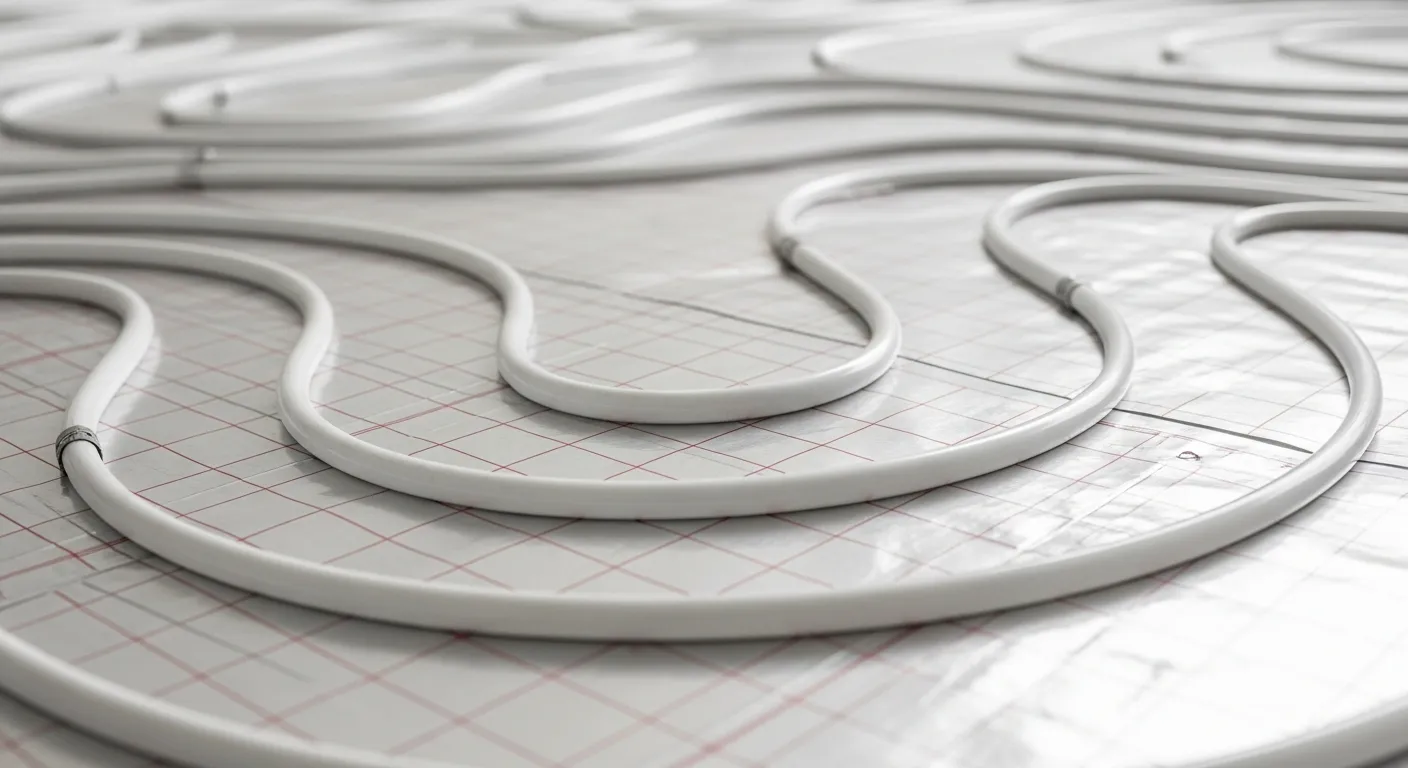
Hydronic floor heating works on the principles of conduction, convection, and radiation, using a liquid. Just like the electric floor heating, they are installed under your bathroom floor, but in tubes. To heat and conduct the water in tubes, a boiler system is needed. Therefore, to install a hydronic floor-heating system, you'll first need to have a boiler system.
As for cost, this system is more budget-friendly than an electric floor-heating system. However, the cost might be more if you don't have a boiler system.
Are Heated Bathroom Floors Valuable?
Yes, radiant floor heating is valuable and worth considering. Heated bathroom floors might be costly, but they are energy-efficient, comfortable, and add value to the home. Following a bathroom renovation planning guide can help you prioritize upgrades and manage your renovation budget efficiently. If your bathroom is not so large, investing a bit in flooring installation is a good idea. If you have already removed your floor for remodeling, you can install radiant floor heating at the same time to save on labor costs. If your project also includes upgrading the shower enclosure, understanding the shower door replacement cost can help you estimate the total renovation expense more accurately.
Conclusion
A bathroom floor heating system makes your home more functional and comfortable. If you're planning a complete bathroom upgrade, reviewing a Moen vs Delta fixtures comparison can also help you choose high-quality faucets and shower fixtures that complement your new space.
You may have to invest more initially in installing them, but it’s worth it, as they're energy-efficient and increase the property's resale value in the long run. Therefore, if you're looking to upgrade your home, installing a bathroom floor heating system can be a good choice.
If you're remodeling your entire bathroom, pairing heated floors with a new vanity is a popular upgrade. Our marble countertop guide can help you choose a durable and elegant countertop that complements your new space.