
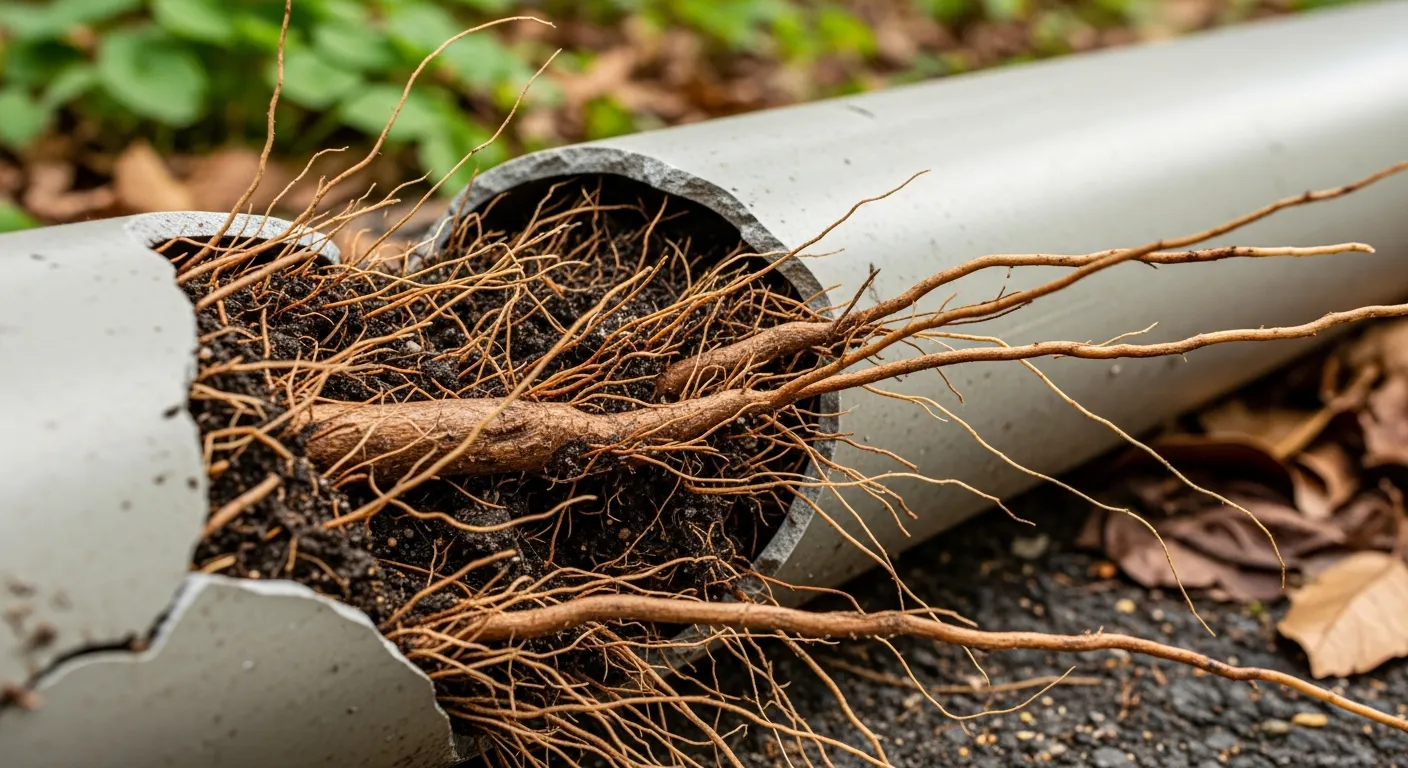
Mature trees are a defining feature of many Littleton neighborhoods. From shaded streets near Historic Downtown to established communities around Columbine Valley and Ken Caryl, tree-lined properties add long-term value and curb appeal. However, beneath the surface, these same trees can create one of the most serious plumbing problems homeowners face.
Tree root intrusion is a leading cause of sewer line damage in the Denver metro area. In many cases, what begins as a minor blockage evolves into structural pipe failure that ultimately requires sewer line replacement in Littleton. Understanding how this process develops helps homeowners recognize early warning signs and make informed decisions before the damage becomes extensive.
Why Tree Roots Target Sewer Lines?
Tree roots naturally seek moisture and nutrients. Underground sewer lines provide both. Even a small amount of condensation or wastewater escaping from a pipe joint can attract nearby roots.
Once roots detect a consistent water source, they begin growing toward it. This process is gradual but persistent. Over time, roots apply pressure against the exterior of sewer pipes, searching for any point of entry.
Older sewer systems are especially vulnerable. Homes built decades ago often rely on clay or cast iron pipes, which are more prone to cracking, joint separation, and surface deterioration. These small imperfections provide ideal entry points for root systems.
How Roots Enter and Expand Inside Pipes?
Root intrusion rarely starts with a large opening. It typically begins with a hairline crack, a loose joint, or a minor gap between pipe sections. Once inside, roots continue to grow due to the constant supply of moisture and organic material.
As roots expand within the pipe, they begin to:
- Trap debris such as grease, paper, and waste
- Restrict water flow
- Create recurring blockages
- Apply pressure against the pipe walls
Over time, this growth transforms a minor obstruction into a significant structural problem. At this stage, clearing the blockage alone does not resolve the underlying issue.
The Role of Littleton's Soil and Climate
Littleton's environmental conditions contribute to the severity of root intrusion. The region's soil contains a high percentage of clay, which expands and contracts with changes in moisture levels. This movement places stress on underground sewer lines, increasing the likelihood of cracks and misalignment.
Seasonal freeze and thaw cycles further accelerate this process. During winter, soil contracts and hardens. In spring, snowmelt saturates the ground, causing expansion. This repeated movement weakens pipe joints and creates new entry points for roots.
In neighborhoods near the South Platte River or areas with dense landscaping, these conditions make sewer systems particularly vulnerable to long-term damage.
Early Warning Signs of Root Intrusion
Tree root damage develops gradually, which means homeowners often experience warning signs before a major failure occurs. Recognizing these symptoms early can prevent more extensive repairs.
Common indicators include:
- Slow drains throughout the home
- Frequent clogs that return after cleaning
- Gurgling sounds from toilets or sinks
- Sewage odors near drains or in the yard
- Water pooling in unexpected areas
These symptoms suggest that the blockage may be deeper within the sewer line rather than in individual fixtures. At this stage, a professional plumber in Littleton may recommend a sewer camera inspection to identify the exact cause.
Why Temporary Cleaning Solutions Are Not Enough?
Drain cleaning methods such as snaking or hydro jetting can remove roots temporarily. However, these solutions do not repair the structural damage that allowed roots to enter the pipe in the first place.
Once roots have penetrated a sewer line, they are likely to return. Each cycle of intrusion and removal weakens the pipe further, increasing the risk of collapse or severe misalignment.
Repeated cleaning may provide short-term relief, but it often leads to higher long-term costs. When structural integrity is compromised, sewer line replacement in Littleton becomes the more reliable solution.
Structural Damage Caused by Root Intrusion
As roots grow and expand, they exert pressure on pipe walls. This pressure can lead to several forms of structural damage:
- Cracks that widen over time
- Pipe deformation or flattening
- Joint separation between pipe sections
- Complete pipe collapse in severe cases
Once structural damage reaches this level, wastewater flow becomes unpredictable. Backups may occur suddenly, and leaks can develop underground without immediate detection.
These conditions not only affect plumbing performance but also pose health risks due to potential exposure to contaminated water.
Impact on Property and Landscaping
Sewer line damage caused by roots does not remain confined to the pipe itself. It can also affect the surrounding property.
Leaking wastewater can saturate soil, leading to:
- Unpleasant odors in the yard
- Soft or sunken ground areas
- Damage to landscaping
- Increased risk of foundation moisture issues
In some cases, tree roots themselves may become damaged during the repair process, creating additional landscaping concerns. Addressing sewer line issues early helps minimize these impacts.
When Replacement Becomes the Best Option?
Not every root intrusion requires immediate replacement. However, certain conditions indicate that repair is no longer sufficient:
- Recurring blockages despite professional cleaning
- Visible cracks or collapsed sections on camera inspection
- Significant pipe misalignment
- Extensive root growth throughout the system
In these situations, replacing the affected section or the entire sewer line provides a long-term solution that restores proper flow and prevents future intrusion.
Modern replacement methods often use durable materials that resist root penetration and withstand soil movement more effectively than older pipe types.
The Importance of Professional Evaluation
Diagnosing sewer line problems accurately requires specialized equipment and expertise. A qualified plumber in Littleton can perform a detailed inspection using camera technology to assess the condition of the pipe.
This evaluation helps determine:
- The extent of root intrusion
- The location of structural damage
- Whether repair or replacement is the most appropriate solution
Accurate diagnosis ensures that homeowners invest in the right solution rather than relying on temporary fixes.
Preventing Future Root Intrusion
While it is not always possible to eliminate root growth entirely, homeowners can take steps to reduce the risk of future problems:
- Schedule periodic sewer inspections
- Address minor clogs promptly
- Avoid planting large trees near sewer lines
- Consider root barriers in high-risk areas
- Maintain consistent drain cleaning practices
These measures help protect the integrity of the plumbing system and extend the lifespan of underground pipes.
Understanding the Long-Term Value of Addressing Sewer Line Issues
Tree root intrusion is a natural process, but its impact on sewer systems can be significant if left unaddressed. In Littleton, where mature landscaping and aging infrastructure often intersect, proactive attention to sewer line health is essential.
When structural damage occurs, sewer line replacement in Littleton provides a reliable solution that restores system performance and prevents recurring issues. Early recognition of warning signs, combined with professional evaluation, allows homeowners to protect their property and avoid more extensive damage over time.
Taking a proactive approach ensures that underground plumbing systems remain functional, efficient, and capable of supporting the long-term needs of the home.