
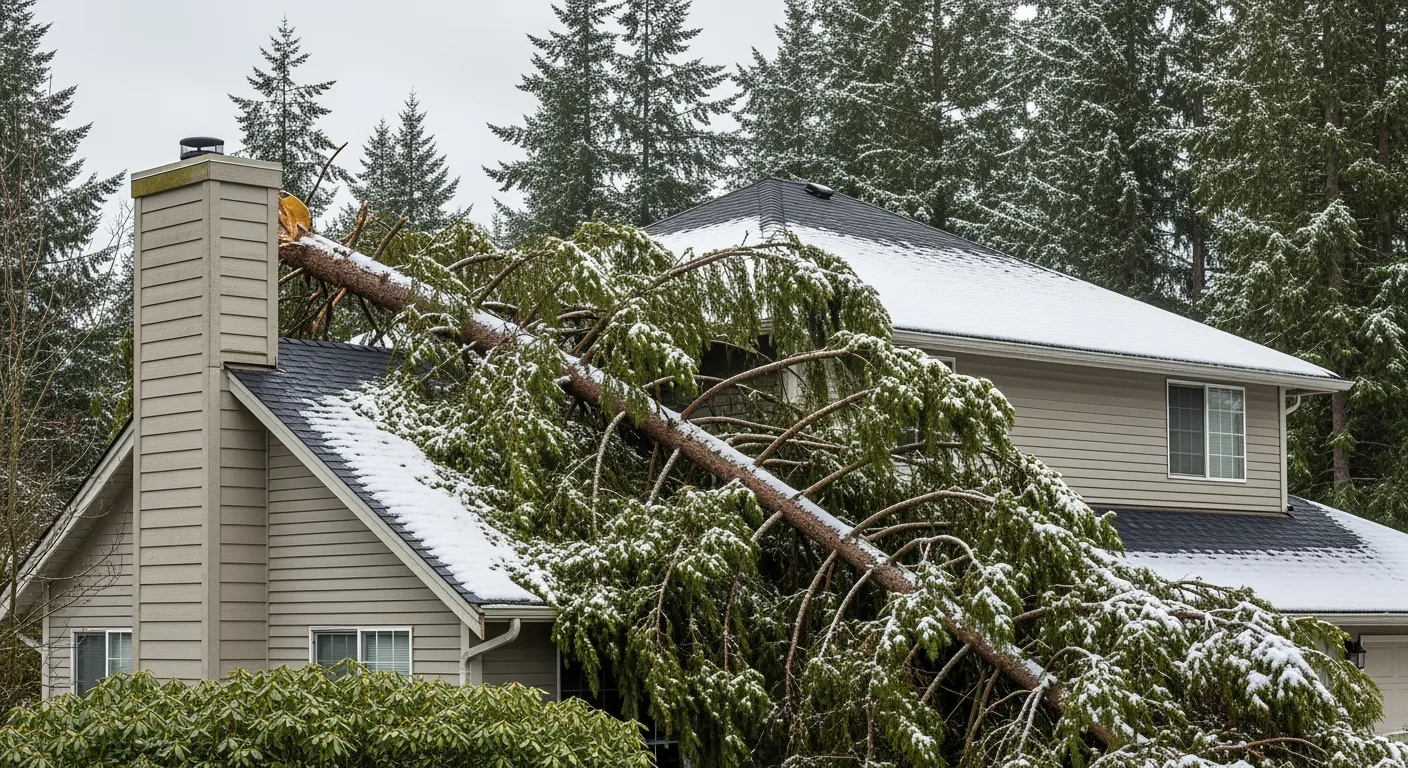
Minnesota storms don't give much warning. One week you're dealing with late-spring hail, the next you're watching high winds strip shingles off roofs that seemed perfectly fine just a month ago. Getting ahead of storm season isn't about paranoia — it's about not paying for an emergency repair when a routine checkup would have done the job.
Your roof takes the full brunt of everything Minnesota throws at it, and the damage tends to build up quietly. A small crack here, a loose flashing there — none of it looks serious until a storm makes it serious. A little prep work before the season starts goes a long way.
What Minnesota Storm Season Actually Does to Your Roof?
Minnesota's storm season stretches from spring well into fall, and it covers a wide range of threats — hail, high winds, heavy rain, and early-season snow that catches homeowners off guard. Each of these puts different kinds of stress on roofing materials, and the combination of all of them across a single season adds up faster than most people expect.
You see, the freeze-thaw cycle is one of the less obvious but more destructive forces at work here. Water seeps into small cracks, freezes overnight, expands, and widens those cracks just enough for the next rain to get in deeper. Over several seasons, that process breaks down even well-installed roofing materials from the inside out, long before the surface shows any visible wear.
What makes this worse is that most storm damage doesn't appear out of nowhere. Specialists from a roofing company from Minnesota consistently point out that the roofs hit hardest during storms are almost always the ones that were already showing early signs of wear — wear the homeowner simply hadn't noticed yet. A storm doesn't create the problem so much as it exposes the one that was already there.
That's exactly why pre-season inspection matters. Catching a compromised shingle or a cracked flashing seal before a major storm rolls through is a completely different situation than trying to schedule an emergency repair when every roofer in the state is booked solid. The window between late winter and early storm season is short, but it's the most useful time you've got.
Signs of Wear and Damage to Look for Before Storm Season
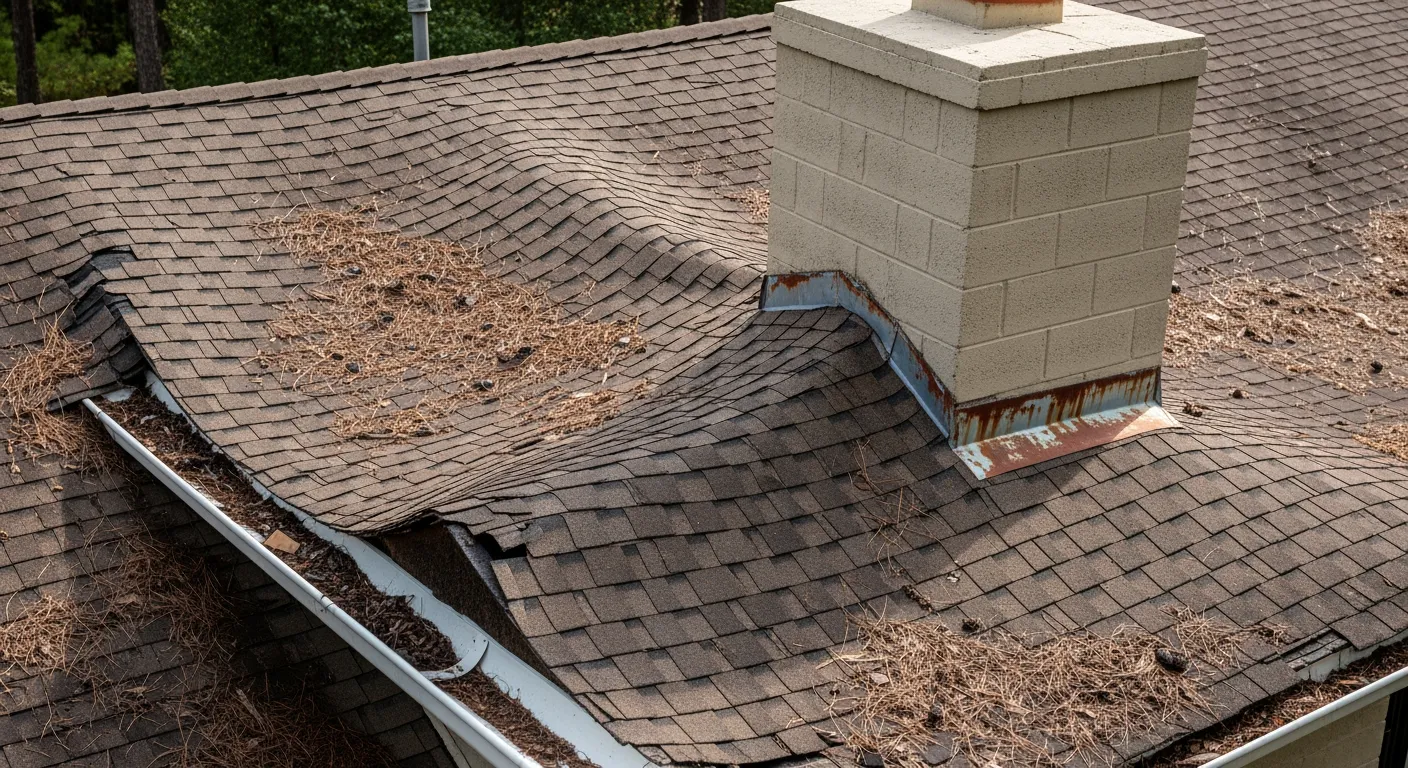
Curling, cracking, or missing shingles are the most straightforward things to look for, and you can often spot them from the ground with a decent pair of binoculars. Shingles that have started to curl at the edges or crack along the surface have lost most of their ability to shed water properly, and any storm with serious rainfall will find that out quickly.
Also worth checking are your gutters. Granules from asphalt shingles accumulate in gutters as the shingles age and break down, and a heavy buildup of those granules is a reliable sign that your shingles are past their prime. It's one of those indicators that's easy to overlook because it's not visible from the street, but it tells you a lot about where your roof actually stands.
Sagging sections are a more urgent concern. Any area of the roof that looks like it's dipping or holding weight unevenly usually points to moisture damage in the decking underneath — the structural layer that everything else sits on. Dark staining on interior ceilings or in the attic space is often the first interior sign that this kind of damage is already in progress.
Flashing is another spot that deserves real attention before storm season. The metal strips around your chimney, vents, and skylights are designed to seal the joints where the roof surface meets another structure, and they take a beating from temperature swings all winter. Loose or cracked flashing is one of the most common entry points for water, and it's also one of the easiest things to fix before it turns into a much bigger repair.
Gutter and Drainage Maintenance Before Storms Hit
Gutters don't get much attention until they start causing problems, but they're a direct line of defense for your roof. When they clog up with leaves, debris, and those granules mentioned earlier, water has nowhere to go — so it backs up under the roofing materials along the eaves, where it sits and causes rot. That kind of damage is slow, invisible, and expensive by the time it surfaces.
Downspouts are just as important as the gutters themselves. Water that drains out too close to the foundation creates its own set of problems, but more relevant to your roof is making sure the downspouts are actually clear and moving water efficiently. A clogged downspout turns a functioning gutter into a holding tank, and that standing water will find its way somewhere you don't want it.
Gutter guards are worth considering if cleaning them out is consistently put off. They won't eliminate maintenance entirely, but they will reduce how often debris accumulates to problem levels. For Minnesota homeowners dealing with heavy tree coverage or heavy seasonal leaf fall, that reduction in frequency can make a real difference heading into a wet spring.
Before storm season, it's also worth physically checking the gutter hangers and seams. Gutters that have pulled slightly away from the fascia or developed small separations at the joints won't hold up when a serious storm sends a heavy volume of water through them all at once. Tightening hangers and sealing open seams takes an afternoon and saves a much bigger headache later.
Attic Ventilation and Insulation as Storm Prep
Most homeowners think of the roof as everything they can see from the outside, but what's happening in the attic directly affects how long the roof above it lasts. Poor ventilation traps heat and moisture in the attic space, and that environment steadily breaks down the roofing materials from below — often years before anything shows up on the surface. It's one of those things that's easy to miss because the damage is invisible until it's already advanced.
Insulation plays a specific role in Minnesota that goes beyond just keeping heating bills down. When warm air from the living space rises into a poorly insulated attic and meets the cold underside of the roof, it creates the conditions for ice dams — those thick ridges of ice that form at the eaves and force meltwater back up under the shingles. Getting insulation right is one of the most practical steps you can take to prevent that kind of storm-season damage.
Soffit and ridge vents are what actually move air through the attic, and they need to be clear to do their job. Insulation that's been blown or shifted to cover soffit vents is a common problem that blocks the airflow the whole system depends on. Before storm season, it's worth going up to the attic to make sure both the intake and exhaust vents are open and unobstructed.
A well-ventilated attic also resists mold more effectively after heavy rain events raise moisture levels. Mold in the attic is a health concern, but it's also a sign that the roof's structural components are in a damp environment, which accelerates deterioration across the board. Keeping airflow consistent is one of the lower-effort things on this list, and it pays off in multiple directions.
Wrap Up
Storm season in Minnesota will show up whether your roof is ready or not. The difference between a minor maintenance cost and a major repair bill often comes down to what you did — or didn't do — in the weeks before the first serious storm of the year. None of this requires a big investment of time or money upfront, but it does require actually getting to it.
Check the shingles, clear the gutters, look at the attic, and get a professional out before the calendar fills up. The storms are coming either way — the only variable is how much of a problem they turn into.