
When it comes to creating a perfect and manicured garden, two evergreen shrubs are consistently in the top wish list of gardeners: boxwood and holly varieties like Soft Touch Holly. Both promise year-round greenery and the ability to be shaped into stunning hedges.
Choosing between them can indeed feel overwhelming, especially since the two plants appear quite similar when cultivated for ornamental use. However, a closer look reveals they are not exactly the same. In this blog, we will explore the key differences between these popular options to help you make an informed decision.
Understanding Boxwood as the Classic Choice
Boxwood has earned its reputation as one of the iconic garden plants. Boxwood is the common name for plants in the Buxus genus. They belong to the Buxaceae family group, which is also known as the box family.
The Buxus genus includes approximately 70 different species of evergreen shrubs, each with dense and small leaves. Their naturally compact growth makes them ideal for neat, well-shaped garden designs. Coming from regions as diverse as Europe, Asia, Africa, and the Caribbean, boxwoods have a global reach.
Boxwood's Growth Pattern
Boxwood grows at a leisurely pace, about 20 centimeters (8 inches) per year under ideal conditions. This is part of their charm and a big reason why gardeners love them, especially those who enjoy tidy hedges. The steady growth pattern makes boxwood suitable for creating structured gardens, which require less frequent trimming and allow for more precise shaping. However, they can also reach heights of up to 30 centimeters if left alone.
Growing Concerns About Boxwood Blight
This shrub also comes with its own set of challenges. What is concerning for modern gardeners is the increasing prevalence of boxwood blight. It is a devastating fungal disease that has spread across the United States over the past decade. Black spots on the leaves and stems, followed by defoliation, are the clear signs of boxwood blight. There's no effective cure, and once one plant is infected, the fungus can quickly spread to others nearby.
Types of Boxwood Shrubs
Boxwood is a popular shrub known for its dense foliage that makes it a preferred choice for a landscape yard. Here are some of the popular boxwood types.
1. Common Boxwood (Buxus sempervirens)
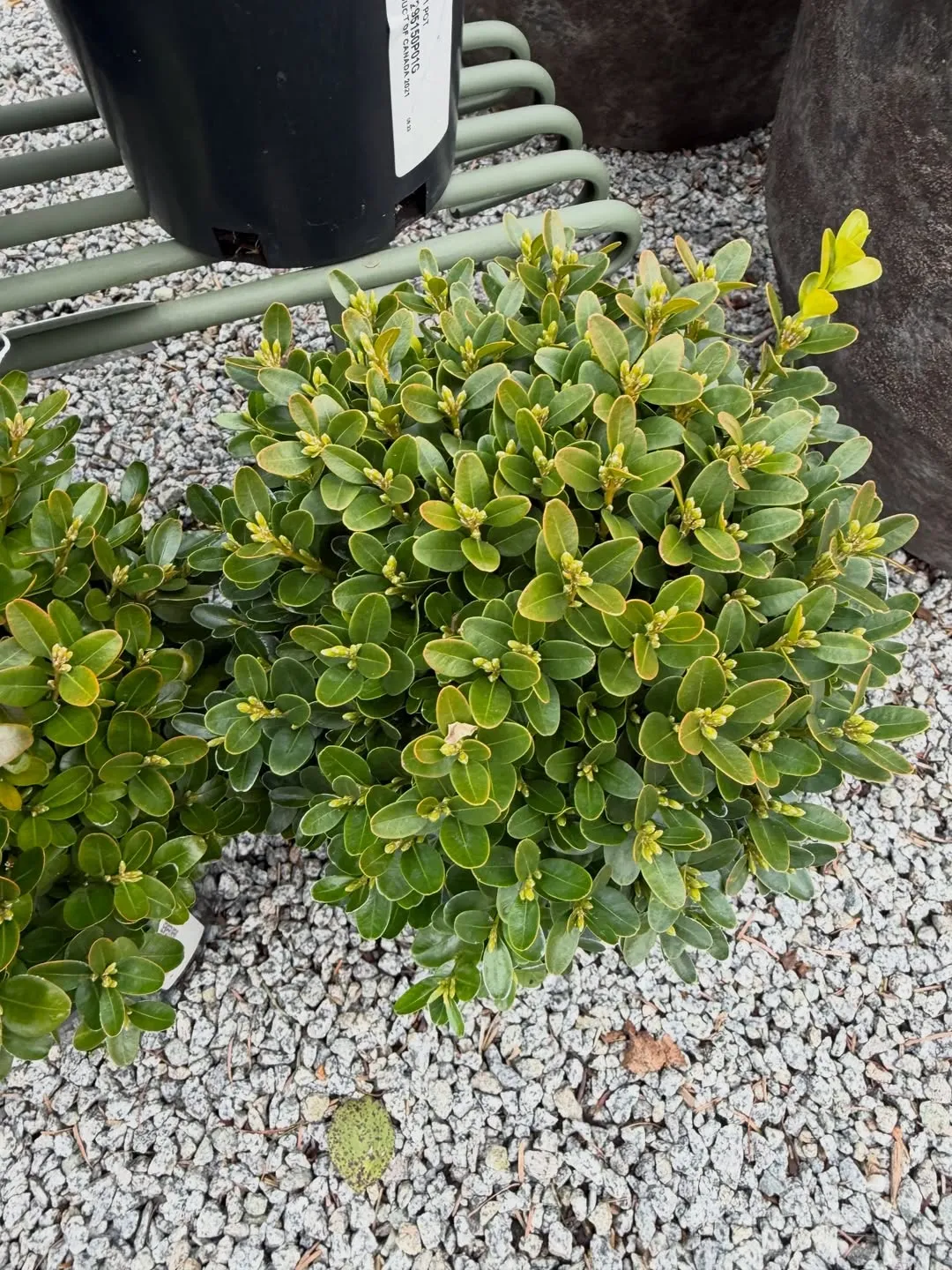
It is native to Western and southern Europe, western Asia, and northern Africa. It is a tall growing variety often used as hedges for better privacy due to its tall height. It takes time to achieve its height. If you trim the shrub, it can achieve a round shape. It can moderately tolerate heat and cold weather.
USDA Hardiness Zones: 5 to 8
Height: Grows between 5 to 20 feet tall
Sun Exposure: Need full sun to partial shade to thrive
2. Wintergreen Boxwood (Buxus sinica var. insularis 'Wintergreen')
It’s native to the Far East which is a fast growing type of boxwood shrubs that develop bronze coloration in winters.
USDA Hardiness Zones: 4 to 9
Height: Grows between 2 to 4 feet tall with more spread
Sun Exposure: Need full sun to partial sun to thrive
3. Japanese Boxwood (Buxus microphylla var. japonica)
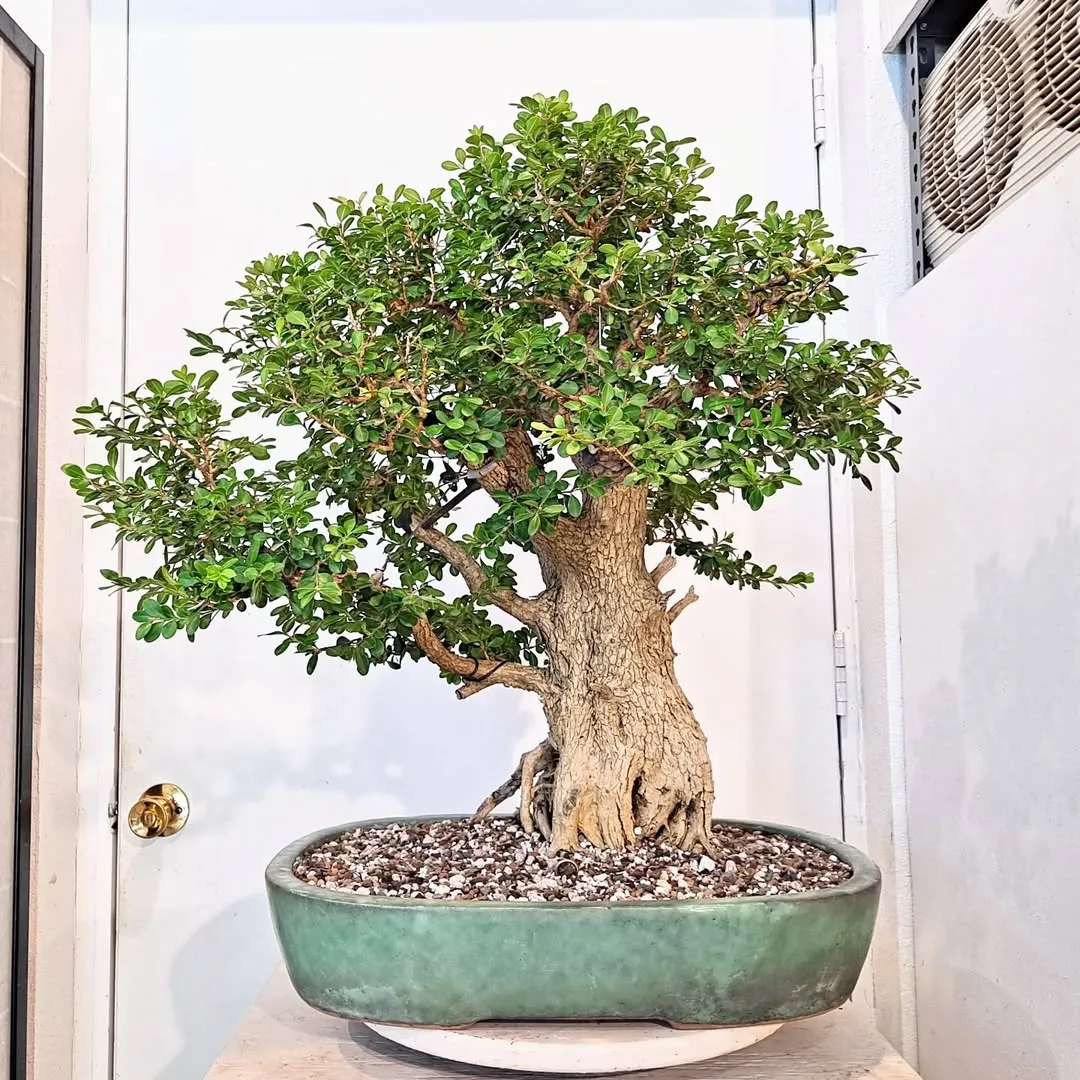
A native to the Far East, is a slow growing variety. It can tolerate heat and its leaves turn bronzy in winter.
USDA Hardiness Zones: 6 to 9
Height: Grows between 6 to 8.5 feet tall (with greater width )
Sun Exposure: Need partial sun to partial shade to thrive
4. Korean Boxwood (Buxus sinica)
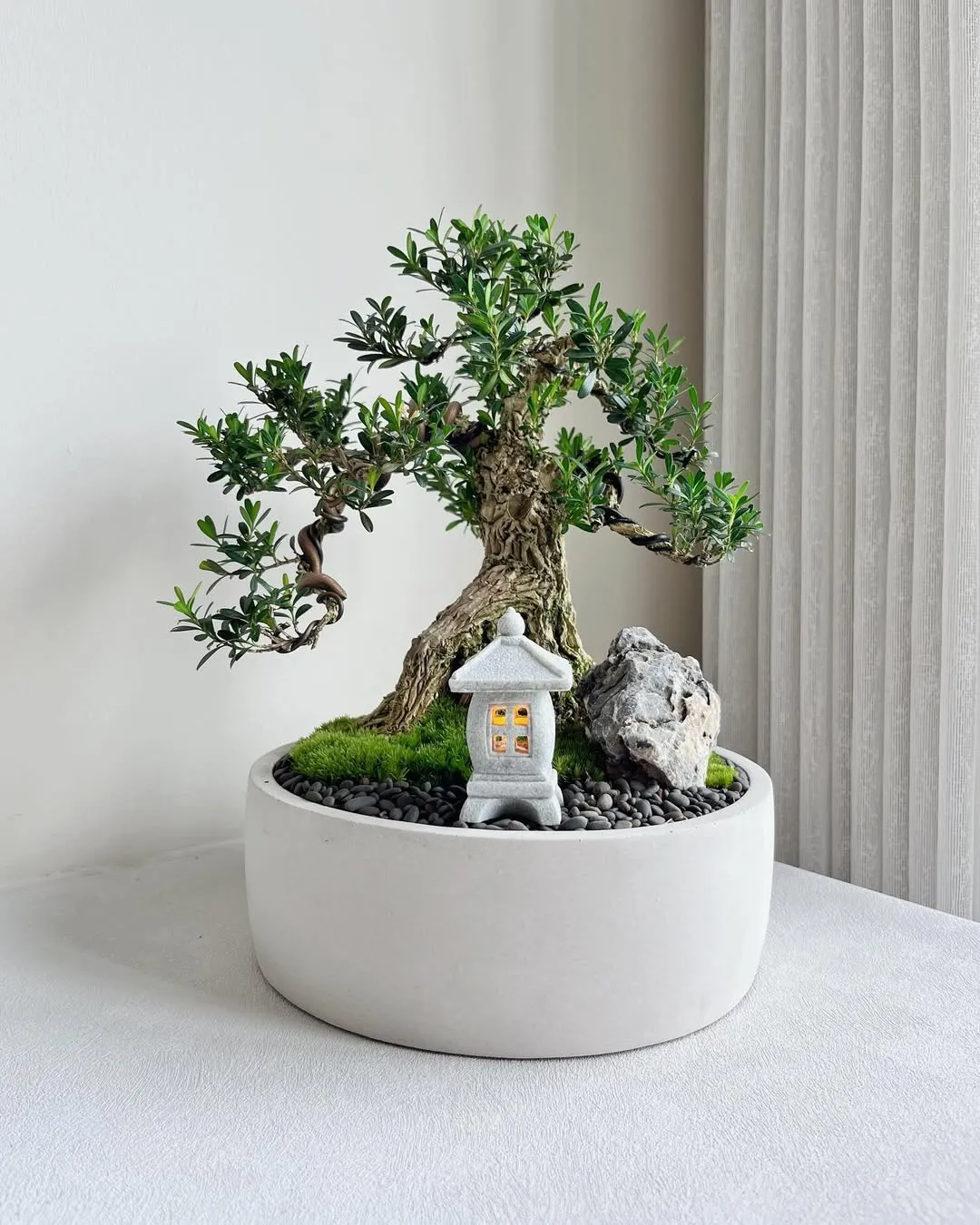
It is native to the Far East that grows slowly. Though it resembles Japanese boxwood, the leaves of Korean boxwood are smaller and even the overall size is smaller than Japanese variety. It is often used to create Bonsai.
USDA Hardiness Zones: 4 to 9
Height: Grows between 2 to 10 feet tall (with double the width )
Sun Exposure: Need full sun to partial sun to thrive
5. Winter Gem Boxwood (Buxus sinica var. insularis ‘Winter Gem’)
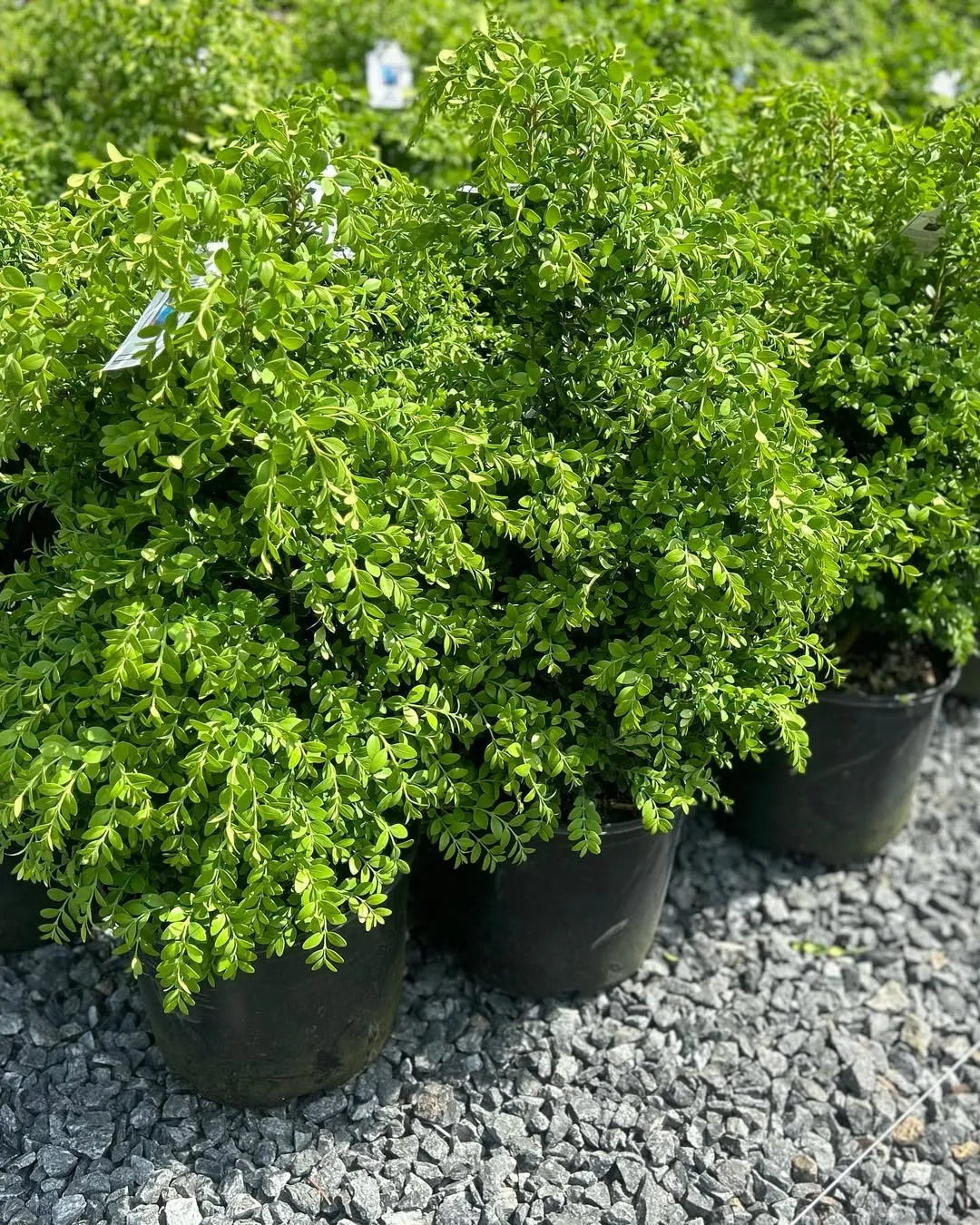
It’s a native to the Far East that grows slowly and bears a rounded shape known to retain its green color during the winter and to resist pests.
USDA Hardiness Zones: 5 to 9
Height: Grows between 2 to 3 feet tall
Sun Exposure: Need full sun to partial shade
6. Golden-Edged Boxwood (Buxus sempervirens 'Aureomarginata')
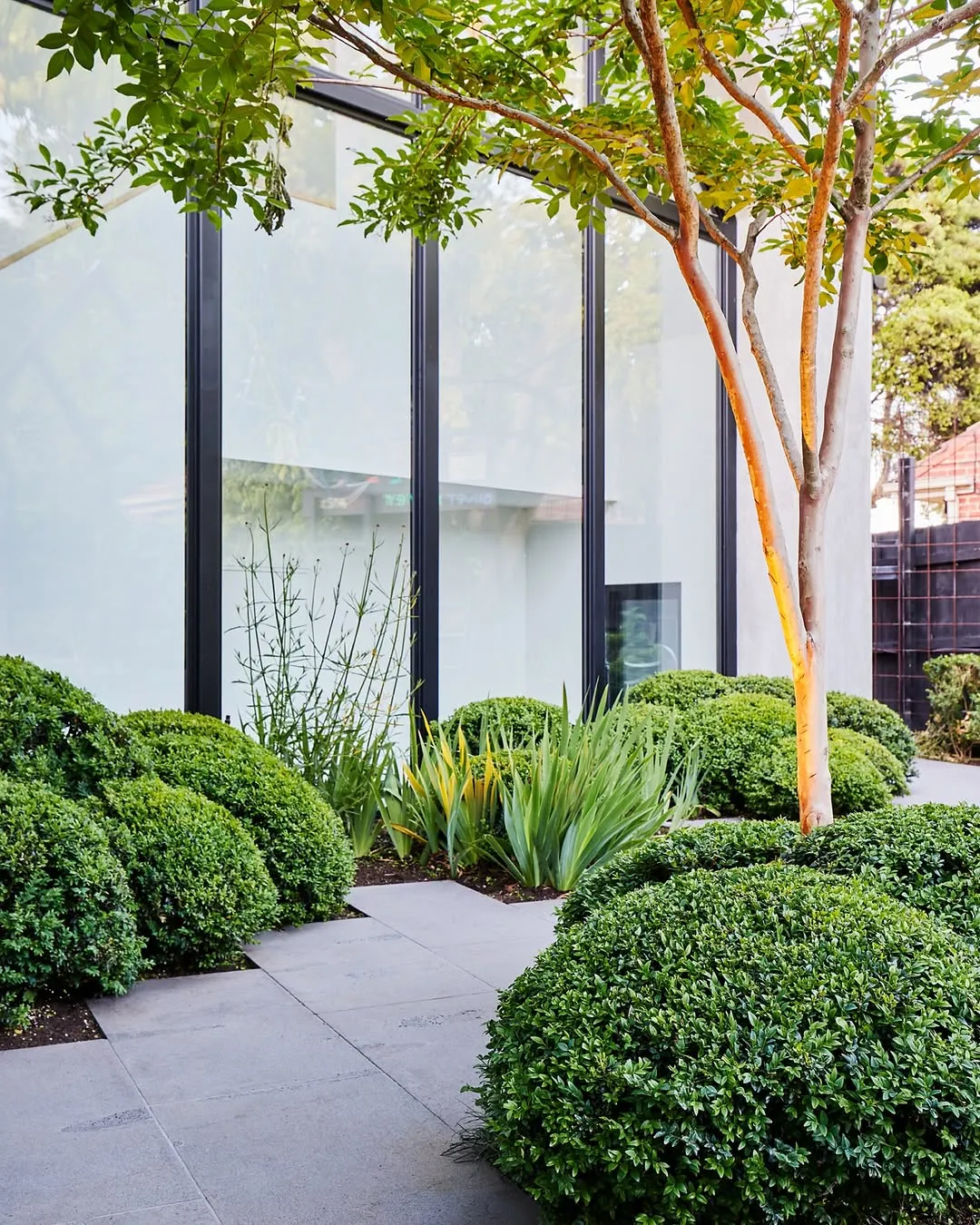
This is native to western and southern Europe and western Asia, and northern Africa that grows slowly and in round shape. An interesting fact is that these can be made to look like small trees by training into “standards”.
USDA Hardiness Zones: 6 to 8
Height: Grows between 8 to 10 feet tall
Sun Exposure: Need full sun to partial shade
Boxwood Shrubs Pros and Cons
Just like other shrubs, boxwoods too have pros and cons. Here are the pros and cons.
Pros
- Resistance to extreme cold- Boxwoods are best suited for extreme cold weather because they can thrive even in low temperatures.
- Green foliage throughout the year- One of the best features of boxwood is that they retain their foliage all year round, adding greenery to the landscape even in winters when all other plants get dormant.
- Versatile- Due to their dense growing habit, they are used as a privacy screen in the form of hedges, borders, topiaries and foundation planting.
- Low-maintenance- Once established, it requires bare minimum maintenance. It need minimum pruning and its resistant to drought.
- Resistant to deer- It is deer resistant, so homeowners prefer to grow boxwoods if they stay in areas with huge deer populations.
Cons
- Susceptible to boxwood blight- Boxwoods are prone to a fungal disease, “boxwood blight” which is not easy to manage and it can cause severe damage to plants. It can lead to the death of plants. Boxwood blight requires warm and humid conditions to thrive.
- Need well-drained soil- It prefers well drained soil to thrive. Hence, in areas with alkaline soil, soil preparation is needed for best growth.
- Prefers full sun- Most of the boxwoods prefer to grow in full sun to partial shade. Therefore, areas with varied sunlight face the challenge of sunburn or uneven growth.
- Need regular watering- It needs regular watering for healthy and stress free growth. Hence, it gets difficult to grow boxwoods in areas with scarce water.
It grows slowly- Boxwoods have slow growth rate in colder regions. You need to have immense patience to see them grow to their desired shape.
Soft Touch Holly or Its Alternative
Large gardens are replacing their boxwood with holly alternatives. Gardeners comparing evergreen hedge options may also want to consider Arborvitae spacing, especially when planning a dense privacy screen and determining how much room each plant needs. Het Loo Palace, a famous restored 17th-century garden, replaced all their diseased boxwood with holly alternatives. The holly varieties serving as boxwood alternatives come primarily from two species: Japanese Holly (Ilex crenata) and Inkberry Holly (Ilex glabra). If faster screening is a priority, Fast-growing privacy trees can provide another option for creating a natural barrier around a large yard.
Soft Touch Holly
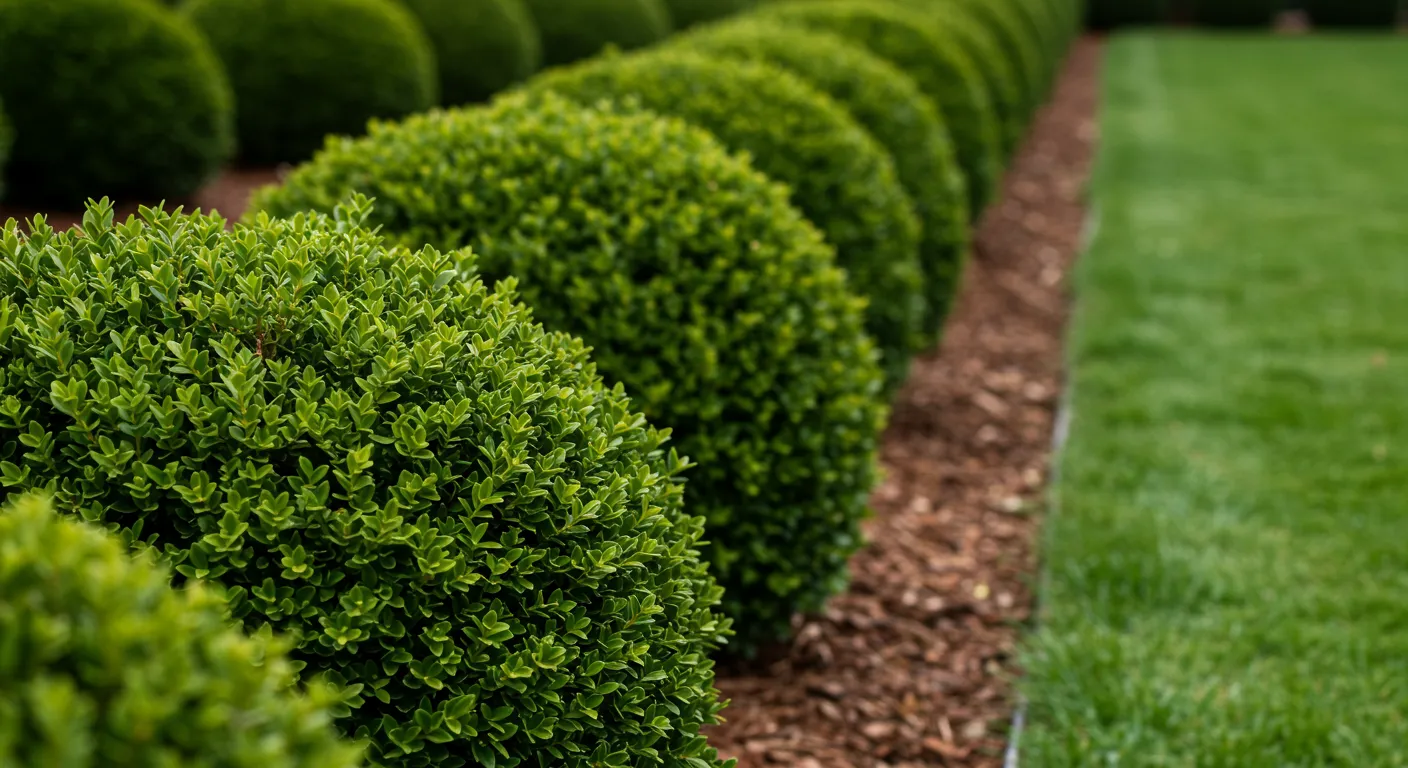
Soft Touch Holly is a cultivar of Japanese Holly (Ilex crenata), part of the Aquifoliaceae family, which includes roughly 560 species worldwide. As the name suggests, Soft Touch Holly has smooth and glossy leaves that lack the sharp spines of traditional hollies.
Inkberry Holly
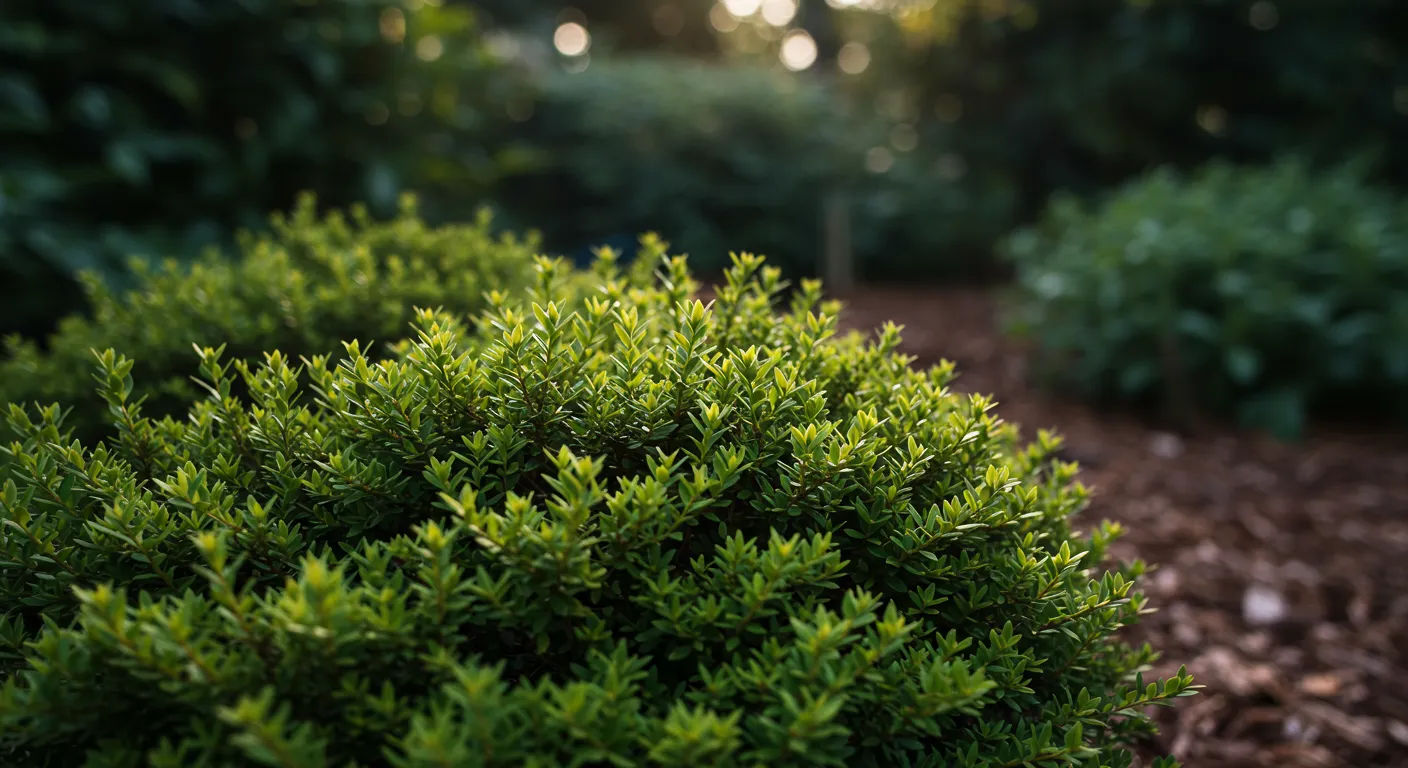
Inkberry holly is the closest look-alike to boxwood, especially certain varieties bred to mimic its appearance. These have small, soft, oval-shaped leaves that resemble boxwood more than traditional holly. It grows a bit faster than boxwood but doesn't handle drought well. These varieties usually grow 2 to 3 feet tall and prefer moist or acidic soil.
Types of Holly Bushes
1. American Holly (Ilex opaca)
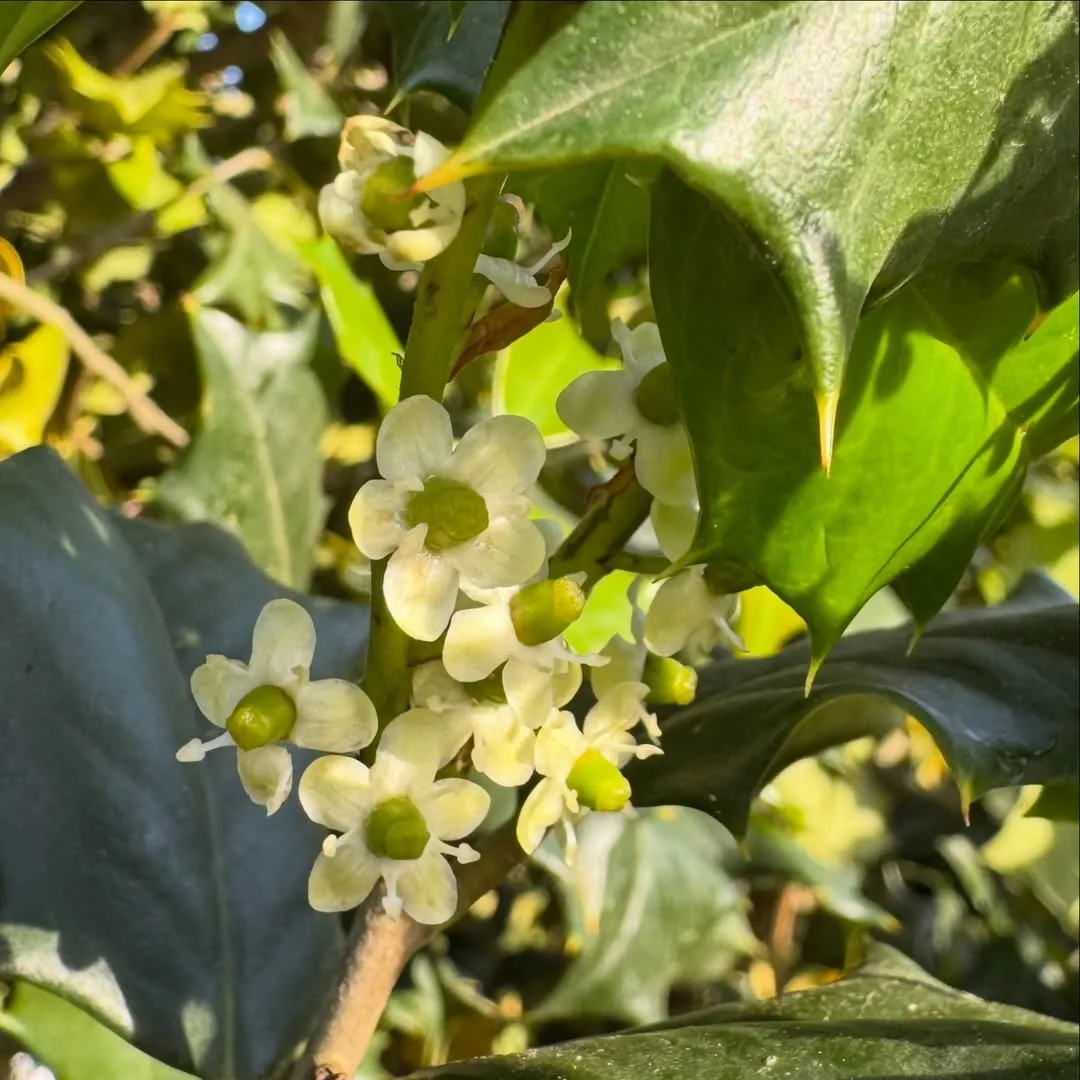
A native to the Southern and Eastern United States, American holly is used in Christmas decoration. It has spinny toothed leaves with abundant red berries and it is self pollinating with male and female flowers on the same plant. Choose the “Canary Variety” of American holly, if you want yellow fruit.
USDA Hardiness Zones- 5-9
Height- It grows between 15-60 feet tall
Sun Exposure- It requires full sun to partial shade
2. Carolina Holly (Ilex ambigua)
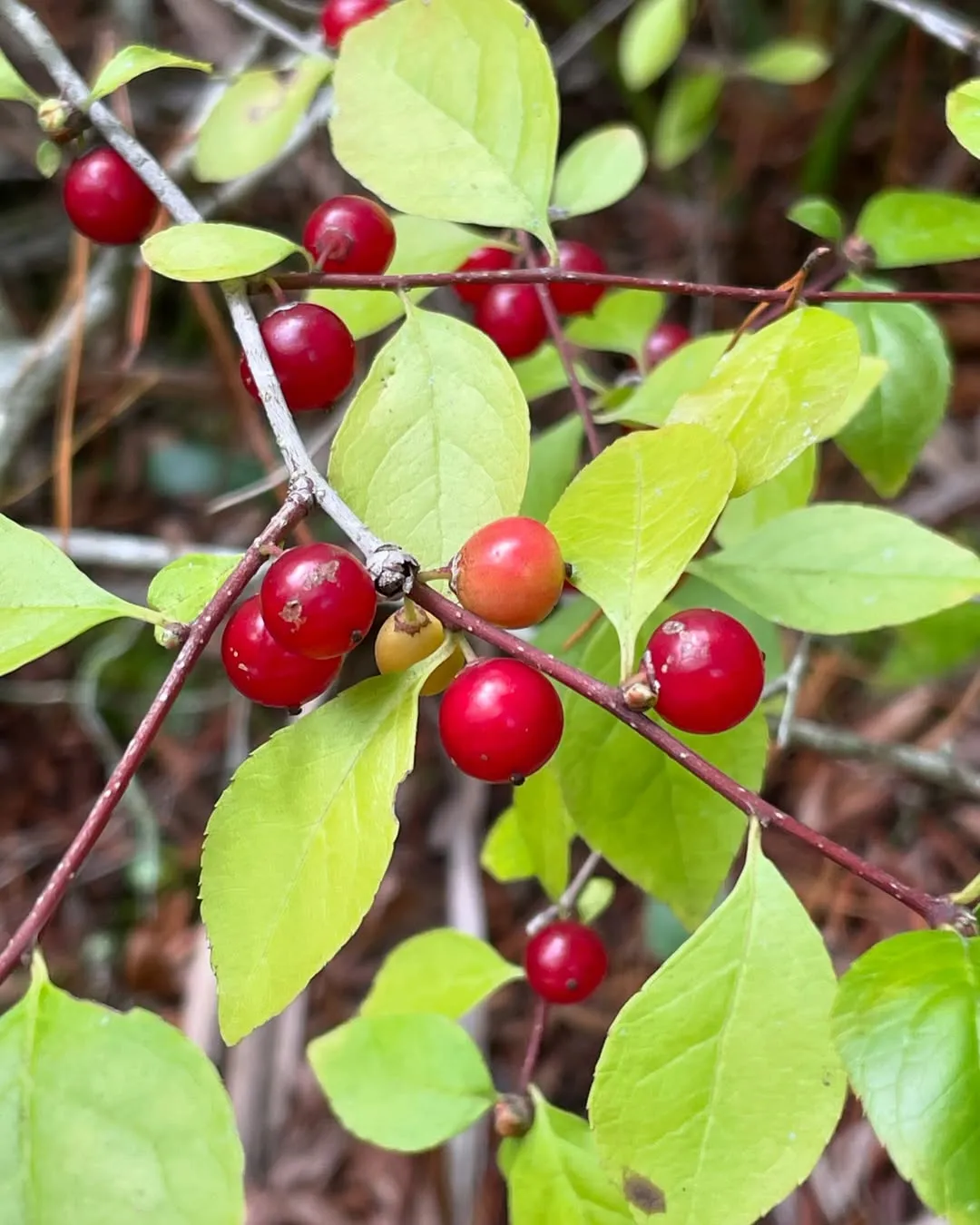
A native to Southeastern United States is a deciduous species of holly with an irregular shape and grows in sandy soils. It produces bright red fruits in August or September. It is considered visually uninteresting because berries fall off, but the exfoliating lustrous dark brown to black bark add some winter interest,
USDA Hardiness Zones- 7-9
Height- It grows between 15-20 feet tall
Sun Exposure- It requires full sun to partial shade
3. Chinese Holly (Ilex cornuta)
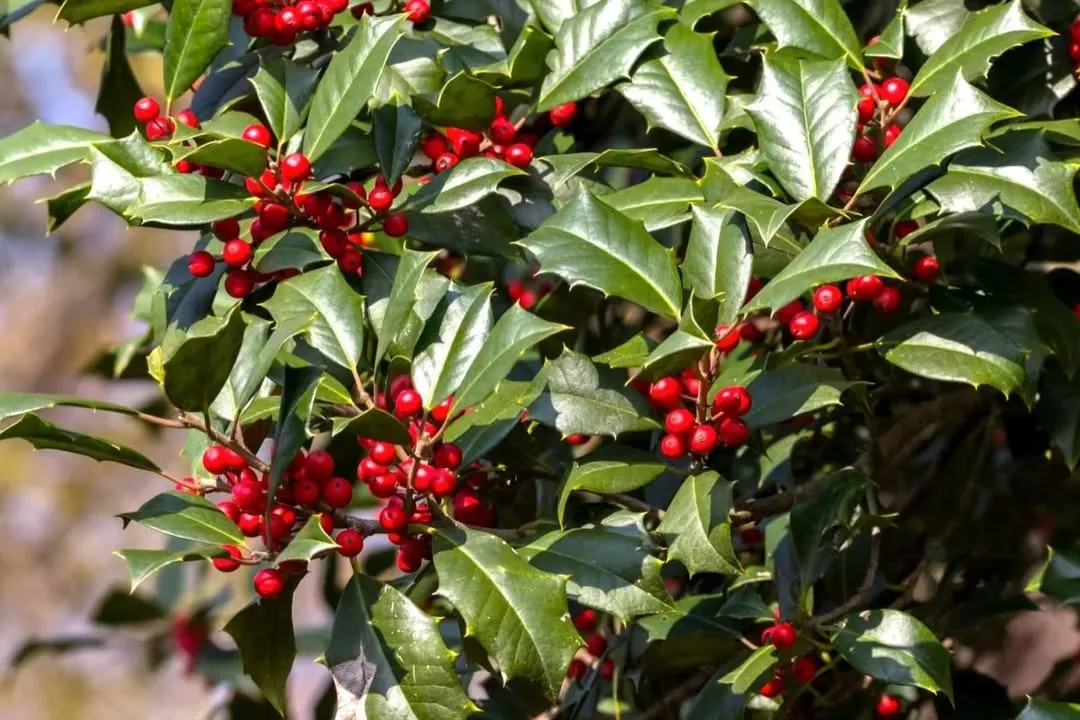
It is native to China and Korea which is often used for a pruned privacy hedge. It is an evergreen shrub that can resist drought, once it’s established. The leaves have a rectangular shape with three of the spiny lobes sticking out, resembling the bull horns. The leaves are hairless, leathery with waxy texture and shiny appearance. Though the yellowish-green flowers are small, it has a nice fragrance.
USDA Hardiness Zones- 7-9
Height- It grows between 8-15 feet tall
Sun Exposure- It requires full sun to partial shade
4. English Holly (Ilex aquifolium)
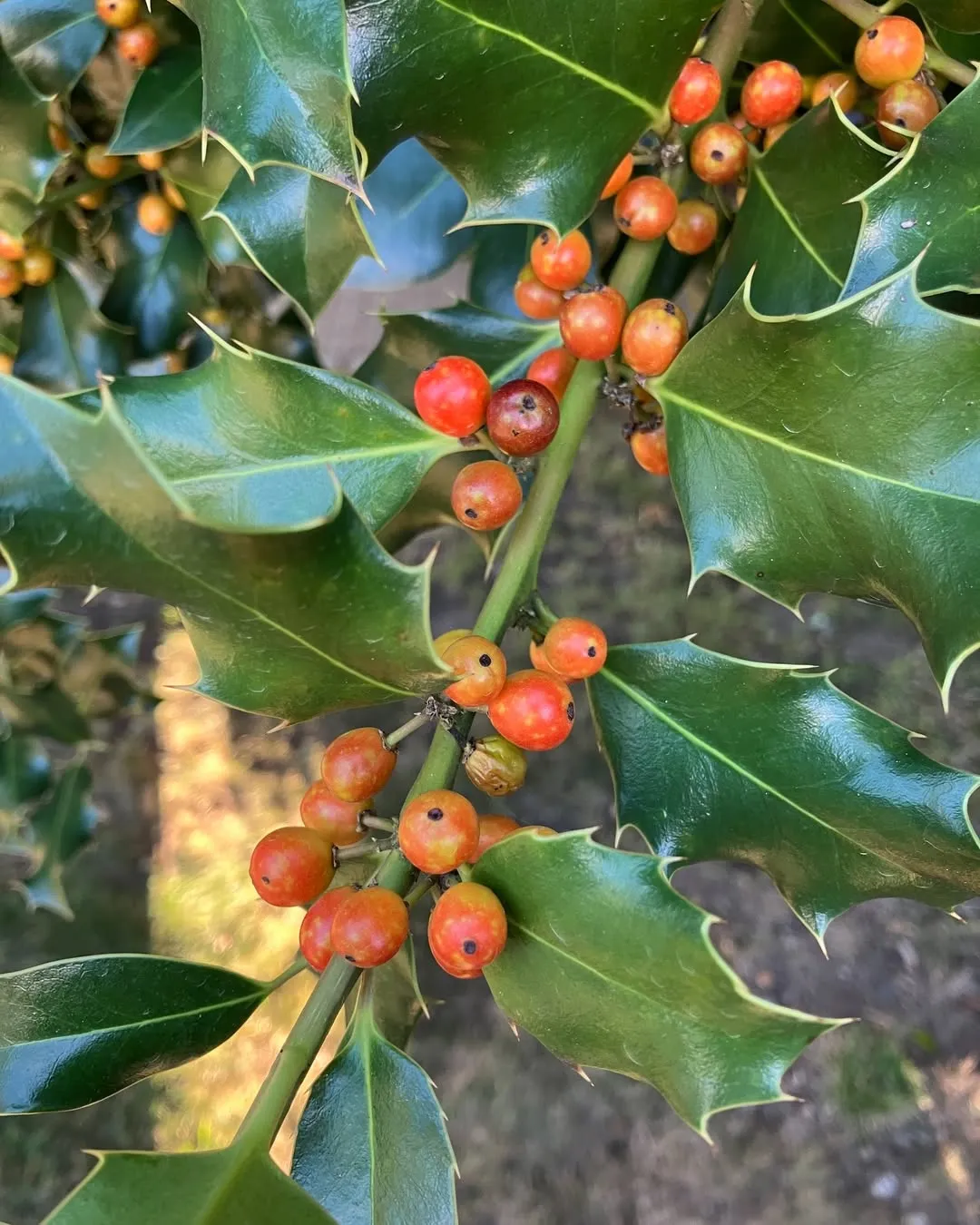
It is native to Europe, Asia and Africa that grows slowly. It has dense branches with erect and pyramidical growth patterns. There are more than 200 cultivars of English Holly, out of which some cultivars have variegated leaves or golden/apricot fruits.
USDA Hardiness Zones- 5-9
Height- It grows between 30-50 feet tall
Sun Exposure- It requires full sun to partial shade
5. Hawaiian Holly (Ilex anomala)
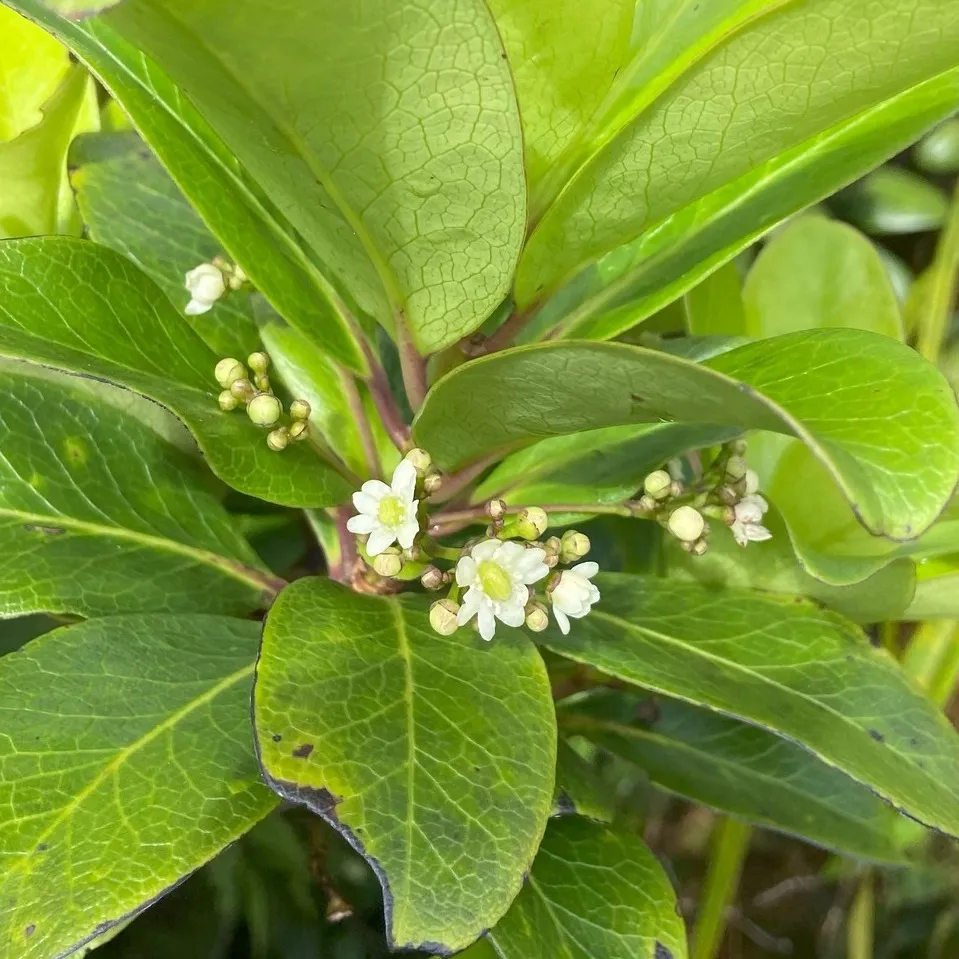
It is native to Hawaii islands that grows in wet forests and open bogs. It can grow as a large shrub with dark green oval shaped leaves and purple black fruits. It requires consistent moisture in the landscape.
USDA Hardiness Zones- 11-12
Height- It grows between 30-40 feet tall
Sun Exposure- It requires full sun to partial shade
6. Inkberry (Ilex glabra)
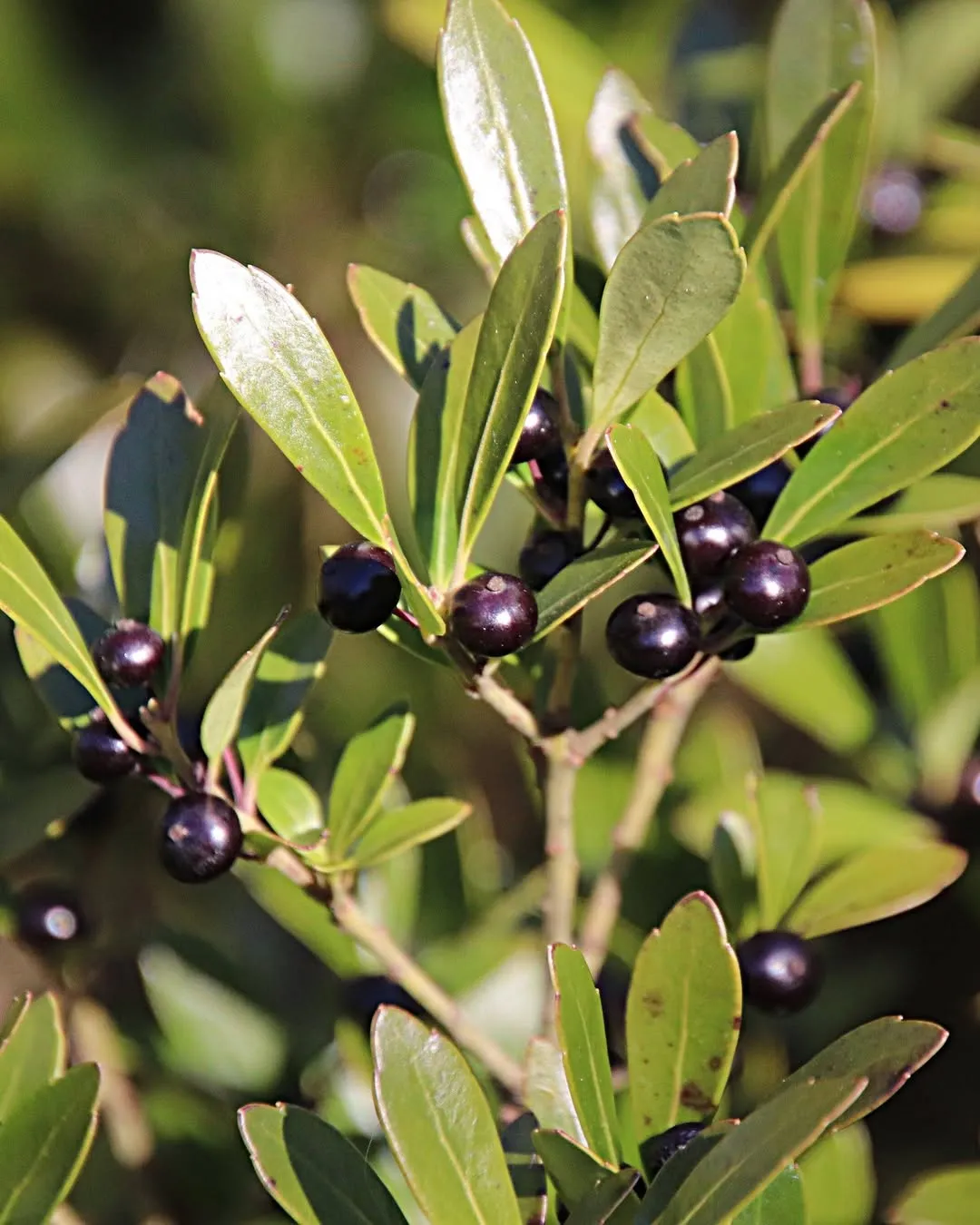
It is native to the Eastern and south-central United States and best suited for areas with damp soil. It grows slowly with broadleaf and rounded to upright growth habit. It has got its name “inkberry” because the plant produces black fruit on the female plants. There are other cultivars too that produce white fruit, including “Ivory Queen” and “Leucocarpa”, but leaves don’t have spines. The cons of these cultivars is that they're prone to developing suckers, so you need to remove them before they spread.
USDA Hardiness Zones- 4-11
Height- It grows between 5-10 feet tall
Sun Exposure- It requires full sun to partial shade
Soft Touch Holly Pros and Cons
Just like boxwood shrubs, this too has pros and cons which are discussed below.
Pros
- Soft foliage- Foliage has soft texture and non-prickly that makes it best suited for walkways.
- Minimum maintenance- It is a low maintenance shrub because it grows in a tidy and mounding shape.
- Resistant to deer- It is not liked by deer, so it’s safe to grow this shrub in areas with high numbers of deer.
- High adaptability- It is a versatile shrub that grows in various soil types and thrives in full sun to partial shade.
- Visually appealing- The dark green foliage with occasional black berries extend an evergreen appeal all year round.
Cons
- Sensitive to pH-If it is planted in soil with high pH, it can lead to yellowing leaves.
- Prone to pests- It is prone to spider mites, aphids and black vine weevil.
- Takes time to establish- It grows slowly and takes time to establish.
- Requires moisture- Though it is adaptable, it needs moisture to thrive in hot summers.
Soft Touch Holly vs Boxwood: Leaves, Flowers, Berries & Soil
Leaves
Boxwood bears smooth, medium-green, oval-shaped leaves (0.5–1.5 inches long). Over winter, they can be slightly pale or yellow.
Soft Touch holly has glossy, dark green oval-shaped leaves (0.5–1.25 inches long) that feel delightfully soft.
Flowers
Boxwood's blooms are tiny, yellow-greenish in colour. They are star-shaped and monoecious in nature, meaning both male and female flowers are on the same shrub.
Soft Touch Holly, in contrast, has small white flowers and is dioecious in nature, meaning male and female on separate plants.
Berries
Boxwood develops small, round brown capsules that split to reveal shiny black seeds. They are a food source for birds, but can be toxic to humans.
Female Soft Touch Holly can produce glossy black berries about ¼ inches in diameter. While birds may eat them, they are harmful to pets and humans.
Soil Preferences
Boxwood prefers neutral to slightly acidic and well-drained soil. They do not prefer too wet or too dry soil as they both cause problems. Consistent watering is important during dry periods, but it is just as crucial to avoid overwatering.
Soft Touch Holly prefers slightly acidic and organically rich soil. It can tolerate humid heat and is not fond of wet or badly-drained soil. Both plants seem to prefer slightly acidic soil, but holly is more adaptable to various soil types.
Soft Touch Holly vs Boxwood in a Nutshell
| Features | Boxwood | Soft Touch Holly |
| Leaves |
Smooth Medium-green Oval shaped |
Glossy Dark green Oval shaped |
| Flowers |
Tiny Yellow-green star-shaped Monoecious in nature |
Small white flowersDioecious in nature |
| Berries | Small brown capsules with shiny black seeds | Glossy black berries (¼ inches in diameter) |
| Soil Preferences | Neutral to slightly acidic Well-drainedAvoid overly wet or dry conditions | Slightly acidicDislikes poorly drained soil |
Conclusion
The decision between Soft Touch Holly and boxwood ultimately comes down to your specific circumstances and priorities. Gardeners planning a broader landscape can also pair these evergreen shrubs with flowering plants and compare different Magnolia varieties for seasonal color and visual interest. Boxwood suits low-maintenance gardens in disease-free regions. But, holly alternatives definitely offer compelling advantages: faster establishment, better disease resistance, and broader climate adaptability!