Boxwoods are hardy evergreen shrubs often used as borders along driveways and walkways. Just like any other shrub, boxwood, too, requires pruning to maintain good health and visual appeal. Pruning provides a cleaner, more defined look for boxwood. However, homeowners' primary concern is finding ways to prune, the right time to prune, and related concerns. This blog covers all these to guide you in pruning at the right time and using the right technique.
Signs Your Boxwood Needs Immediate Pruning
There are several ways to tell when it’s time to prune your boxwood. Here are the ways.
Fungus: One sign that boxwood needs immediate pruning is curled or undersized leaves.
Overgrown Branches: The overgrown branches indicate that it’s time to prune the shrub. You may have missed trimming those branches a while ago, which have overgrown.
Spring Time: Cleaning and trimming in spring is a routined annual task that most of the gardeners do.
Tiny Shoots Emerging From Buds: When you notice tiny shoots emerging from the inactive basal buds along the boxwood branches, it’s an indication that you should shear the plant’s exterior lightly and gently for fresh leaf development.
The Best Time of Year to Prune Boxwoods
The Best Pruning Time is Mid: to late spring, as spring boosts the growth of new stems and prepares them to tolerate cold weather. Within a few weeks, you can see new growth depending on the temperature and the location of your garden. Never prune in late summer, fall, or winter because pruning will boost new growth during freezing temperatures, leading to winter damage.
| Notes | As soon as you notice any dead or damaged branches, remove them, whether it’s spring or any other time of the year. |
When You Should Avoid Trimming Boxwoods?
You should avoid trimming and pruning boxwoods during late summer, fall, or winter. This is because pruning in these seasons promotes tender new growth just before the freezing temperatures that can result in winter damage.
How Often Should You Trim Boxwoods Each Year?
The frequency depends on the look you want to achieve. If you want a formal-shaped look, prune boxwoods every spring to achieve the desired clean lines. Whereas, for a natural look, prune them every couple of years to keep boxwood within the defined lines.
Tips for Trimming Boxwoods
Here are the tips to follow to maintain healthy and vibrant boxwoods:
-
Use sharp blades for pruning, as blunt blades can crush stems rather than cut them.
-
Avoid pruning on rainy and damp days to prevent the risk of fungal disease. Prune when foliage is dry.
-
Make small, selective cuts to branches from inside the plant rather than shearing off large sections.
-
Regular thinning improves the air circulation and promotes healthy growth. Hence, thin out the dense part by cutting back branches to the main stem.
Shearing vs Thinning: Timing for Different Trimming Methods
Shearing and thinning are the two methods of trimming boxwoods. However, the technique used and the timing of pruning vary depending on the shrub’s conditions. You may have to use the shearing method more than once in a growing season to achieve an ornate shape. Here is the detailed information on both methods.
Shearing Method
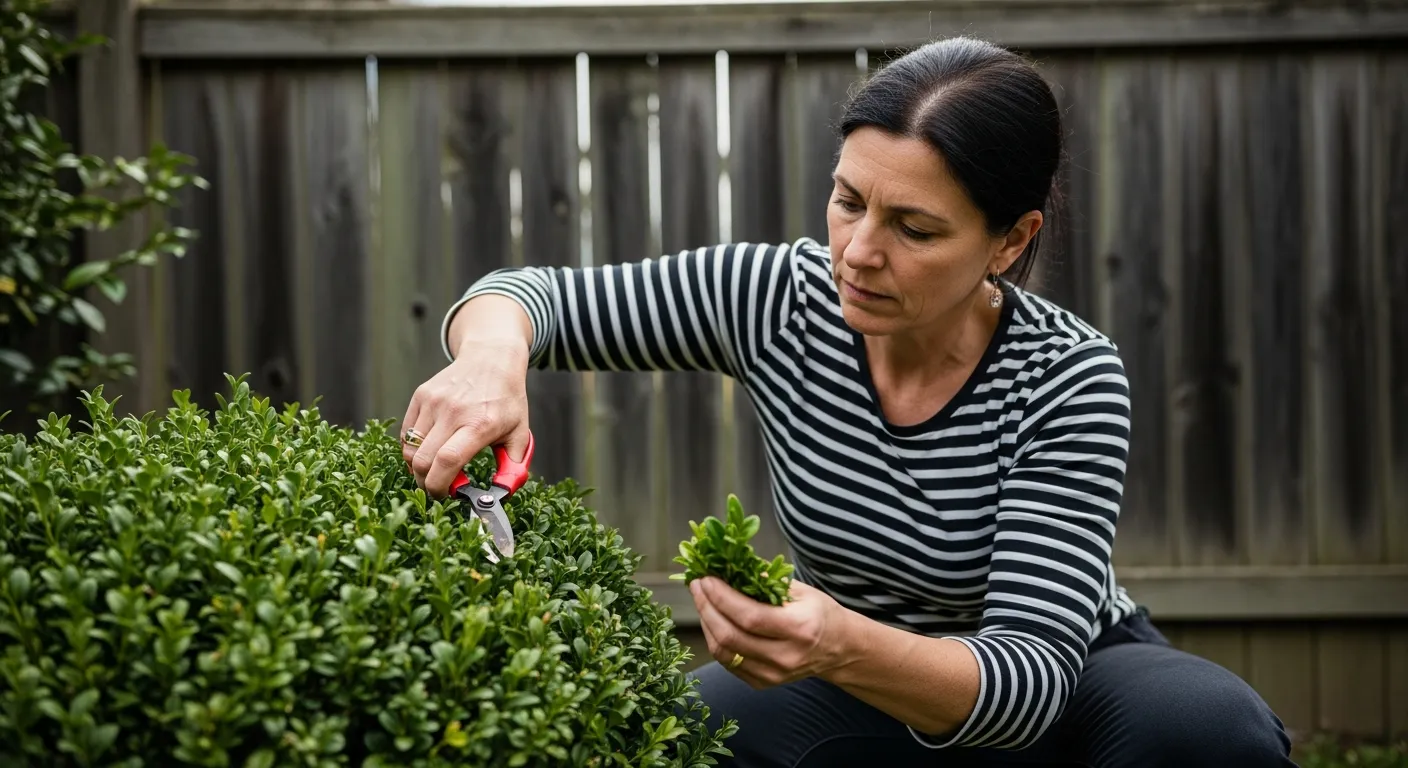
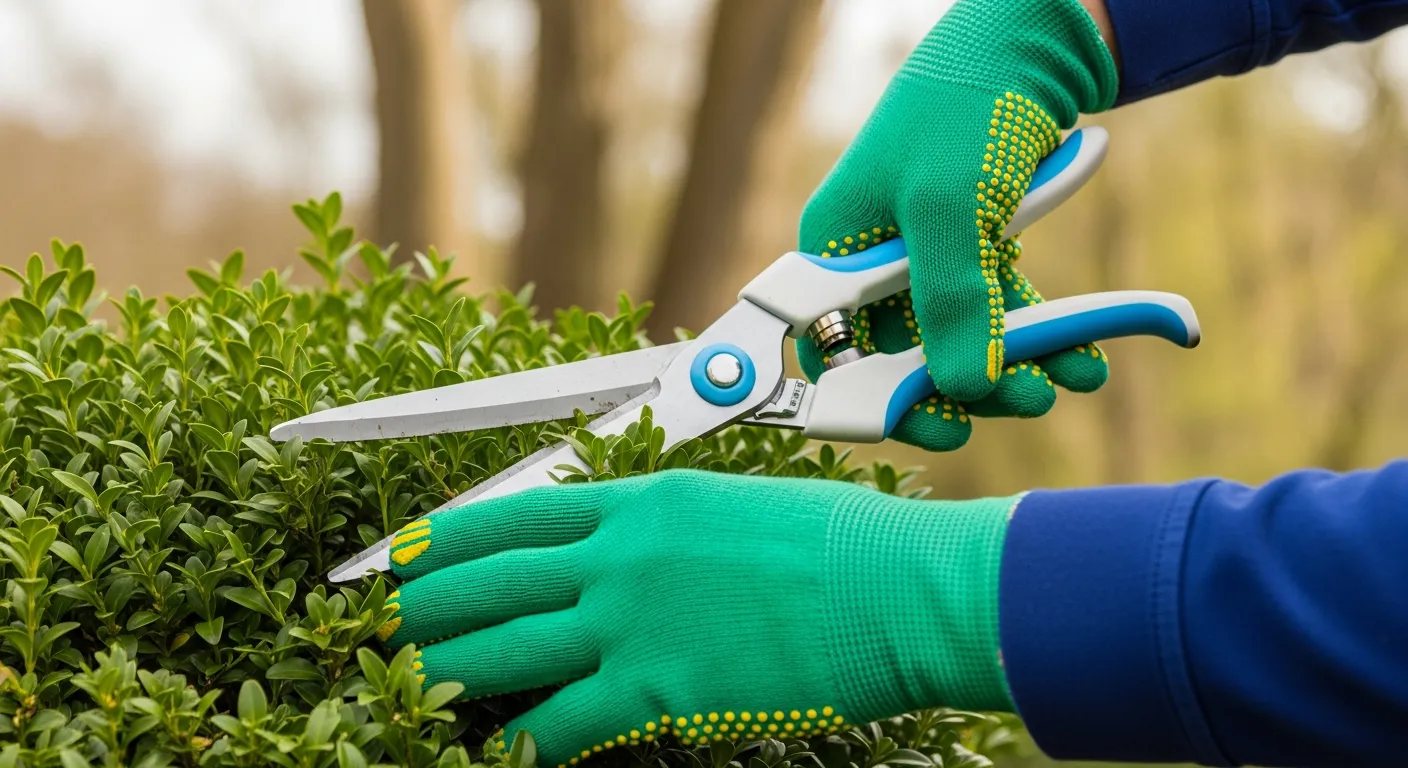
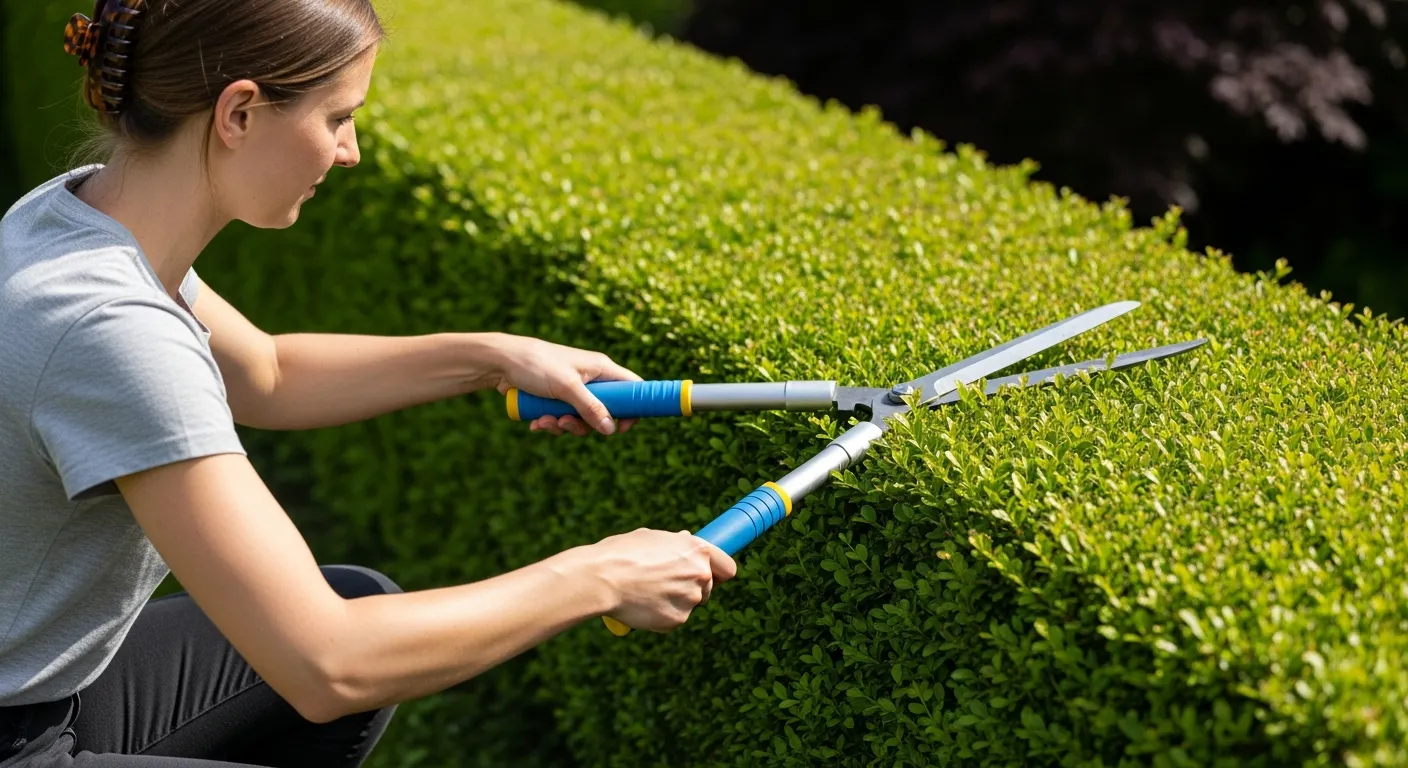
Shearing boxwoods can trigger new plant growth, for which you can either use garden shears or electric hedge clippers for trimming from early to mid-spring. As a result, the exterior surface of the boxwood shrub will attain clean lines.
| Some Tips | Use a tool with clean blades to avoid diseases like “boxwood blight”. |
Thinning Method
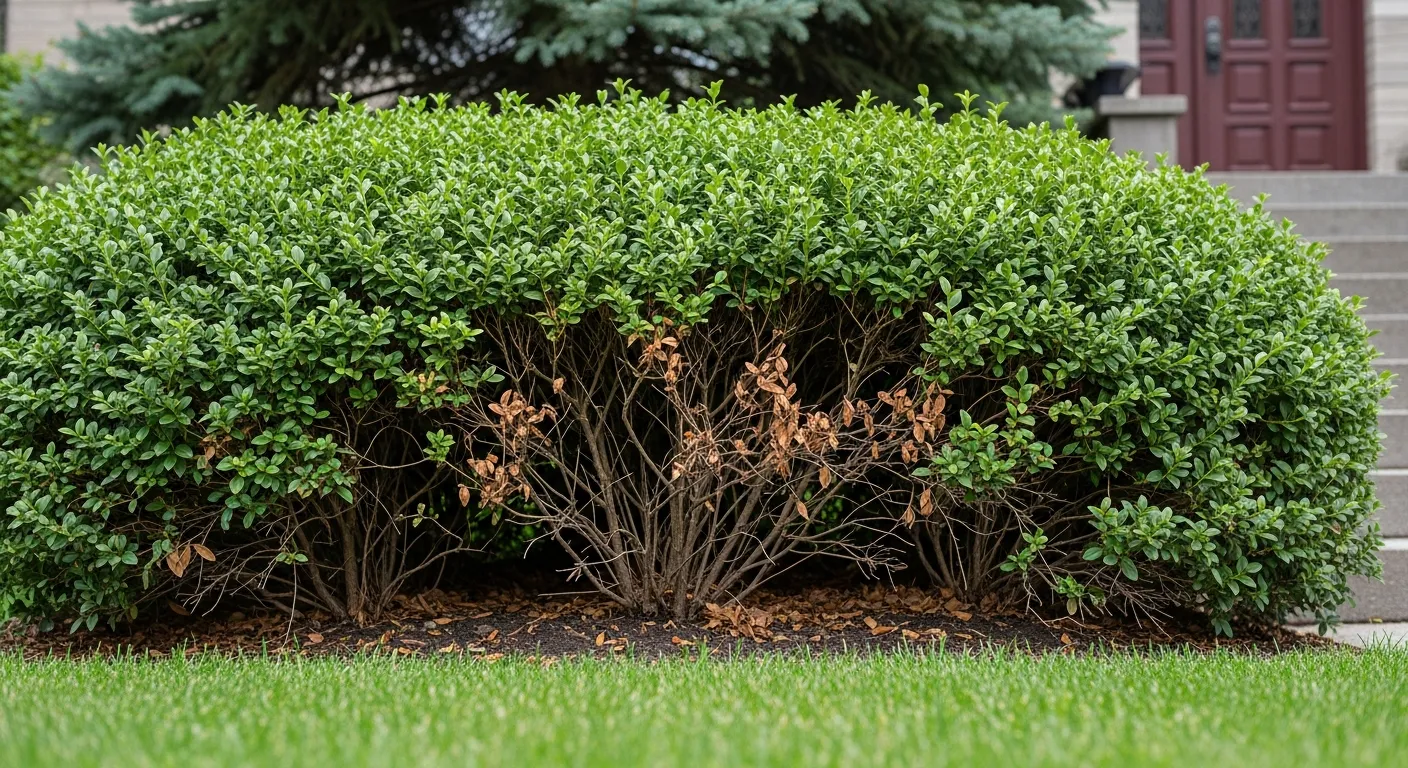
The “Thinning method” or “selective pruning” is used to ensure the long-term health of boxwood shrubs. Thinning is the process of manually removing individual branches and cutting them back to just above a pair of side buds. The main objective of this method is to allow sunlight and air to reach the center of the shrub while maintaining the plant's natural shape. Remove all the unhealthy small branches to trigger better growth.
Thinning helps achieve a thick, lush green shrub because, soon after pruning, side buds develop into two new shoots. The right time for thinning is before new growth emerges.
Styles of Trimming Boxwoods
There are two styles of trimming boxwoods. Here is the detailed information:
Formal Boxwoods
Formally styled boxwoods are cut at 90-degree angles with a pyramid shape, narrow at the top and broad at the bottom. A distinct feature is its tilt, which is not noticeable but ensures that all sides of the boxwood get sufficient sunlight. In traditional-looking homes, boxwoods are trimmed into planes and straight lines, creating geometric shapes.
Natural Boxwoods
As the name suggests, boxwoods are trimmed to retain their natural shape and avoid a topiary look. The branches are trimmed, dead wood is removed, and the plant's surface is finished to a smooth finish, just like in the formal trimming style.
Conclusion
Pruning boxwood is essential to maintain its natural shape and ensure healthy growth. There are different ways to prune them, such as thinning and shearing. What matters the most is the right timing and the appropriate technique. Even if one goes wrong, it may affect the plant's growth.