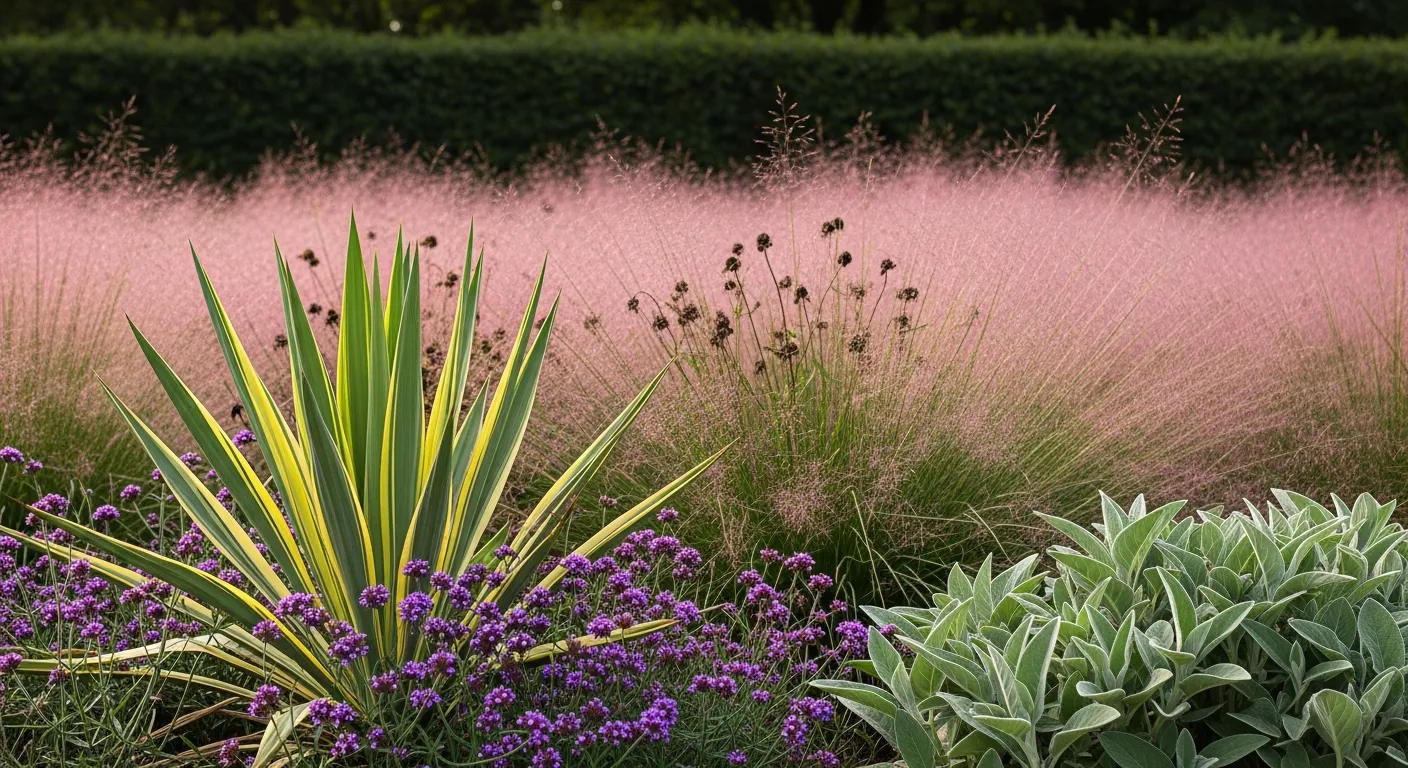
Also known as Muhlengergia capillaris, Pink Muhly Grass is an ornamental grass that grows up to 2-3 feet tall. The signature pink haze starts appearing from late summer to fall, which creates a soft ambience.
You can plant them in a container, along the borders, or on a small balcony. It brings in movement and texture, and adds soft hues of pink to the space, and can adapt to any growing conditions. It looks glamorous even with little maintenance.
This grass looks more beautiful and versatile when paired with the right companion plants. But the question arises, “What to plant with Pink Muhly Grass?” To help you choose the right companion, this guide discusses a few beautiful and vibrant options so that your garden looks exquisitely beautiful.
How to Grow and Care for Pink Muhly Grass?
It is best to plant Pink Muhly Grass in spring or fall before the first frost of the year. It grows wherever it is planted, but ensuring that it receives plenty of sun helps it grow to its full potential. If you have space available, then consider planting it in a location where it can receive at least 6-8 hours of sunlight every day.
When you plant it, it is important to consider the condition of the soil. Do not allow it to sit on soggy soil for too long, as it may cause root rot and various plant diseases. Another important factor to consider is how you plant them. When working with several plants, space Pink Muhly grass at least 2-3 feet apart to provide enough space for them to expand.
How to Grow Pink Muhly Grass?
When the growing conditions meet its native habitat, Pink Muhly Grass performs best. It should be planted in early spring or early fall before the first frost, as it allows the roots to establish better. Though the plant can adapt to any environment, it can grow strong and flower consistently when its essential growing requirements are met. Pink Muhly Grass can be planted in sandy, loamy, and clay soils, as long as the soil allows proper drainage.
Care Tips for Container-Grown Pink Muhly Grass
Pink Muhly Grass can also be planted in a container. But when you do, keep these things under consideration -
- Make sure the container has good drainage holes to prevent waterlogging.
- Because containers often lose moisture faster than garden beds, they may need frequent watering, especially during hot, dry weather.
- Prune the grass in late winter to promote fresh and vigorous growth as spring arrives.
How to Fertilize Pink Muhly Grass?
Fertilization is usually not required for Pink Muhly Grass. This is because if your soil becomes excessively rich in nutrients, then it may increase foliage growth and reduce flowering. Hence, it is advised to allow the plant to grow in leaner conditions, as well-drained and moist soil resembles its natural habitat and supports the development of the flowers.
What Makes a Good Companion Plant for Pink Muhly Grass?
A good companion plant is one that grows well along with the Pink Muhly Grass, without having to compete for water, sun, space, or nutrients. The best pairing ensures to balance the airy, vibrant pink plumes of the Muhly Grass. Here are some key characteristics of ideal companion plants -
- Drought Tolerance: Pink Muhly Grass is highly resistant to drought. They prefer dry to medium, well-draining soil. Any companion plant you choose must survive with less watering.
- Sun Requirements: Pink Muhly Grass loves full sun, and the plant you want to grow with Pink Muhly Grass must also prefer plenty of sunlight (at least 6-8 hours) to grow and perform well.
- Contrasting Colors and Textures: It is advised to pair Muhly Grass with summer-blooming perennials, or you can also opt for evergreen plants to make your garden more interesting visually.
Best Companion Plants for Pink Muhly Grass
Pairing Pink Muhly grass with complementary plants enhances the beauty of the garden with its fine texture and soft pink color. When planted with other plants, it introduces variations in form, height, and bloom timing. Here are some of the best companion plants for pink muhly grass -
Black-Eyed Susan

With bright yellow flowers and dark centers, black-eyed susans are considered the best companion for Pink Muhly Grass. This is a drought-tolerant, hardy plant that prefers to thrive in full sun and needs well-drained soil.
Coneflower
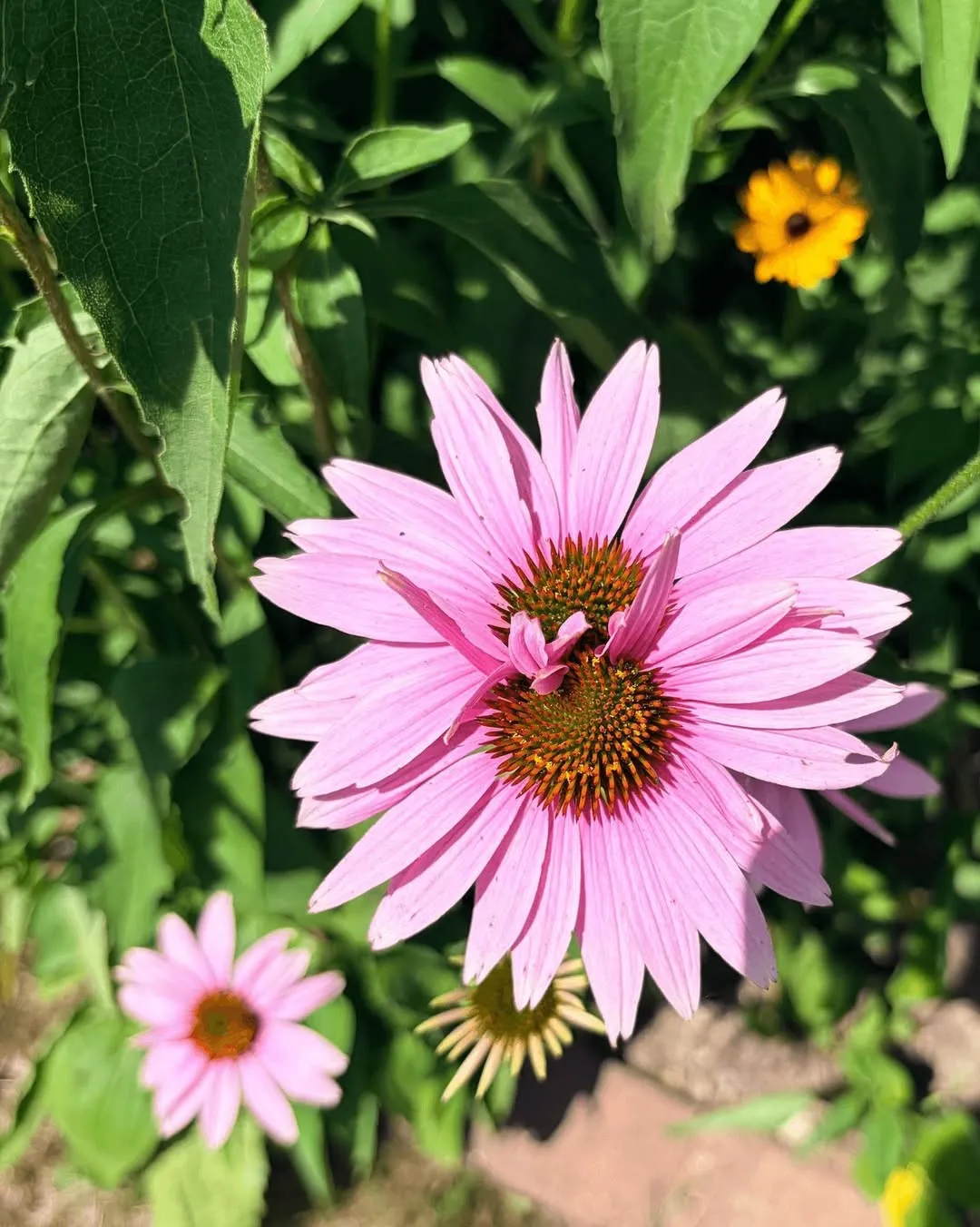
The coneflower, with its beautiful purple, daisy-like flowers, adds some color to the garden among the all-pink muhly grass. They need full sun and well-drained soil to thrive in, and just like Black-Eyed Susans, they are drought-resistant, too, which makes them the best companion for Pink Muhly Grass.
Lavender
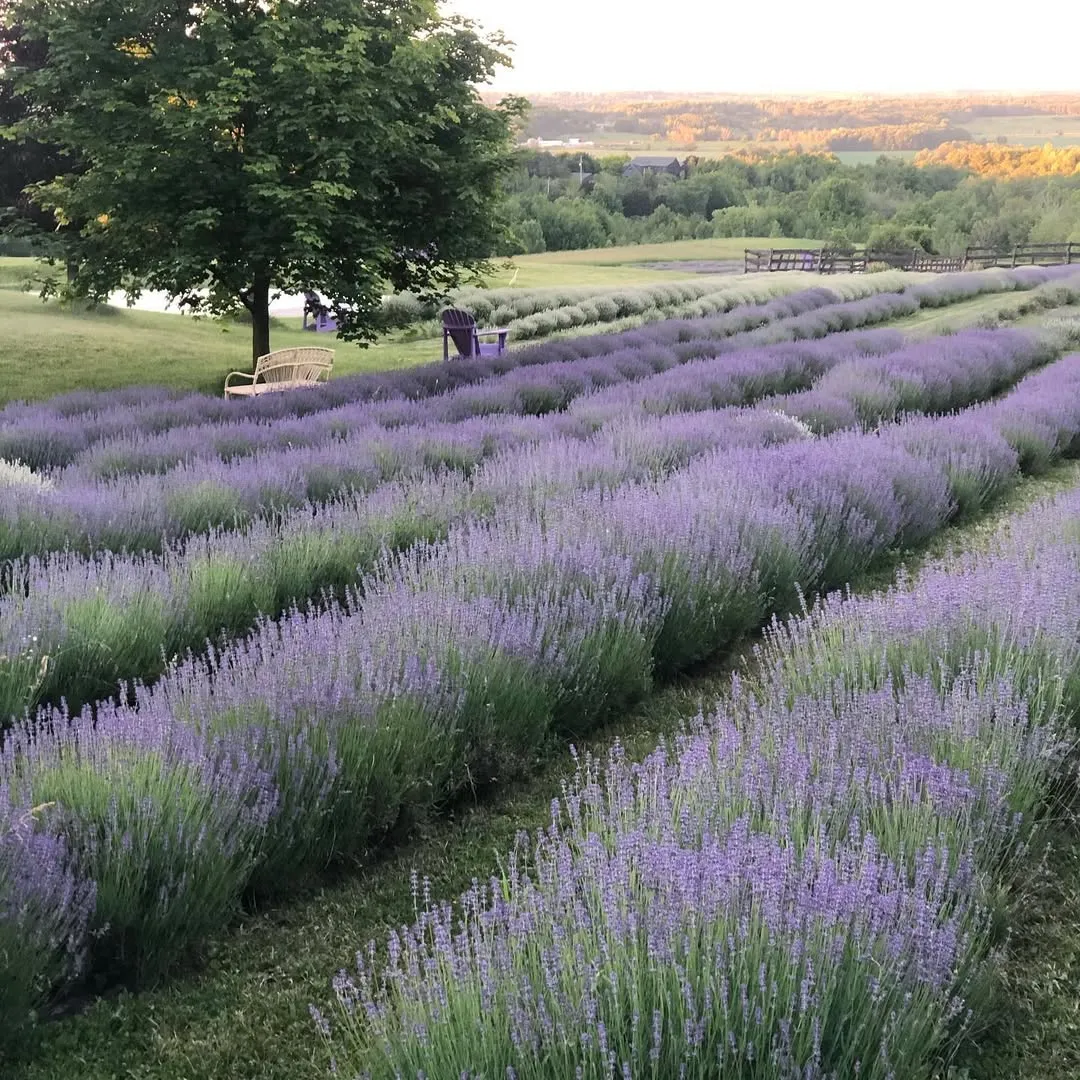
Known for its calm, aromatic purple flowers, lavender is considered best for Pink Muhly Grass because of its ability to tolerate drought. This plant loves full sun and well-drained soil, and the best part is that it is drought-tolerant and also attracts beneficial insects while keeping pests away from the garden.
Yarrow
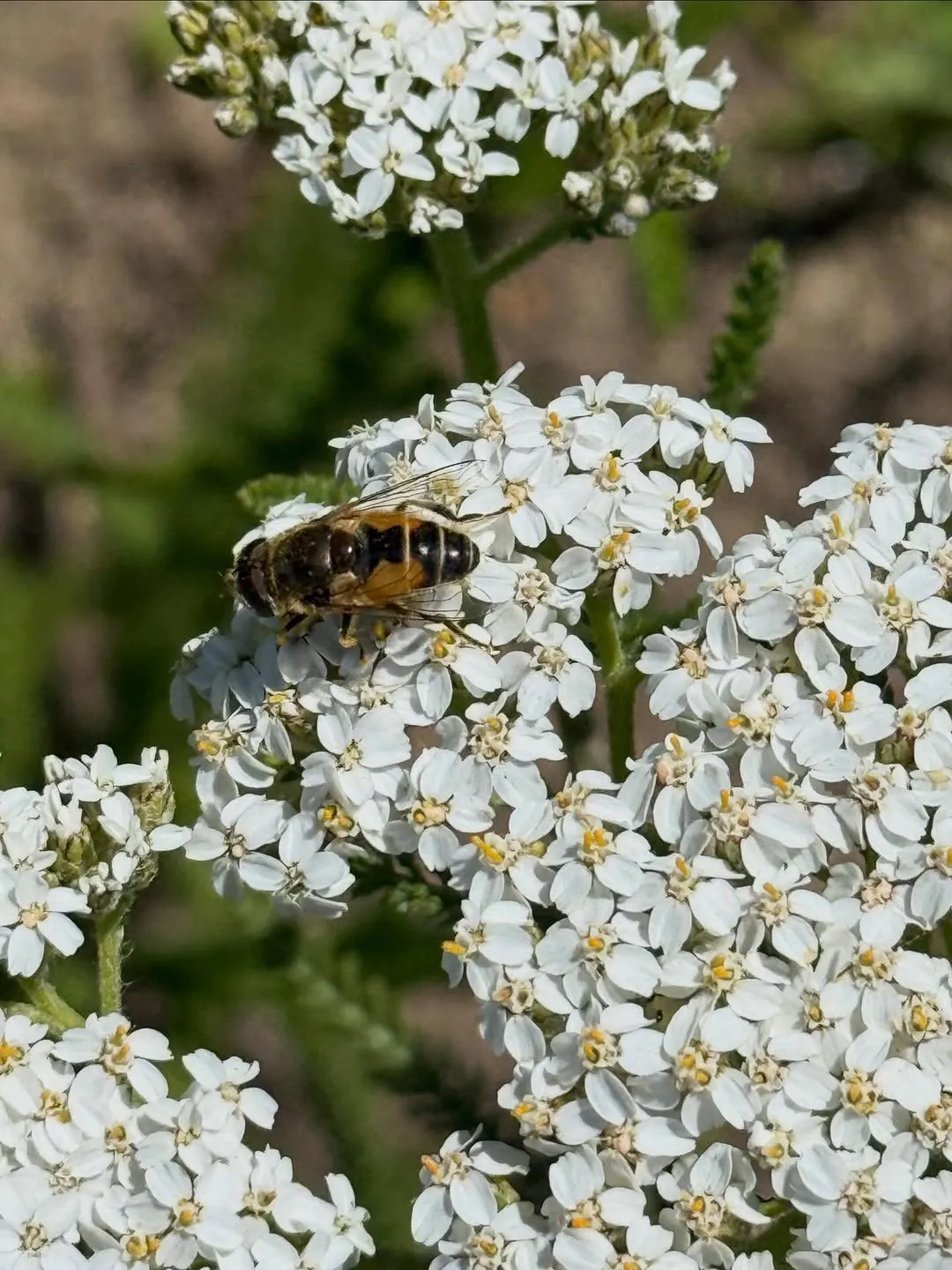
Yarrow has fern-like foliage with clusters of small colorful flowers. The plant thrives in full sun and well-drained soil, and like all other companion plants mentioned above, Yarrow can tolerate drought. Also, it brings in beneficial insects and keeps the pests away from the garden.
Russian Sage
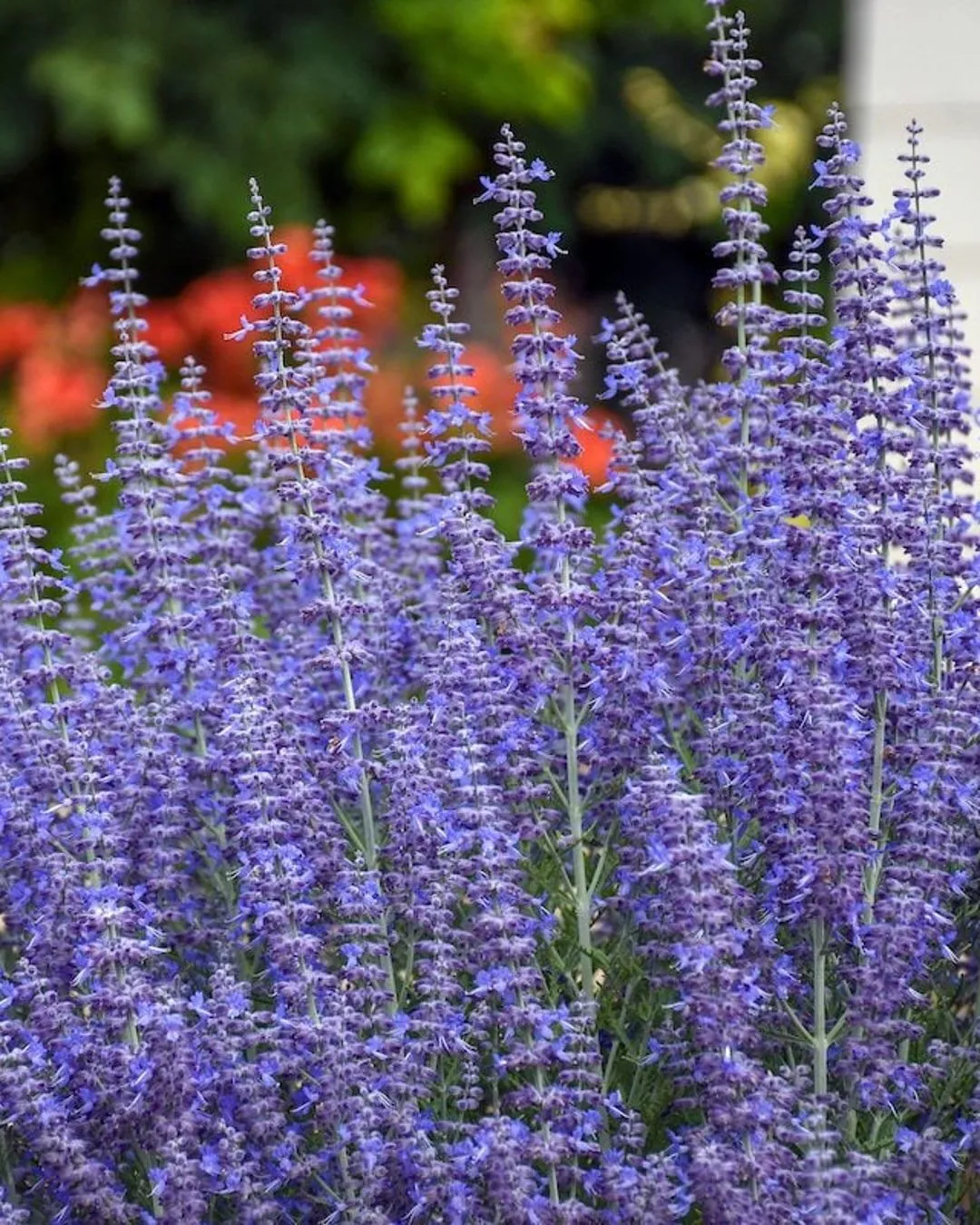
Russian Sage has a purplish-bluish flower that looks great in contrast to the pink cotton candy-like color of Muhly Grass. The Russian Sage has tubular flowers that help attract birds, bees, and butterflies. This plant can also be used as filler when you plant Pink Muhly Grass along the borders. You can also plant it in a container.
Blue Fescue
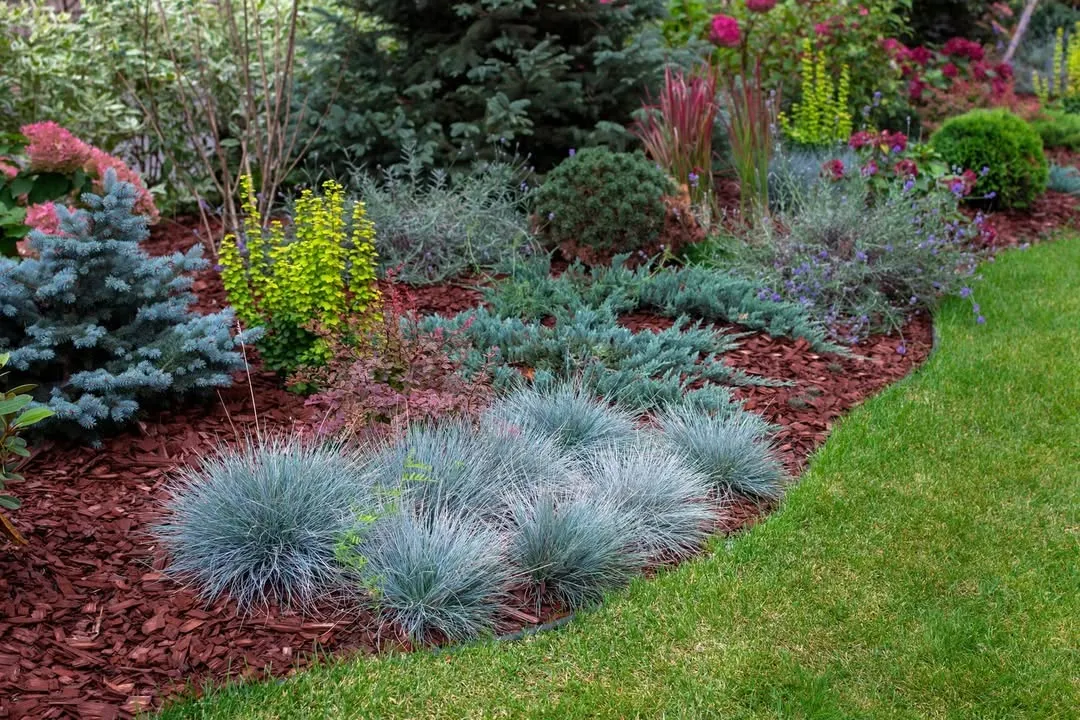
Blue Fescue is a low-growing, blue-toned ornamental grass. When planted with Pink Muhly Grass, it offers a pretty blue-to-pink color contrast, making your garden look enchanting. The best thing is Blue Fescue is also drought-tolerant and thrives in full sun with dry to medium, well-drained soil.
Low Down Sunflower

Low Down Sunflower is one of the best combinations for Pink Muhly Grass. Both share a similar need for light; however, Sunflower adds mass and volume to the garden during spring and summer when muhly grass doesn’t bloom. In later summer, both plants bloom, where the Muhly Grass covers the Low Down Sunflowers in a pink mist. They do well in hot and humid summers and survive moist to average garden soil.
What Not to Grow With Pink Muhly Grass?
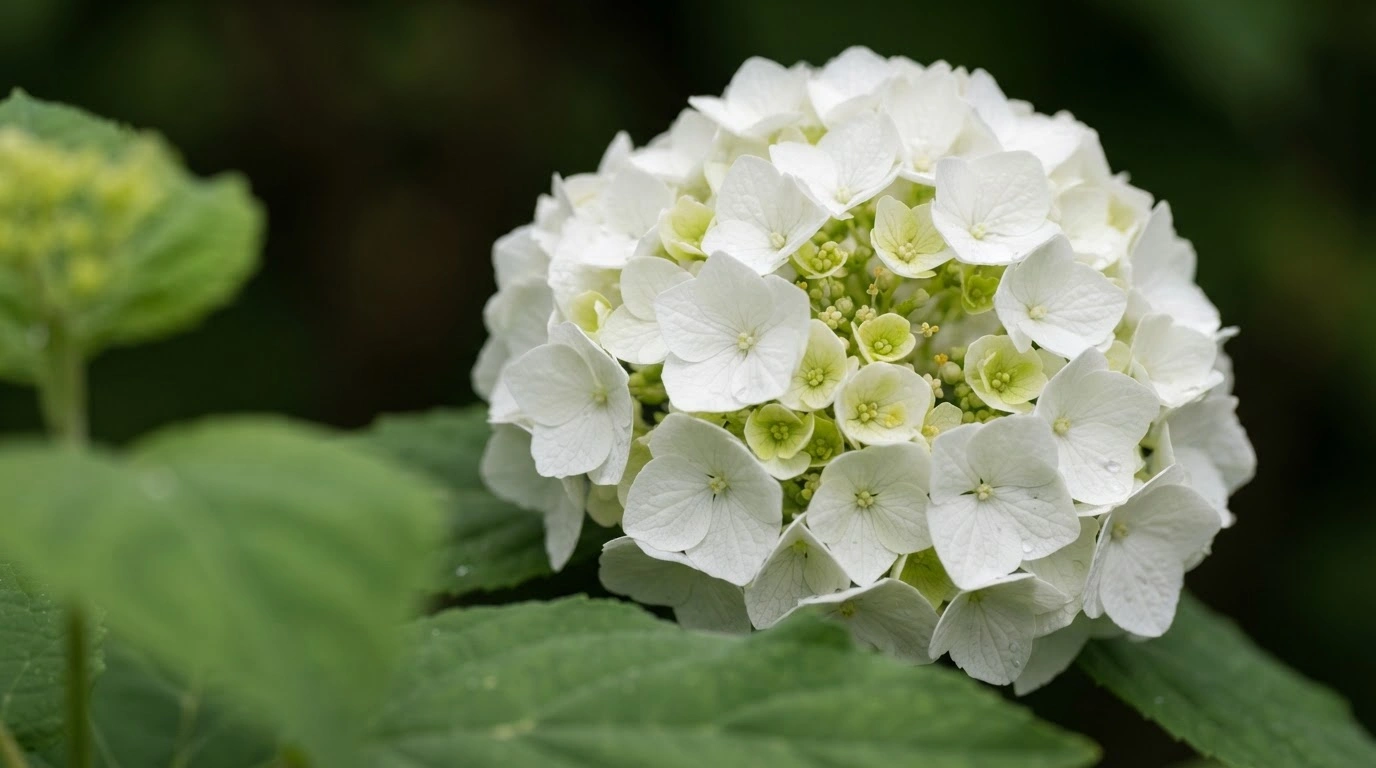
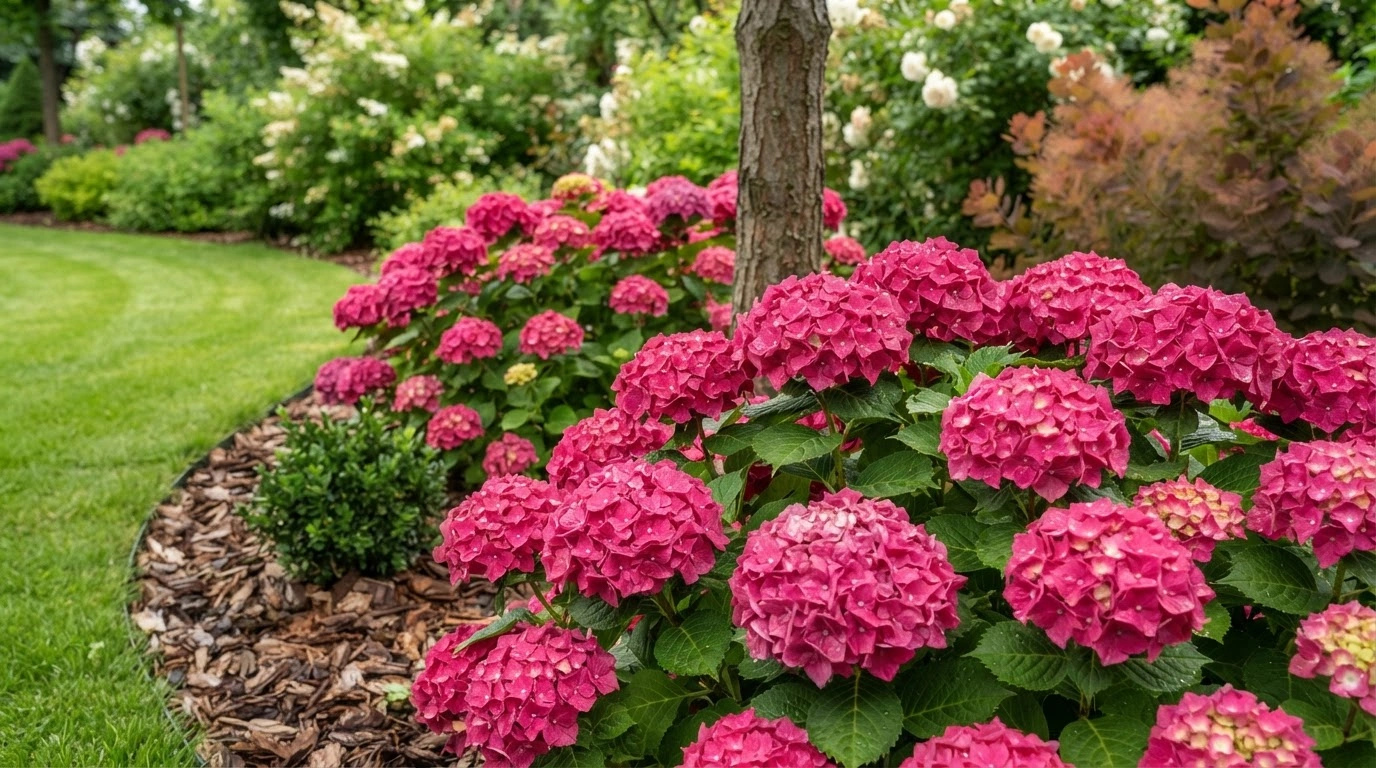
Experts advise not to grow Pink Muhly Grass with moisture-loving plants, such as hostas, ferns, or hydrangeas. As Pink Muhly Grass requires well-draining soil and is resistant to drought, planting it with water-loving plants can make it susceptible to root rot. When choosing companions for Pink Muhly Grass, here are some of the options you must avoid -
- High Water Perennials: Perennials, such as astilbes, elephant ears, or cannas, demand frequent watering, which can suffocate the shallow roots of Pink Muhly Grass.
- Shade-Loving Shrubs: Do not plant Pink Muhly Grass under large trees with thick foliage. The trees with dense canopies can block sunlight, and as Pink Muhly Grass needs full, direct sun for most of the day, a lack of light can stunt its growth and cause it to wilt.
- Aggressive Ground Covers: English Ivy and Periwinkle should also be avoided, as they can crowd the base of the grass and might also choke it.
- Heavy Fertilizer Feeders: Muhly Grass grows well in poor, rocky, or sandy soil. If you grow a heavy feeder by its side, it can cause the grass to grow extremely fast, which can compromise its structure and cause it to flop over.
Conclusion
Pink Muhly Grass is a beautiful plant that is versatile and low-maintenance. They can be planted along the borders and in containers. You can also add it to water-wise gardens to bring a soft and dreamy touch to the space. The beautiful pink plumes appear for a shorter period, but when planted with companions, your garden stays beautiful forever. You can choose any of the options from above to plant with Pink Muhly Grass for an unforgettable show of colors.